
Custom Packaging Quote: What Buyers Should Prepare Before RFQ
Help buyers prepare size, material, quantity, printing, finishing, artwork, deadline, and use case before asking for a custom paper packaging quote
Turn product requirements into a workable structure, checked artwork, an approval sample and a production quote before print and finish are locked.
Structure first
The package has to hold, present and travel with the product before foil colour or lamination is decided. Start with the closest route; internal size, material and sampling follow the actual item.
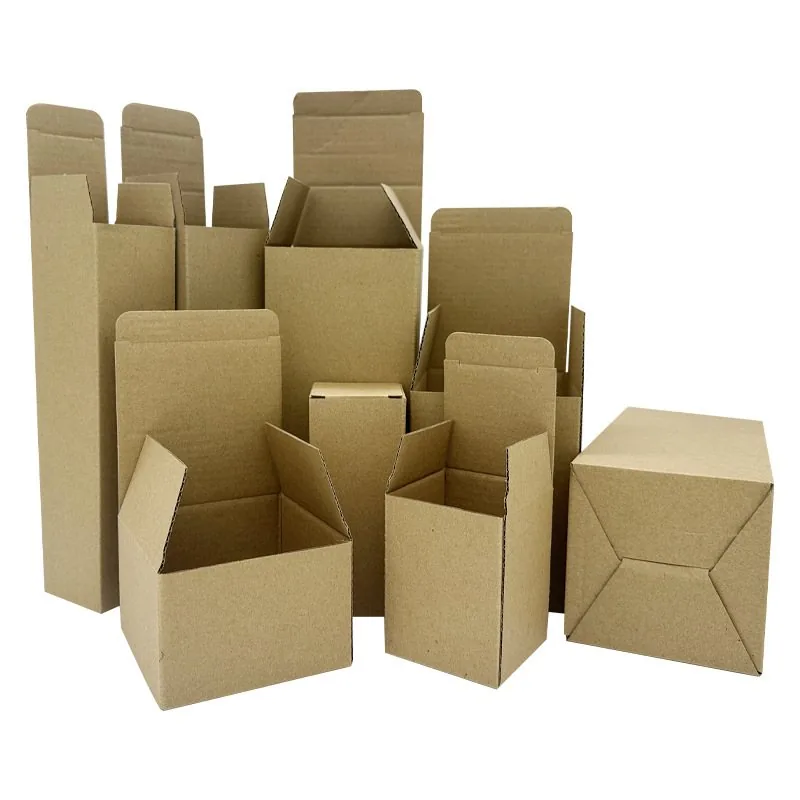
Lightweight retail cartons that ship flat. Confirm weight, internal size, closure and shelf conditions before choosing the board.
View folding cartons →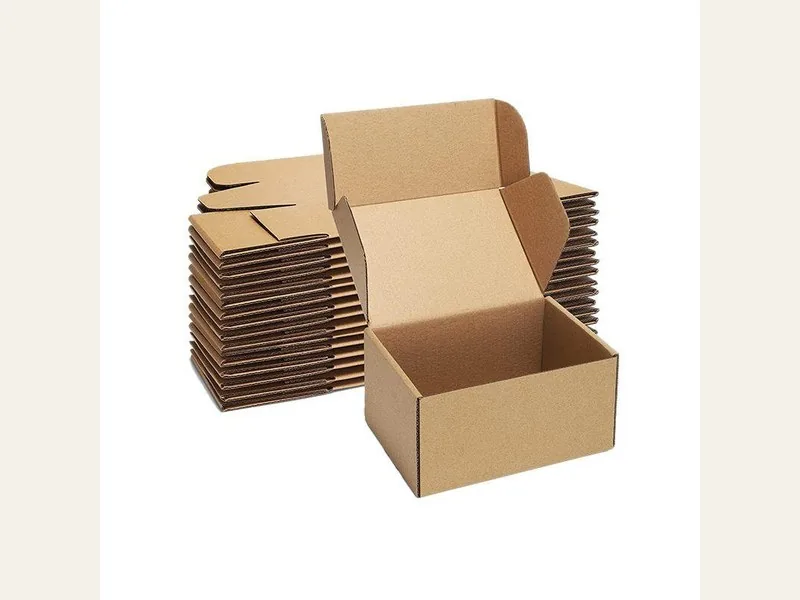
Shipping structures for ecommerce and subscription packs. Weight, flute, empty space and the parcel journey shape the build.
View mailer boxes →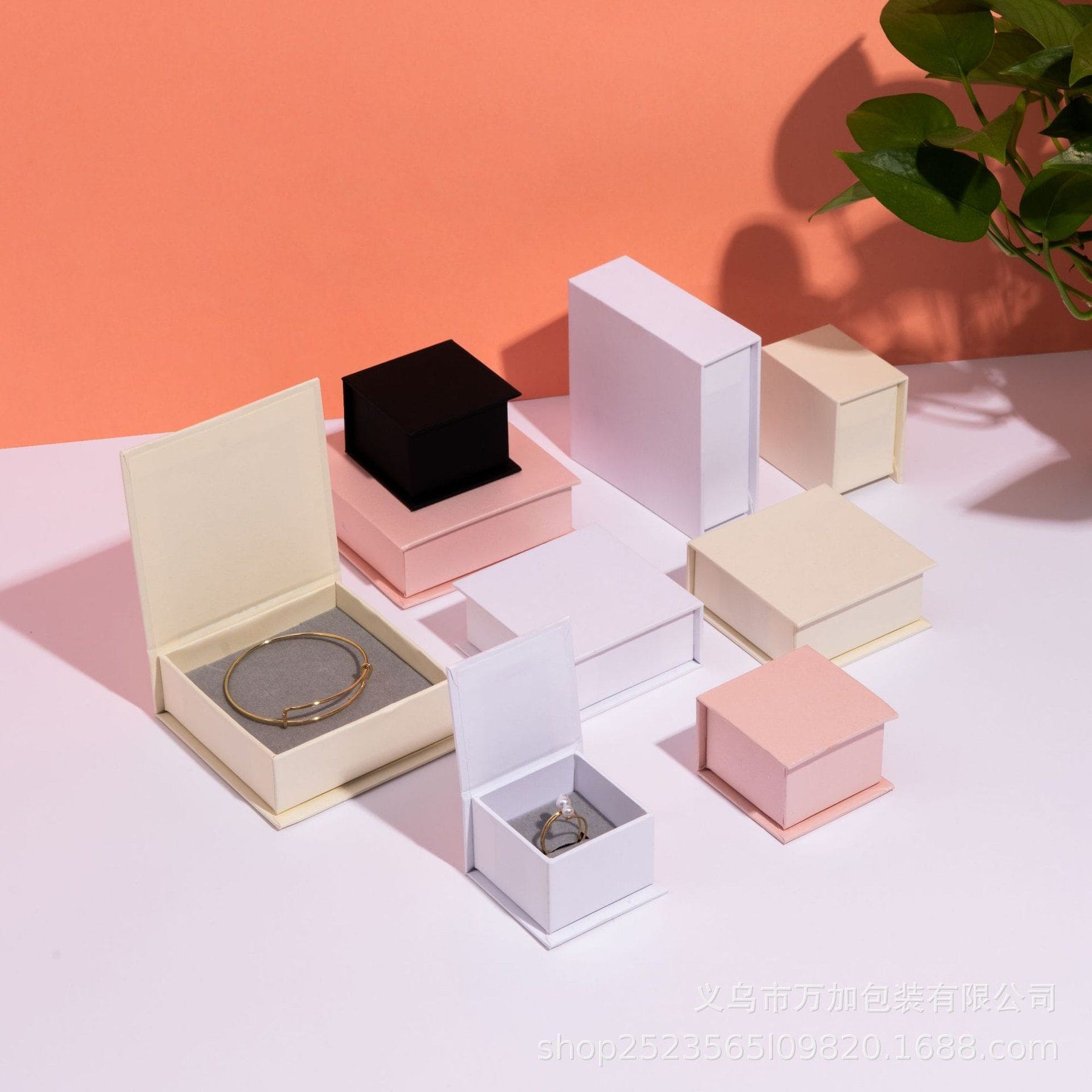
Fixed setup boxes for presentation-led packs. Compare board, wrap, opening, fit and export packing volume.
View rigid boxes →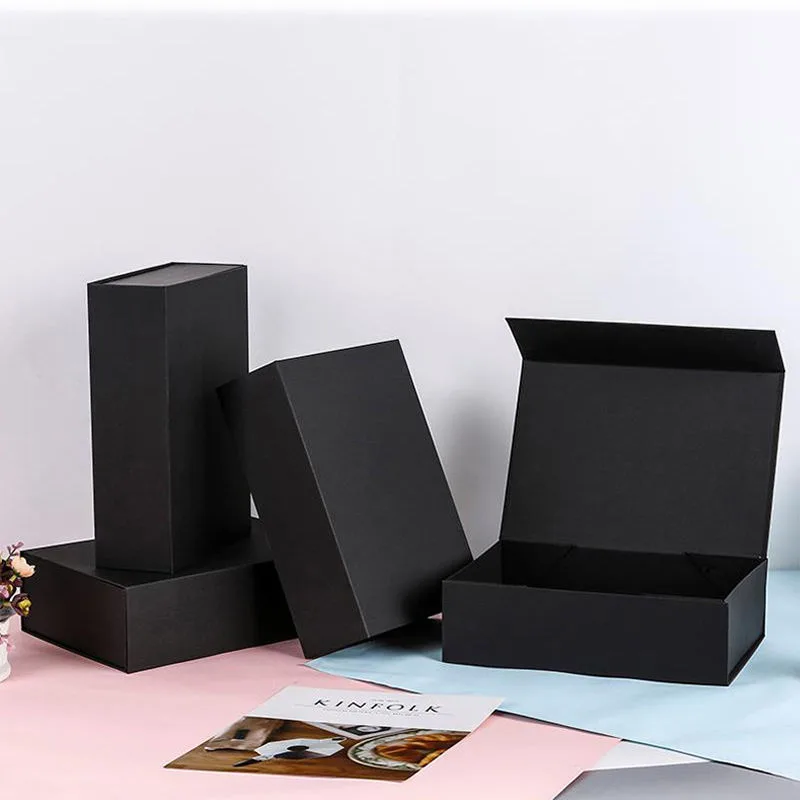
Fold-flat presentation boxes. Confirm adhesive areas, assembly, ribbon details and closure alignment on the sample.
View magnetic boxes →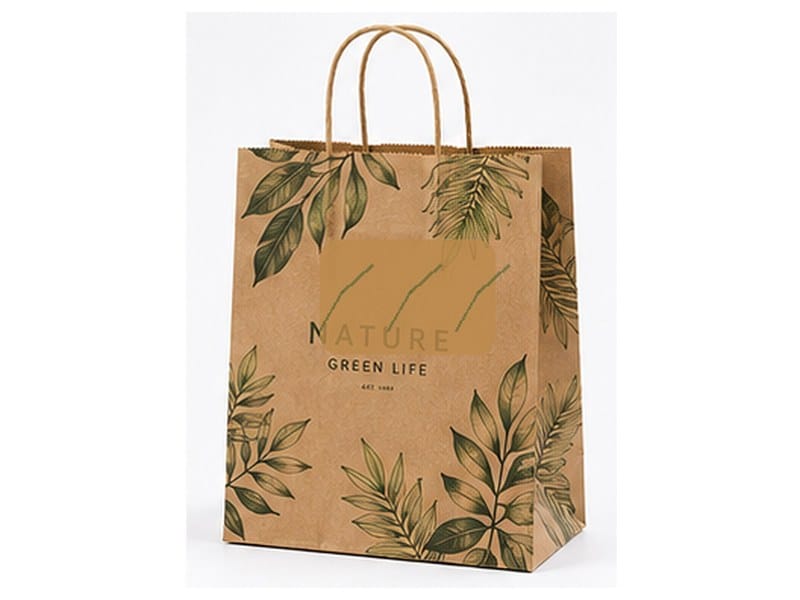
Carry packaging for retail, events and gifting. Match size, gusset, paper, handle and reinforcement to the packed weight.
View paper bags →
Round packaging for cylindrical products. Confirm internal diameter, usable height, lid and any product-contact requirement.
View paper tubes →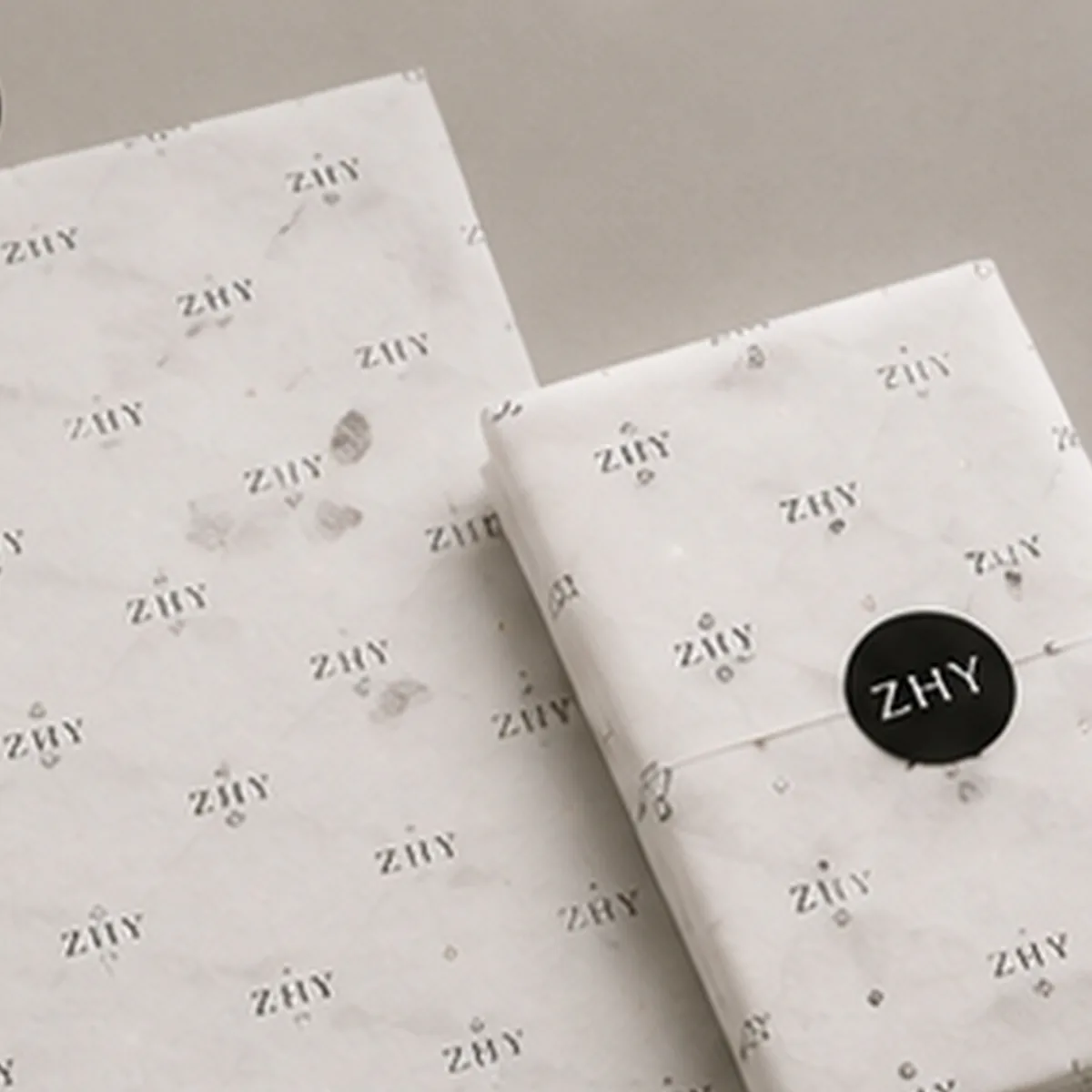
A branded wrapping layer for boxes and bags. Confirm sheet size, paper weight, pattern and colour reference.
View printed tissue paper →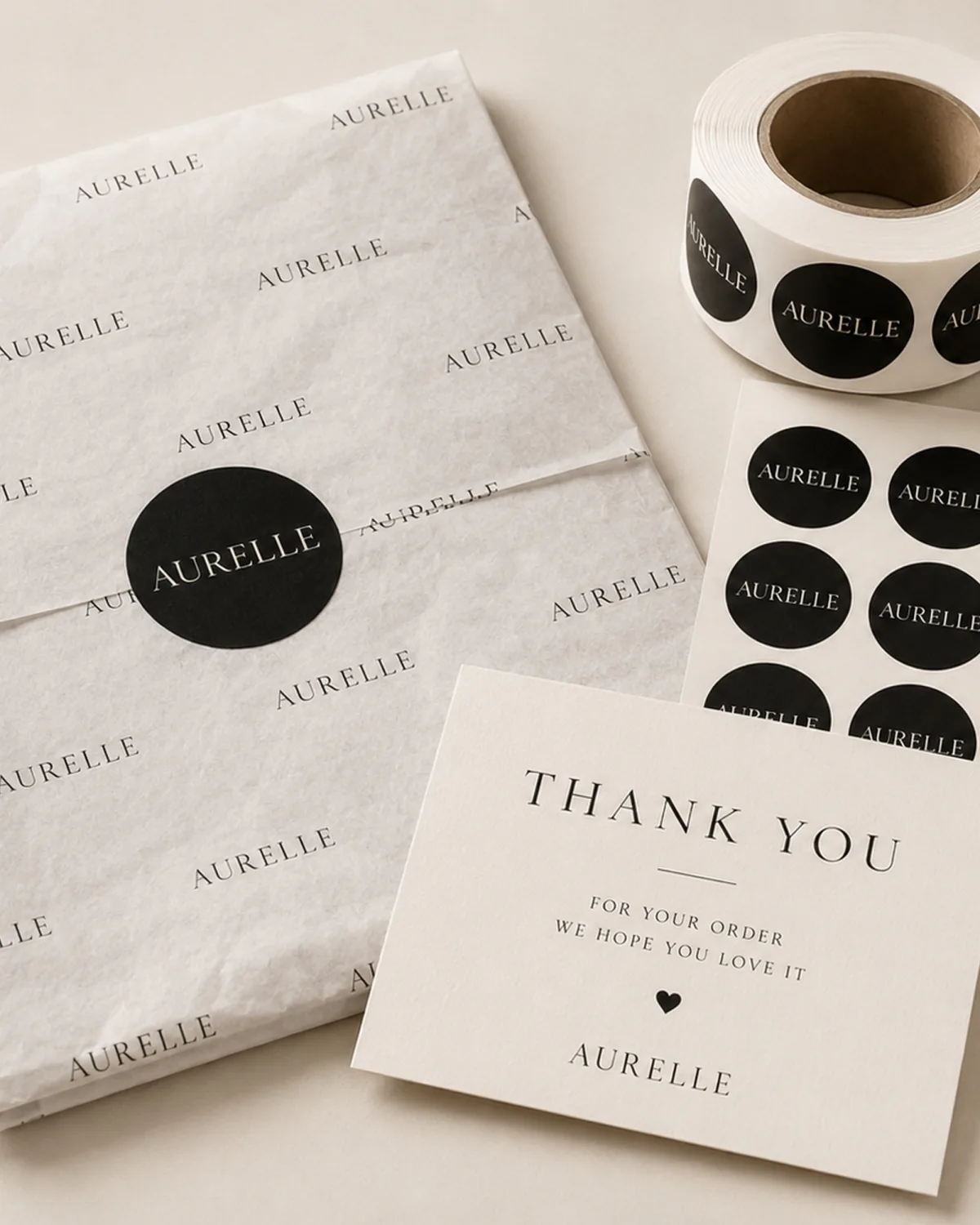
Labels, cards and decorative filler can complete a set. Shredded paper or raffia-style filler is optional and is not a structural box insert.
View packaging accessories →These images illustrate selection routes. They do not prove the source, material, performance or final result of an order. Accessory availability and origin are confirmed before quotation.
Not every detail has to be fixed at the start. Mark undecided items as open instead of guessing, so the quotation shows which choices still need approval.
Material, print, finish and assembly work as one construction. Review the combination on the chosen structure, because isolated swatches may not match the final pack.
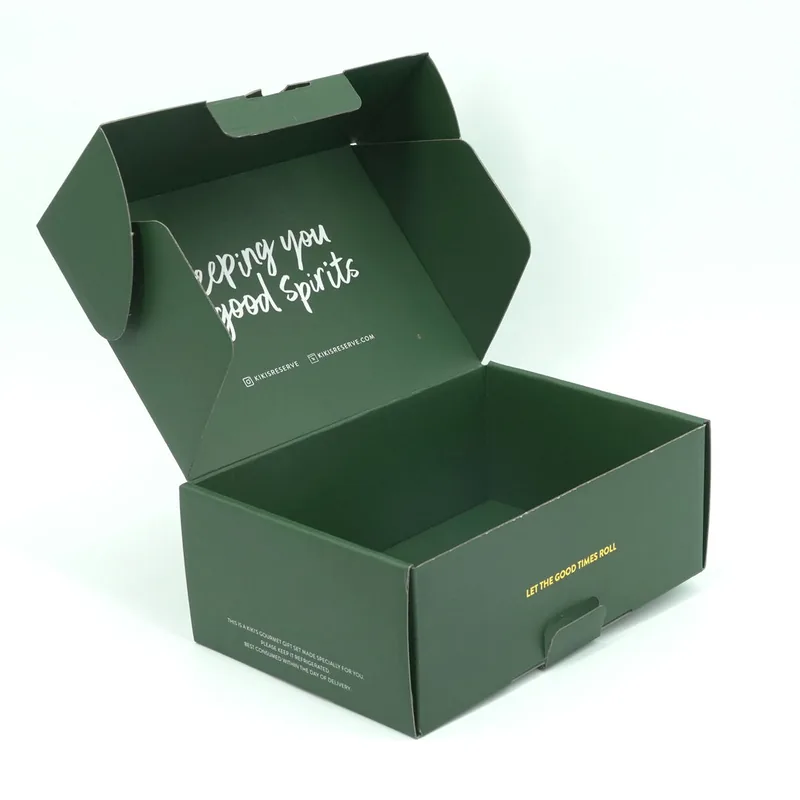
Compare stiffness, surface, thickness and forming behaviour for the selected structure.
Approve: stock and physical feel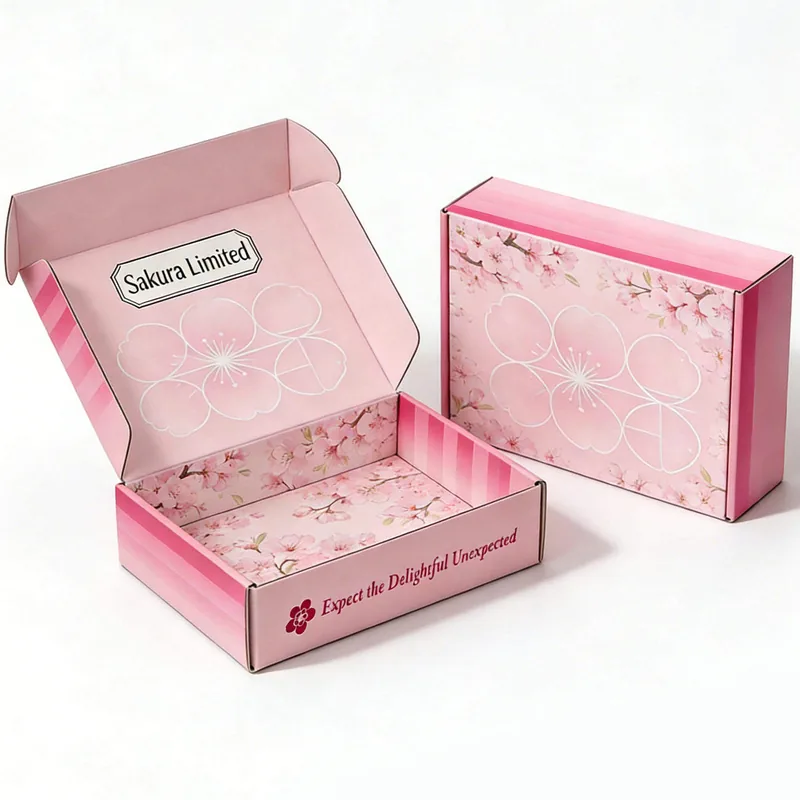
Define printed sides, coverage and critical colour references before proofing.
Approve: coverage and colour reference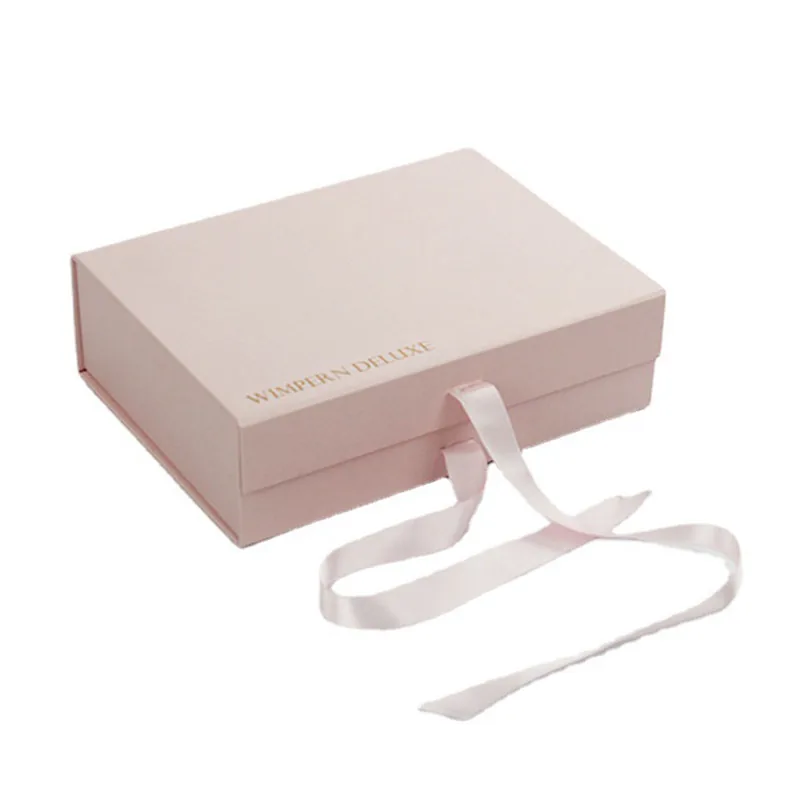
Lamination, spot UV, foil, embossing or debossing can change appearance, handling and tooling.
Approve: position and surface response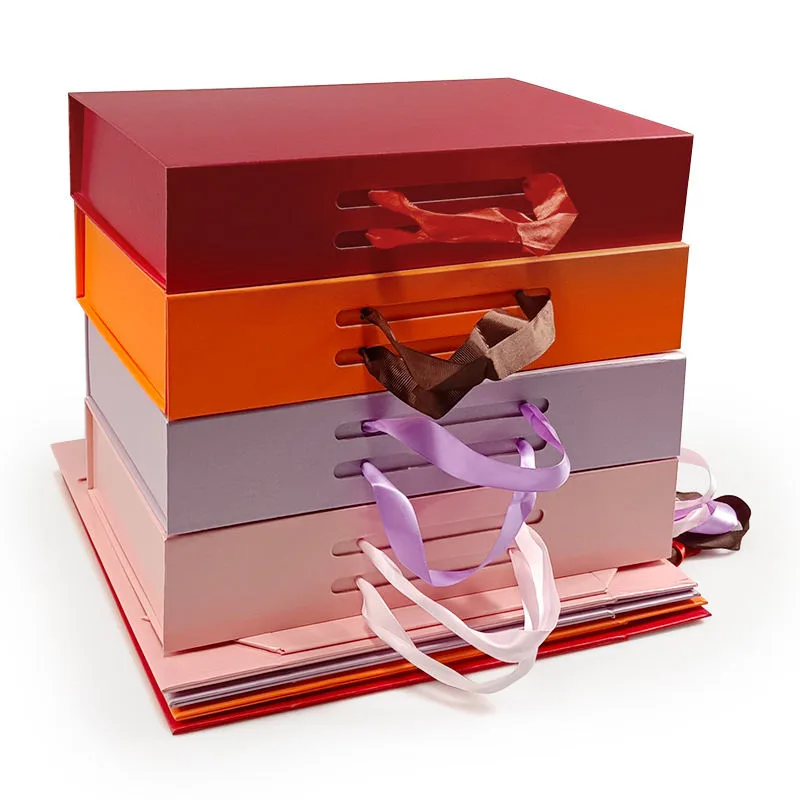
Glue areas, magnets, handles, windows and fold-flat construction affect assembly and packing.
Approve: opening with product insideThe images show option routes rather than an order-specific result. Suitability, appearance and approval points remain tied to the selected construction and sample.
Each stage should leave a clear decision or retained reference, especially when several SKUs or reorders share one packaging programme.
Separate fixed requirements from open choices; confirm product, size, structure, quantity, destination and target date.
Use the agreed internal dimensions and construction before placing final artwork on the working dieline.
Review print coverage, colour references, stock, finish layers and packing notes before the sample route is set.
Record whether it confirms fit, opening, artwork position, colour, finish, assembly or packing.
Confirm the order-specific MOQ, timing, packing method, inspection points and document checks before release.
Retain the approved dieline, artwork revision, material, finish, sample reference and packing instructions.
Print and finish
The method is set by the artwork, the quantity, the substrate and the finish your design needs — not by a fixed menu. The production route is then confirmed for your product family together with the quote and the sample.
Two prices are comparable only when they cover the same construction, approval work and packing assumptions. Keep the variables visible rather than assuming a lower total is the same offer.
Production context
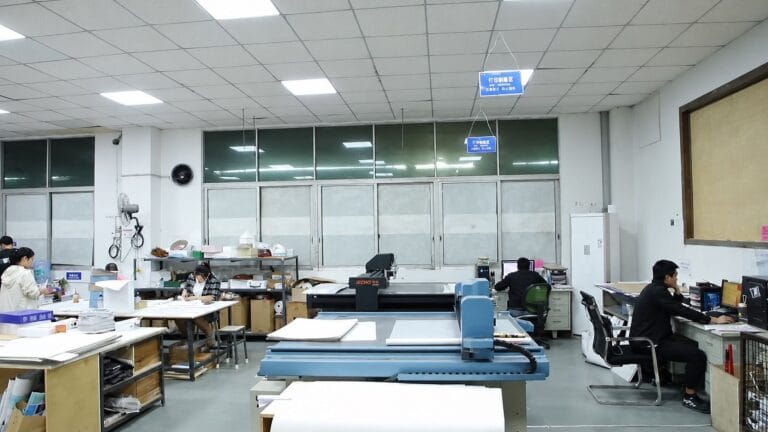
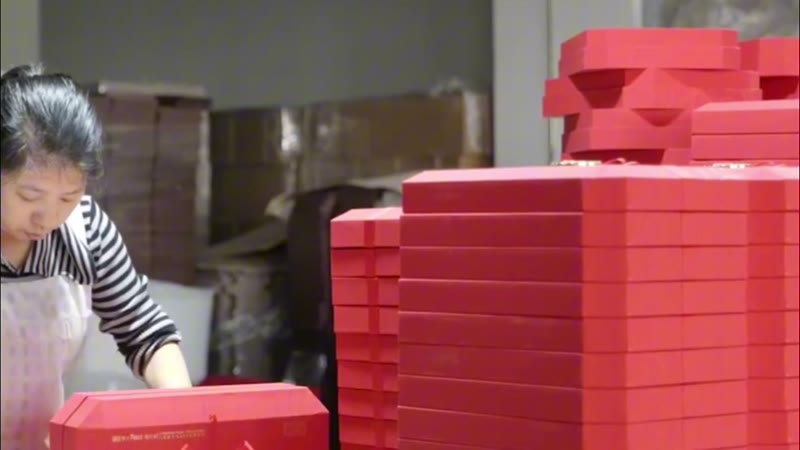
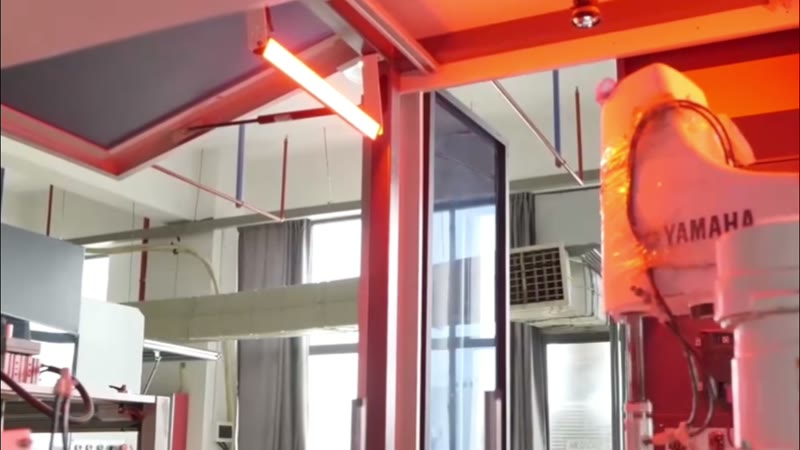
Established in 2006, Xiamen ZHY Packing works from a 3,000 sqm factory in Xiamen. Tie the proposed sample reference, artwork revision, inspection checkpoints and packing details to the quoted product.
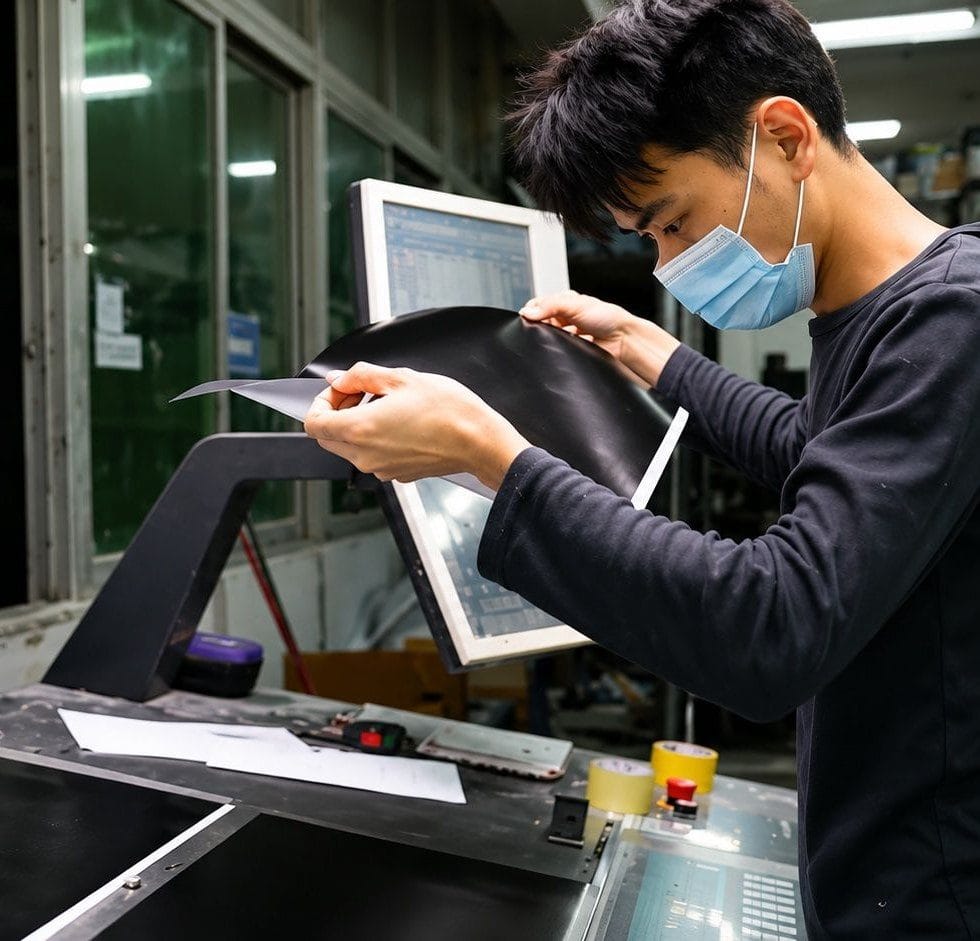
Confirm the proposed paper or board and the acceptance reference for the order.
Check print, colour, finish, structure and assembly against approved files and sample.
Confirm visible checkpoints and request a redacted record where available; do not infer an unpublished pass rate.
Confirm inner packing, outer cartons, labels and quantity per carton.
The ISO 9001 scope covers rigid boxes, displays, corrugated and folding cartons, gift bags, tube boxes and shipping cartons.
Yes. Add the product dimensions and weight, quantity, sales channel and destination. The image helps identify a structure; missing specifications are confirmed before the quotation is final.
We can prepare or review a working dieline for the confirmed structure and size. Final production artwork should be placed on the accepted dieline before proofing.
Yes. The file still needs a prepress check for size, bleed, colour mode, fonts, linked images and separate finish layers before it is ready for production.
Start with the visual and handling goal. Material and structure determine whether lamination, foil, spot UV, embossing or debossing is practical, so review the combination on a sample.
Name the required checks in advance: fit, opening, artwork position, colour, finish, assembly or packing. Record the approval criteria and revision.
Use the same dimensions, structure, material, print, finish, quantity, sample scope, packing, destination and trade term. Mark open assumptions so price differences can be explained.
Yes. Boxes, bags, tubes, tissue and selected accessories can be discussed as one programme. Each item still needs its own specification, artwork, quantity and production-route confirmation.
They depend on the structure, material, finish, quantity, artwork status and sample route. Both are confirmed in the project quotation after those details are reviewed.
Request the current copy and confirm the holder, issuer, validity and scope against the quoted product. Do not treat one supplier document as proof for every material, product or market.
No. They are optional decorative fillers within packaging accessories, not structural box inserts. Availability, material and origin need confirmation before quotation.
ZHY Packing has operated since 2006 from a 3,000 m² site in Xiamen. Confirm the exact production route and proof scope for the quoted product.
The quotation should identify the route for the selected structure, material, finish and quantity rather than treating the full supply range as one production claim.
Ask for the approved sample, artwork or dieline revision, relevant inspection points and packing reference for the quoted product.
MOQ and timing are confirmed for the selected structure, material, artwork, finish, quantity, sample route and current schedule.
Quote-ready next step
Send the product, internal dimensions, preferred structure, material and finish direction, artwork status, quantity per SKU, destination, target date and sample requirement.
Buyer guides
The inputs a quotation depends on, what moves the unit price, and how a finish gets approved.
Help buyers prepare size, material, quantity, printing, finishing, artwork, deadline, and use case before asking for a custom paper packaging quote
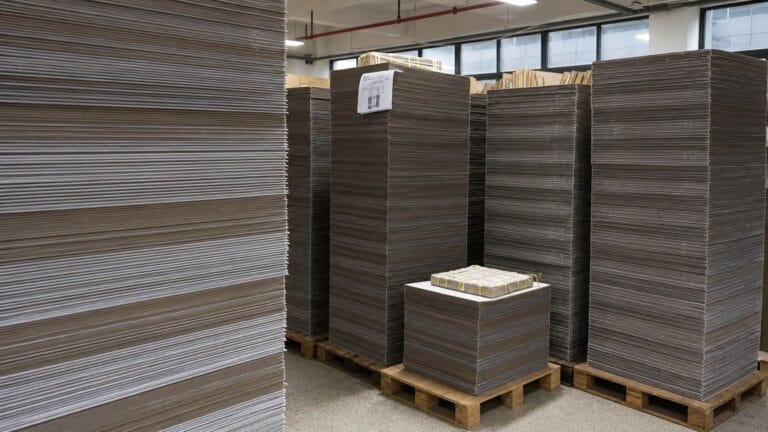
Help buyers understand how quantity, material, structure, printing, finishing, samples, packing, and lead time affect custom paper packaging cost
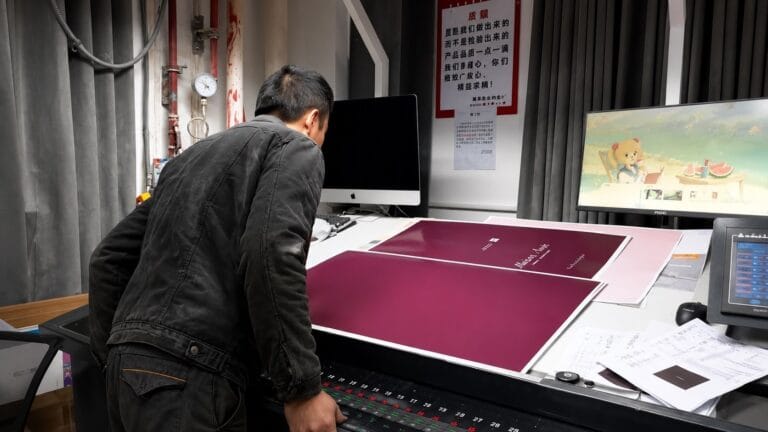
Packaging Finish Approval — a practical checklist covering sample approval, color tolerance, and QC checks for importers, wholesalers, and packaging teams
Request a Quote
Share your key requirements and Sophy will review them during business hours.