
Custom Paper Packaging Products: Boxes, Bags & Tubes
Compare paper boxes, bags, tubes, printed tissue and finishing accessories by product fit, display or shipping use, artwork readiness and order requirements.
Product families
Browse our paper packaging catalogue
Choose by structure and use. The photos help shortlist a route; sizing, material, print, finish and packing still need confirmation for the actual product.
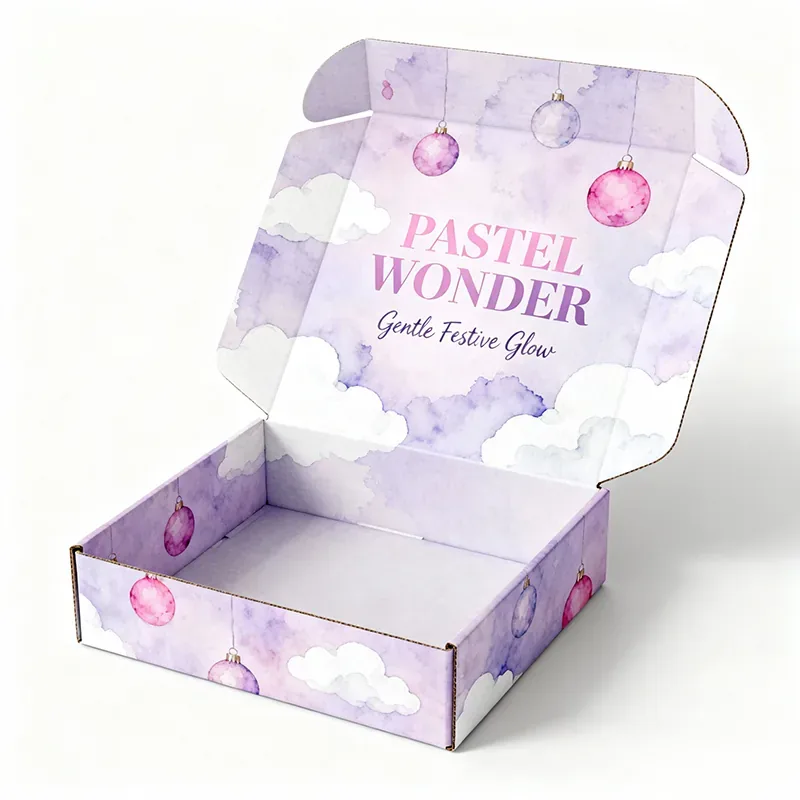
Folding cartons
Lightweight retail cartons. Confirm product weight, internal size, closure and shelf conditions before choosing the board.
View folding cartons →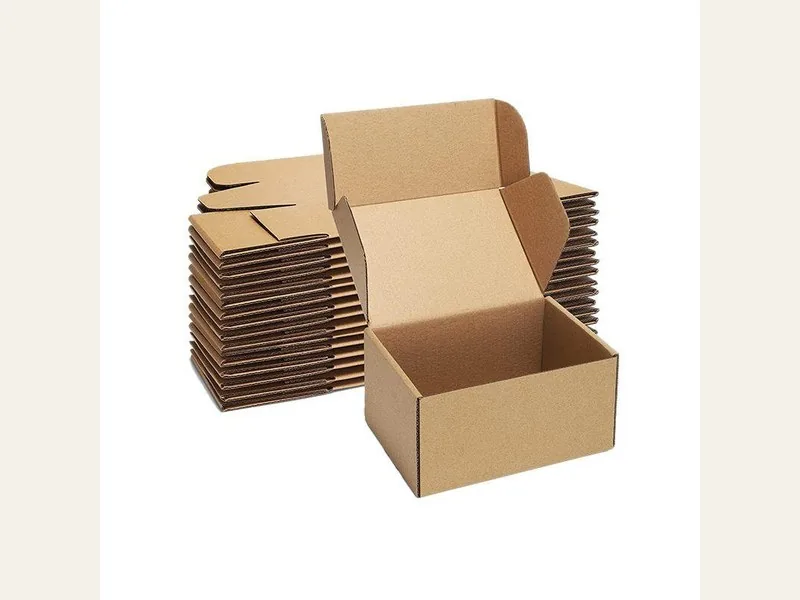
Mailer and corrugated boxes
Shipping structures for ecommerce. Product weight, flute, empty space and delivery route affect the build.
View mailer boxes →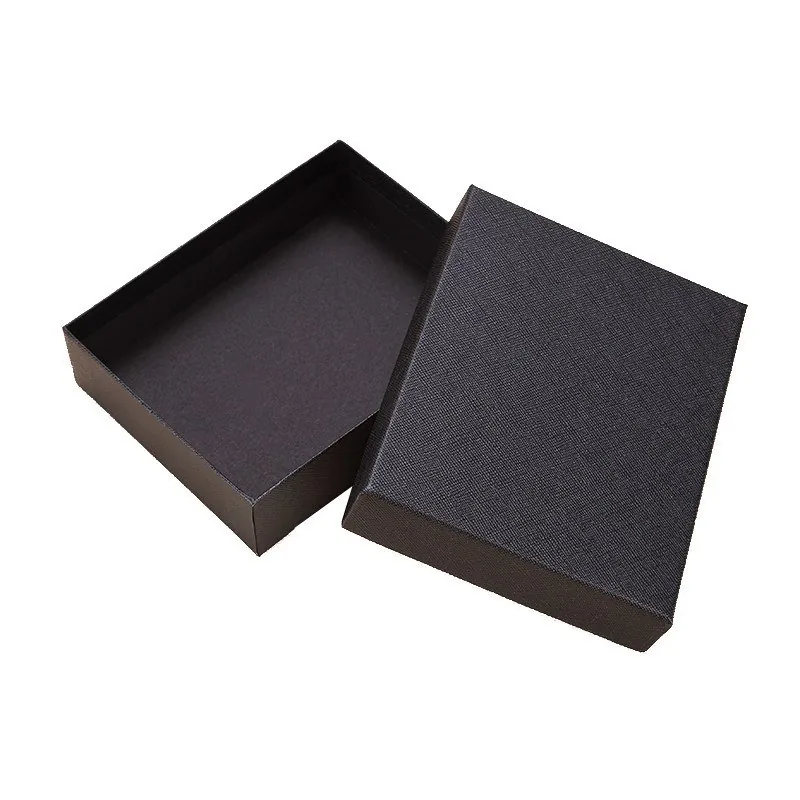
Rigid boxes
Fixed setup boxes for premium presentation. Compare board, wrap, opening style, product fit and packing volume.
View rigid boxes →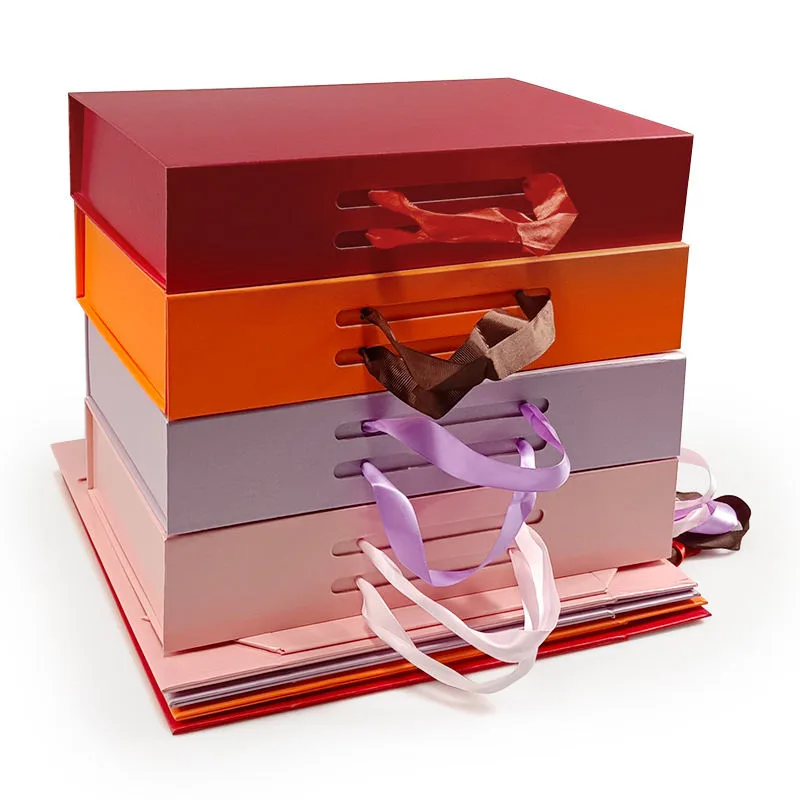
Collapsible magnetic boxes
Confirm closure, adhesive areas, assembly method and any ribbon or handle requirement before sampling.
View magnetic boxes →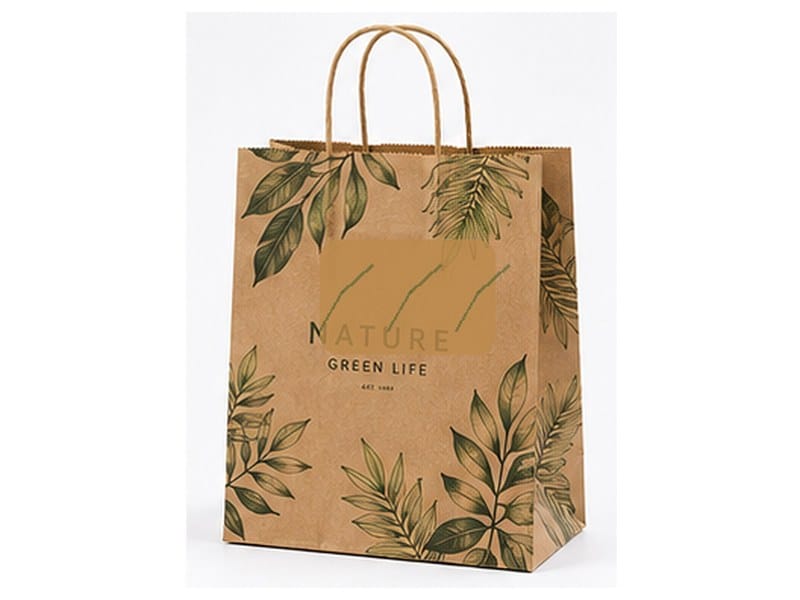
Paper bags
Match size, paper, handle and reinforcement to the product weight and the intended retail or gifting use.
View paper bags →
Paper tubes
Confirm internal diameter, usable height, lid and product-contact requirements for cylindrical products.
View paper tubes →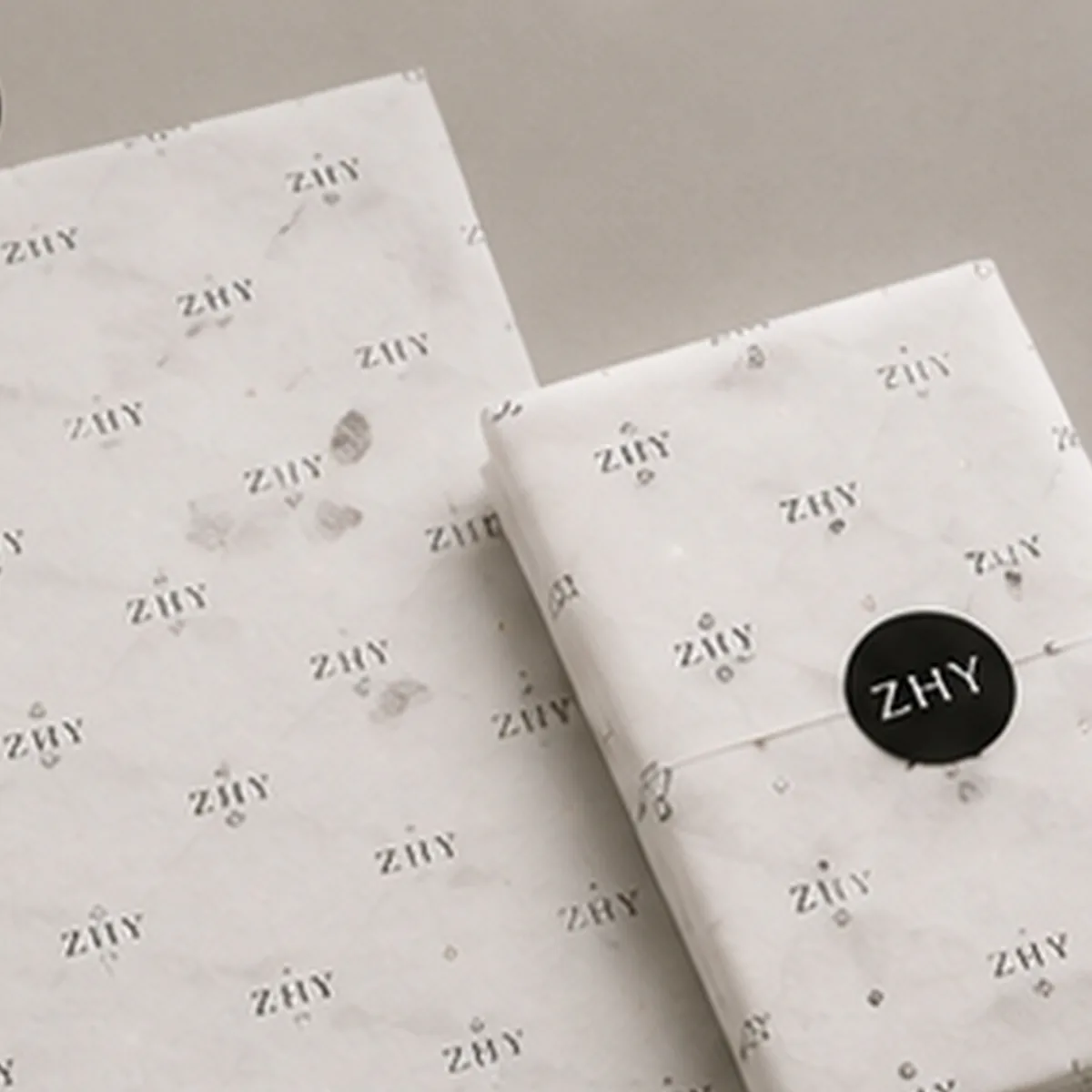
Printed tissue paper
Confirm sheet size, paper weight, ink coverage, repeat pattern and colour expectations for branded wrapping.
View printed tissue →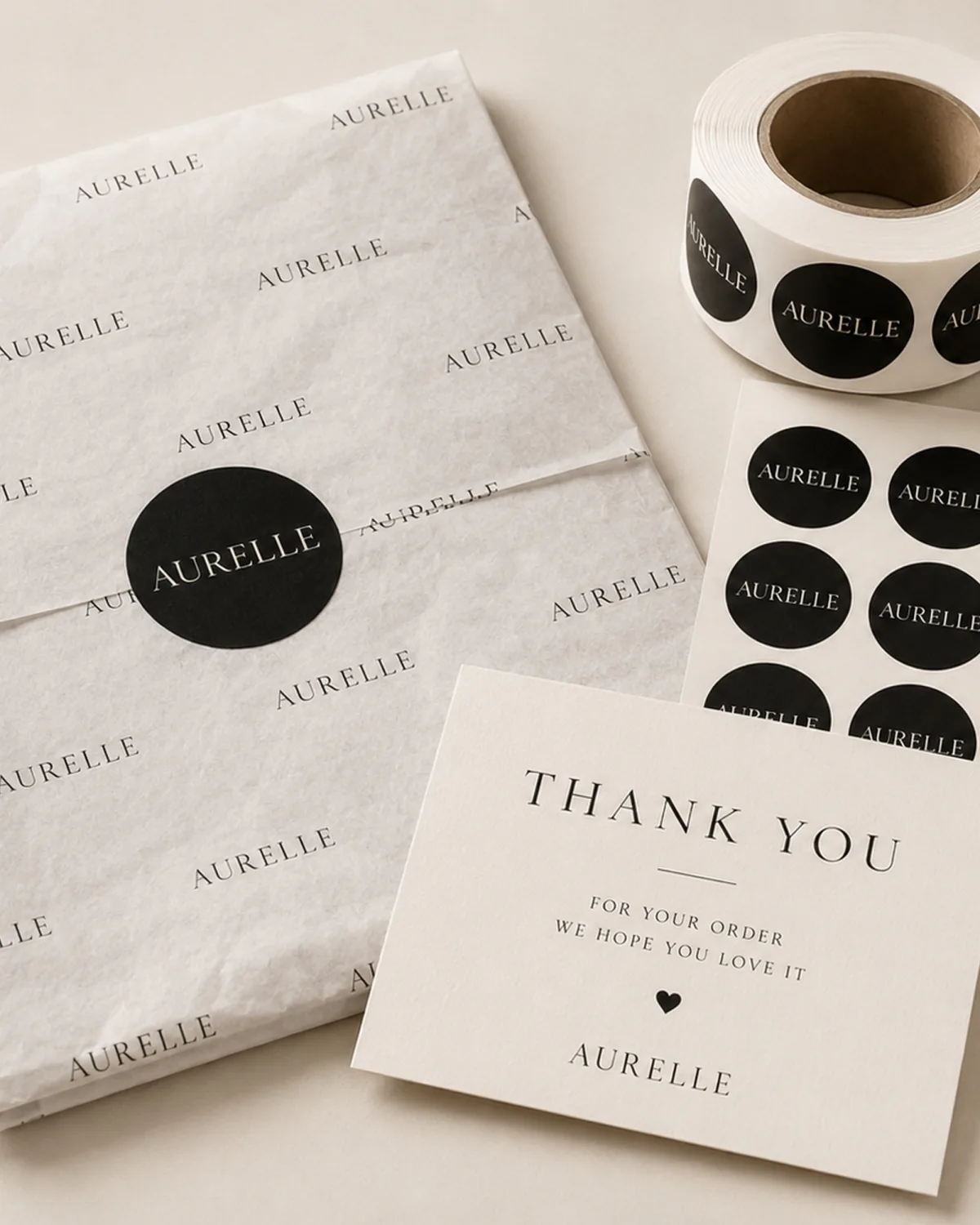
Packaging accessories
Labels, cards and decorative filler complete a set. Raffia-style filler is an optional accessory, not a structural box insert.
View packaging accessories →See the working environment behind our paper packaging projects. For your order, we’ll confirm the production route, materials and performance requirements during quotation.
Visible structures
Compare visible structures before sampling
Photos help shortlist a format but do not prove final material, performance or origin. Verify dimensions, board, artwork and finish during quotation and sampling.
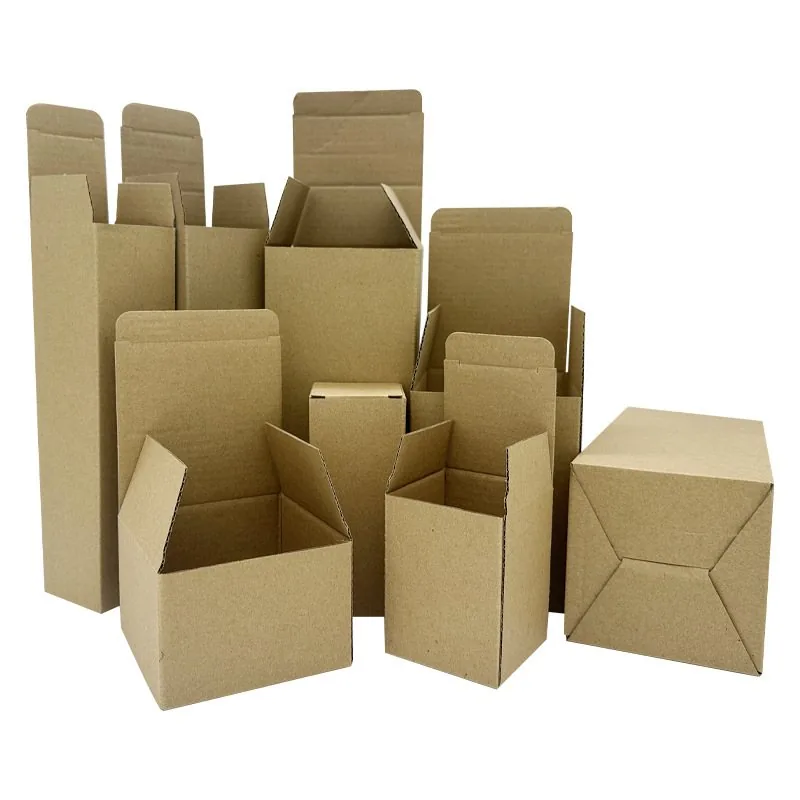
Printed folding carton
- Use
- Lightweight retail presentation.
- Confirm
- Internal size, closure, board, print and finish.
- Risk
- Artwork may need revision if the dieline changes.
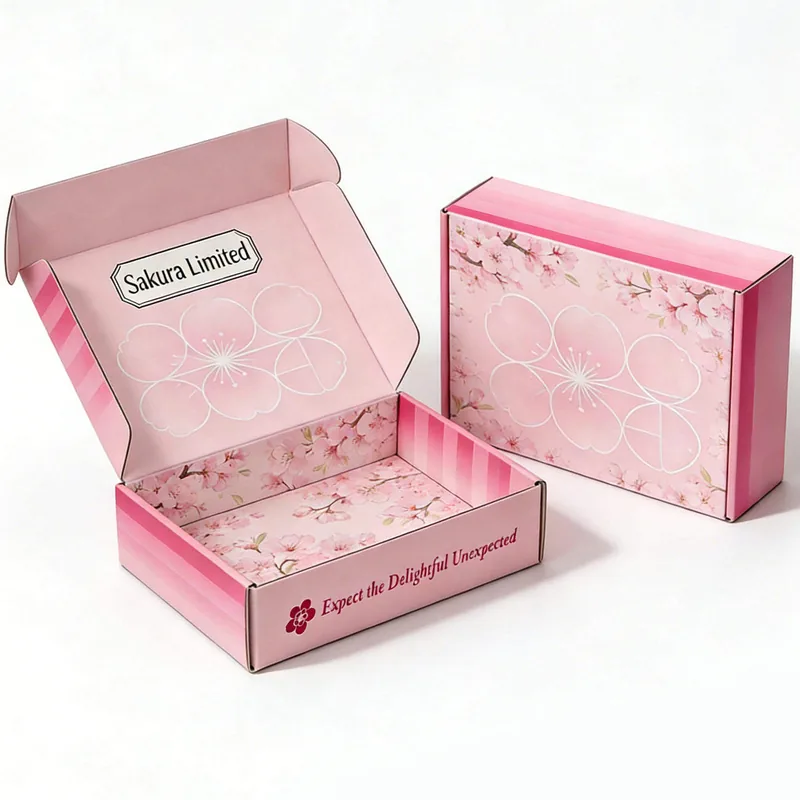
Custom mailer box
- Use
- Ecommerce and subscription shipping.
- Confirm
- Weight, fit, flute, void fill and outer packing.
- Risk
- A presentation-led structure may under-protect the product.
Collapsible ribbon-handle box
- Use
- Premium gift or PR presentation.
- Confirm
- Dimensions, magnets, ribbon, wrap and packing.
- Risk
- Check closure and adhesive areas on the sample.
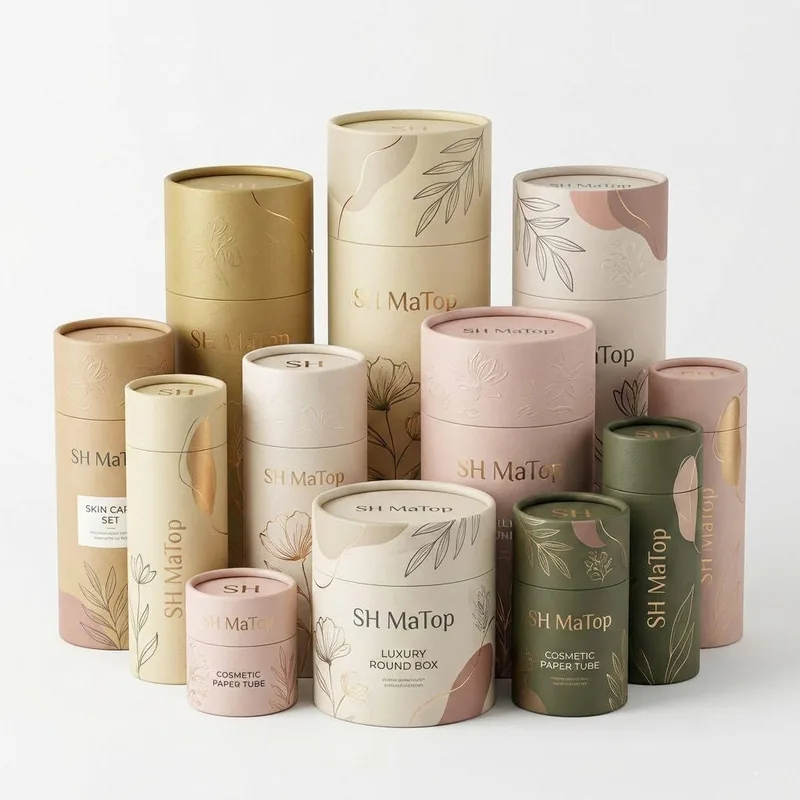
Printed paper tube
- Use
- Cylindrical gift, cosmetic or specialty packaging.
- Confirm
- Internal diameter, usable height, lid, print and contact scope.
- Risk
- Usable space differs from outside dimensions.
Decision matrix
Choose the structure around the product journey
Start with where the pack will be displayed, carried or shipped. Keep the decisive checks visible before sampling.
| Buyer situation | Start with | Check before sampling | Continue to |
|---|---|---|---|
| Lightweight retail display | Folding carton | Internal size, closure, board and shelf handling | Folding cartons |
| Parcel or subscription shipping | Mailer or corrugated box | Product weight, flute, empty space and delivery route | Mailer boxes · Plan a shipping structure |
| Premium gift presentation | Rigid or magnetic box | Opening style, board, wrap, closure and packing volume | Rigid boxes |
| Branded carry packaging | Paper bag | Product weight, gusset, reinforcement and handle | Paper bags |
| Cylindrical presentation | Paper tube | Internal diameter, usable height, lid and contact scope | Paper tubes |
| Unboxing or finishing layer | Tissue and accessories | Sheet or component size, colour, attachment and supply status | Packaging accessories |
Quote accuracy
Define size, material and artwork before production
A quote based on guessed dimensions or unfinished artwork can delay sampling and make supplier comparisons unreliable. Keep every open assumption visible for approval.
Size and fit
Provide internal dimensions or the physical product. Include padding, accessories or grouped items that share the space.
Structure and material
Name the preferred format, product weight, paper or board direction, and shipping or display conditions.
Artwork and colour
Send the logo or artwork file and state whether a dieline exists. Keep critical colours visible for sample review.
Surface finish
Identify the appearance and handling need before choosing lamination, foil, embossing or another finish.
Order plan
Provide quantity per SKU, number of SKUs, destination and target timing. MOQ starts from 200 pcs, and bulk production takes 15–30 working days. See what the 200 pcs minimum applies to and what moves sample and production lead time.
Sample approval
Define whether the sample must prove fit, construction, colour, finish, assembly or packing before bulk release.
For the complete workflow, review custom packaging options and sample planning.
Application routes
Packaging by industry need
The same structure behaves differently on a retail shelf, in a parcel network or inside a presentation set. Share the sales and delivery context before the route is fixed.
Ecommerce packaging
Begin with protection, pack-out time and parcel handling. Share product weight, dimensions and the delivery journey.
Explore ecommerce packaging →Retail packaging
Balance shelf presentation with handling. Share the retail channel, hanging or stacking need, and artwork status.
Explore retail packaging →Cosmetics and beauty
Coordinate boxes, tubes and tissue while confirming component fit, surface expectations and document scope.
Explore beauty packaging →, View cosmetics beauty packaging solutionGift and PR packaging
Plan the presentation structure, wrapping, cards and labels around packed contents, timing and assembly.
Explore gift and PR packaging →, View gift pr packaging solutionSupplier proof
Production and document proof for the order you are planning
A catalogue photo illustrates a route. It does not prove the source, material or performance of the final order.
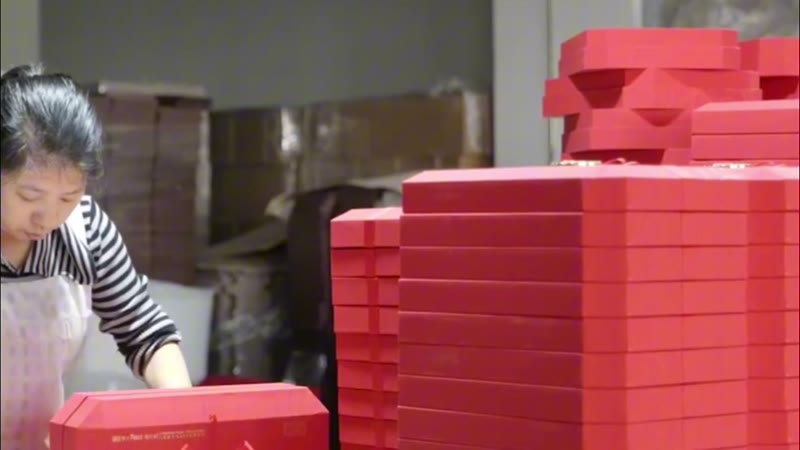
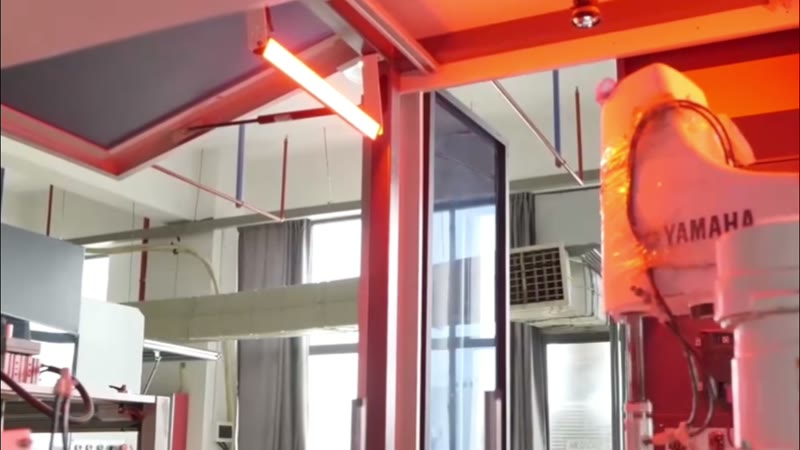
Since 2006, Zhypacking has worked in paper packaging; its Xiamen factory covers 3,000 sqm.
Before approval, request the proposed material and construction, artwork revision, sample approval points, inspection checkpoints and packing method.
Request current ISO 9001:2015 and ISO 14001:2015 certificate copies, then confirm whether the scope applies to the quoted product.
Buyer questions
Questions packaging buyers ask first
Which packaging type should I choose first?
Start with the product journey. Folding cartons suit lightweight retail packs; mailers and corrugated boxes start from shipping protection; rigid and magnetic boxes prioritise presentation; bags, tubes, tissue and accessories solve different carrying, format or finishing jobs.
What information is needed for an initial quote?
Send the product type, internal size or product dimensions, preferred structure, material direction, artwork status, finish, quantity per SKU, destination and target timing. Mark undecided items so the reply identifies what still needs confirmation. The six inputs a packaging quote needs are listed on one page.
Can I request several packaging items as one program?
Yes. Related boxes, bags, tissue, labels or cards can be discussed together. Each component still needs its own size, material, artwork, quantity and packing requirements.
How are MOQ and lead time confirmed?
The project-level starting point is MOQ 200 pieces and 15–30 working days after specifications, artwork and sample requirements are confirmed. The selected structure, material, print, finish, quantity per SKU and production schedule can change both figures, so confirm them in the project quotation.
Should artwork be prepared before the dieline?
Prepare brand assets early, but build final production artwork against the confirmed dieline. This reduces prepress revision risk when dimensions or structure change.
What should a sample approval cover?
State whether the sample must confirm size and fit, structure, colour, finish, assembly or packing. Record the approved revision before releasing bulk production.
How should certificates be checked?
Request the current copy and confirm its product, process, material and validity scope against the proposed order. A supplier-level document should not be treated as proof for every product automatically.
Are shredded paper and raffia treated as box inserts?
No. They are optional decorative fillers within packaging accessories, not structural box inserts. Availability, material and origin need confirmation before quotation.
Can one quotation cover several SKUs?
Yes. List the quantity, dimensions, artwork, finish and packing requirement for each SKU so shared and SKU-specific costs remain visible.
What if the final structure is not decided?
Send the product photo, dimensions, weight and intended sales or shipping channel. Zhypacking can return a proposed route plus the questions that still need confirmation before sampling.
How long has ZHY Packing operated in Xiamen?
ZHY Packing has operated since 2006 from a 3,000 m² site in Xiamen. Confirm the exact production route and proof scope for the quoted product.
Which production route applies to this order?
The quotation should identify the route for the selected structure, material, finish and quantity rather than treating the full supply range as one production claim.
What proof can I review before bulk production?
Ask for the approved sample, artwork or dieline revision, relevant inspection points and packing reference for the quoted product.
How are MOQ and production timing confirmed?
MOQ starts from 200 pcs, and bulk production takes 15–30 working days after specifications, artwork and sample requirements are confirmed. Two short references help before you send it: the terms that appear in a packaging quote and how to score suppliers before spending the sample budget.
Ready to plan?
Ready to plan your packaging project?
Send the product, dimensions, preferred route, artwork status, finish, quantity per SKU, destination and target timing. Zhypacking can reply with a recommended route, open specification questions, proof requests and quotation assumptions.