
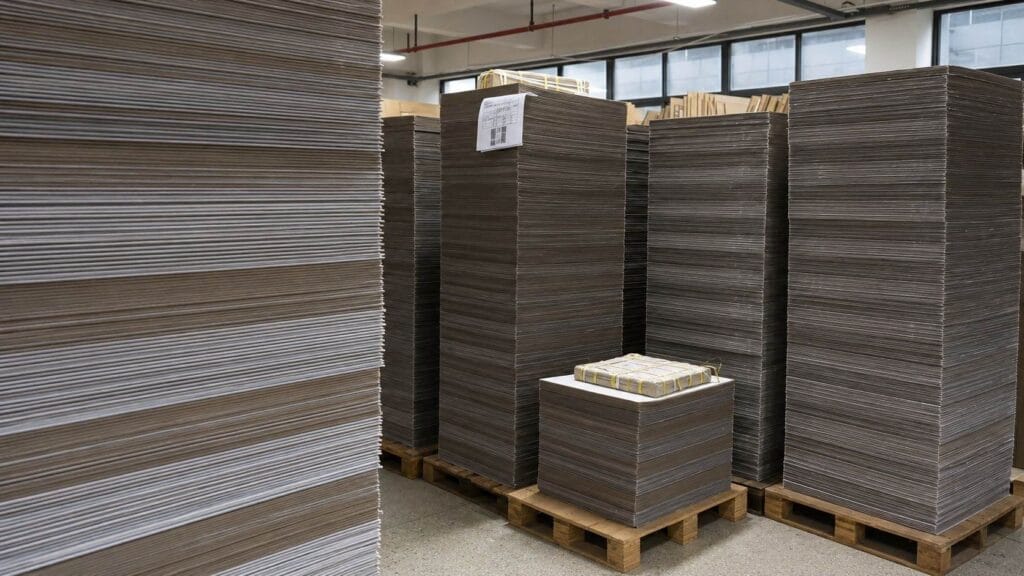
Custom paper packaging cost factors MOQ printing finishing lead time decisions should connect the logo or finish idea to a production sample, not only a visual mockup.
For custom paper packaging cost factors MOQ printing finishing lead time, supplier proof should cover print position, color target, surface finish, structure, and packing before bulk production is released.
The checks below help buyers keep artwork, material, finish, and packing decisions in one approval path.
Direct answer: For custom paper packaging cost factors MOQ printing finishing lead time, the buyer’s real check is whether the specification, supplier evidence, sample result, quote assumptions, and named approval owner all describe the same order.
Copy this custom paper packaging cost factors MOQ printing finishing lead time approval record into the RFQ file. Keep every checked item on the same revision before releasing the order.
- ☐ Ribbon material, width, color target, and packing format
- ☐ Artwork revision, print method, placement, and repeat
- ☐ Approved sample, production reference, and exception notes
- ☐ Quantity, schedule, quote assumptions, owner, and approval date
Move the custom paper packaging cost factors MOQ printing finishing lead time order forward only when each gate leaves written evidence for the next. Return an unresolved specification, sample, or quote exception to its owner before bulk production.
The cost factors buyers should normalize before comparing quotes
| Cost driver | What changes it | Quote signal | Risk to avoid | Buyer action |
|---|---|---|---|---|
| Material grade and grammage | Coated vs. uncoated paper, recycled content, or specialty board changes die-cutting waste and print absorption | Quote lists 'standard paper' without grammage or grade reference | Supplier may substitute lower-grade material after sample approval, altering stiffness and color hold | Verify the material grade and grammage against the approved sample before comparing unit prices |
| Print complexity and color count | Each additional spot color or process color separation adds plate cost and make-ready time | Single line item for 'printing' without specifying number of colors or technique | Unquoted plate charges or color-matching fees appear after sample sign-off, inflating total cost | Request a line-item breakdown of plate cost per color and confirm whether the quote includes one round of color proofing |
| Finishing type and surface area | Spot UV, foil stamping, embossing, or matte lamination each require separate dies and setup runs | Quote includes 'finishing' as a lump sum without naming the process or coverage area | Partial or misaligned finish application may require rework, delaying production and increasing waste | Confirm the finish type, coverage percentage, and die cost per SKU before approving the quotation |
| MOQ per unique SKU | Blended MOQ across multiple designs hides per-SKU setup cost and inflates minimum commitment | Quote states a single MOQ without specifying whether it applies per design or per order | Buyer commits to a total quantity but cannot split across SKUs without paying premium per-unit rates | Ask the supplier to itemize MOQ by SKU and confirm that the project-level MOQ of 200 pcs applies per unique design |
Buyers comparing custom paper packaging quotes should normalize the same cost factors first: MOQ, printing, finishing, and lead time. Treat each row below as an approval check to run before awarding the order. For material grade and grammage, a poor decision can mean supplier may substitute lower-grade material after sample approval, altering stiffness and color hold. Request written proof and compare it with the approved sample or specification, then verify the material grade and grammage against the approved sample before comparing unit prices. For print complexity and color count, a poor decision can mean unquoted plate charges or color-matching fees appear after sample sign-off, inflating total cost. Request written proof and compare it with the approved sample or specification, then request a line-item breakdown of plate cost per color and confirm whether the quote includes one round of color proofing. For finishing type and surface area, a poor decision can mean partial or misaligned finish application may require rework, delaying production and increasing waste. Request written proof and compare it with the approved sample or specification, then confirm the finish type, coverage percentage, and die cost per sku before approving the quotation.
For the material-grade checkpoint, keep the supplier response, marked sample, approved specification, quotation, and approval owner under the same revision number. If the evidence conflicts with the approved record, hold the quote, sample, or production release until the deviation is explained in writing. Carry the signed decision record into the purchase order, production handoff, shipment release, and later reorder review so every team works from the same baseline.
For custom paper packaging cost factors MOQ printing finishing lead time, treat the The cost factors buyers should normalize before comparing quotes items as RFQ inputs. Match each buyer input to written supplier confirmation, approval evidence, and the risk that would hold the quote.
- Material grade and finish type: Determines base unit cost and production setup Coated vs uncoated paper, matte lamination vs spot UV Supplier quotes vary by guesswork, leading to hidden add-ons Confirm each cost driver against a verified sample before RFQ
- MOQ per unique SKU: MOQ of 200 pcs applies per SKU, not per order Two SKUs each require 200 pcs minimum Blended MOQ inflates unit cost or forces over-order Verify MOQ applies per unique SKU in the quote
- Lead time start point: Clock starts after sample sign-off, not RFQ submission 15-30 working days after artwork approval and sample sign-off Misleading lead time comparisons and production delays Ask supplier: does lead time start from artwork approval or sample sign-off?
- Specification sheet cross-check: Ensures all suppliers evaluate the same parameters Material grade, print complexity, finish type, dimensional tolerance Low initial quote hides expensive add-ons later Request line-item quotation with material, printing, finishing, die, and sample costs
Additional RFQ items include sample revision against spec sheet: Confirms supplier execution matches approved specification Verify material thickness, print registration, finish durability Color mismatch or structural failure during assembly Document approval owner and ensure same revision for bulk production.
Quantity and MOQ assumptions that change unit cost
Start the quantity comparison with written evidence: compare each supplier’s MOQ rule and quote breakdown with the approved specification, sample, and quotation.
- Supplier cannot demonstrate a production sample for the requested structure or print complexity. Without a proven sample, the supplier may lack the tooling or process control to hold tolerances, causing rework or rejection after bulk production. Request a pre-production sample that matches the approved spec sheet, including material grade, print colors, and finishing method. Physical sample with QC report, revision number, and approval owner signature. Compare the sample against the spec sheet and document approval before releasing the order.
- Quote does not itemize cost drivers (material, printing, finishing) as separate line items. A lump-sum quote hides which cost driver differs from the approved spec, making it impossible to compare quotes or isolate price increases. Ask the supplier to provide a line-item breakdown showing each cost driver’s contribution to the unit price. Written quote with separate lines for material grade, print colors, finishing, and any setup or tooling fees. Verify that each line item matches the approved spec sheet before comparing supplier prices.
- Supplier states MOQ of 200 pcs but does not confirm whether it applies per SKU or per total order. If the MOQ is per SKU, a multi-variant order could require 200 pcs per design, doubling the total quantity and cost unexpectedly. Confirm in writing that the MOQ of 200 pcs applies per unique SKU or per total order, and document the rule in the RFQ. Written confirmation from the supplier specifying the MOQ scope (per SKU or per order) and any exceptions for mixed variants. Update the purchase order to reflect the confirmed MOQ rule and ensure all SKUs are accounted for.
- Lead time quoted as 15–20 working days but does not specify when the clock starts. The lead time may begin only after sample approval, artwork confirmation, or payment, causing schedule delays if the start date is not documented. Request a written timeline that states the exact trigger for the lead time clock (e.g., after sample approval and artwork sign-off). Written confirmation of the lead time start condition and the expected completion date based on that trigger. Document the approval date and share it with the supplier to lock the production schedule.
For quantity and MOQ assumptions that change unit cost, see custom paper packaging.
RFQ checkpoint
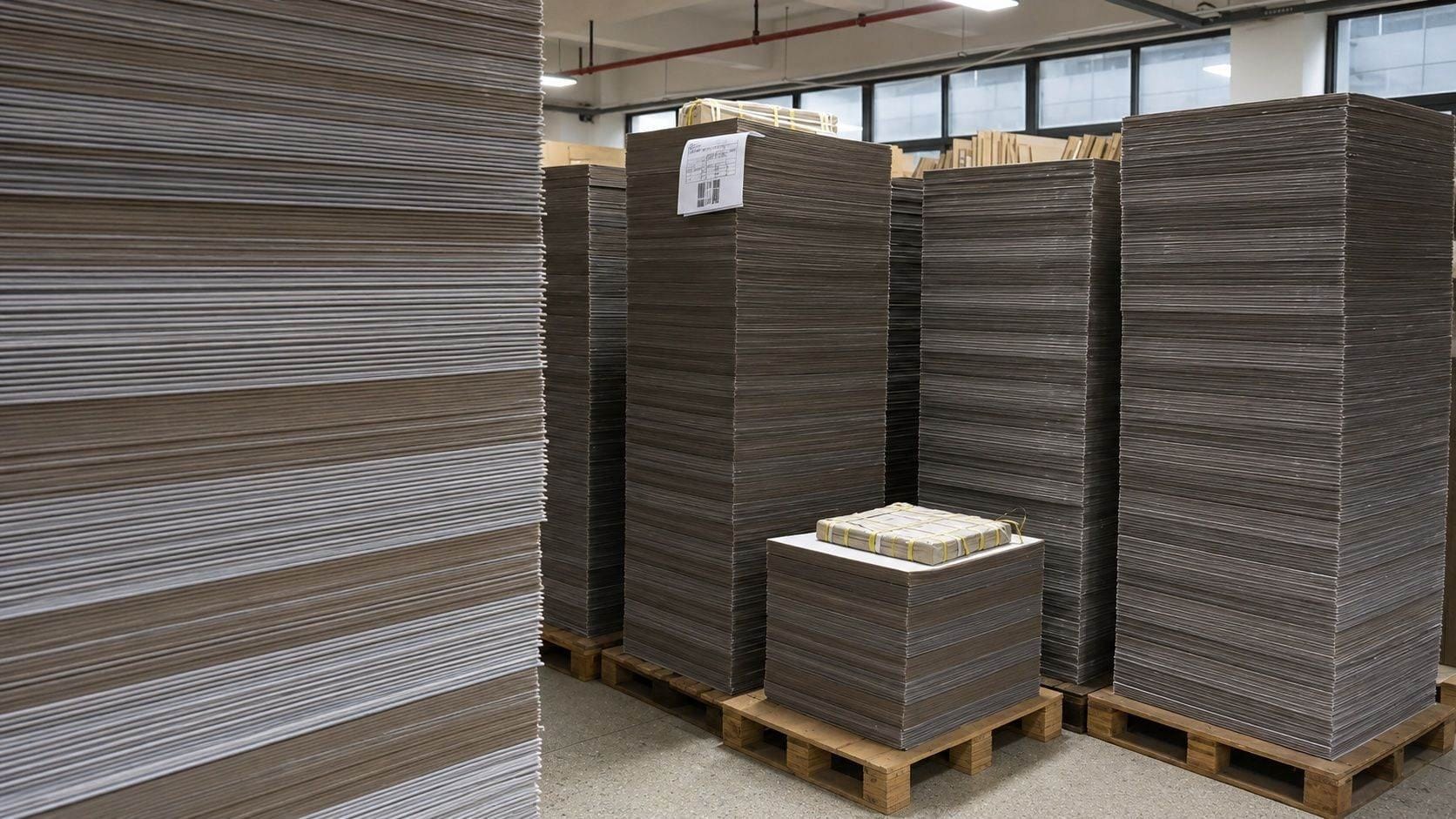
Material, structure, printing, and finishing cost drivers
When specifications are unclear, a buyer may receive quotes that vary for the same packaging design. This commercial risk arises because suppliers must guess at material grade, print complexity, or finish type. To avoid this, confirm each cost driver against a verified sample or product-family record before requesting a quote.
What changes base cost
The base cost of custom paper packaging is driven by material type (e.g., coated vs. uncoated paper), structural complexity (e.g., die-cut shapes vs. straight folds), printing method (offset vs. digital), and finishing options (e.g., embossing, foil stamping, or matte lamination). Each variable affects production setup time, waste rate, and unit price. For example, a custom hang tag with foil stamping requires a separate die and setup, increasing MOQ and per-unit cost.
What requires sample or product-family confirmation
Before finalizing a quote, the buyer must confirm that the supplier’s sample or product-family record matches the intended specification. This includes verifying material thickness, print registration tolerances, and finish durability. Without this step, production risk rises—such as color mismatch or structural failure during assembly. The factory execution depends on a signed approval record referencing the agreed sample.
For reference, the Xiamen ZHY Packing Co., Ltd paper packaging team uses ISO 2859-1 sampling inspection to ensure consistency. A typical RFQ handoff should include a question: “Does your quote assume a specific material grade and finish that matches our approved sample?” This reduces guesswork and aligns cost expectations.
For material, structure, printing, and finishing cost drivers, confirm the sample timing and bulk production schedule affected by this checkpoint before the buyer signs the approval record.
For material, structure, printing, and finishing cost drivers, see paper bags format and sample approval.
Lead time and approval timing in quote comparison
After receiving initial quotes but before approving samples, confirm a production timeline that starts only after final artwork approval and sample sign-off. Without it, lead time comparisons between suppliers are misleading.
When the 15–30 working day production lead time starts
The clock does not start when you submit an RFQ. It begins only after the supplier confirms that all artwork files are print-ready and the sample has been approved. For custom hang tags, a typical production lead time of 15-30 working days assumes no revisions. If your artwork requires adjustments—such as resizing die lines or correcting color profiles—each revision adds 2–3 working days to the timeline. To avoid delays, ask your supplier: “Does your lead time start from artwork approval or from sample sign-off?” This question clarifies the true start point and prevents misalignment in quote comparison.
How artwork and sample revisions change timing
Revisions are the most common source of lead time creep. Consider this ordered list of how each revision stage affects timing:
- Artwork revision: Each round of changes (e.g., font, barcode placement) adds 2–3 working days for file rework and re-approval.
- Sample revision: If the physical sample does not match the approved artwork (e.g., color mismatch or finish defect), a new sample cycle adds 5–7 working days.
- Production delay: If revisions are not finalized before the supplier’s production slot closes, the entire order may be pushed to the next batch, adding 10–15 working days.
To manage this risk, confirm with your supplier: “How many artwork revisions are included in your quoted lead time?” and “What is the cost per revision round?” This ensures your quote comparison accounts for potential timing changes, not just the base lead time.
Below is a summary of how revision stages impact lead time and cost, based on typical factory execution for custom hang tags:
| Revision Stage | Lead Time Impact | Cost Impact |
|---|---|---|
| Artwork revision (per round) | +2–3 working days | Often included in first round; subsequent rounds may incur a fee |
| Sample revision (per round) | +5–7 working days | May require new sample fee and shipping cost |
| Production slot delay | +10–15 working days | No direct cost, but risk of missed deadline |
When comparing quotes, ask each supplier to provide a timeline that explicitly states the start point (artwork approval or sample sign-off) and the number of revision rounds included. This transforms lead time from a vague promise into a verifiable commitment, reducing buyer decision risk.
For lead time and approval timing in quote comparison, ask whether this choice changes the minimum order quantity or order split before the buyer signs the approval record.
For lead time and approval timing in quote comparison, see custom packaging solutions.
Cost comparison table for custom paper packaging buyers
This cost comparison connects quote assumptions with artwork files, material choice, finish proof, sample sign-off, and production repeatability.
Quote assumptions to hold constant
When a quote lacks clear specification details or approval records, the buyer risks cost overruns and production delays that erode margins. Before comparing quotes, verify that each supplier has been given the same parameters: material grade, printing technique (e.g., offset vs. digital), finish type (matte lamination, spot UV, foil stamping), and dimensional tolerance. Without these constants, a low initial quote may hide expensive add-ons later—such as rush charges for sample approval or tooling adjustments for non-standard sizes.
| Specification | Cost Driver | MOQ Consideration | Production Risk | Factory Execution | RFQ / Sample Handoff |
|---|---|---|---|---|---|
| Material grade & thickness | Higher grade increases material cost | Low MOQ may limit material options | Inconsistent material can cause print defects | Supplier must source from verified mills | Request a swatch with the quote |
| Printing method | Digital for short runs, offset for long runs | Offset often requires higher MOQ | Color matching fails without proof | Pre-press proofing is essential | Insist on a digital or hardcopy proof |
| Finish & coatings | Premium finishes (spot UV, embossing) raise cost | Some finishes have minimum run lengths | Foil misalignment or coating bubbles | Inspection of first-run sample | Sign off on finish sample before production |
| Dimensions & die-cut | Custom die adds one-time cost | Standard sizes reduce MOQ constraints | Die wear can cause variation | Regular die maintenance | Confirm die compatibility with your product |
Red flags in unclear or unusually low quotes
An unusually low quote often signals omitted items: sample approval fees, tooling cost, or a minimum order quantity that is not disclosed until later. Red flags include vague descriptions like “standard paper” without specifying grammage, or a single line item for “packaging” without breakdown. For a reliable comparison, ask each supplier to provide a line-item quotation that includes material, printing, finishing, die, and sample approval costs. The Xiamen ZHY Packing Co.,Ltd paper packaging team recommends always requesting a physical sample or a detailed specification sheet before committing to a quote. This step confirms that the supplier’s execution matches your expectations and avoids hidden escalation.
For a cost comparison table for custom paper packaging buyers, see Zhypacking.
For cost comparison table for custom paper packaging buyers, confirm the sample timing and bulk production schedule affected by this checkpoint before the buyer signs the approval record.
Prepare a quote request with comparable assumptions
After receiving initial quotes but before approving samples, send a standardized quote request so all suppliers evaluate the same specifications. Without it, cost comparisons become unreliable, and production risks emerge from mismatched expectations.
What to send to Zhypacking
To obtain a comparable quote from Xiamen ZHY Packing Co.,Ltd paper packaging team, include the following in your request:
- Exact dimensions and material grade – Specify paper type (e.g., 350gsm CCNB) and box dimensions in mm. This avoids MOQ and unit cost variations due to material substitution.
- Printing and finishing details – State CMYK or Pantone, coating (e.g., gloss lamination), and any embossing or foil stamping. Each finish adds cost and may affect lead time.
- Quantity and MOQ confirmation – Confirm MOQ 200 pcs as baseline. Higher quantities reduce unit cost but increase inventory risk.
- Quality acceptance criteria – Reference ISO 2859-1 sampling inspection standard to align on defect tolerance.
Source check: ISO 2859-1 sampling inspection standard. For the Custom Paper Packaging Cost: MOQ, Print, Finish, and Lead-Time Drivers decision, these references ground the checks; record the project-specific acceptance rule, evidence owner, and approval step in the RFQ or quality file.
In conclusion
The sourcing choice for custom paper packaging comes down to how thoroughly you compare each cost driver, MOQ, and lead-time assumption against a single approved specification. Before you shortlist a supplier, verify that every quote references the same material grade, print complexity, and finish type, and confirm that the MOQ of 200 pcs applies per unique SKU. Cross-check the sample revision against the spec sheet, document the approval owner, and ensure lead time begins only after sample sign-off. This structured handoff—from RFQ to sample approval to production release—reduces the risk of quote mismatch, quality disputes, and reorder drift.
To request a quote, visit custom packaging and confirm the final specification, quote assumptions, sample approval, QC evidence, approval risk, and supplier follow-up before bulk order.
Paper packaging cost factors MOQ printing FAQ
Which specs usually change custom paper packaging cost the most?
Structure, finished size, board or paper grade, print coverage, special finishes, inserts, packing, and the number of artwork versions usually change the cost basis. Ask each supplier to identify which specification drives each line item and to flag assumptions that are not yet fixed.
How do MOQ, material, printing, finishing, sample, and packing affect quote comparison?
Compare suppliers on the same quantity per SKU and the same approved revision. Require separate lines for material, tooling or plates, printing, finishing, samples, assembly, packing, freight assumptions, and reorder charges; otherwise a low unit price may hide setup work or a different specification.
What should buyers send to compare supplier quotes on the same assumptions?
Send a controlled RFQ file with dimensions, structure, substrate, artwork, finish locations, insert details, quantity by version, packing method, delivery destination, sample acceptance criteria, and deadline. Ask suppliers to return a marked exception list so every deviation is visible before shortlisting.
RFQ handoff: For custom paper packaging cost factors MOQ printing finishing lead time, send artwork files, logo placement, material, finish target, quantity, and sample timing so print and structure can be reviewed together. Send Specs for Review.
For the next step on this route, see our paper Packaging Buyer Guide: Options, Specs, and Quote Checks.
If this stage leads into that check, compare it against our gusseted Paper Bag Quote Inputs: Cost Drivers and RFQ Checklist.
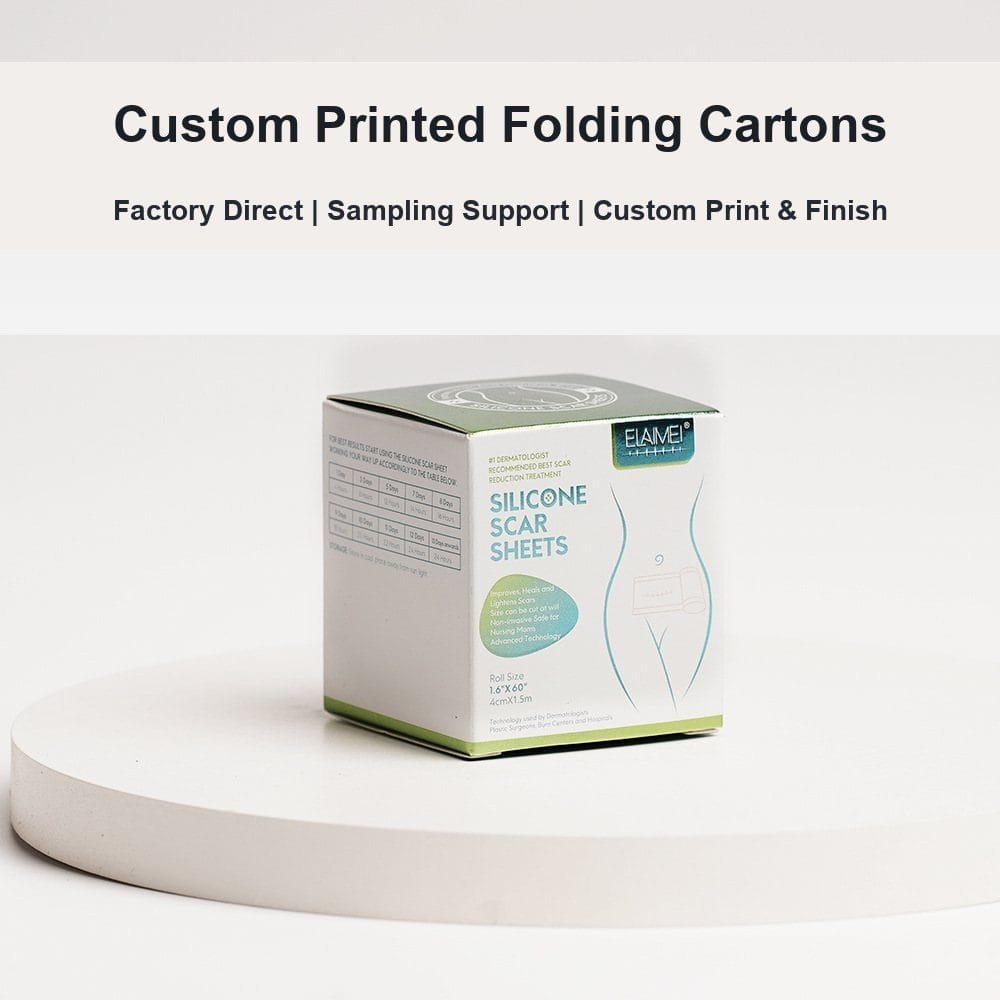
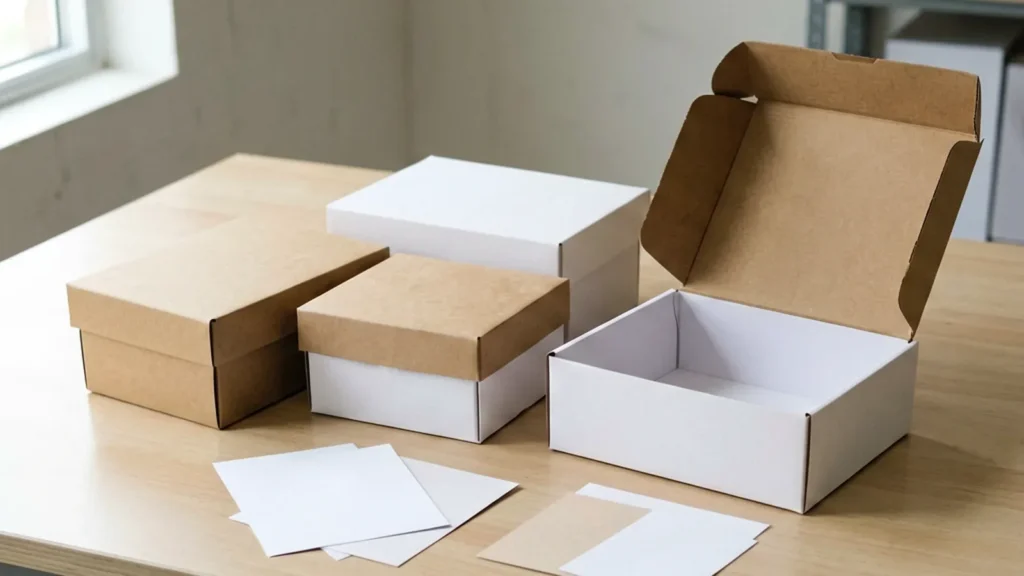
Ask a Packaging Question