
Direct answer: Quote a wine paper tube from the filled bottle’s maximum diameter, shoulder, closure, height, weight, base, orientation, and shipping configuration. Define internal clearance, wall build, end construction, insert or neck support, opening fit, label and artwork areas, pack-out, and acceptance checks. Approve the loaded tube and outer shipping pack together under one revision.
- Measure the filled bottle at its widest and highest functional points.
- Control radial fit, vertical movement, base support, and opening removal.
- Separate presentation tube performance from outer shipping protection.
- Lock tube, insert, artwork, packing, and sample evidence together.
Method and limits: ISO/IEC Guide 41:2018 frames packaging functions, and ISTA lists procedures for defined distribution contexts. Neither specifies paper-tube wall build, bottle clearance, cap fit, safe load, or shipment classification. Agree the project values with the supplier and verify the loaded pack on its intended route. Reviewed 24 August 2026.
A wine paper tube packaging fit packout checklist needs a written RFQ path before price comparison, because material, structure, print, packing, and timing all change the supplier answer.
For wine paper tube packaging fit packout checklist, the useful factory reply is specific: what material, structure, artwork, packing, MOQ, and proof must be confirmed before sampling.
Use the sections below to make the quote, sample, and supplier follow-up easier to compare.
For brand owners and importers, keep wine paper tube packaging fit packout checklist quote-ready: specs to send, proof to request, sample checks to approve, and reorder notes to retain.
Why This Choice Matters
- Bottle dimension verification prevents fit failure. Request physical fit sample with actual bottle and compare against approved spec. Supplier provides only brochure or generic video without sample. Supplier provides signed approval record with ID and wall thickness measurements.
- Supplier QC capability ensures diameter tolerance consistency. Ask for QC report from previous similar orders showing batch tolerance checks. Supplier cannot produce in-house QC records. Supplier performs in-house diameter tolerance checks on every batch and offers third-party inspection.
- Pre-production sample approval avoids bulk production misinterpretation. Capture approval in writing before production release, referencing spec revision number. No written approval record; verbal agreement only. Signed approval record with spec revision, sample photo, and both parties’ sign-off.
- Full cost breakdown prevents hidden MOQ or setup fees. Request transparent cost breakdown separating tooling, setup, sampling, and unit pricing. Supplier provides only unit price without breakdown. Supplier provides itemized cost breakdown and confirms MOQ of 200 pcs as project-level minimum.
FSC chain of custody certification tracks forest-based materials through the supply chain. For fiber-origin claims, verify the certificate scope against FSC chain-of-custody guidance. Pantone’s physical Formula Guide is a production reference for spot-color specification and approval. For printed finishes, approve production colors against the current physical reference listed in Pantone Graphics products.
Key Buying Factors
A wine paper tube must protect and present the exact bottle, closure, label, and pack-out—not an assumed standard bottle. Shape, shoulder profile, base, center of gravity, finish sensitivity, and distribution route determine whether the tube needs a simple clearance fit, a locating insert, or additional restraint. Give the supplier a real bottle or controlled dimensional record before approving structure.
| Application | Fit condition | approval risk | Spec or proof needed | buyer follow-up |
|---|---|---|---|---|
| Single bottle for retail presentation | Bottle enters and exits without label scuffing, excessive movement, or closure interference | A nominal diameter match can still fail at the shoulder, base, or decorated surface | Physical bottle-fit sample, internal-dimension record, and photographs of the loaded tube | Approve clearance, removal method, and final orientation on the signed sample |
| Premium bottle with sensitive decoration | Contact points avoid printed, coated, embossed, or labeled areas | Rubbing during packing or transport can damage the presentation surface | Insert layout, contact-point review, and handling trial using the finished bottle | Mark permitted contact zones and add them to the production QC record |
| Heavy or top-weighted bottle | Base, lid, and insert manage the load without movement or separation | Weak restraint can allow the bottle to strike the lid or damage the tube edge | Loaded sample and buyer-approved handling checks for the intended route | Confirm structure and pack-out before pricing the bulk material and labor scope |
| Gift set with accessories | Bottle and accessories remain separated, accessible, and correctly presented | Loose components can scratch the bottle, shift the center of gravity, or slow assembly | Full-component pack-out sample and a documented loading sequence | Freeze insert cavities, component orientation, and packing inspection points |
| Repeat or seasonal program | Approved fit survives artwork, bottle, or accessory revisions | Reusing an old dieline after a product change can create a hidden mismatch | Revision-controlled bottle data, dieline, insert drawing, finish reference, and retained sample record | Require a new fit check whenever any controlled input changes |
For the RFQ, provide the bottle and closure dimensions, weight, finish-sensitive areas, preferred loading direction, insert or restraint need, artwork, tube finish, lid and base expectation, accessory list, packing quantity, shipping carton arrangement, and sample-approval owner. Ask the supplier to distinguish material, tooling, printing, finishing, insert, assembly, sample, and protective-packing assumptions.
Quality approval should use the same product configuration that will be packed in production. Check insertion and removal, label and finish contact, bottle movement, lid closure, base support, insert retention, artwork orientation, surface quality, and master-carton pack-out. Record the accepted sample revision and require written approval for any structural or material deviation. Review ZHY Packing’s paper tube packaging route when submitting the bottle and pack-out specification.
For related specifications, sample inputs, and RFQ details, review paper bags format and sample approval.
RFQ checkpoint
Check the product route for sizes, structures, materials, finishes, and RFQ details before sampling wine paper tube packaging fit packout checklist.
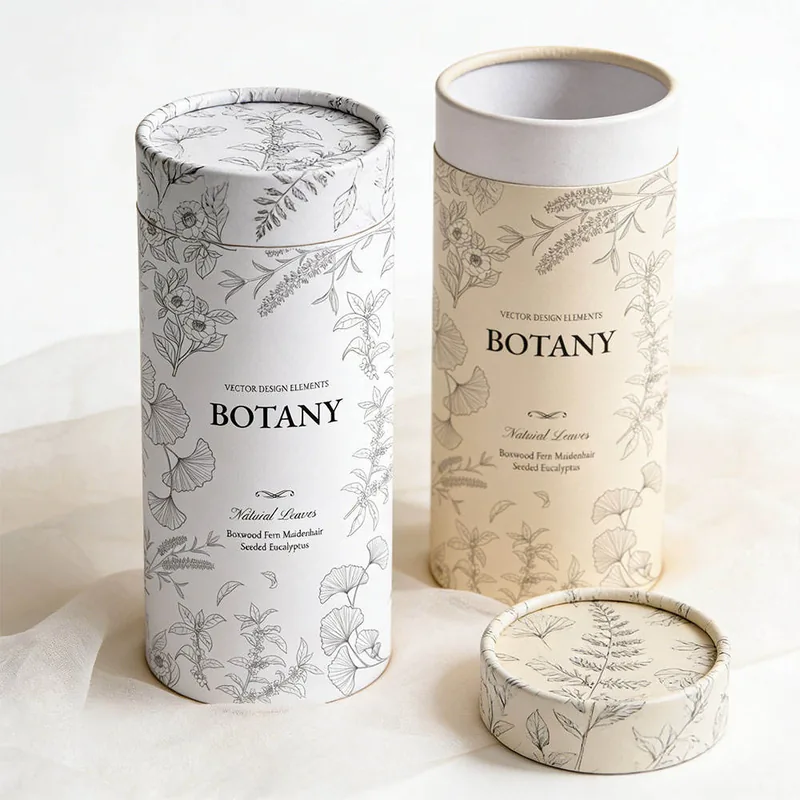
Comparison of Common Options
- Wine paper tube packaging: bottle fit and crush resistance depend on tube dimensions and material. Tube inside diameter, wall thickness, and material grade per approved sample. Diameter variance or weak wall causes bottle movement or crush damage in transit.
- Wine paper tube packaging: MOQ varies by tube size, print setup, and closure type. Project-level MOQ of 200 pcs; confirm if size or finish triggers a higher minimum. Unconfirmed MOQ can raise unit cost or block order if minimum not met.
- Wine paper tube packaging: after sample approval, handoff controls prevent production drift. Approved sample revision number, artwork version, and material reference on handoff sheet. Missing handoff records allow supplier to use unapproved materials or prints in bulk.
- Wine paper tube packaging: color, finish, or artwork changes after approval carry cost and delay risk. Freeze point: which spec elements (color, finish, artwork) cannot change after sample sign-off.
Additional RFQ items include wine paper tube packaging: supplier capability must be verified before bulk order. Verification method: approved physical sample measured against approved spec sheet. Visual mockups hide dimensional or material variation that fails in production.
Before comparing suppliers, review packaging dieline and custom packaging specs for the related product or solution route.
Common Buying Mistakes
The most common buying mistake is choosing wine paper tubes based on appearance rather than internal fit. A bottle with a tapered shoulder or non-standard neck can make a seemingly perfect tube unusable. The essential control is to provide exact bottle dimensions and request a physical fit sample before production.
Material and specification fit
Paperboard grade, liner type, and moisture barrier must suit your wine’s storage conditions. Specification mismatches in inner diameter, wall thickness, or closure lead to costly rework. Always share a detailed packaging dieline and verify that the tube accommodates the bottle’s full body, including capsule and label thickness.
MOQ, cost structure, and lead time
Buyers often focus on unit price without assessing total cost drivers such as setup fees, printing plates, and custom finishing. A low per-unit price may conceal a high minimum order quantity or extended lead time for material sourcing. Request a transparent cost breakdown and realistic lead time from the factory before committing.
Supplier reliability and quality checks
Brochures are not proof of reliability. Arrange pre-production quality checks and, if possible, third-party inspection. Request a pre-shipment sample and verify against specs to reduce execution risk and avoid pack-out failures.
For related specifications, sample inputs, and RFQ details, review ecommerce packaging solutions.
Shortlist Checklist
A wine paper tube fits your brand only when it passes three sequential checks: buyer decision, RFQ input, and production handoff. Each stage eliminates mismatches before time and money are committed.
Decision criteria to confirm
Confirm the tube’s internal diameter, wall thickness, and closure style match your bottle dimensions and shipping method. A single-millimeter discrepancy can cause breakage or a loose fit. Specify if you need a wine-specific divider or foam insert for e-commerce protection.
RFQ details to send
Your request for quote must include the exact bottle profile (height, shoulder angle, base diameter), decoration specs (foil stamping or embossing), and desired paper grade (Kraft or recycled board). Ambiguous RFQs lead to wrong prototypes and extended revision cycles.
Production handoff details
Before production, verify the factory’s execution capability: does the tube plant have in-house die-cutting for internal fitments? Are quality checks performed on every batch for diameter tolerance? A pre-production sample with your actual bottle confirms the pack-out before bulk runs. Use the paper packaging quality control‘s factory process references to align expectations.
In conclusion — Wine paper tube packaging fit packout checklist
The final approval for a wine paper tube packaging fit and pack-out hinges on verifying the bottle’s exact dimensions against the tube’s internal diameter and wall thickness, comparing the full cost breakdown rather than unit price alone, and documenting the pre-production sample approval with the supplier. Only when the spec, sample, lead-time commitment, and QC evidence are aligned in writing should the supplier be shortlisted for production.
Check that the RFQ input includes the bottle profile, decoration specs, and paper grade; compare the supplier’s proof of diameter tolerance checks and in-house QC; and document the approved sample as the handoff reference for bulk production. This checklist transforms the final decision into a repeatable, low-risk process.
To shortlist a supplier, visit paper tubes products and confirm the final specification, quote assumptions, sample approval, QC evidence, approval risk, and supplier follow-up before bulk order.
If this stage leads into that check, compare it against our primary, Secondary & Shipping Packaging: RFQ Layer Matrix.
Frequently Asked Questions — Wine paper tube packaging fit packout checklist
What should buyers confirm before ordering wine paper tube packaging fit packout checklist?
Proceed only after you confirm the bottle’s exact height, shoulder angle, and base diameter against the tube’s internal diameter and wall thickness. A single‑millimeter discrepancy in fit can cause breakage or loose closure. Request a physical fit sample with your actual bottle and verify that the tube accommodates the capsule and label thickness before ordering. The project‑level MOQ is 200 pcs; lead time is 15–30 working days after specifications, artwork, and sample requirements are confirmed.
How should buyers compare MOQ, lead time, and quote terms for Wine paper tube packaging fit packout checklist?
Compare MOQ and lead time as separate line items in the quote; the standard production lead time is 15–30 working days after specifications, artwork, and sample requirements are confirmed. Request a cost breakdown that separates tooling, setup, sampling, and unit pricing so reorder comparisons remain reliable. Confirm the MOQ of 200 pcs applies to the selected tube construction and decoration.
What sample, quality, or supplier checks reduce risk for Wine paper tube packaging fit packout checklist?
Request a production‑representative sample fitted with your actual bottle and document approval for inner diameter, wall thickness, closure, finish, and color. Without a signed approval record, the factory may interpret specs differently during bulk production. Also verify that the supplier performs in‑house diameter tolerance checks on every batch and can provide third‑party inspection if required. Keep the approved sample and spec sheet as the handoff reference for QC.
RFQ handoff: For wine paper tube packaging fit packout checklist, share product size, material, artwork, quantity, sample need, packing method, and deadline so the RFQ can be reviewed before sample approval. Send Specs for Review.
Ask a Packaging Question