
Direct answer: Approve a cosmetic paper tube only after the actual container fits and can be removed cleanly, the insert controls movement without damaging surfaces, the lid and seam work repeatedly, and print and finish match agreed physical references on production-intent material.
A tube can look correct in a rendering and still fail when the product rattles, the insert binds, the lid fit changes, or a finish scuffs at the seam.
Supplier evidence should connect product fit, insert retention, tube construction, print position, color reference, surface finish, and packing to one identified sample.
The checks below help buyers keep artwork, material, finish, and packing decisions in one approval path.
For a comparable quote, send the filled product dimensions and weight, tube and insert requirements, artwork, finish references, packing method, quantity, destination, and sample decision date.
Shortlist tube structures by product fit and pack-out
Choose the paper-tube route by product fit and approval evidence, not by finish alone. The first sample should prove that the product loads cleanly, remains located, avoids surface damage, and presents the approved finish under the buyer’s viewing conditions.
| Application | Fit condition | approval risk | Spec or proof needed | buyer follow-up |
|---|---|---|---|---|
| Primary cosmetic container in a paper tube | Container clears the opening, sits at the intended depth, and can be removed without damage | An assumed fit can create rattling, difficult removal, or label abrasion | Production-representative container, loaded sample, internal-dimension record, and fit photographs | Approve the signed fit sample before bulk structure release |
| Container with a locating insert | Insert supports the product without excessive compression or movement | Poor retention can loosen in transit or deform the primary pack | Insert drawing, material description, loaded sample, and buyer-defined handling check | Freeze insert orientation and retention criteria in the production handoff |
| Finish-sensitive premium pack | Color, texture, print, foil, coating, and seams match the approved reference | Visual drift or scuffing can cause rejection even when dimensions pass | Finish reference, artwork revision, viewing condition, and approved physical sample | Approve finish and fit together; do not release one against an outdated revision |
Proof requirements:
- Fit requirement: request the loaded sample and dimensional record from the supplier; without them, the buyer risks product movement or an unusable opening. Approve only after the actual container passes the buyer’s loading and removal check.
- Insert requirement: request the insert drawing, material identification, and retention evidence from the supplier; without them, the product can shift or the insert can deform. Carry the approved insert revision into bulk QC.
- Finish requirement: request an approved physical reference, artwork revision, and production sample from the supplier; without them, color, texture, seam, or decoration may drift. Name the approval owner and viewing condition.
- Repeatability requirement: request the factory handoff and inspection checkpoints; without them, the bulk run or reorder can differ from the sample. Require written approval for substitutions.
Send the controlled product, artwork, finish, insert, packing, and inspection inputs through ZHY Packing’s paper tubes product route before asking suppliers to finalize a quote.
FSC chain of custody certification tracks forest-based materials through the supply chain. For fiber-origin claims, verify the certificate scope against FSC chain-of-custody guidance. Pantone’s physical Formula Guide is a production reference for spot-color specification and approval. For printed finishes, approve production colors against the current physical reference listed in Pantone Graphics products.
Score insert retention, closure, print, and finish evidence
A fit or finish problem often begins with a gap between the product envelope, insert geometry, tube inner diameter, and process capability. Ask the supplier to state how those dimensions are controlled and which production-intent material the sample represents.
Supplier Proof to Verify
Request the relevant process-control record for tube forming, insert cutting, adhesive application, print, and finishing. Critical dimensions and material references should match the sample and released production specification. A visually acceptable sample does not prove an undocumented process.
Use Cases That Fit
Not every paper tube suits every product. Compare tube construction, insert contact, closure, and any moisture or shelf-life requirement with the product’s filled weight, shape, surface, use case, and distribution route. Confirm the proposed construction with an identified packed sample instead of assuming that a heavier product always needs one universal wall thickness.
RFQ and Sample Checks
Cross-check the quote, specification, physical sample, measurements, finish references, packing, and production timing. Resolve any difference before approval so the commercial offer and production handoff describe the same tube.
RFQ checkpoint
Check the product route for sizes, structures, materials, finishes, and RFQ details before sampling cosmetic paper tube packaging fit insert finish approval.
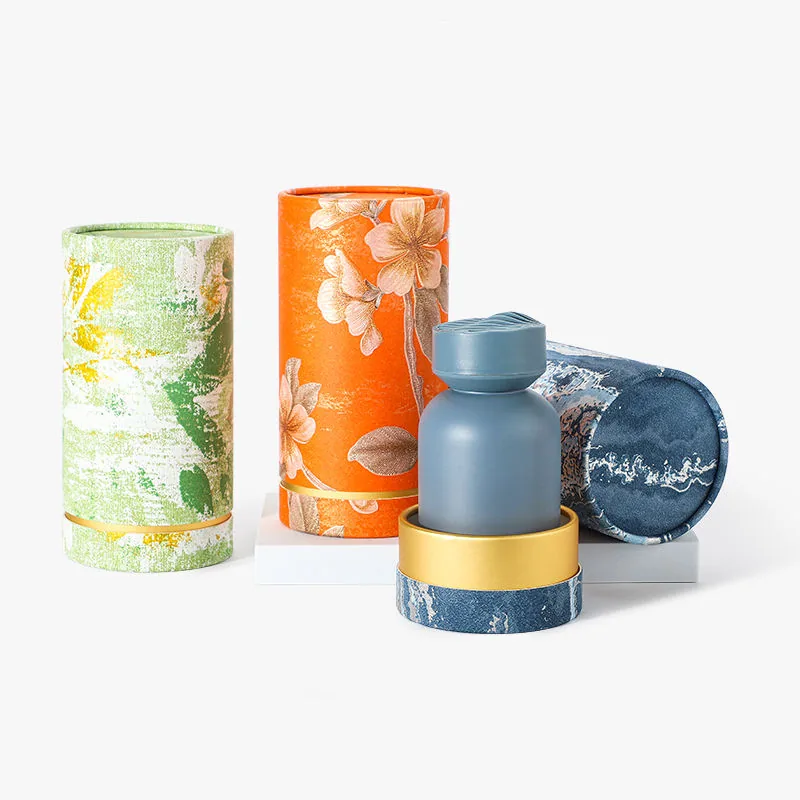
Preferred route: protect fit before adding decorative complexity
- Dimensional relationship: agree how tube inner diameter, insert outer size, product envelope, and removal clearance will be measured and accepted.
- Commercial basis: confirm whether separate minimums or setup charges apply by artwork, structure, insert, or finish before selecting the route.
- Approval ownership: record the sample, artwork, material and finish references, deviations, named approver, and supplier action for production handoff.
- Production representation: state which materials and processes the physical sample represents and which differences remain open for bulk.
Define the insert-fit inspection method, measurement points, accepted deviation, product units used, and removal check in the approval sheet. Choose tools and limits that suit the actual construction rather than copying a universal tolerance.
For related structures, sample inputs, and RFQ details, review the paper tubes product route.
Value route: simplify finishes without weakening retention
When sourcing cosmetic paper tube packaging, the best value recommendation is the supplier whose fit and finish approval passes every checkpoint in the table below. This decision rule saves time and prevents specification gaps that cause rework or rejection. The table below outlines the five critical criteria. Each must be verified before awarding the best value recommendation.
| Criterion | Verification |
|---|---|
| Specs | Confirm diameter, wall thickness, and insert compatibility match your cosmetic tube design. |
| Cost / MOQ | Ensure unit price aligns with target budget and minimum order quantity fits your launch scale. |
| Production Risk | Verify the factory has run similar paper tube jobs without defect trends or rework. |
| Factory Execution | Check that standard operating procedures cover ink registration, seam bonding, and surface finishing. |
| RFQ / Sample Handoff | Request a pre-production sample and review the RFQ response for complete spec coverage. |
Apply the checklist during RFQ and sample handoff so specification, cost, production risk, process evidence, and sample quality are reviewed against one released version.
For related specifications, sample inputs, and RFQ details, review packaging dieline and custom packaging specs.
Use three control points: define the product and tube requirements before RFQ, resolve supplier assumptions during quotation and sampling, and transfer the approved dimensions, materials, artwork, finishes, packing, and deviations into production.
Convert product dimensions and finish limits into the RFQ
The RFQ should connect artwork files, material choice, finish references, fit checks, sample sign-off, packing, and production repeatability.
Decision criteria to confirm
Before sending an RFQ, confirm the tube’s inner diameter, insert outer diameter, and desired finish (matte, gloss, or soft-touch). Specify the wall thickness and any decorating requirements such as hot foil stamping or embossing. These decisions directly affect cost, production risk, and factory execution. Use a spec sheet template to record all dimensions and finish preferences, then verify with the supplier that each parameter is manufacturable.
RFQ details to send
When submitting the RFQ, include the approved spec sheet, a reference sample if available, and clear tolerance ranges for critical dimensions. This prevents ambiguity that could lead to mismatched inserts or off‑register printing. The factory will use this input to produce a prototype for approval. Ensure the RFQ also states the required quantity range and any special packaging instructions.
Production handoff details
After the sample is approved, the final handoff to production must include a signed approval form, the approved sample, and a production checklist that mirrors the buying guide. This step eliminates production‑line surprises and ensures consistent fit and finish across the entire order.
Release bulk production only after the fit-and-finish sample passes
Source check: For fiber-origin claims, verify the supplier’s current certificate scope using FSC Search. For printed color, use Pantone’s print and packaging color-reference guidance to choose the relevant physical guide, then approve the actual tube stock and production process.
Final approval should cover the agreed relationship between product, insert, and tube; material suitability for the filled product; closure and seam function; and finish consistency under the agreed viewing condition. Document each check on a production-intent sample and retain the approved dimensions, material, and finish references.
With the specification sheet confirmed, the buyer can compare the supplier’s quote against the project-level MOQ of 200 pcs, unless a product-specific exception is confirmed, and the standard lead time of 15–30 working days after specifications, artwork, and sample requirements are confirmed. Only when these checks pass should the buyer approve the sample and lock the production handoff.
To approve a sample, visit paper tubes products and confirm the final specification, quote assumptions, sample approval, QC evidence, approval risk, and supplier follow-up before bulk order.
Frequently Asked Questions — Cosmetic paper tubes
What should buyers confirm before ordering cosmetic paper tubes?
Confirm the product envelope, filled weight, tube inner and outer dimensions, insert design, wall construction, closure, material, artwork, finish, packing, quantity, and destination. Request a production-intent packed sample and retain the approved references for handoff.
How should buyers compare MOQ, lead time, and quote terms?
Compare MOQ and lead time only after suppliers price the same structure, insert, artwork, finish, packing, and sample scope. Ask for unit price, setup and tooling, sample, packing, freight basis, payment terms, and the event that starts production timing.
Which sample and quality checks reduce risk?
Check product loading and removal, movement, insert contact, lid and seam function, critical dimensions, print position, color and finish references, and packing. Define any handling or push-out method and acceptance limit for the actual project, then retain the signed sample and QC checkpoints.
RFQ handoff: Send the product dimensions and weight, tube and insert requirements, artwork and logo placement, material and finish references, quantity, packing, destination, and sample timing. Send Specs for Review.

Ask a Packaging Question