

The sourcing record for a rigid drawer box is incomplete until it covers samples, materials, print, tolerances, certifications, and bulk-production risk.
A drawer box is approved on sleeve fit, and sleeve fit is a tolerance question. Where to measure it, and what to freeze afterwards.
Direct answer: For rigid drawer box, buyers should verify samples, materials, print, tolerances, certifications, and bulk-production risk.
What to confirm before choosing a rigid drawer box
- Confirm the supplier's rigid box forming line can handle your drawer structure. Drawer boxes need precise wrapping and corner adhesion; wrong line means warped edges. Ask for process videos or a sample run of your exact size. Delayed production or rejects if the line lacks the right tooling. Shortlist suppliers who show drawer-specific production proof.
- Verify the material board thickness and wrapping paper GSM match your spec. Thinner board or low GSM paper changes rigidity and perceived quality. Request a material sample set with caliper readings and paper weight. Boxes feel flimsy or show paper tear at corners during use. Document the agreed board and paper values in the RFQ.
- Check the QC plan for dimensional tolerance and glue seam inspection. Drawer boxes must slide smoothly; off-spec dimensions cause jams or gaps. Ask for the AQL sampling plan and defect criteria for drawer fit. Bulk boxes fail fit tests, leading to returns or rework. Approve the QC checklist before production starts.
- Confirm the supplier's experience with drawer boxes for your product category. Fragile items need inserts or dividers; experience prevents damage in transit. Review past drawer box projects or request a reference sample. Poor insert design causes product movement and breakage. Ask for a mock-up with your product to test fit.
- What QC checks do you run on the drawer box before shipment? Confirms the supplier has a documented inspection process for board thickness, glue joints, and drawer slide fit. Supplier names specific checks like caliper measurement and pull-test on the drawer track. Undetected warping or loose slides cause field failures and returns. Request a copy of the QC checklist and ask for photos of the inspection bench.
- How do you verify the drawer box dimensions and tolerance? Ensures the box meets your product's exact fit and stacking requirements. Supplier uses calibrated gauges and states a tolerance range. Oversized or undersized boxes damage the product or look misaligned on shelf. Send your product dimensions and request a pre-production sample for fit test.
- What is your approval process for the pre-production sample? Reveals whether the supplier catches issues before bulk production, not after. Supplier requires written sign-off on sample and provides a checklist of what to verify. Skipping approval can lead to mass production of a flawed design. Set a sample approval deadline and list the criteria you'll check (color, size, finish).
- How do you handle defects found during production or at final inspection? Shows the supplier's commitment to quality and their process for rework or replacement. Supplier has a clear defect rate threshold and a rework protocol. Poor handling of defects can delay your launch and increase costs. Ask for their defect rate history and a written policy on defective units.
- What experience does your factory have with rigid drawer boxes specifically? Confirms the supplier has the right equipment and skills for this box style. Supplier cites past projects, shows production line footage, or provides references. Inexperienced suppliers may struggle with the drawer mechanism or wrapping quality. Request a factory tour (virtual or in-person) and ask for client references.
Rigid drawer box specs premium buyers should confirm
For rigid box, use a release rule: approve only when the supplier evidence matches the written requirement.
- No documented QC checkpoints for board thickness or glue adhesion: Without checks, drawer boxes may warp or separate during transit, damaging your brand. Request their QC checklist and ask how they measure board caliper and glue strength. QC checklist with pass/fail criteria and any calibration records. Verify the checklist covers incoming material and final assembly.
- Supplier approves artwork without a physical proof or mock-up: Color and finish can shift on rigid board; digital proof alone misses real texture and foil alignment. Insist on a physical pre-production sample before bulk production. Physical sample with your exact Pantone, finish, and insert. Sign off the sample in writing before production starts.
- Supplier cannot state exact board GSM or thickness for the drawer box: Vague specs lead to flimsy boxes that fail premium expectations. Request the exact board weight and thickness for each panel. Material spec sheet or mill certificate. Confirm the spec matches your custom packaging solutions requirement.
- Supplier has proven experience with drawer-box construction, including lid-base alignment and drawer glide tolerance. Request case studies or sample sets of similar drawer-box constructions, plus a factory tour or video showing drawer assembly and quality checks. Supplier's sales or engineering team, with support from production or QC. Inexperienced suppliers may produce misaligned drawers or loose fits, leading to returns and brand damage. Shortlist suppliers who can provide visual proof of drawer box production and request a pre-production sample.
- Quality control includes dimensional checks on drawer and outer sleeve, plus tolerance verification for smooth sliding action. Ask for QC checklists or inspection reports that include caliper measurements and drawer pull-force tests. Supplier's quality control department. Without dimensional QC, drawers may stick or rattle, undermining the premium unboxing experience. Request a copy of the QC checklist and agree on pass/fail criteria before bulk production.
- Approval process includes a pre-production sample that matches your specified material, finish, and dimensions. Request a physical sample or high-resolution photos with a signed approval sheet confirming specifications. Supplier's sample room or production team. Skipping sample approval can lead to bulk production with wrong materials or colors, causing costly rework. Require a signed sample approval before authorizing mass production.
- Specification details include exact dimensions, board thickness, paper wrapping, and finish (e.g., soft-touch lamination, foil stamping). Request a detailed spec sheet or technical drawing with tolerances and material callouts. Supplier's engineering or design team. Vague specs can lead to misinterpretation and a final product that doesn't meet your brand standards. Provide a complete spec sheet and ask the supplier to confirm every detail in writing before sampling.
RFQ checkpoint
Buyers can use these references to prepare artwork, size, material, finish, and quantity details for RFQ.
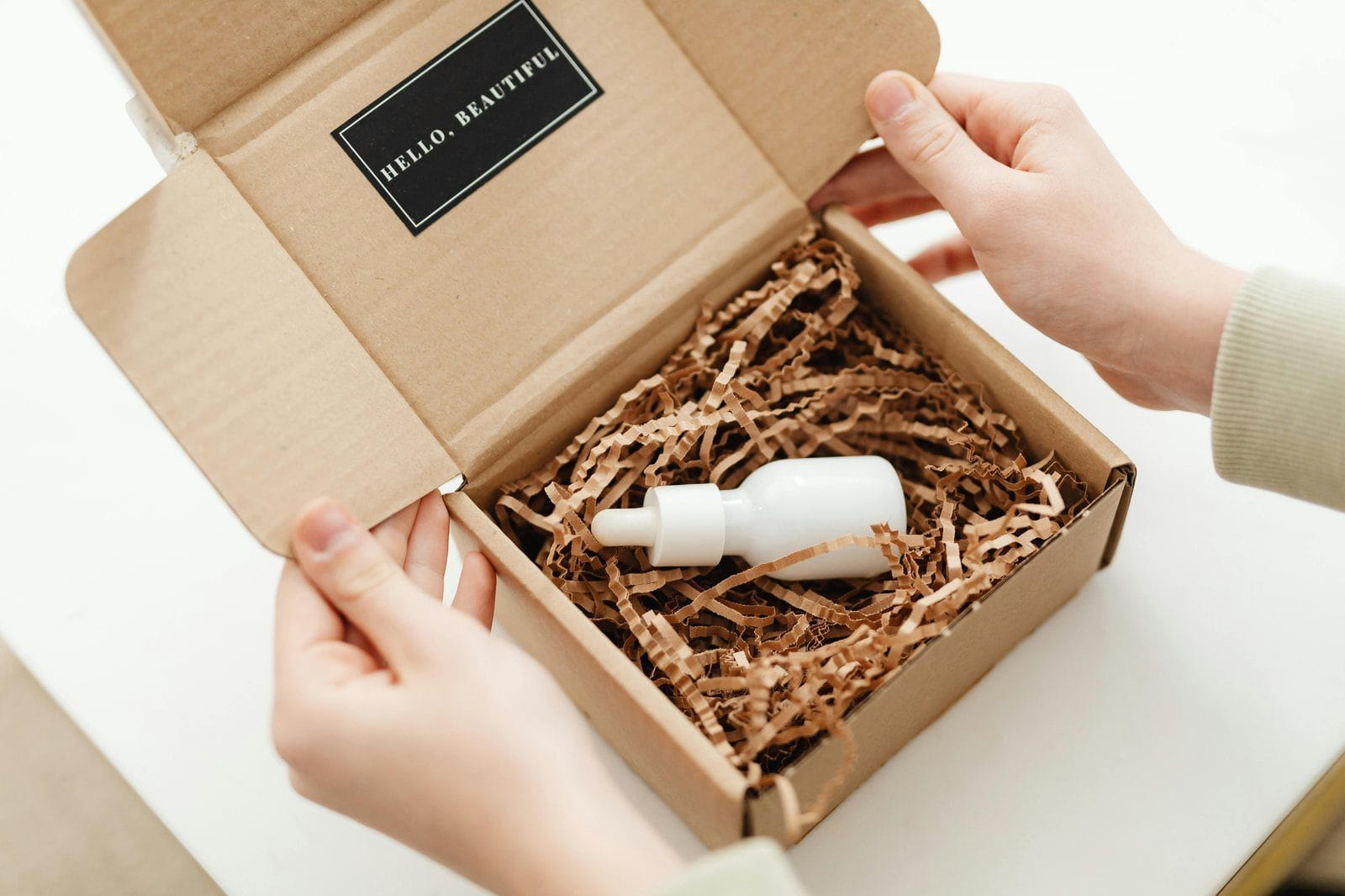
How rigid drawer box choices affect launch timing and approval
Treat the marked sample as a release record, not only a visual reference. The approval should show how the sleeve and tray move together, how the insert holds the product, and which evidence controls later production.
- Decision point: sleeve movement is smooth and repeatable. Risk to avoid: a tight drawer can jam while a loose drawer can feel unstable. Proof or check method: open and close samples from different positions, record drag or sticking, and compare them with the marked reference. Buyer action: approve the fit or request correction before release.
- Decision point: the insert restrains the product without visible pressure damage. Risk to avoid: movement can scuff the product, while excess compression can deform it. Proof or check method: load the real product, rotate and handle the box, then inspect contact points. Buyer action: photograph the accepted orientation and retain the sample.
- Decision point: wrap, edges, pull feature, and alignment remain consistent through repeated use. Risk to avoid: lifting edges or misalignment can become a visible batch defect. Proof or check method: inspect corners and seams under consistent light and repeat the opening cycle. Buyer action: list any allowed visual boundary in the approval record.
- Decision point: all reviewers sign the same revision. Risk to avoid: conflicting comments can delay release or authorize the wrong sample. Proof or check method: reconcile the marked sample, review photos, and change log. Buyer action: close every open comment before handing the record to production.
This check block turns subjective feel into repeatable evidence that procurement, quality, and the factory can use at the same approval gate.
Freeze the approval baseline before production
At the sample approval checkpoint, the record needed before the next stage is a written baseline that defines every measurable requirement for the rigid drawer box. Without this baseline, bulk production runs on subjective judgment, which is a common source of rework and delay.
What the baseline must record
Document the following in a shared approval sheet, signed by both your team and the factory:
- Sleeve fit tolerance: specify the allowable gap between the drawer and sleeve and the force required to open/close.
- Insert dimensions: record the exact thickness, depth, and placement of foam, plastic, or paperboard inserts, including cutout tolerances.
- Material and finish specs: list board thickness, wrapping paper type, coating, and color values (e.g., Pantone) with acceptable deviation.
- Corner and edge quality: define acceptable seam gaps, edge sharpness, and any allowable visual defects.
- Sampling plan: reference ISO 2859-1 for inspection levels and AQL values to be used during production.
Checks before bulk release
Before approving the sample for mass production, verify the following:
- Measure the sleeve fit on at least 10 samples; record the average and range.
- Test insert placement with the actual product to confirm a secure but removable fit.
- Compare the sample against the written baseline line-by-line; any deviation must be approved in writing.
- Confirm that the factory has the same baseline document and that their QC team will use it during production.
Use the packaging dieline and custom packaging specs to set realistic limits. Freezing the baseline now prevents costly mid-production corrections and keeps your launch schedule intact.
Hand off the approval into production
At the sample approval checkpoint, the record needed before the next stage is a signed-off sample and a written production handoff record. This record is the bridge between the approved rigid drawer box and the factory floor. Without it, the production team may interpret sleeve fit, insert depth, or material finish differently, causing rework and delays.
Handoff records for production
The handoff record should capture the exact specifications that were approved, including sleeve dimensions, insert tolerances, and material callouts. It must also note any deviations from the original RFQ, such as a change in board thickness or a revised size. This document becomes the reference for the production line and for quality checks.
To ensure a smooth transition, include the following in the handoff record:
- Approved sample reference number and date.
- Final sleeve and insert dimensions with tolerances.
- Material and finish specifications, including any color codes.
- Packing method and carton quantity per master.
- Sign-off from both the buyer and the factory quality manager.
Reorder references
For reorders, the handoff record serves as the baseline. It allows the factory to replicate the approved sample without re-approval, provided no changes are made. If a reorder requires a change, a new sample approval must be initiated. This prevents production from proceeding on outdated specifications.
Using a standardized handoff record also reduces production risk. It ensures that the factory executes the order according to the approved sample, not from memory or verbal instructions. This is especially important for rigid drawer boxes, where sleeve fit and insert proof are critical to the final product’s integrity.
When you are ready to move to production, confirm that the handoff record is complete and that the factory has acknowledged it. This step is your final checkpoint before the production line starts.
Source check: ISO 2859-1 sampling inspection standard; Order Custom Rigid Drawer Boxes with No MOQ.
In conclusion
Before you approve a rigid drawer box for production, verify that every specification—greyboard thickness, wrapping paper, insert style, and surface finish—is documented in the sample approval form and handoff record. Compare the measured dimensions and tolerances against your original quote request, and confirm that the MOQ of 200 pcs and the 15–30 working day lead time, counted after specs, artwork, and sample requirements are confirmed, are locked into the purchase order. A signed sample approval form with the unique sample ID and the exact approved specifications is your baseline for reorders and the first line of defense against production drift.
For supplier risk, shortlist factories that can show you their QC sampling plan, ideally aligned with ISO 2859-1, and ask for a documented handoff record that captures the approved sample’s measurements, board thickness, and finishing details. This record ensures the factory and your team are aligned before mass production, reduces the chance of costly rework, and gives you a clear reference for future orders. By checking these details at the sample stage, you protect your brand’s packaging quality and avoid surprises in cost, lead time, or final appearance.
Rigid drawer box FAQ
Which specs decide whether a rigid drawer box fits a bulk buying project?
For rigid drawer box, turn the answer into a written quote request note: intended use, size, material, finish, packing method, and approval owner. Ask the supplier what sample proof or QC record will confirm the same result in production. A vague answer can turn into quote mismatch, sample delay, packing damage, or repeat-order drift.
What should buyers verify with the supplier before ordering rigid drawer boxes at scale?
Before scaling, verify the supplier’s MOQ (Zhypacking’s project-level MOQ is 200 pcs) and the standard production lead time of 15–30 working days after specs, artwork, and sample requirements are confirmed. Ask for a breakdown of tooling costs, per-unit pricing at your volume, and any setup charges. Also confirm the supplier’s capacity for your order size and their process for handling overruns or defects. Request a written specification sheet that lists board type, thickness, wrap material, and finish, and have the supplier sign off on it before production.
What sample or packing checks reduce risk before confirming rigid drawer box production?
Request a pre-production sample that matches the exact production process, not a hand-made mock. Check the drawer slides smoothly without sticking, the sleeve fits without gaps, and the insert holds the product securely. Verify the print registration, color accuracy, and finish (matte, gloss, soft-touch) against your approved artwork. Also inspect the sample for any warping, scuffs, or glue marks. For bulk orders, ask for a packing test to confirm the boxes survive transit without crushing or scratching. Approving the wrong structure or supplier proof can create quality, cost, or delivery problems.
Which sample or QC proof should buyers request?
Ask for a signed sample approval form that documents the measured dimensions, board thickness, and finish. Request a QC report from the supplier covering the key checkpoints: sleeve fit, drawer alignment, and insert placement. If possible, get a video or photos of the sample being tested for slide and fit. For paper packaging quality control, also request a drop test or compression test result if your product is heavy. Keep the approved sample as your reference standard for production and incoming inspection. Approving the wrong structure or supplier proof can create quality, cost, or delivery problems.
How should buyers record finish, alignment, and approved-sample references for consistent bulk reorders?
Create a shared approval sheet that lists the approved sample’s unique ID, the date, and the exact specifications (dimensions, board thickness, wrap, finish). Record the measured tolerances for sleeve fit and drawer slide, and note any deviations that were accepted. For reorders, reference this sheet and request a new sample only if there are changes in artwork, material, or structure. Also document the supplier’s QC checklist and the inspection criteria you’ll use for incoming batches, so every bulk order is compared against the same standard.
quote request handoff: Send Specs for Review.
For the next step on this route, see our perfume Paper Box Checklist: Rigid, Folding, Insert, or Sleeve?.

Ask a Packaging Question