

Direct answer: Choose the structure around the filled bottle, cap, pump, glass weight, presentation level, sales channel, and shipping pack. A folding carton suits lightweight retail protection; a rigid box adds presentation and assembly; an insert controls bottle movement; a sleeve adds branding but little independent protection. Quote and test the selected layers as one loaded system.
- Measure the filled bottle, cap, pump, and widest glass points.
- Separate retail presentation from transit protection.
- Check insert retention, removal, rubbing, closure, and pack-out.
- Confirm transport and market requirements outside the visual sample review.
Method and limits: The packaging-function framework in ISO/IEC Guide 41:2018 and the distribution procedures listed by ISTA support reviewing presentation and protection together. They do not select a structure or establish transport classification for a perfume product. Obtain product-specific shipping and regulatory advice, then verify the loaded pack on the intended route. Reviewed 24 August 2026.
A perfume paper box order needs a written RFQ path before price comparison, because material, structure, print, packing, and timing all change the supplier answer.
For perfume paper boxes, the useful factory reply is specific: what material, structure, artwork, packing, MOQ, and proof must be confirmed before sampling.
Use the sections below to make the quote, sample, and supplier follow-up easier to compare.
What buyers should confirm before choosing perfume packaging paper box rigid folding
Choose the structure from the bottle, retention method, opening sequence, retail presentation, and packed handling route. Supplier capability matters only when it is demonstrated on the selected structure with the actual bottle loaded.
| Route | Best starting fit | Proof to request | Failure to prevent |
|---|---|---|---|
| Rigid box | Heavy bottles, presentation sets, deep inserts, or a premium opening sequence | Loaded closure sample, wrapped-edge condition, insert retention, and assembly evidence | Bottle movement, exposed seams, crushed corners, or slow inconsistent assembly |
| Folding carton | Retail units, efficient flat converting, printed panels, or simpler pack-out | Dieline proof, fold and glue sample, bottle clearance, print registration, and carton packing | Panel bowing, glue failure, poor fit, or damage around the cap and shoulders |
| Sleeve and tray | Controlled reveal, discovery sets, or a sliding opening around a retained bottle | Loaded slide action, tray stop, removal access, finish rub, and orientation after handling | A tray that slides too freely, jams, scuffs, or releases the bottle |
The RFQ should also cover insert-led systems, where the failures to prevent are rotation, difficult removal, crushed decoration, or component collision.
- Ask who controls structural conversion, insert production, print and finish, assembly, and final inspection.
- Request a loaded sample and evidence for the checkpoints that decide fit, presentation, and pack-out.
- Record any outsourced process, accepted deviation, and named owner before sample approval.
Map bottle fit, insert retention, finish limits, and pack-out needs
- Confirm perfume box style based on bottle geometry and display requirements. Ensures fit and protection for premium fragrance products. Check if rigid box or folding carton suits bottle shape and retail unboxing. Mismatched box leads to returns and damaged brand perception.
- Verify all structural specs, material grades, and finish options in RFQ. Prevents re-quoting and delays from incomplete specifications. Include box dimensions, board thickness, paper type, and coating. Supplier may quote on wrong specs, causing cost overruns.
- Confirm packaging artwork, structural die-line, and approval sign-off. Ensures first production run matches approved sample. Verify paper color, foil stamp positioning, and insert fit. Production errors lead to rework and missed launch dates. Require written approval on die-line proof and final artwork.
- Document exact box dimensions, material thickness, and finishing methods. Provides measurable quality benchmarks for QC inspection. Specify GSM, flute type, lamination, and embossing areas. Vague specs cause inconsistent output across batches. List all critical dimensions on a spec sheet with tolerances.
Confirm project-level MOQ of 200 pcs unless product-specific exception confirmed. Sets minimum order commitment and affects unit cost. MOQ per custom paper box is 200 pcs; check for rigid box insert minimums. Order below MOQ may incur setup fees or be rejected. Standard production lead time is 15–30 working days after final approval. Aligns packaging delivery with production schedule and launch. Lead time starts after specifications, artwork, and sample requirements are confirmed. Unplanned lead time delays product launch or increases storage costs.
Decision criteria to confirm
Check whether the approved artwork, structure, finish, and packing record match what the supplier will repeat in production.
RFQ details to send
Send the RFQ with the artwork file, finish target, board choice, and packing notes so the sample is judged against one buyer-approved record.
Production handoff details
Move the approved perfume box sample into a production handoff that lists the final files, material, structure, print, finish, packing, QC checkpoints, and schedule basis.
paper box size options gives related product context for these specs.
RFQ checkpoint
Send bottle dimensions, weight, closure clearance, channel, structure preference, insert requirement, artwork status, quantity, and sample proof needs.
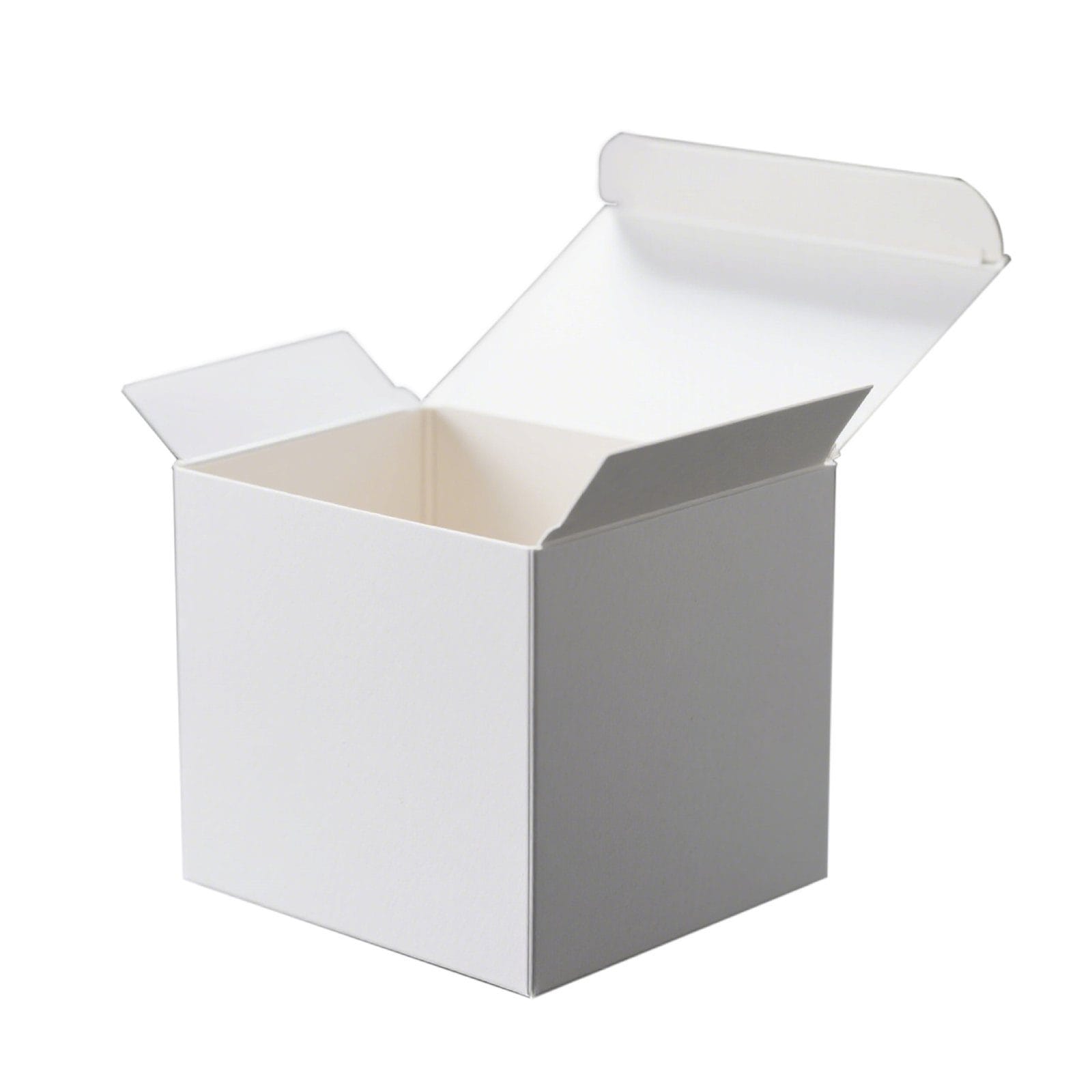
Compare rigid, folding, sleeve, and insert routes against launch constraints
Move the chosen rigid box, folding carton, insert, or sleeve route through four approval gates. The launch stays controllable when each gate names the evidence, approver, open deviation, and release decision.
| Approval checkpoint | Failure to prevent | How to verify | Approval rule | Buyer action |
|---|---|---|---|---|
| Loaded structural sample | Bottle movement, blocked removal, cap contact, or closure interference | Load the actual bottle and check orientation, retention, clearance, removal, closure, and movement | Release only when the bottle remains secure and the opening action does not damage presentation | Approve the sample revision or return a written correction list |
| Artwork and finish | Misregistration, color drift, misplaced decoration, surface damage, or exposed seams | Review print position, registration, color reference, foil or emboss placement, surface condition, and seams on the physical sample | Approve against one named artwork and finish reference | Record the accepted reference and every open deviation |
| Packed configuration | Insert shift, accessory collision, scuffing, wrong orientation, or carton damage | Pack the final insert, accessories, protective layers, labels, and carton orientation, then apply the buyer-defined handling check | Release only when the packed system retains the approved presentation | Keep packed photos and the check result with sample approval |
The RFQ should also cover production handoff: Issue one written handoff and request supplier acknowledgment.
Place the approval milestones before the confirmed production window and shipping buffer, then review cosmetics and beauty packaging options for the final RFQ handoff.
paper bags products specification page gives related product context for launch planning.
- Decision matrix: choose the perfume box structure only after product fit, customization scope, quote assumptions, sample approval, and reorder control are comparable.
- Best-for check: match the perfume box structure to the use case and approved specification before comparing price.
- Trade-off check: compare buyer control, development scope, cost drivers, lead-time assumptions, quality risk, and repeat-order consistency.
In conclusion
Choose rigid, folding, insert, or sleeve packaging from the bottle geometry, retention need, display intent, handling route, and evidence available for sample approval. The main failure is approving appearance while bottle movement, closure interference, or finish repeatability remains unresolved.
Before requesting production, confirm the route-specific minimum, production start trigger, approved sample revision, inspection checkpoints, packing basis, and open deviations in writing. Continue through the cosmetics beauty packaging solutions when those inputs are ready for an RFQ.
Perfume packaging paper box rigid folding FAQ
Which paper box structure fits a perfume bottle?
Match the structure to bottle geometry, filled weight, cap clearance, presentation, packing, and channel. Rigid boxes support a more substantial presentation, folding cartons reduce material and shipping volume, and sleeves add an opening layer without replacing retention.
When does perfume packaging need an insert?
Use an insert when the bottle can move, rotate, contact the wall, or arrive in the wrong orientation. Define the cavity, finger access, neck or cap clearance, material route, and removal action before approving the dieline.
Which sample or QC proof should buyers request?
Check filled-bottle fit, movement, cap clearance, insert retention, removal, closure, edge condition, print registration, finish adhesion, and packed handling. Record the accepted sample version and any deviations.
How should buyers compare MOQ, lead time, and quote terms?
Compare the same bottle dimensions, structure, insert, material, finish, quantity, sample stage, and carton packing. Ask the quotation to confirm tooling, minimum, bulk start condition, production range, and freight basis.
If this stage leads into that check, compare it against our cosmetic Product Miniature Folding Solutions: Options and RFQ Checks.


Ask a Packaging Question