
The sourcing record for custom shipping boxes with company logo is incomplete until it includes quote-ready specifications prepared before contacting suppliers.
Print quality and box strength pull against each other on a shipper. The sample check has to cover both, not only the one you can see.
Direct answer: For custom shipping boxes with company logo, buyers should prepare quote-ready specifications before contacting suppliers.
What to confirm before choosing custom shipping boxes with a company logo
Compare these requirements for custom shipping boxes with a company logo against one RFQ revision. Each row should identify the requirement, approval evidence, and buyer action before production.
| Requirement | Factory control | Evidence to verify | Order risk | RFQ follow-up |
|---|---|---|---|---|
| Artwork or logo file | Factory must confirm vector format, color mode, and resolution before print. | Request a PDF proof with the logo placed on a box template. | Low-resolution files cause blurry logos and reprint costs. | Ask supplier for artwork specifications and submit files for preflight check. |
| Sample approval | Supplier must produce a pre-production sample for buyer sign-off. | Inspect sample against approved artwork and dimensions; measure with calipers. | Unapproved samples lead to mass production errors and delays. | Request a physical sample and approve in writing before production. |
| Material / substrate | Factory must specify material type, flute, and basis weight. | Ask for material data sheet and verify with a sample cut. | Wrong material affects durability and shipping protection. | Confirm material grade and request a swatch for testing. |
| Width or size tolerance | Factory must state acceptable tolerance for dimensions. | Measure sample dimensions and compare to spec sheet. | Oversized or undersized boxes cause product damage or extra void fill. | Document tolerance limits and verify on sample approval. |
| Finish or color control | Supplier must define color standard (Pantone) and finish (matte/gloss). | Use a spectrophotometer to check color against approved standard. | Color shifts or finish defects reduce brand consistency. | Approve a color standard and request a finish sample. |
For custom boxes, use this table as the decision scope. Read the rows as one approval sequence. Start with artwork or logo file; use the risk and buyer-action columns to decide whether its evidence is sufficient. Verify it with the inspection method and approval evidence recorded in the table.
For this custom boxes sourcing record, keep the supplier response, marked sample, and approval owner under the same revision number. If any proof conflicts with the approved record, hold the quote, sample, or production release until the supplier explains the deviation in writing. Before closing the checkpoint, reconcile the latest drawing, sample, quotation, and approval comments, identify which record controls if they disagree, and document the resolution. Carry the signed requirements table into the purchase order and production handoff so the same checks support quote comparison, sample approval, shipment release, and later reorders.
What the box must carry
The box must physically protect the product during transit while presenting the brand. Confirm the box style, flute type, and board strength match the product weight and fragility. Also verify that the box dimensions accommodate the product with adequate cushioning. These structural choices affect cost, durability, and unboxing experience, so they require explicit supplier confirmation before production.
Logo and print requirements
Print quality hinges on the logo file format, color profile, and placement. The supplier should confirm the print method (flexo, digital, or litho) and the achievable color gamut. For consistent branding, agree on a Pantone reference and request a printed proof on the actual substrate. This avoids mismatches between screen colors and the final box appearance.
Questions to confirm before ordering:
- What are the exact internal dimensions and board grade for the box? Dimensions and board grade determine protection, stacking strength, and cost. Supplier provides a spec sheet with tolerances and ECT or burst strength. Undersized or weak boxes lead to damage and returns. Send your product dimensions and weight for a recommended spec.
- How is the logo printed and what color accuracy is guaranteed? Print method and color proofing affect brand appearance and consistency. Supplier offers a digital or press proof and states a color tolerance. Logo colors may shift in bulk, hurting brand image. Request a printed sample and approve color before production.
- What quality checks are performed on the printed boxes before shipment? Inspection steps ensure print quality, structural integrity, and quantity accuracy. Supplier lists specific QC steps: visual inspection, dimension check, drop test. Defective boxes reach your customers, causing returns and complaints. Ask for a pre-shipment inspection report or third-party inspection option.
- What is the lead time from sample approval to bulk delivery? Lead time affects your inventory planning and launch schedule. Supplier gives a clear timeline, e.g., 15–30 working days after approval. Delays disrupt your shipping operations and customer promises. Confirm the lead time in writing and build in buffer for delays.
- Can the supplier handle reorders with the same specifications and quality? Consistency across reorders is critical for ongoing brand presence. Supplier keeps a job file and offers a reorder process with sample check. Variation in color or dimensions across batches undermines brand trust. Ask for a reorder policy and a sample from the first production run.
Before you request a quote, define the product's dimensions, weight, and fragility. This determines the box size, board grade, and flute type. For heavy items, double-wall construction may be necessary. Confirm the box's internal dimensions leave room for cushioning. A clear spec prevents under-engineering and avoids damage during transit.
Your logo's colors, placement, and finish need precise specification. Ask for a printed proof on the actual board to check color accuracy. Discuss whether you need full-bleed printing or spot colors. Confirm the print method—flexo or digital—and its effect on cost and durability. A signed proof becomes your quality benchmark for bulk production.
Which shipping box structure fits the order
Build the custom boxes RFQ around box dimensions, flute type, and board strength. Match every listed buyer input to written supplier confirmation, approval evidence, and the risk that would hold the quote.
- Confirm box dimensions, flute type, and board strength: Defines structural integrity and shipping protection. Single-wall for light items, double-wall for heavy loads. Boxes crush or add unnecessary freight cost. Send dimensions and weight to supplier for recommendation.
- Verify MOQ and order quantity: MOQ affects unit price and production planning. Order below MOQ delays production or raises cost. Confirm minimum order and adjust quantity before quoting.
- Clarify lead time and production schedule: Ensures boxes arrive before your shipping deadline. Standard production takes 15–30 working days after specifications, artwork, and sample requirements are confirmed. Late delivery disrupts your fulfillment. Request lead time and align with your launch date.
- Identify cost drivers and request breakdown: Reveals where savings are possible without cutting quality. Printing, material grade, and finishing affect price. Hidden costs inflate the final quote. Ask for itemized quote to compare options.
- Plan buyer follow-up for sample approval: Sample sign-off prevents bulk production errors. Check packaging dieline and custom packaging specs, print color, and structural strength. Flaws repeat across the entire order. Set a sample review date and feedback deadline.
Single-wall and double-wall choices
Single-wall boxes suit lighter items and reduce material cost. Double-wall adds strength for heavier products or stacking. Compare the product weight, shipping distance, and stacking load before choosing. A quick crush test on a sample confirms the right board. This decision directly affects damage rates and freight spend.
Structure signals by product
Fragile electronics need double-wall with inserts; apparel can use single-wall mailers. Books and heavy parts demand stronger board and tighter tolerances. Match the structure to the product's fragility and weight. Ask the supplier for a structural recommendation based on your item's dimensions and handling path. Confirm the chosen structure survives a drop test.
Protection checks buyers should request
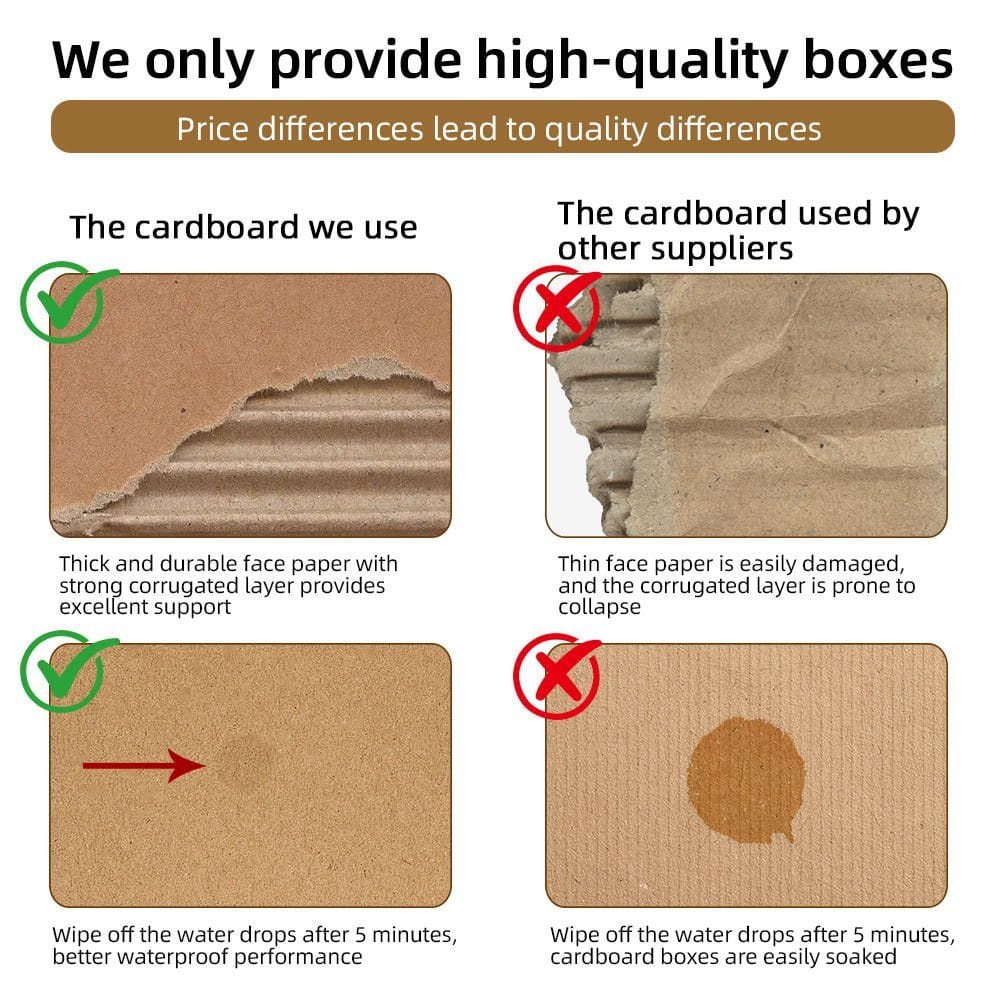
For custom shipping boxes with company logo, approve the sample only after verifying that the box’s edge crush test (ECT) rating meets the minimum required for your product’s weight and stacking height during transit.
Strength checks on the sample
Strength checks must include a physical ECT test or a certificate from the supplier. Request the ECT value and confirm it matches the box construction. A mismatch indicates production risk—boxes may crush under load. Ask the supplier for the exact ECT rating and note that it correlates with box cost and material grade.
Transit and stacking checks
During transit simulation, the box must withstand vertical stacking for a duration specified in the quote request without deformation. Request a stacking test report that includes the actual filled weight and pallet pattern. This verifies factory execution and reduces the cost of damage claims. Include flute direction (vertical vs. horizontal) as a parameter.
- ECT rating: Supplier test certificate; Low (sample only); High if missing
- Stacking test: Report with duration and load; Medium (lab cost); Medium if fails
- Flute direction: Confirm vertical orientation; None; Low if correct
Include these checks in your quote request and sample handoff documents. The Zhypacking editorial team recommends using a standard checklist to avoid missed steps. For additional protective packaging, consider combining with custom printed tissue paper products.
Lock artwork, color, and finish evidence
Before approving custom shipping boxes with company logo, the factory must provide a physical or digital proof that matches your PMS color code, artwork file, and finish specification. This evidence—typically a printed sample or spectrophotometer reading—makes the decision verifiable and prevents costly reprints.
Artwork and color evidence
Request a color density report and a mock-up showing the logo placement, bleed, and die-cut line. The factory should confirm that the CMYK or PMS values match your brand guidelines within a buyer-approved color tolerance. If the proof shows misregistration or color shift, reject it before production.
Finish and label checks
Inspect the finish sample for gloss level, coating uniformity, and adhesion. For corrugated boxes, verify that the linerboard accepts the print without cracking. A table of common finish defects helps you flag issues early:
- Scuffing: Low coating cure; Request UV or aqueous coating test
- Peeling: Poor ink adhesion; Run tape pull test
- Color mismatch: Ink batch variation; Require spectrophotometer report
After locking the evidence, sign off on a production sample and retain a sealed reference. This handoff ensures the factory executes to the approved standard and reduces risk during quote request and bulk production.
Review custom packaging solutions once artwork, color, and finish evidence is locked.
Hand off the approval into the order
When you sign off on a custom shipping box with your company logo, the risk is not the artwork—it is the gap between what you approved and what the factory actually builds. A sample can look perfect on the desk, yet the production run may use a different flute, a lighter board, or a printing method that shifts your logo color. The control that prevents this is a written handoff document that ties every approved element to the production order.
What the handoff must carry
The handoff must include the approved sample reference, the exact artwork file version, the agreed board grade and flute type, the print finish (e.g., water-based or UV), and the structural drawing with dimensions. It should also state the approved color standard, such as a Pantone reference or a digital proof that the press operator will match. Without these, the factory has room to interpret your intent, and that is where cost overruns and rejected shipments begin.
Reorder references
For repeat orders, the handoff becomes a reorder reference. Confirm with your supplier that the reorder will use the same approved sample and artwork version, and that any change—even a minor one—requires a new approval. Ask your buyer or quality team to verify: “Does the production order reference the approved sample number and the latest artwork file?” This simple check closes the loop between approval and execution.
Source check: Custom Boxes & Packaging | 50-Unit minimum order + Free Design | Teal; Custom Packaging minimum order Guide for B2B Buyers | HS PACKFACTORY; ShipBob's Customization Suite: Branded Unboxings & Touches.
In conclusion
The final approval for custom shipping boxes with company logo comes down to verifying that every specification, cost parameter, and quality checkpoint has been documented and agreed upon. Before you shortlist a supplier, compare the confirmed box construction, flute type, ECT rating, print method, and finish against the pre-production sample. Validate the spec against the 200 pcs minimum order and the standard 15–30 working day lead time counted after specifications, artwork, and sample requirements are confirmed, and ensure the factory has provided a sealed production sample with a unique job reference for reorder consistency. By checking these elements, you control cost, reduce risk, and set up a smooth handoff from sample approval to full production.
To request a quote, visit custom paper boxes and confirm the final specification, quote assumptions, sample approval, QC evidence, approval risk, and supplier follow-up before bulk order.
Custom shipping boxes with company logo FAQ
Which quote terms should buyers compare before RFQ?
Compare the box construction (single-wall vs. double-wall), flute type, and ECT rating, as these directly affect cost and protection. Confirm the minimum order of 200 pcs and the standard lead time of 15–30 working days after specifications, artwork, and sample requirements are confirmed, and request a cost breakdown that includes printing, die-cutting, and any coating fees. Ask how QC will check the sample, color, finish, packing, and bulk order. Approving the wrong structure or supplier proof can create quality, cost, or delivery problems.
How do I avoid reorder variation for custom shipping boxes with company logo?
To avoid reorder variation, document the approved production sample with a sealed reference, including the exact flute, board weight, print density, and finish. Request that the supplier retain a matching sample and confirm the same raw material source and die condition before each reorder.
What proof should a supplier provide before production?
Before production, the supplier should provide a pre-production sample showing the logo placement, color accuracy, and coating uniformity. Also request a color density report and a mock-up with bleed and cut lines to verify the artwork matches your specification. Approving the wrong structure or supplier proof can create quality, cost, or delivery problems.
quote request handoff: Send Specs for Review.


Ask a Packaging Question