
Do not approve a pillow box from an empty visual sample. The release decision needs four linked records: FIT for the actual product and board, PRINT for artwork on the formed curve, CLOSE for the loaded end flaps, and REORDER for the controlled versions.
If any decision remains open, revise the sample or quotation instead of allowing an assumption to become the production baseline.
This guide shows what buyers should confirm, which record should prove it, who approves it, and which change reopens the sample before an RFQ or reorder.
For brand owners and importers, keep pillow box packaging quote-ready: specs to send, proof to request, sample checks to approve, and reorder notes to retain.
Buyer decision
Each gate states what to check, why it matters, and what buyer action follows.
Approve pillow box packaging through four connected decisions: FIT, PRINT, CLOSE, and REORDER. A good-looking empty sample is not enough. Before accepting the production quote, assign an owner to each decision and require a record that another person can identify and repeat.
Treat every claim or requirement as incomplete until the record shows who provides it and what proof the buyer will request. If evidence is missing, the risk is an unapproved sample, so hold the quote until the record is complete.
| Decision | Approve when | Hold when | Keep with the quote |
|---|---|---|---|
| FIT and CLOSE | The actual product, tissue or insert, dieline, and board produce an acceptable loaded shape and flap engagement under the buyer’s handling method. | Only an empty sample was reviewed, the product forces the curved body, or closure behavior was not recorded. | Product set, dieline revision, board description, loaded-sample ID, method, result, photos, and approver. |
| Artwork position, readable area, colour reference, and any applicable barcode or finish check are approved on the formed sample. | Critical graphics cross a fold or distorted panel, or approval exists only on a flat proof. | Artwork revision, proof condition, production-intent sample, marked photos, applicable check result, and brand approver. | |
| REORDER | The buyer and production team share the same approved dieline, board, artwork, finish, sample, and pack-out versions. | The next order relies on “same as before” without a baseline or change log. | Revision index, change owner, open deviations, and the trigger that reopens FIT, PRINT, or CLOSE. |
Dimensions, handling methods, and acceptance limits belong to the actual product and board. If a limit is not supported by the project record, keep it as an open buyer decision instead of copying a number from another package.
Compare options
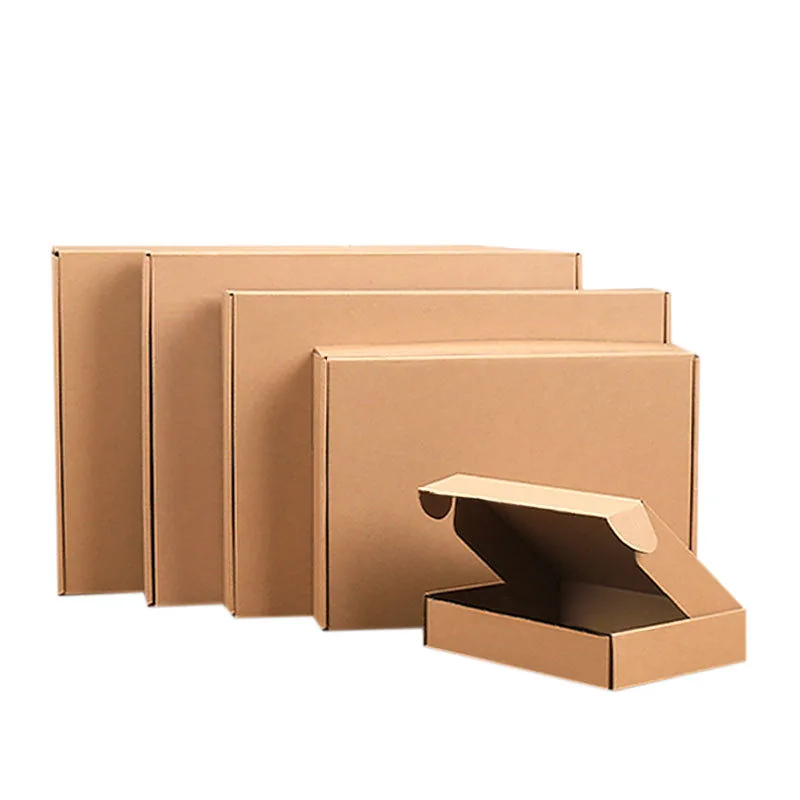
A pillow box is a strong candidate when its curved form suits a light retail or gift product and the product can be held without forcing the end flaps. Compare applications by the evidence needed at each gate, not by appearance alone.
| Application | Fit condition | What can go wrong | Spec or proof needed | Buyer response |
|---|---|---|---|---|
| Small gift or accessory | Product and presentation wrap sit inside the curved body without loading the end flaps. | Added tissue changes the fit and pushes the tucks open. | Actual product, final wrap, dieline version, board description, and loaded-fit record. | Run FIT, then CLOSE, with the final presentation set. |
| Printed retail item | Logo, mandatory copy, and barcode remain usable on the curved print area. | Important artwork crosses a crease or becomes unreadable after forming. | Production-intent board, artwork revision, color reference, formed-sample photos, and scan result when a barcode is used. | Approve PRINT on the formed sample, not only on a flat proof. |
| Heavier or movement-sensitive product | A buyer-defined loaded handling check shows the product stays controlled and the tucks remain engaged. | The format opens, bulges, or allows movement during the intended handling route. | Product weight, orientation, insert decision, closure method, and recorded sample result. | Revise the structure or compare a more protective box route before quoting bulk. |
Use the comparison in two passes. Product and brand owners first decide whether the curved format can carry the actual product and required graphics. Procurement then checks that the FIT, PRINT, CLOSE, and REORDER evidence carries the same project identifier and approval owners. This sequence prevents a preferred visual direction from becoming the decision before the fit and print risks are known.
For every shortlisted application, record the sample ID, approval owner, open issue, and change trigger. A passed FIT check does not automatically approve PRINT or CLOSE, and a new artwork file does not require a new fit test unless it changes the structure or product set. For a repeat seasonal program, close REORDER by confirming the approved dieline, board, print, finish, sample, pack-out revision, and change owner before comparing unit price or lead time.
If the product needs rigid side-wall protection or the loaded closure cannot be made reliable, do not force a pillow-box dieline to carry that job. Use packaging dieline and custom packaging specs to compare the structure, sample scope, and quote assumptions before choosing the format.
RFQ checkpoint
Attach the actual product set, controlled dieline and artwork, formed-sample evidence, loaded-closure result, and change log before requesting the production quote.

RFQ specification
Write the RFQ so the quotation team can see which pillow box decisions are already approved and which remain open. The four steps below keep product fit, formed-panel print, loaded closure, and repeat-order control tied to the same revision.
- Define the loaded product set. Give the production contact product dimensions and weight, orientation, tissue or insert, finished internal space, dieline revision, and board description. Ask for a dimensioned drawing and loaded sample record before the structure is priced as approved.
- Lock artwork to the formed box. State the artwork file, curved-panel safe area, print process, colour reference, finish, and any foil, coating, or barcode near a crease. When offset lithography applies, ISO 12647-2:2013 can support process-control planning, but it does not replace the buyer’s project-specific proof condition or acceptance decision.
- Describe the closure check. Name the loaded handling scenario, sample condition, observable failure, acceptance statement, and approver. Do not import a fixed opening count or board threshold from another product.
- State the reorder baseline. List the approved dieline, board, artwork, proof, finish, sample, and pack-out versions. Ask the returned quote to state its current MOQ, tooling or setup, sample scope, lead-time basis, packing count, and the price or schedule effect of a later change.
If the box carries a barcode, GS1 barcode placement guidance says placement should account for the packaging process so the symbol is not obscured or damaged by an edge, fold, flap, or another packaging layer. Confirm the relevant scanning environment and record the result on the formed sample; mark the check not applicable when no barcode is used.
Review the site’s custom paper packaging before requesting a bulk quote so the proposed pillow structure is compared with the available packaging scope rather than assumed from the article alone.
Sample and handoff checks
A pillow box sample handoff is complete when the evidence can survive a revision. Use the change-trigger matrix to reopen only the decision whose assumptions changed instead of silently carrying an obsolete approval into production.
| Change | Reopen | Refresh | Approver |
|---|---|---|---|
| Product, tissue, insert, orientation, dieline, or board | FIT and CLOSE | Loaded-fit record, closure method, result, and photos | Product owner with the sample-room owner |
| Artwork, colour target, print process, finish, foil, coating, or barcode location | PRINT; also CLOSE when the formed crease or closure can change | Proof revision, formed-sample photos, and the applicable scan or crease result | Brand approver and printer |
| Packing count, orientation, protection, or shipment route | CLOSE and REORDER | Pack-out record and buyer-defined handling result | Procurement or logistics owner |
A TAPPI technical paper on paperboard crease cracking reports that cracking is affected by creasing variables and paperboard properties. Use that finding narrowly: a board, crease, or finish change is a reason to refresh the formed-sample review, not a source of a universal pass limit.
Approval ledger fields
Project ID; sample ID; dieline revision; board description; artwork revision; actual product and presentation set; FIT result; PRINT result; CLOSE result; pack-out reference; open issue; approver; date; recheck trigger.
Zhypacking has not published an aggregate approval rate, defect rate, test result, cycle time, or customer case outcome for this article. The ledger is useful because the buyer and supplier can identify the same inputs, repeat the written method, and see who accepted the result.
Carry the accepted record into the RFQ and purchase order, then use the gift pr packaging solutions when presentation, formed-panel print, and the opening condition are part of the buying decision.
Supplier questions
Ask the supplier to answer with a controlled file, a reproducible method, and an accountable owner. A verbal “we can do it” does not show that the quoted board, artwork, loaded product, and reorder baseline match the sample.
Which board and dieline control this sample?
Ask the structural owner to return the controlled board description, dieline revision, and sample ID, then explain how the match will be verified before converting. A generic website material range is only background. Without that match, the wrong structure can create rework, so the buyer should keep FIT open until the returned files match the loaded sample being priced.
How will the formed print and loaded closure be approved?
Obtain the approved artwork revision, production-intent proof, marked photos of the curved panels, and a loaded handling result. A barcode scan belongs in the record only when a barcode is present. A foil, coating, or crease review belongs there only when the design or finish reaches the affected area. Missing formed proof can cause distorted artwork or closure failure; the brand owner closes PRINT, and the product owner closes CLOSE.
How will a later change be reported?
The buyer should ask which document identifies the approved dieline, board, artwork, finish, sample, and pack-out, who keeps the buyer and factory copies, and which change requires written approval. An obsolete baseline can create delay or dispute; procurement should ask the production contact to state any MOQ, tooling, price, or schedule effect before accepting a change.
Use the published Zhypacking packaging scope only to understand the supplier’s public product context. The project-specific board, process, result, and commercial terms still have to appear in the returned quote and approval record.
In conclusion — Pillow box packaging
A pillow box is ready for a wholesale decision when the four records agree: FIT identifies the product, dieline, and board; PRINT identifies the artwork and formed-panel result; CLOSE records the loaded handling method and outcome; REORDER preserves the approved versions and change owner. The risk of an open gate is an unpriced change, failed sample, or uncontrolled reorder; revise the sample or quote instead of guessing.
The matching commercial route is the gift and PR packaging path when the box is being evaluated as presentation packaging. That route is relevant because product fit, curved-panel artwork, and unboxing condition must be reviewed together; skipping the route and requesting a generic price can leave the supplier quoting an unapproved structure or finish.
Next, ask the factory to review the actual product set, controlled files, four-gate record, quantity, packing, destination, and schedule assumptions. Request a sample and quote against those versions, assign the approval owners, and reopen the affected gate whenever the product, board, artwork, closure, or pack-out changes.
FAQ — Pillow box packaging
What should buyers confirm before approving a pillow box sample?
Confirm the actual product and presentation set, controlled dieline, production-intent board, artwork revision, formed-panel proof, loaded closure result, pack-out reference, and approval owners. Each decision should point to the same sample and quote revision; a mismatch creates rework and approval risk.
How should buyers check loaded product fit in a pillow box?
Load the final product, tissue, and insert in the intended orientation. Define the handling sequence and observable acceptance condition before the check. Reopen FIT and CLOSE if the product changes, the curved body distorts, or the end flaps no longer engage as approved.
Which artwork files and logo details should buyers include in the RFQ for Pillow box packaging?
Approve the artwork revision on a formed production-intent sample, not only on a flat proof. Record the print process, colour reference, safe area, critical copy or logo position, finish near creases, viewing or measurement condition, result, and approver.
RFQ handoff: For pillow box packaging, send artwork files, logo placement, material, finish target, quantity, and sample timing so print and structure can be reviewed together. Send Specs for Review.
Review the pillow format alongside other paper box structures before freezing size and closure details.

Ask a Packaging Question