

Direct answer: Approve a pillow box only after the actual product fits without forcing the curved panels, both end closures stay seated, score lines fold without cracking, artwork remains clear of bends, and the assembled sample survives the intended pack-out. Record board, caliper, dieline, artwork, finish, adhesive, and sample ID on one revision before bulk release.
- Measure the product and the finished internal fit separately.
- Check curved scores and end flaps with the product loaded.
- Approve print and finish on production-intent board.
- Lock the physical sample, dieline, and inspection record to one revision.
Method and limits: ISO 534:2011 covers thickness measurement and ISO 536:2019 covers grammage. Neither defines a universal pillow-box clearance, score depth, closure force, or board grade. Those acceptance values must be agreed for the actual product, converting process, and production-intent sample. Reviewed 24 August 2026.
| Use condition | Main trade-off | Approval check |
|---|---|---|
| Light retail item | Slim profile versus protection | Loaded fit and flap retention |
| Dense or irregular item | Curve stress and score cracking | Full assembly trial on production board |
| E-commerce pack-out | Presentation versus transit exposure | Test inside the intended shipping pack |
A custom pillow box packaging sample needs a written RFQ path before price comparison, because material, structure, print, packing, and timing all change the supplier answer.
For custom pillow box packaging sample, the useful factory reply is specific: what material, structure, artwork, packing, MOQ, and proof must be confirmed before sampling.
This guide organizes dieline fit, board, print, assembly, packing, and approval evidence so competing quotes can be checked on the same basis.
For brand owners and importers, keep custom pillow box packaging sample quote-ready: specs to send, proof to request, sample checks to approve, and reorder notes to retain.
Set the procurement decision and approval boundary
- Verify the sample board grade matches the spec sheet and production intent. A representational board grade changes rigidity and cost; the bulk run will differ from the approved sample. Compare the sample's board weight and caliper against the spec sheet. Ask the supplier to label which parts are production-intent. Silent substitution to a lower-cost board grade shifts cost and quality after sample approval. Document the agreed board grade in the revision record and confirm it matches the RFQ spec.
- Confirm the sample, spec sheet, and in-process QC log reference the same revision identifier. Without a single revision record, the supplier can make uncontrolled changes between sample and bulk production. Request the QC log for that specific sample unit and cross-check the revision number on all three documents. Approving a sample without linked records allows silent substitutions that alter cost or quality across the bulk run. Freeze the approved configuration under one revision identifier before releasing the order.
- Verify the sample's flap closure and adhesive performance with the actual product loaded. An empty sample may close correctly, but the loaded box can fail due to adhesive strength or flap design. Load the actual product into the sample, close the flaps, and check for gap, pop-open, or adhesive failure. Approving an empty sample leads to product spillage or damaged goods in transit, causing returns. Document the flap closure test result and confirm the adhesive spec matches the production QC plan.
Confirm buyer-owned specifications before supplier review
- What sample records should the supplier provide before production? To verify the sample meets all agreed specifications before bulk order. Supplier provides records for FIT, PRINT, CLOSE, and REORDER. Approving a sample without records shifts costs after sign-off.
- What happens if we approve the sample without a written board grade? Unwritten specs allow supplier to substitute lower-grade board. Supplier confirms board grade, substrate, and dimensional tolerance in writing.
- What should we do after sample approval but before bulk production? To lock the commercial terms and quality baseline. Supplier confirms the 200 pcs project-level MOQ (unless a product-specific exception is confirmed) and the 15–30 working day lead time after specifications, artwork, and sample requirements are confirmed.
- Which QC checks should be performed on the pillow box sample? To ensure the sample matches the actual product fit and print registration. Supplier verifies die-cut dimensions and checks end-closure.
Resolve these questions before approval: what key specifications should be defined before the supplier produces a sample? To avoid misinterpretation that leads to rework and delays. Buyer provides board thickness, dimensions, and artwork finish.
Use packaging dieline and custom packaging specs to align the related specifications and RFQ inputs.
RFQ checkpoint
Align the specification, sampling, production, quality, and quote handoff details before sending the pillow box sample for review.
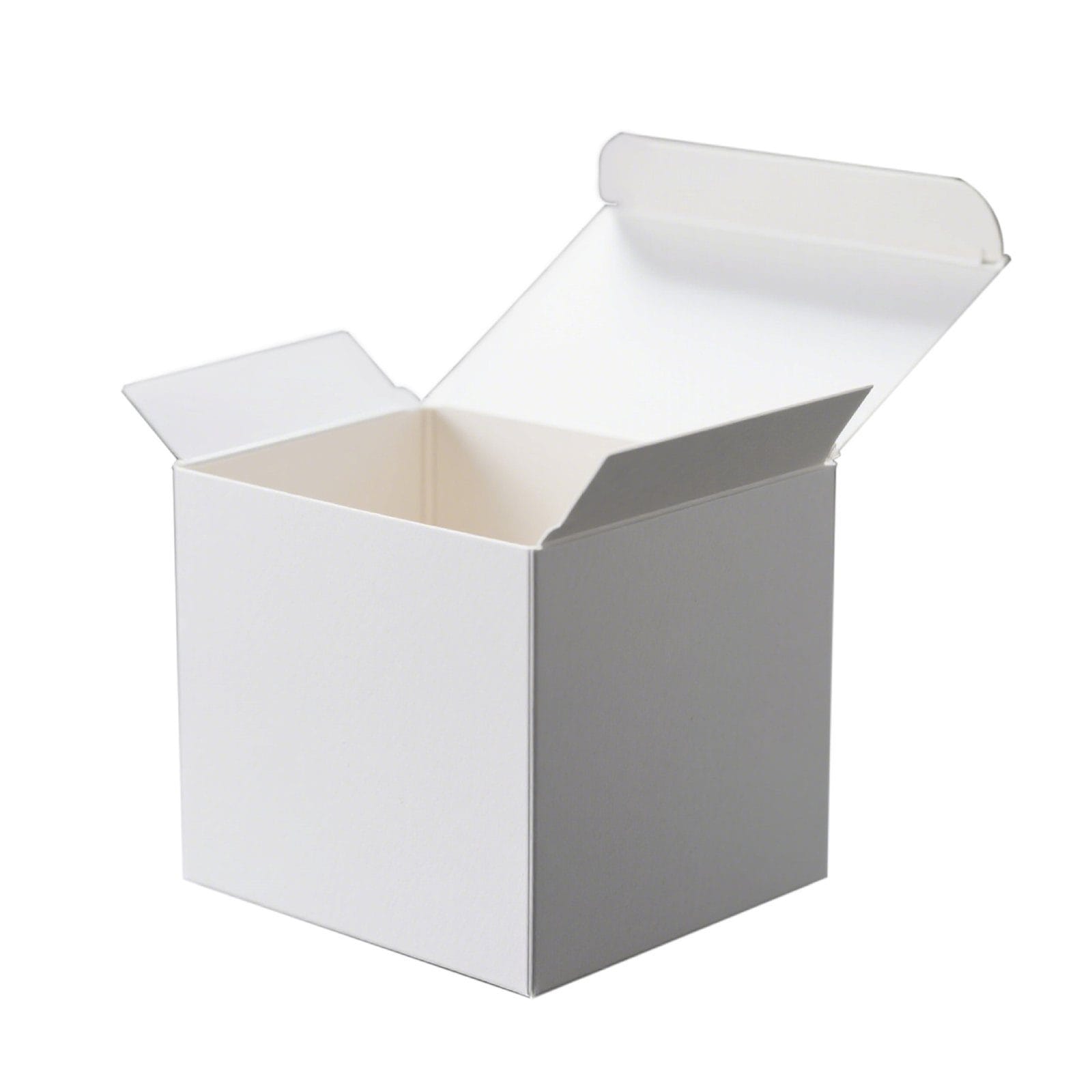
Build the pillow-box fit matrix
- Sample should match spec sheet and QC log under one revision identifier. Request the supplier's revision record linking sample, spec sheet, and in-process QC log. Supplier provides sample but no revision number on any document.
- In-process QC log should include board grade, print finish, and adhesive checks. Request the QC log for the sample's production run, including measured values. QC log lists only visual checks without measurements.
- Approving a sample without revision control risks silent substitutions on reorder. Request the supplier's written change control procedure for reorders. Supplier says changes are communicated verbally without documentation. Supplier provides written procedure requiring buyer approval for any material change.
- Spec sheet should define board grade, print finish, dimensions, flap closure, and pack-out. Request the full spec sheet used to produce the sample, with tolerances. Spec sheet missing board weight or adhesive type.
Request written confirmation of which revision identifier the quoted MOQ applies to. Supplier quotes MOQ without specifying which revision applies.
Review custom packaging solutions.
Request supplier evidence without assuming capability
Quote drift starts when a buyer accepts a capability claim without a production-record match. The control: require the supplier to submit a sample, its spec sheet, and the in-process QC log for the same revision before shortlisting.
Request a pre-production pillow box sample made with the intended board grade and print process. Compare the sample against the spec sheet for dimensions, flap closure, and artwork registration. Ask the supplier to share the QC record for that sample—what was measured, the tolerance, and the pass/fail result. A supplier that may not reproduce this record for a single sample cannot control variation across a bulk run. Risk: approving a sample that looks correct but uses a different board weight or adhesive than production. Verify by asking: “Which checks on this sample match your production QC plan?” Shortlist only after the sample, spec, and QC record describe the same revision. Use paper packaging quality control to align the approved evidence with production handoff.
Review quote or sample evidence before approval
Review the physical pillow-box trial and its control record together. The decision is whether the submitted piece represents the construction and print route the supplier intends to reproduce.
- Identify the trial. Match revision, dieline, artwork, board, print route, finish, adhesive, and pack record.
- Check function. Form, close, load, reopen, and inspect the curved panels, flaps, score behavior, and artwork position.
- Inspect the record. Compare observed dimensions and defects with the named check method and disposition.
- Close exceptions. Assign an owner and request corrected physical or recorded evidence for every mismatch.
Ask the supplier to label which parts of the trial use the intended production materials and process and which are representational. A substitute board, adhesive, or finish can change forming behavior and commercial assumptions. Shortlist only when the physical piece, artwork, construction record, and open-point log identify the same revision.
Repeat the intended packing and handling sequence, then reopen the box and inspect closure engagement, panel cracking, glue condition, surface rubbing, product movement, and barcode function where applicable. Record each exception against the trial identity rather than accepting a verbal correction.
Freeze changes for bulk production or repeat orders
The main risk in bulk production or repeat orders is approving a sample that is not controlled by a single revision record. Without a documented version linking the sample, material spec, print finish, and packing, the supplier can make silent substitutions that shift cost or quality. The control: require the supplier to freeze the approved configuration under one revision identifier before releasing the order.
Lock the sample, spec sheet, and pack-out instruction to one version number. Confirm the 200 pcs project-level MOQ, unless a product-specific exception is confirmed, applies to this revision. Ask the supplier: ‘What changes require written buyer approval before reorder?’ The useful answer names the board grade, print finish, adhesive, and carton pack-out. Document the approved revision in the purchase order so the same baseline is used for repeat batches. Without this record, a silent substitution can create a different box under the same order number. Factory-side check: require the supplier to label the production file with the revision number and retain the approved physical sample for comparison.
Prepare a comparable RFQ and handoff record
Before production release, the buyer should have a single RFQ file that every supplier prices from the same spec set. Without this, quotes differ in board grade, print finish, or pack-out, making comparison impossible. The output: one spec sheet listing dimensions, material, print colors, finish, and packing quantity.
- Send the product dimensions, weight, and intended fill. The supplier uses these to set the box length, gusset, and flap overlap. Risk: a missing dimension shifts the quote after sample approval.
- State the board grade, gsm, and print finish. Ask the supplier to confirm the exact material and process in writing. A supplier that cannot match the spec to a production-intent sample cannot control bulk variation.
- Request a line-item quote that separates tooling, setup, material, printing, finishing, and packing. Confirm the project-level MOQ of 200 pcs, unless a product-specific exception is confirmed, applies to this revision. Without itemization, a low unit price may hide setup fees that change total cost.
- Record the approved sample revision, spec sheet, and pack-out instruction under one version number. Carry this record into the purchase order so production and reorder use the same baseline. A silent substitution creates a different box under the same order number.
Buyer inputs to send to the supplier
Provide the finished product, artwork files, and preferred packing method. The factory-side check: ask the supplier to label which parts of the sample are production-intent and which are representational. If the sample uses a different adhesive or board weight than the spec, the cost and lead time for the bulk run will differ. Shortlist only after the sample, spec, and QC record describe the same revision. For related specifications, review custom packaging specifications.
Use packaging dieline and custom packaging specs for the applicable product specifications and RFQ inputs.
Record the handoff decision
Keep the controlled input revision, open exceptions, evidence received, approval owner, and buyer follow-up in the same handoff record. This lets procurement compare the supplier response against the approved baseline before quote, sample, or production release.
Buyer questions about custom pillow box packaging sample
Before quotation, the buyer should confirm the board grade, print finish, dimensions, and packing method with the supplier. The risk: an unverified spec allows the supplier to change materials between quote and sample, causing cost or quality shifts. The control: request a written spec sheet and compare it with the intended product before pricing.
What must be confirmed before quotation?
The buyer should confirm the exact board grade, print finish, dimensions, and closure design. Verify that the spec sheet matches the product fit and artwork requirements. Risk: if these are not locked, the supplier can quote a different material, shifting cost after sample approval. Factory-side check: ask the supplier to label which parts of the sample are production-intent and which are representational. Use the confirmed spec as the basis for all quotes and shortlist only suppliers who provide a written spec sheet matching the sample.
What evidence belongs in sample approval?
The buyer should receive a physical sample, its spec sheet, and the in-process QC log, all referencing the same revision identifier. Risk: approving a sample without these records allows silent substitutions in bulk production. Verification method: check that the sample, spec, and QC log share the same revision number. Factory-side check: require the supplier to label the sample with the revision number and note any limitations. A sample without a revision label is not ready for production handoff. Shortlist only after the evidence matches.
For custom pillow box packaging sample, use custom retail packaging to align the applicable specification, proof record, supplier responsibility, and RFQ handoff before comparing quotes.
In conclusion
For custom pillow box packaging sample, the next procurement action is a written RFQ and sample approval record, not only a preferred style or unit price. Confirm the specification, MOQ assumption, artwork version, supplier capability, sample approval method, QC checkpoint, approval risk, and quote follow-up before bulk production.
If any material, structure, logo, finish, packing detail, or supplier proof changes, ask the supplier to update the quote and sample record before approving production.
Custom pillow box packaging sample FAQ
What should a buyer confirm for custom pillow box packaging sample?
The buyer should confirm the board grade, print finish, dimensions, and flap closure match the spec sheet, and verify the sample is production-intent rather than representational. The 200 pcs project-level MOQ applies unless a product-specific exception is confirmed. Risk: approving a sample with different materials shifts cost and quality. Verify by comparing the sample against the spec sheet and QC record, then document the agreed spec set for the RFQ.
What evidence should a supplier provide for custom pillow box packaging sample?
The supplier should provide the sample, its spec sheet, and the in-process QC log for the same revision. Without these linked records, the buyer cannot control variation across bulk runs, risking silent substitutions. Verify that all three documents reference the same revision identifier. Shortlist only after confirming the evidence matches, and use the record to document the approved configuration for the RFQ follow-up.
How should changes be recorded before production or reorder?
Changes should be recorded under a single revision identifier that locks the sample, spec sheet, and pack-out instruction. The supplier should confirm which changes require written buyer approval before reorder. Risk: silent substitutions alter cost or quality. Verify by documenting the approved revision in the purchase order. Retain the physical sample for comparison, and check that the 200-pc MOQ applies to the revision.
Does the barcode scan on the curved panel?
Approval is appropriate only when the barcode is designed and tested for the curved surface of the pillow box. Barcodes on curved panels may distort and fail to scan. The buyer should verify with a functional scan test on the actual sample. Risk: non-functional barcode at retail. Verify by requesting a scan test report from the supplier. Confirm barcode placement and curvature tolerance in the RFQ spec.
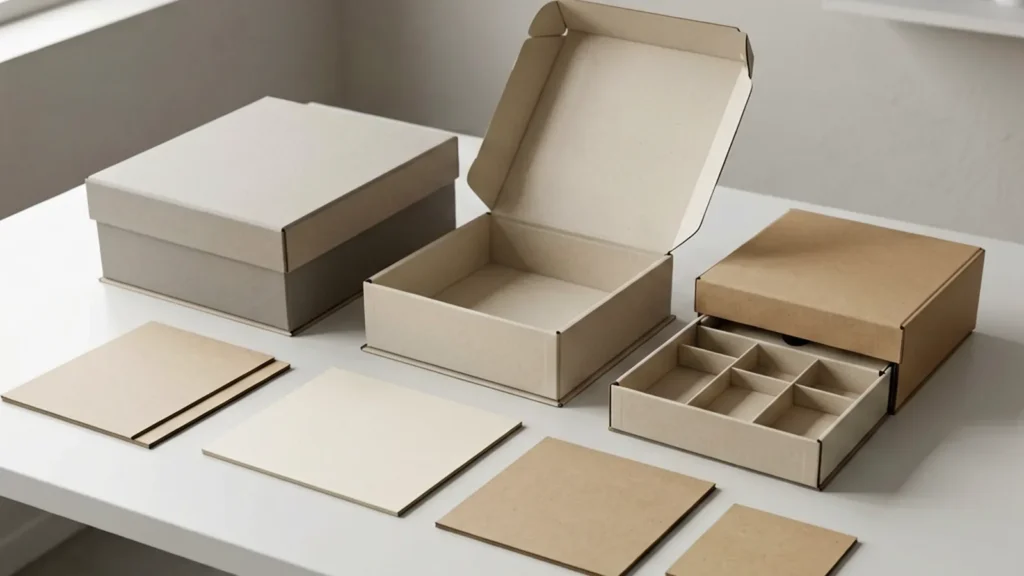
Compare the pillow carton with the broader custom paper box range before approving its production sample.

Ask a Packaging Question