
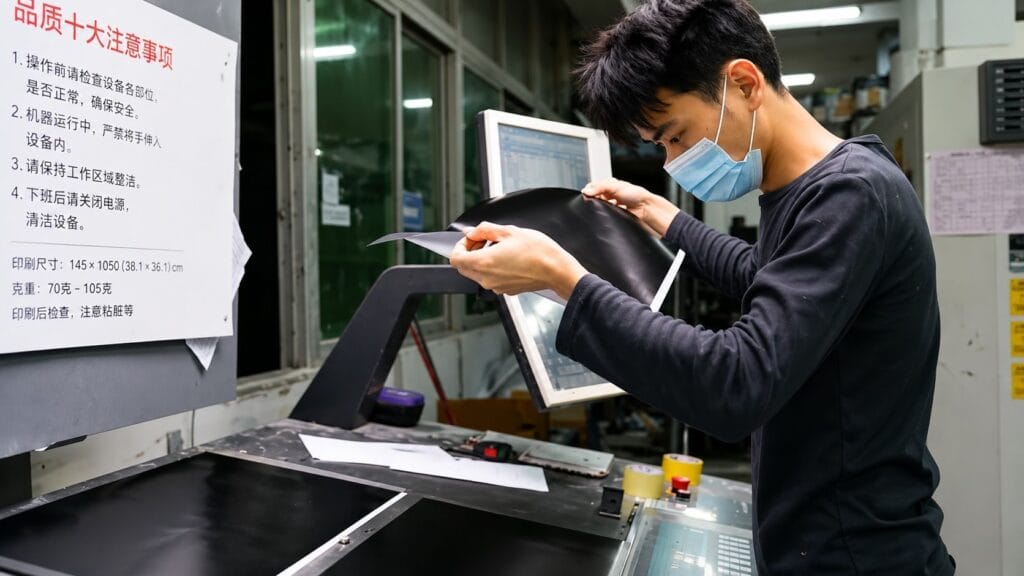
The sourcing record for eco friendly packaging boxes is incomplete until it shows whether the boxes fit the use case, specs, MOQ, sample approval path, and supplier quote process.
An environmental claim is only as strong as the certificate behind it. What a supplier can evidence and what they can only assert are separated here.
Direct answer: For eco friendly packaging boxes, buyers should decide whether the boxes fit the use case, specs, MOQ, sample approval path, and supplier quote process.
What buyers should confirm before choosing eco friendly packaging boxes
For eco friendly packaging, use the selection criteria as one RFQ checkpoint. Each row should identify the requirement, approval evidence, and buyer action before production.
| Requirement | Factory control | Evidence to verify | Order risk | RFQ follow-up |
|---|---|---|---|---|
| Sample approval | Supplier submits pre-production sample per approved artwork and substrate spec. | Compare sample against signed-off spec sheet; measure dimensions, check print registration, and confirm material weight. | Approving without dimensional check may cause filling line jams or poor seal integrity. | Request pre-production sample and sign off only after measuring against RFQ tolerances. |
| MOQ and order quantity | Factory confirms the MOQ per SKU in the RFQ; production run is consolidated only with same-spec items. | Request written MOQ confirmation per product code; verify that split orders incur no extra setup charge. | Under-ordering triggers short-run surcharge; over-ordering without demand forecast increases write-off exposure. | Confirm the MOQ in the RFQ and ask for tiered pricing at 500, 1000, and your target quantity. |
| Material / substrate | Supplier provides material composition report showing recycled content percentage and fiber source. | Cross-check declared recycled content against mill certificate or third-party lab analysis. | Unverified recycled claims may violate FTC Green Guides and trigger repackaging costs. | Request material data sheet and recycled content certificate before sample approval. |
| Width or size tolerance | Factory holds the buyer-approved tolerance on width and length; the buyer-confirmed limit on critical fold scores. | Measure five random samples from production run using calibrated calipers; record min/max deviation. | Oversized boxes increase freight cube waste; undersized boxes cause product damage during packing. | Specify tolerance in RFQ and approve only after receiving dimensional inspection report. |
| Finish or color control | Supplier matches approved Pantone reference within buyer-approved color tolerance under buyer-approved viewing conditions. | Use spectrophotometer to measure color difference on production sample against signed-off standard. | Off-color finish degrades brand consistency and may require reprint at supplier cost. | Submit Pantone reference with RFQ; request color approval sample before production release. |
Read the rows as one approval sequence for this eco friendly packaging order. Start with sample approval; use the risk and buyer-action columns to decide whether its evidence is sufficient. Verify it with the inspection method and approval evidence recorded in the table.
Keep the supplier response, marked sample, and approval owner for eco friendly packaging under the same revision number. If any proof conflicts with the approved record, hold the quote, sample, or production release until the supplier explains the deviation in writing. Before closing the checkpoint, reconcile the latest drawing, sample, quotation, and approval comments, identify which record controls if they disagree, and document the resolution. Carry the signed selection criteria table into the purchase order and production handoff so the same checks support quote comparison, sample approval, shipment release, and later reorders.
What proof is required before using Eco Friendly Packaging Boxes claims
Before you label your packaging as eco-friendly, you need verifiable proof. Start with a material composition test report from your supplier, confirming the percentage of recycled content or renewable fibers. Ask for a sample measurement record that shows wall thickness and dimensional tolerance—these must match your RFQ specification. Use this practical checklist to verify claims before order commitment:
- Request a material test certificate (e.g., recycled fiber content).
- Confirm dimensional tolerance with a sample measurement report.
- Obtain a supplier declaration of compliance with your quote request specs.
- Keep a signed approval record with sample version, spec sheet, and decision date.
After the checklist, lock each specification in a table before sample sign-off. This connects quality control to the quote request handoff.
| Specification | Verification Method | Approval Record |
|---|---|---|
| Material composition | Test report from supplier | Sample version, spec sheet, decision date, approver, supplier confirmation |
| Dimensional tolerance | Sample measurement record | RFQ-confirmed requirement, buyer verification question |
| Production risk | Factory execution review | Signed approval before bulk order |
This process ensures your eco-friendly claims are backed by evidence, not assumptions. For more on paper box options, see our paper boxes products.
quote request checkpoint
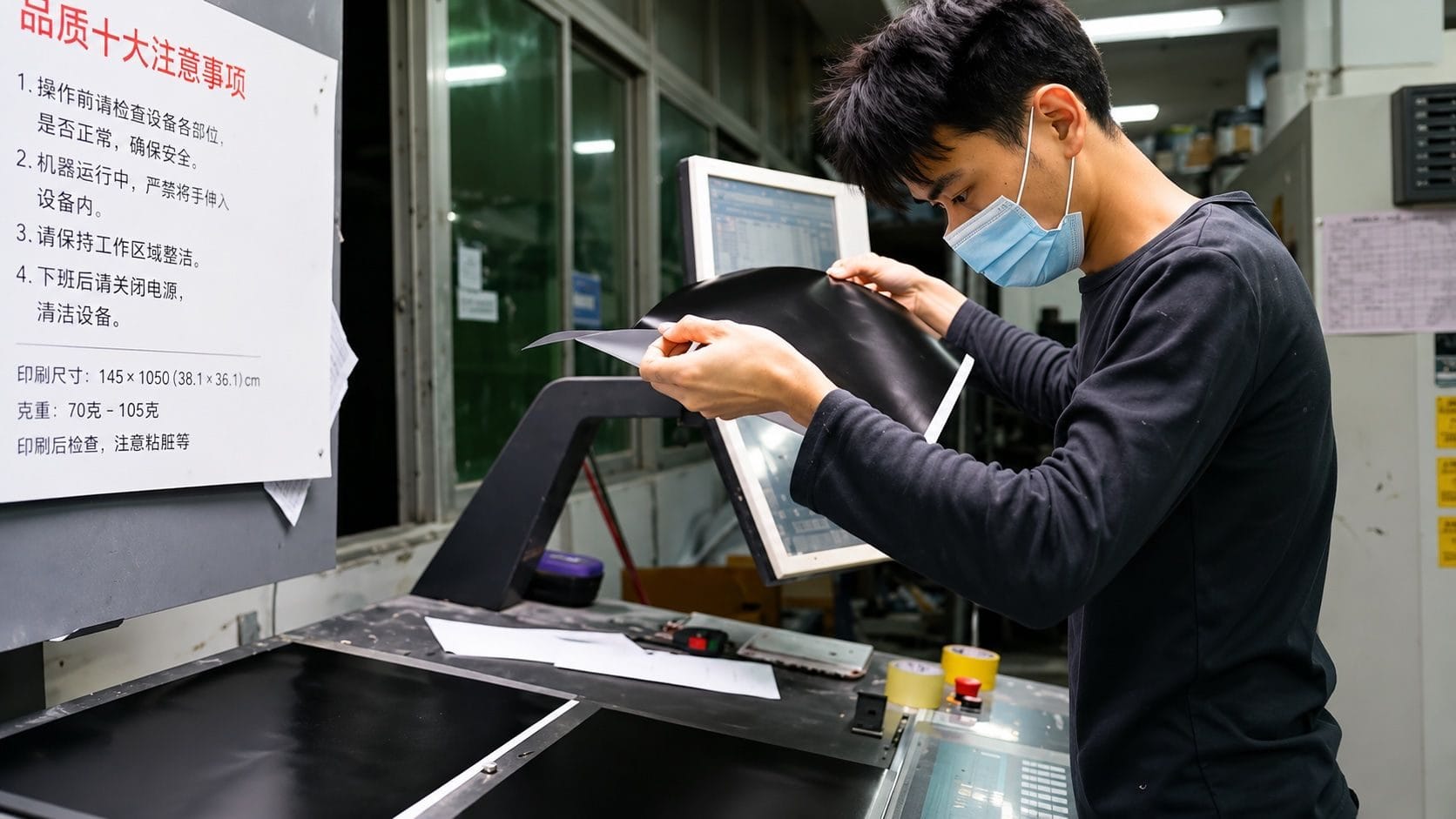
How to ask suppliers for proof on Eco Friendly Packaging Boxes
| Option | Best fit | Trade-off | Risk to avoid | Verification | Follow-up |
|---|---|---|---|---|---|
| Current specification | Approved material composition and dimensional tolerance from last production run | Locks you into existing substrate and print method; may not reflect latest eco innovations | Supplier may ship off-spec recycled content if you do not reconfirm the original test report | Cross-check the archived spec sheet against the supplier's current material declaration | Request a new material composition test report from an accredited lab before reorder |
| Alternative specification | Substrate swap (e.g., kraft to recycled board) or finish change (water-based coating instead of film lamination) | May require new die-cut tooling and sample approval cycle, extending lead time | Structural integrity or print adhesion may fail if the alternative board has different GSM or moisture content | Run a short-run sample under production conditions and measure dimensional stability | Request the supplier's alternative material data sheet and a paired sample for drop test |
| Safer fallback | Standard stock-size eco box with minimal print, using certified recycled board and water-based ink | Limited branding real estate and fewer size options; may not fit odd-shaped products without insert | Stock boxes may lack the structural reinforcement needed for heavy or fragile items, causing in-transit damage | Request the supplier's stock box compression test data and compare to your product weight and stacking plan | Order a trial carton of the stock size and run a ship test with your actual product |
Evaluate these options against the packaging dieline and custom packaging specs. For current specification, a poor decision can mean supplier may ship off-spec recycled content if you do not reconfirm the original test report. Ask the supplier to cross-check the archived spec sheet against the supplier's current material declaration.
For eco friendly packaging, preserve the current specification decision under one revision number: keep the supplier response, marked sample, approved specification, quotation, and approval owner together. If the evidence conflicts with the approved record, hold the quote, sample, or production release until the deviation is explained in writing. Once the buyer and designated technical authority have accepted the evidence, carry the signed Eco Friendly Packaging Boxes record into the purchase order, production handoff, shipment release, and later reorder review so every team works from the same baseline.
How to write safe buyer-side requirements for Eco Friendly Packaging Boxes
Treat eco friendly packaging boxes as a shortlist decision: a supplier qualifies only when they can document material composition, dimensional tolerance, and recycled content percentage in writing before sample production. Without these three locked requirements, any sustainability claim remains unverifiable and the risk of material substitution or cost overrun in bulk production is high.
Define the requirement and success criteria
Start by writing the exact material grade, board thickness, and recycled content percentage into your quote request. State the required fiber source and recycled-content threshold from the project’s approved sustainability policy rather than writing only ‘eco-friendly material’. This forces the supplier to confirm whether they can match the spec or propose an alternative. The risk of a vague requirement: the supplier quotes a lower-grade board that looks similar but fails your sustainability criteria or structural test. After the quote request, request a material spec sheet and a third-party test report for the recycled content claim. Compare these documents against your written requirement before moving to sample production.
Confirm execution details with the factory
Once the spec is locked, ask the supplier to confirm the production lead time, MOQ per SKU, and any tooling costs in writing. For this order, a common factory-side risk is that the recycled board may have different stiffness or moisture sensitivity than virgin board, affecting the box’s structural integrity during transit. Request a pre-production sample that matches the approved spec sheet, then measure wall thickness and dimensional tolerance with a calibrated caliper. Document the buyer-approved dimensional tolerance for length and width, then confirm that the measured sample falls within that range. If the sample deviates, hold production release until the supplier explains the deviation in writing and submits a corrected sample.
Approve samples and control reorder risk
After the sample passes dimensional and material checks, sign off on the sample revision and lock the approval record under one revision number. For reorders, require the supplier to confirm that no material source, board thickness, or process change has occurred since the last order. A simple check: ask for a copy of the in-process quality control log from the previous batch and compare the recorded measurements against the approved sample revision. If the supplier cannot provide this evidence, request a new pre-production sample before committing to bulk production. This gate prevents reorder drift that could compromise your eco-friendly claim or box fit. For more on supplier capability, visit Zhypacking.
How to move Eco Friendly Packaging Boxes checks into an RFQ
Start with a material composition test report from an accredited lab. This document is the first verifiable proof that your eco-friendly packaging boxes meet the claimed recycled content and material specifications. Without it, any sustainability claim remains unsubstantiated.
Supplier evidence to request
Request a material specification sheet and a recycled content declaration from the supplier. Ask: “What is the exact percentage of post-consumer recycled material in the board?” Confirm this matches your quote request requirement. A buyer verification question—such as “Can you provide a third-party test report for the material composition?”—ensures the supplier’s claims are backed by evidence.
Sample approval evidence
Before approving samples, define the dimensional tolerance in your quote request. For example, require measurements within the buyer-approved tolerance for length, width, and height. Use a calibrated caliper to measure each sample. Record the actual dimensions and compare to the requirement. This step prevents production errors and avoids costly reorders.
Reorder control records
When reordering, request the same supplier’s production records for the previous batch. Verify that the material source and process parameters remain unchanged. A simple check: ask for a copy of the in-process quality control log. This ensures factory execution consistency and reduces risk of variation.
Use the table below to track key verification points across these three decision stages.
| Decision Stage | Verification Action | Buyer Question |
|---|---|---|
| Supplier proof check | Review material test report | What is the recycled content percentage? |
| Sample approval check | Measure dimensions with caliper | Does the sample meet the buyer-approved tolerance? |
| Reorder control check | Inspect production log | Are material and process unchanged? |
After completing these checks, hand off the approved sample and the quote request-confirmed requirements to the supplier. This closes the decision loop and reduces production risk.
Source check: ISO 2859-1 sampling inspection standard.
For the current product, use custom packaging solutions to align the applicable specification, proof record, supplier responsibility, and quote request handoff before comparing quotes.
In conclusion
The final approval for eco-friendly packaging boxes rests on verifying that the supplier’s material spec sheet, test report, and approved sample revision all describe the same order. Compare the quoted cost driver—such as material grade or custom insert—against the written specification, and confirm that the minimum order of 200 pcs and the production lead time of 15–30 working days, counted after specifications, artwork, and sample requirements are confirmed, are locked before sample sign-off. This structured evidence gate ensures that every sustainability claim, dimensional tolerance, and quality control checkpoint is documented and traceable from quote request through bulk production, reducing the risk of material substitution or reorder drift.
To request a quote, visit custom retail packaging and confirm the final specification, quote assumptions, sample approval, QC evidence, approval risk, and supplier follow-up before bulk order.
Eco friendly packaging boxes FAQ
What should buyers confirm before ordering Eco Friendly Packaging Boxes?
Confirm the exact material composition, recycled content percentage, and dimensional tolerance in writing before the quote request. Request the supplier’s material spec sheet and a test report from an accredited lab to verify the eco-friendly claim. Compare the approved sample revision against the written spec, and lock the minimum order at 200 pcs and lead time of 15–30 working days after sample approval to avoid cost or schedule surprises.
How should buyers compare MOQ, lead time, and quote terms?
Compare minimum order, lead time, and quote terms by requesting a written quotation that itemizes the cost driver—such as material grade, print finish, or custom inserts—and confirms the minimum order of 200 pcs and production lead time of 15–30 working days after specifications, artwork, and sample requirements are confirmed. Ask the supplier to state whether the sample fee is included in the quoted price or billed separately. Document these terms in the quote request and cross-check them against the approved sample revision before committing to bulk production.
What sample, quality, or supplier checks reduce risk?
Reduce risk by requesting a pre-production sample that matches the approved spec sheet, then measuring wall thickness, coating adhesion, and seal strength. Ask the supplier for a QC plan that references the same spec and sample revision, and confirm the AQL for visual defects and dimensional tolerance. For reorders, require a new pre-production sample if more than the agreed validity period has passed, and ask the factory to confirm no material or process change has occurred since the last order. Confirm minimum order and order quantity by color, size, artwork, and packing route. Confirm production lead time after specifications and sample approval are fixed. Separate material, setup, packing, freight, and reorder cost drivers in the quote request.
quote request handoff: Send Specs for Review.
For the next step on this route, see our suppliers Eco Friendly Packaging: Supplier Proof Checklist.
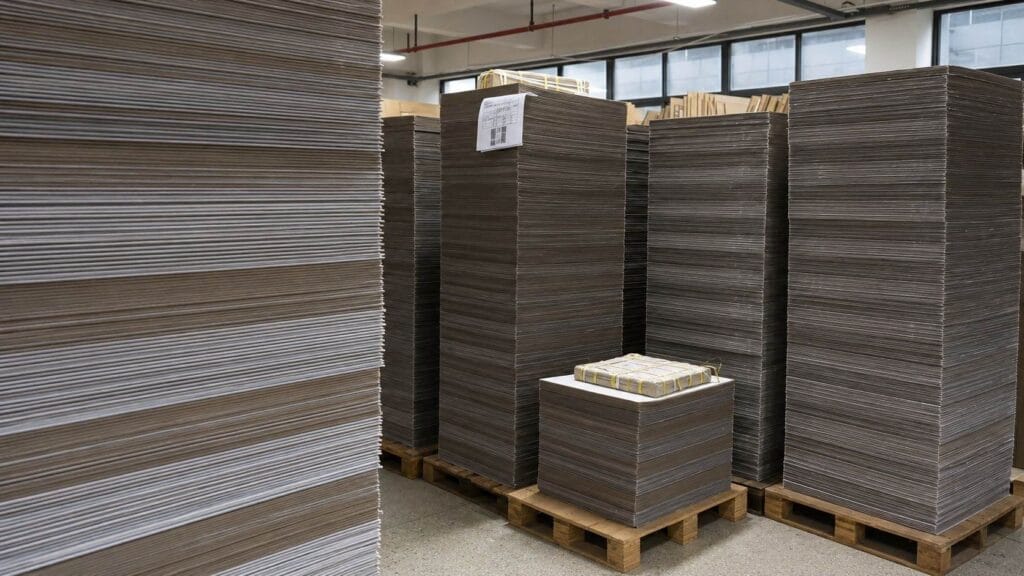

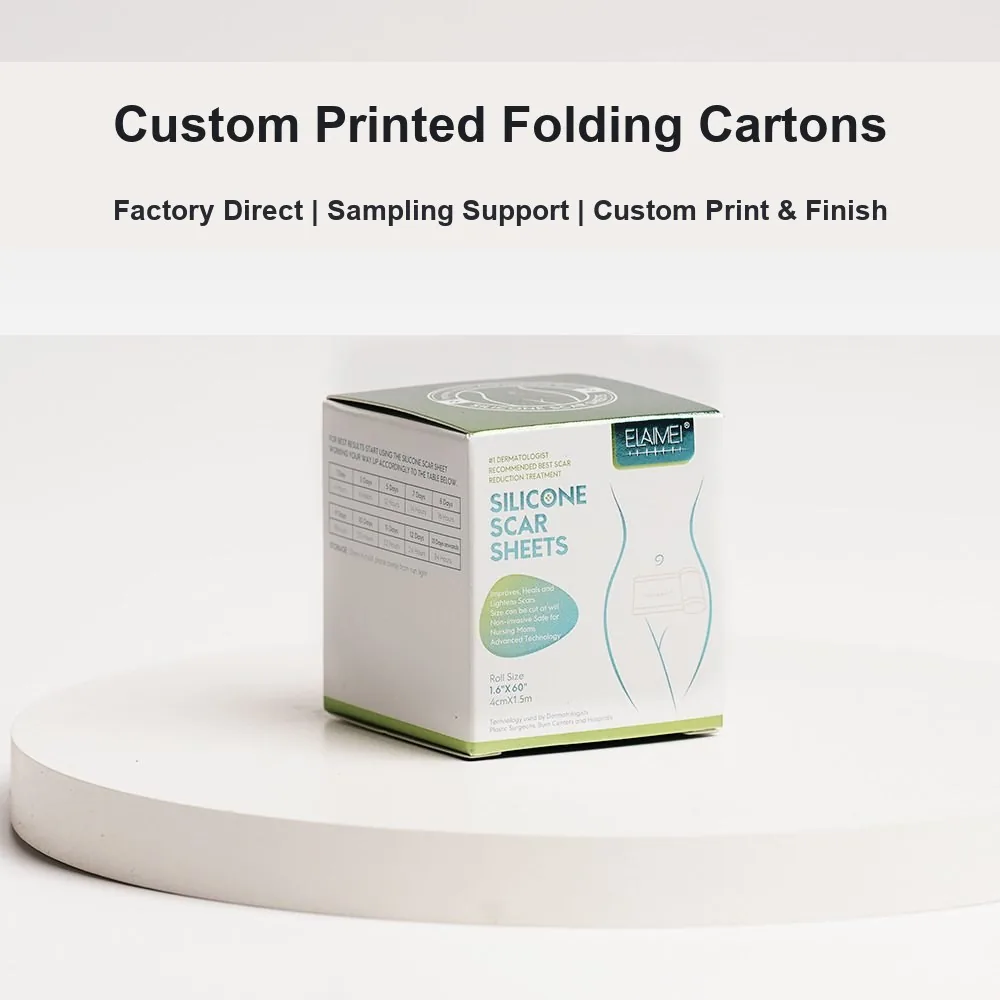
Ask a Packaging Question