
Packaging MOQ and How to Plan Around It
Our minimum is 200 pcs. The useful question is what it applies to, and what that means for your launch quantity.
For buyers sizing a first order or a launch run against a 200 pcs minimum. Explains what the minimum covers, what moves the price per piece above it, and which tooling costs are charged once per design rather than every run.
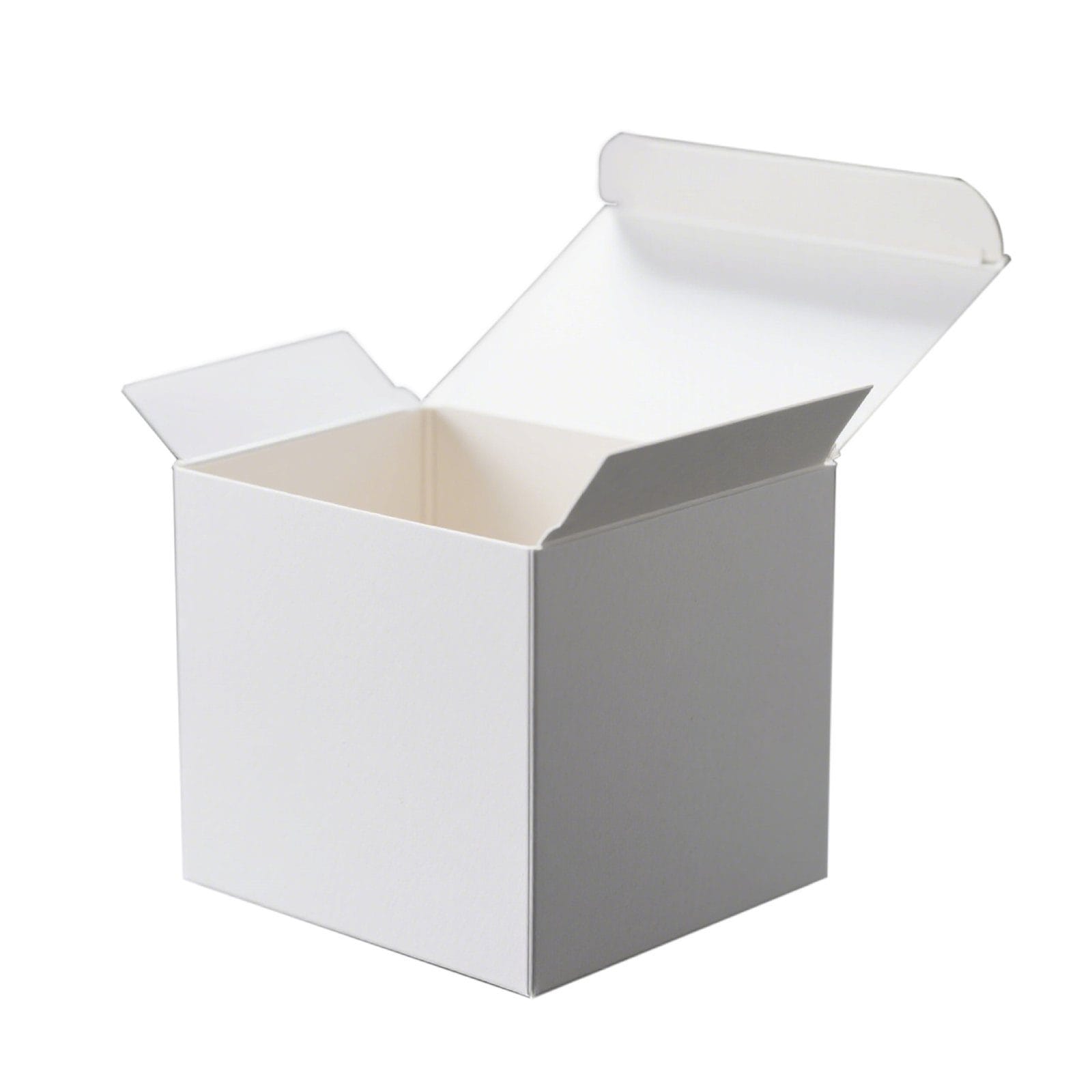
One Run at the Minimum, or Consolidate SKUs
The 200 pcs figure is a project minimum. Whether it is counted once for your order or once for each distinct artwork in it is the question to settle on the quote. It is the one that decides your total, so ask it before you size the run.
Three separate structures pay for three dies. Three colourways on one structure pay for the die once and the plates separately.
That is the point where a consolidation decision is won or lost, more than the unit price.
| What stays shared across SKUs. | Structure, board and print method. If three products use the same box in three colourways, they are one structure with three artworks. |
|---|---|
| What has to differ. | Anything printed.A cutting die belongs to the structure, a printing plate to the artwork – that distinction is what makes consolidation worth anything. |
| What changes with the split. | Tooling. A die, foil plate, emboss die or printing plate starts at about USD 50 each, and which of them a split duplicates depends on whether the structure changes or only the print does. |
What to Send for a Quantity Discussion
How many SKUs, and the quantity you want for each. Not the total across all of them. The split is what determines whether each clears the minimum.
Whether artwork differs per SKU, or only the colour does.
The launch date the quantity has to serve. A quantity that works commercially but cannot be produced in time is not the right quantity.
Three Ways the Minimum Gets Planned Badly
Ordering the minimum of a structure the product does not fit.
200 pieces of the wrong box is a more expensive mistake than 500 of the right one. Settle structure with a sample first.
Splitting SKUs so each pays its own tooling.
Four near-identical products ordered as four structures pay four times for what could have been one die.
Treating the minimum as the economic quantity.
It is the floor. The optimum sits above it. Per-piece cost keeps falling above it, and the reorder is where that shows.
The Figures Behind the Minimum
The minimum is 200 pcs and it is the same figure for paper boxes, paper bags, paper tubes and gift boxes. Stock items with a printed surcharge start at 50 pcs.
Cardboard displays, hang tags, packaging labels and note cubes are quoted with their own minimum; ask for it with the quote.
Whether the 200 is counted per order or per artwork belongs on the same quote.
Tooling is charged once per design rather than per run; a reorder of the same artwork on the same die and plates does not pay it again while they are held.
Sampling comes before bulk: 7 days, USD 4 to 20 depending on structure and finish. Production is 15 to 30 working days once specification, artwork and sample requirements are confirmed.
If a product-specific exception applies to your item, we will say so on the quote. It is not something to assume from a category page in either direction.
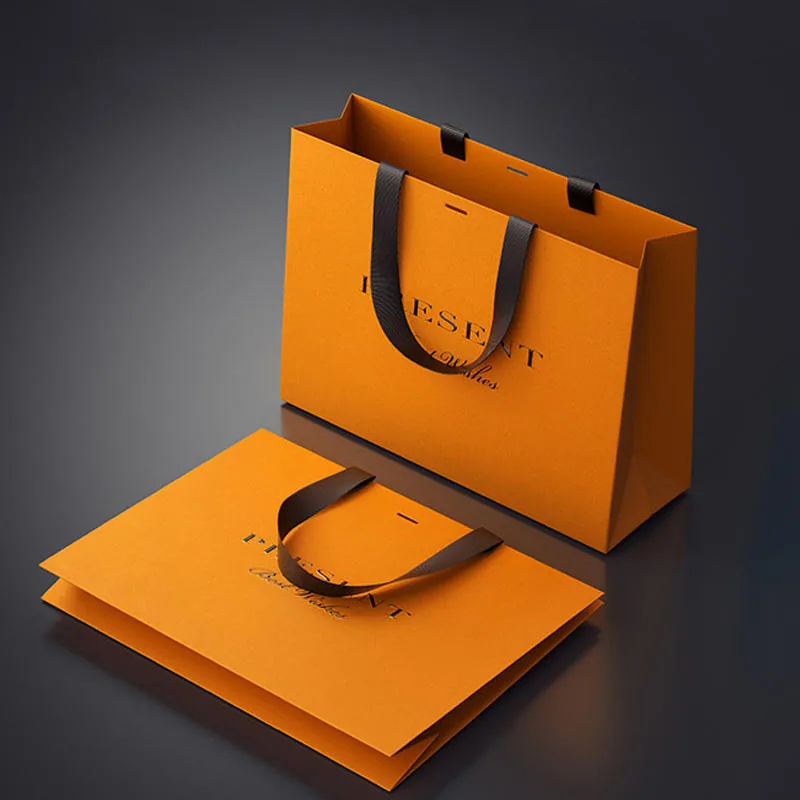
Where to Go Next
Sample and lead time gives the clock that goes with the quantity. A quantity decided without it is how a launch date slips: the two clocks run one after the other, and the second only starts once the sample is signed.
The quote checklist covers the rest of the brief once the quantity is settled, so the first reply is a price. The supplier scorecard is the page to use if you are comparing minimums across several suppliers – minimums quoted against different structures are not comparable numbers.
If you are still choosing which structure to order, our product range is where the families sit, and the 200 pcs figure is the starting point for all of them.
Send Your SKU List
Send the SKU list and the launch date and we will say whether one run at the minimum serves it, whether SKUs should share a structure so they can share tooling, and what each split costs once tooling is counted.
Splitting a run across SKUs is where tooling multiplies without anyone deciding to. Four different structures mean four dies; four artworks on one structure mean one die and four sets of plates. Each item starts at about USD 50 and is charged whether the run is 200 pieces or 20,000.
On a four-SKU launch that is a few hundred dollars nobody budgeted, and it buys nothing the buyer asked for.