
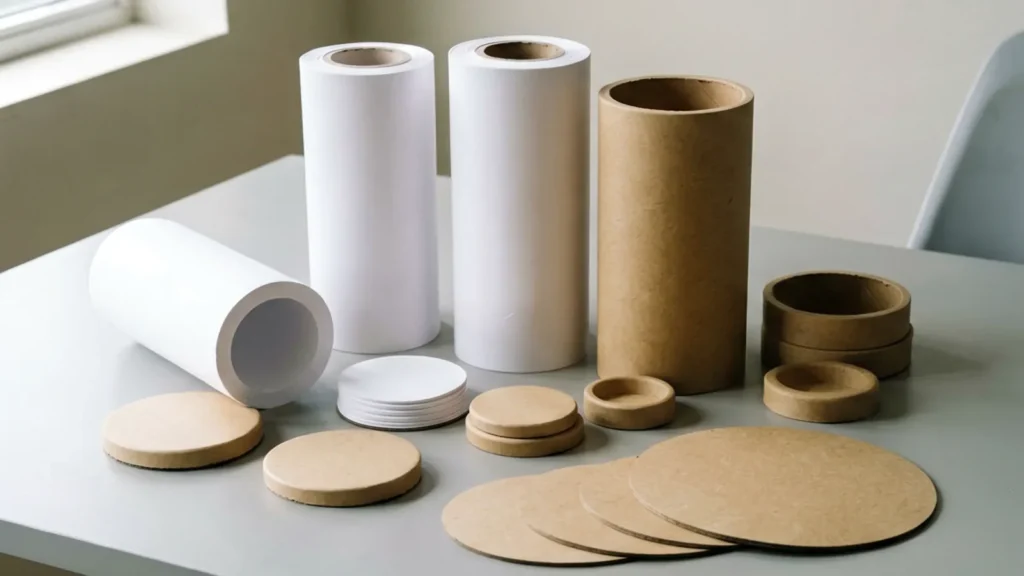
Paper tubes look simple — a cylinder and two lids — but their failures are specific: lids that loosen after travel, walls that crush under stack load, finishes that scuff in the mailer.
This guide walks the structure, lid, and finish checks that make a tube program quotable and safe to approve.
- Bottom line: wall, lid fit, and finish are one specification unit.
- Match the tube to the product weight and the route before styling.
- Approve on a packed, shipped, and reopened sample.
- Lock the baseline so reorders fit like the first lot.
Direct answer: Specify tube dimensions, wall winding, lid fit, bottom closure, and finish as one unit, because a thicker wall changes the inner diameter. Match the tube to its job: friction-fit lids for gift presentation, crimped ends for document shipping, and barrier needs for cosmetic contents. Approve a packed, shipped, and reopened sample before bulk, and name the open-cycle expectation for reusable designs.
How this guide was prepared: The review sequence treats inside diameter, wall, lid, bottom, insert, finish and export pack as one system. The ISTA test-procedure overview supports selecting distribution evidence for the actual product-package combination, while Pantone’s print and packaging color guidance supports naming the intended color reference. Neither sets tube fit or opening force; those values must be agreed and verified on the project sample. Reviewed 24 August 2026.
Spec the Tube as a Unit
These fields interact: a thicker wall changes the inner diameter, and a tighter lid fit changes the opening feel. Specify them together, on one revision, before artwork starts.
| Field to specify | What it controls | Risk if vague | Verification evidence to return |
|---|---|---|---|
| Tube dimensions | Inner diameter and height sized to the product with an acceptable range | Product rattle or forced insertion | Measured fit across several units |
| Wall construction | Paper grade and winding layers matched to weight and stack load | Crush in transit or at retail stacking | Wall spec stated with the packed-weight basis |
| Lid fit | Friction fit depth and tolerance for the opening force | Lids loosening after travel or refusing to open | Open-close cycle check on the sample |
| Bottom closure | Sealed, crimped, or capped base appropriate to the contents | Base giving out under product weight | Load check with the real product |
| Finish | Label, direct print, or wrap with protection for the route | Scuffed decoration at unpacking | Rub check on the finished sample |
A quote that prices tubes without these fields is pricing a catalog item, not your product — expect the difference to surface at sample stage.
Match the Format to the Use Case
- Gift and retail tubes presentation-led; prioritize lid feel and surface finish.
- Shipping tubes for documents or prints protection-led; prioritize wall strength and end closures.
- Product tubes cosmetics, bottles, or direct contact items; prioritize fit, barrier needs, and suitability evidence for your market.
- Refill or reusable designs durability across many open cycles; name the cycle expectation in the spec.
Start from the job the tube must do, then let structure and finish follow. A format chosen for looks alone tends to fail the route; one chosen for the route alone tends to underwhelm at unboxing.
See paper tubes for match the format to the use case.
RFQ checkpoint
Align the specification, sampling, production, quality, and quote handoff details before sending custom paper tube packaging for review.
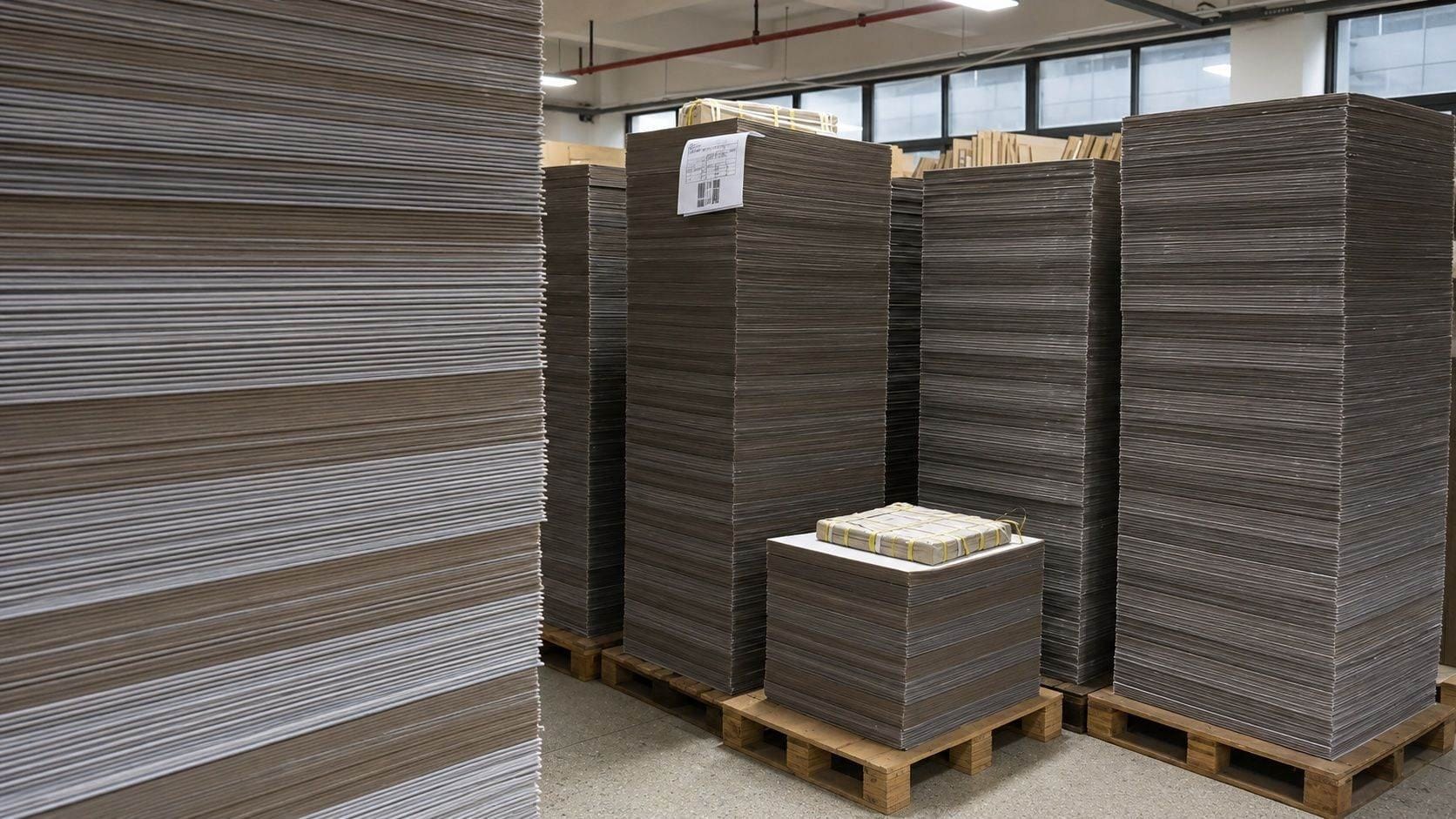
Translate the Use Case Into Specs
- Weight and fragility set wall construction and lid security.
- Route severity courier, retail shelf, or direct handoff — each changes the protection bar.
- Opening moment friction fit versus lift-off lid, chosen for the brand experience.
- Compliance needs where contents touch skin or food, ask which suitability evidence the supplier provides for your market.
Write each translation into the spec sheet: “use case → field → value → evidence.” Suppliers quote that document accurately, and reorders inherit it without debate.
Use custom paper bags to align the related specifications and RFQ inputs.
Match Structure to Product, Route, and Handling
- Product weight, shape, and surface sensitivity define wall and fit.
- Route parcel impacts and stack load define strength margins.
- Handling how often the tube opens defines lid durability.
- Presentation where the brand moment happens defines finish investment.
Confirm product weight and expected drop severity before choosing wall thickness — the structure should pass a transport simulation matched to your channel, not a showroom handoff.
See custom packaging solutions for match structure to product, route, and handling.
Move the Checks Into the RFQ
- Attach the spec sheet with the five tube fields and artwork revision.
- Itemize tube, lid, finish, and sample charges per design.
- Name the evidence fit check, open-close cycle, and route simulation required before approval.
- State the terms minimums per design, timing triggers, and the revision rule for changes.
Send the request through the paper tubes product range so structure, lid, and finish stay quoted together. Lead time and MOQ become meaningful once the structure is specified — before that, they describe someone else’s tube. A factory plans production accurately when the tube specification arrives complete, because winding, lid fitting, and finishing can all be scheduled from one document.
In conclusion
For custom paper tube packaging, the next procurement action is a written RFQ and sample approval record, not only a preferred style or unit price. Confirm the specification, MOQ assumption, artwork version, supplier capability, sample approval method, QC checkpoint, approval risk, and quote follow-up before bulk production.
If any material, structure, logo, finish, packing detail, or supplier proof changes, ask the supplier to update the quote and sample record before approving production.
Paper Tube Packaging FAQ
What should buyers confirm before ordering?
Tube dimensions, paper grade and wall construction, lid fit tolerance, bottom closure, finish, and the artwork format — each in one revision-controlled spec sheet.
How do we stop lids loosening in transit?
Specify the friction-fit depth and test it after a packed transit simulation. Lid behavior is a tolerance decision, not a glue decision.
Which finish survives mailing?
Wrapped or laminated surfaces generally scuff less than direct print on raw board. Ask for a rub check on the finished sample before approving.
How do MOQs and costs behave for tubes?
They move with diameter, wall construction, finish, and lid style — ask for the breakdown per driver so quantity steps and future sizes quote consistently.
See Zhypacking for paper tube packaging faq.
RFQ handoff: For custom paper tube packaging, send artwork files, logo placement, material, finish target, quantity, and sample timing so print and structure can be reviewed together. Send Specs for Review.
Ask a Packaging Question