

A custom packaging reorder needs a written specification before the buyer can plan custom artwork, dielines, samples, finishes, and production handoff; otherwise suppliers may quote different product and approval assumptions.
A reorder is not a repeat until you confirm nothing moved. Colour, tooling, and stock all drift between runs.
Direct answer: For a custom packaging reorder, lock measurable specifications, application constraints, supplier evidence, and the next approval action before comparing options.
Confirm what changed since the last order
| Requirement | Factory control | Evidence to verify | Order risk | RFQ follow-up |
|---|---|---|---|---|
| Finish or surface effect change from previous approved order | Match coating, lamination, embossing, and curing settings to approved sample | Inspect under standard light and sample-approve against retained master | Unexpected gloss or texture shifts weaken shelf consistency | Request RFQ noting finish change and ask for preproduction sample |
| Color and dye-lot control against last accepted production | Lock ink formula, substrate batch, and press density targets | Measure color with spectrophotometer and inspect retained press sheets | Visible shade drift can trigger retailer or brand rejection | Ask for sample drawdown and approve color tolerance before reorder |
| Artwork or logo file updates since previous print run | Preflight dieline, fonts, barcodes, bleed, and version naming | Inspect proof layers and test-scan codes before sample approval | Old files may print obsolete claims, codes, or logo proportions | Supplier follow-up should request RFQ with latest editable artwork |
| Sample approval route for changed reorder specifications | Control prototype, signoff record, deviation notes, and master retention | Sample-approve physical unit and measure critical dimensions after assembly | Skipping approval can lock defects into full production | Approve signed sample or shortlist supplier after corrective resubmission |
Material and specification fit
The comparison turns on substrate behavior, decoration method, and packing use. Before releasing a reorder, a buyer should separate genuine engineering changes from cosmetic preferences. A small change in board grade, bag thickness, handle style, or closure can alter folding, stacking, and freight damage exposure. Treat the previous accepted unit as the baseline.
MOQ, cost structure, and lead time
Cost exposure usually comes from whether the change forces new tooling, different purchasing batches, or extra machine setup. A reorder that looks familiar may still price differently if decoration, packing format, or inspection needs shift. Have the supplier list price breaks, minimum order basis, and schedule assumptions within the written RFQ before approval.
Supplier reliability and quality checks
Approval is not only a visual signoff; it is a control point for responsibility. Reliable suppliers keep retained masters, update work instructions, and record exceptions before mass production. Buyers should ask how incoming material, press checks, packing audits, and final sampling are handled, then keep the written approval trail attached to the purchase file.
Lock color and sample approval before production
- Compare signed color sample to approved Pantone reference under buyer-approved viewing conditions: Unapproved color shift can cause a full production reject if the bulk run does not match the proof Buyer or designated brand manager must sign the physical sample card Hold the sample next to the original Pantone chip and check for metamerism under daylight and LED Document the signed sample with a date stamp and store it in a sealed bag for bulk-run reference
- Verify that the production lead time starts only after the signed sample is received by the factory: A delayed sample sign-off compresses the production window and may force air freight or missed shelf dates Procurement lead confirms the start date in the order confirmation Check the factory's written acknowledgment that lead time begins on the date of sample approval, not the order date Add a calendar hold for the lead-time countdown and request a weekly production status update
- Confirm that the approved dieline and substrate match the final structural drawing for the reorder: A dieline revision that is not re-approved can cause misaligned print, incorrect fold, or box failure at the filling line Packaging engineer or quality lead must compare the drawing to the physical blank Measure the blank's dimensions with a caliper and verify the board grade against the spec sheet Attach the signed dieline to the production order and flag any deviation above the buyer-approved tolerance
- Check that the packaging accessories products (inserts, dividers, or closures) are included in the same approval cycle: A separate approval for accessories can be missed, causing a mismatch in fit or color when the main box is produced Same buyer or brand manager who signs the main box sample Place the accessory sample inside the approved box and confirm it fits without force or gap Add the accessory approval to the same sign-off document and note the lead-time dependency
- Document any change in print method, ink type, or coating from the original order: Switching from offset to digital or from aqueous to UV coating without re-approval can alter color, gloss, or durability Print production manager must confirm the method matches the approved proof Request a print test on the actual substrate and compare the result to the original order's approved sample Update the spec sheet with the confirmed print method and coating, then re-sign before bulk production
RFQ checkpoint
Plan timing and reorder risk controls
When a reorder for custom packaging solutions lacks a clear production window or approval deadline, the buyer faces the concrete risk of missed shelf dates or rushed color matching. The control is a supplier-side timing checklist that locks MOQ, production window, and approval deadline before any material commitment.
MOQ, production window, and approval deadline
Confirm the MOQ for each SKU, the factory’s production window (start and end dates), and the final approval deadline for artwork or color samples. Without these three anchors, the reorder schedule drifts, and the buyer absorbs delay costs.
Repeat-order QC and retained sample checks
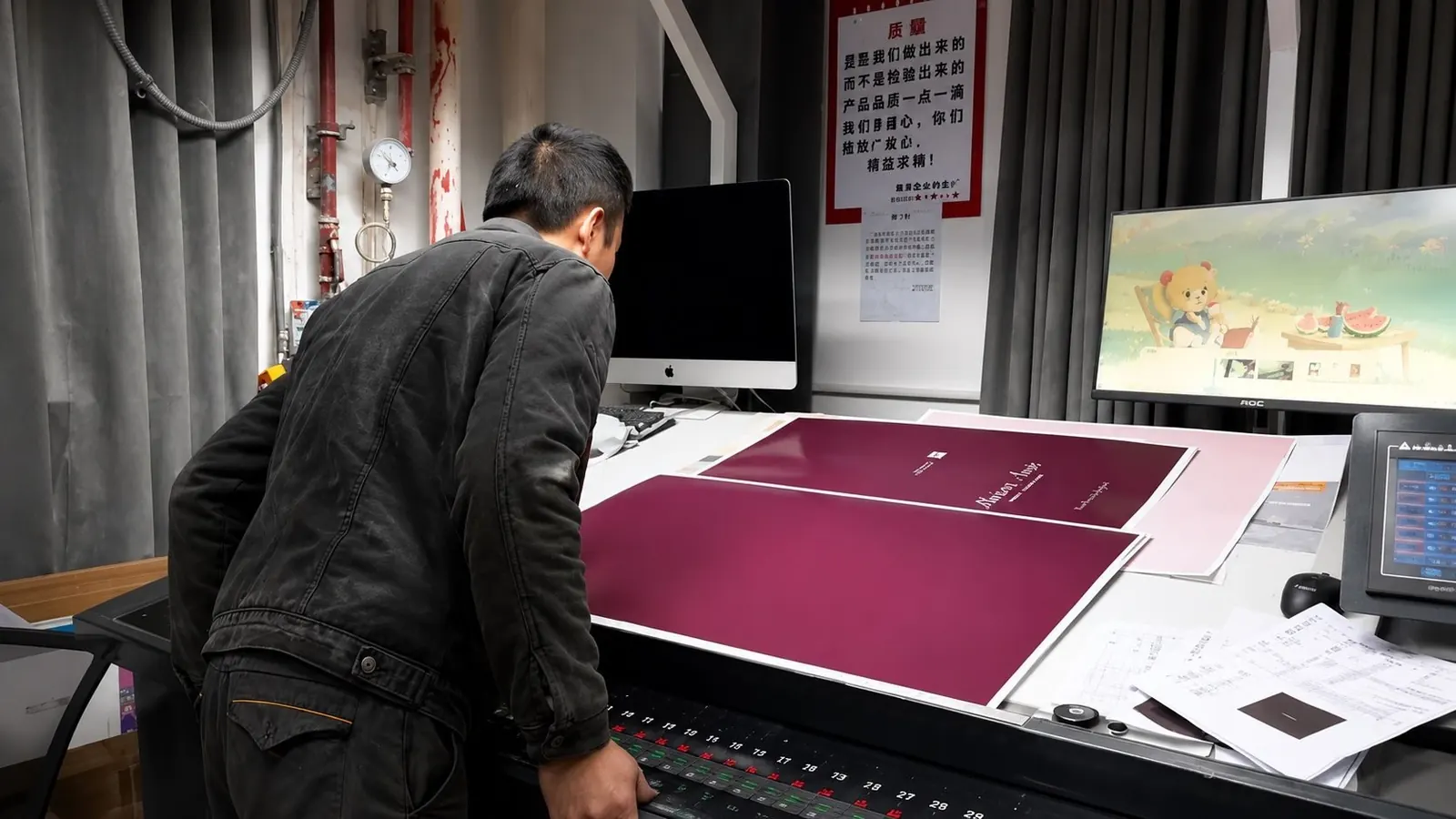
For repeat orders, the factory must pull the retained sample from the previous run and compare it against the new production sample. This step catches drift in color, material, or dimensions before full production begins. The buyer should request a side-by-side photo or video of the retained sample and the new first article.
Supplier questions before schedule confirmation
Before confirming the schedule, ask the supplier: What is your current line load for that week? Do you have the specified board, ink, and inserts in stock? Who is the designated QC contact for this reorder? These questions surface capacity or material gaps that would otherwise cause delays.
Use the table below to track key timing and risk control items:
| Item | Buyer Action | Supplier Response Required |
|---|---|---|
| MOQ per SKU | Confirm quantity | Written confirmation |
| Production window | Set start and end dates | Line load availability |
| Approval deadline | Provide artwork/color sign-off | Final deadline date |
| Retained sample check | Request side-by-side comparison | Photo or video evidence |
| Material/ink stock | Verify availability | Stock confirmation |
After the table, the buyer should hand off the confirmed schedule and sample approvals to the quote request process, ensuring the factory has all specs and color targets locked before production begins.
Compare the reorder against the approved master
A reorder is only unchanged when the approved master, current purchase order, supplier response, and production file agree. Use the matrix to separate a true repeat from a controlled change or fallback, then assign the evidence and approval owner before production release.
| Route | Best fit | Trade-off | approval risk | Verification | buyer follow-up |
|---|---|---|---|---|---|
| Current specification | Reorder matches the approved master dieline, substrate, print route, finish, packing, and artwork | Fastest route only when no controlled input has moved | An old file or unrecorded substitution can create dimensional, visual, or quote drift | Compare the signed master, current artwork, quotation, sample record, and PO line by line | Record the matched revision and release the repeat only after written supplier confirmation |
| Custom change | Size, structure, substrate, artwork, print, finish, insert, or packing differs from the master | The change may affect tooling, material use, proofing, sample work, unit price, or schedule | Treating the change as a repeat can bypass the evidence needed for fit and commercial approval | Request a marked comparison, revised quote basis, and the sample or proof appropriate to the change | Issue a new revision and obtain named buyer approval before production |
| Safer fallback | The approved input is unavailable and procurement can consider a documented substitute | The substitute may protect timing but alter appearance, performance, packing, or reorder consistency | A verbal substitution can reach bulk production without a usable comparison record | Ask for a side-by-side specification and representative sample or proof against the approved master | Approve the deviation in writing or keep the reorder on hold |
Start with the current specification route, but do not assume it applies. A different file date, material name, finish callout, case pack, or artwork revision is enough to reopen the approval path. The supplier should state what is identical, what changed, and whether the quote or sample basis is affected.
For a custom change, the buyer action is not automatically a full resample; it is to choose evidence proportionate to the change. An artwork-only revision may need a marked proof, while a structural or material change may require a new representative sample. Put that decision and its owner in the reorder record.
A fallback should never inherit the old approval silently. Preserve the comparison, supplier explanation, quote impact, accepted evidence, and buyer sign-off under the new revision so the same reasoning remains visible at incoming inspection, shipment release, and the next reorder.
Control changes after the reorder is quoted
- Does the supplier have the capability to hold the quoted price and production slot after a spec change? A post-quote change in material or print method can exceed the supplier's current capacity or cost model, forcing a requote or delay. Supplier confirms in writing that the same production line and material stock are allocated and that the quoted price remains valid. Without this check, the supplier may later claim the change requires a new setup fee or extended timeline, eroding your margin. Request a written capacity confirmation and price validity statement from the supplier before approving any spec revision.
- What verification method does the supplier use to confirm color and substrate match the original approved sample? A reorder that changes the substrate or ink formulation after quoting can cause a visible mismatch that the supplier's standard QC may not catch. Supplier provides a side-by-side delta-E report or a physical draw-down comparison against the archived approved sample. Accepting a verbal 'same as before' without a documented check can lead to a full batch rejection at your receiving dock. Ask for the specific measurement tool and tolerance range the supplier will apply to the first production piece.
- What is the approval risk if we adjust the packaging dimensions after the quote is accepted? A dimensional change can shift the die-line, alter the board grade needed, and require a new structural sample approval cycle. Supplier states that the proposed dimension falls within the existing die's tolerance and does not trigger a new sample fee. Ignoring this risk can result in a production run that does not fit your product or shipping carton, causing costly rework. Submit the revised dimension to the supplier's engineering team for a written compatibility check before proceeding.
- What buyer follow-up is needed to lock the cost driver after a post-quote change? A change to the print coverage, coating, or insert quantity after quoting directly alters the primary cost driver and may void the original price. Supplier issues a revised cost breakdown that itemizes the new cost driver and confirms no hidden surcharges apply. Without this follow-up, the supplier may invoice at the original price but later add unexpected line items for setup or material waste. Compare the revised cost breakdown against the original quote and flag any new line items for written explanation.
References: ISO 2859-1 sampling inspection standard; Custom Packaging MOQ, Sampling And Production Timeline Explaine….
For a custom packaging reorder, use custom retail packaging to align the applicable specification, proof record, supplier responsibility, and quote request handoff before comparing quotes.
In conclusion
Final approval should bring the reorder back to a controlled package of facts: specification, artwork version, color target, material choice, quantity, and delivery window. Buyers should validate the spec against the last accepted production sample, compare options by real landed cost and minimum order fit, and verify whether the project follows the 200 pcs baseline or needs a confirmed exception. If timing is tight, include the standard 15–30 working day production window after specs, artwork, and sample requirements are confirmed, so urgency is visible before the supplier schedules production.
The main risk in a reorder is assuming that “same as before” is enough; small changes in board, ink, finish, dieline, or packing method can create visible quality drift. A reliable quote request/sample handoff should document the approved file set, expected color reference, material and structure notes, inspection points, and any sample approval needed before bulk production. With those items organized, the buyer can request a quote, shortlist a supplier, compare options, and approve a sample with fewer avoidable delays.
To request a quote for a custom packaging reorder, use packaging customization and dieline specs to confirm the final specification, quote assumptions, sample approval, QC evidence, approval risk, and supplier follow-up before bulk order.
Custom packaging reorder planning FAQ
What should buyers check before reordering custom packaging?
Check the approved dieline revision, dimensions, material, board or flute type, color target, finish, inserts, barcode position, export carton, and packing method before releasing a reorder. Zhypacking’s project-level minimum order is 200 pcs unless a product-specific exception is confirmed, with standard production at 15–30 working days after specifications, artwork, and sample requirements are confirmed. The main risk is unnoticed spec drift; verify against the retained sample and require the quote request to mark unchanged and revised items.
When does a repeat order need a new sample?
A repeat order needs a new sample when the structure, size, substrate, printing method, color standard, lamination, foil, embossing, window, handle, insert, or packing method changes. Those changes may affect tooling, unit cost, minimum order suitability, and the 15–30 working day production plan, so charges and timing should be confirmed in the quote request. Verify the update with a physical or pre-production sample before bulk approval, especially when retail fit or brand color is critical.
Which changes can delay reorder production?
Changes that can delay reorder production include revised dielines, new artwork files, material substitutions, color retargeting, special finishes, accessory changes, barcode relocation, carton configuration changes, or missing sample approval. The risk is that a repeat order becomes a new production setup, affecting cost, minimum order confirmation, and the 15–30 working day schedule. Buyers should compare the new quote request with the last approved specification sheet and request sample review whenever fit, color, or finishing is uncertain.
quote request handoff: Send Specs for Review.


Ask a Packaging Question