

Direct answer: Prepare the RFQ by locking measurable specifications, sample evidence, packing details, quantity terms, and approval checkpoints before requesting a supplier quote.
Start with identical quote inputs
| Requirement | Factory control | Evidence to verify | Order risk | RFQ follow-up |
|---|---|---|---|---|
| Material / substrate | Verify material type (e.g., kraft, cardboard) against spec sheet. | Request material data sheet or retained sample or physical sample for thickness and basis weight. | Substituting cheaper material without notice leads to quality issues. | Request RFQ specifying exact material grade and GSM. |
| Width or size tolerance | Check dimensions using caliper on production samples. | Measure three random samples from each production carton. | Tolerances that affect product fit or shipping. | Approve tolerance range in writing before production. |
| Finish or surface effect | Confirm finish type (matte/gloss/UV) via physical proof. | Compare finish sample against approved standard under daylight. | Applying wrong coating affecting appearance or durability. | Request a signed finish sample as approval reference. |
| Packing format | Inspect packing: polybag, bundle, or master carton per agreement. | Randomly open packed cartons during pre-shipment inspection. | Buyer reshipment costs from poor packing. | Specify packing format in RFQ and confirm with supplier. |
| Sample approval | Full sample review including material, print, size, and function. | Conduct fit, handling, and color check; sign off. | Mass production starts without approved sample. | Do not approve sample until all specs match; request revised sample if needed. |
Product size, structure, and use case
Check the physical sample against the material, structure, print, finish, and packing requirements. Keep the accepted sample reference so production and QC use the same standard.
Material, print, finish, and packing
Lay each supplier’s proof beside the RFQ matrix and mark the artwork revision, color reference, coating, and pack-out line by line. Keep the quote open until every variance has an owner and a documented bulk-production control.
Quantity, sample, and deadline assumptions
Questions to confirm before ordering:
- Provide exact product dimensions (L×W×H), board type (e.g., rigid, corrugated), and end-use environment. Prevents structural failure and ensures material grade matches product weight and shipping conditions. A folding carton for an electronic device with inner partitions. Quotes may use generic dimensions, causing costly die-line modifications or product damage. Include a product sample or 3D rendering with the RFQ for structural verification.
- Specify substrate (e.g., buyer-approved paperboard), ink type (CMYK, PMS), coating, and packing configuration. Material grade and finish directly affect appearance, durability, and per-unit cost. Kraft paper bag with water-based lamination, approved print method, and flat-lying bulk pack. Supplier may choose cheaper materials; print or finish may not match brand quality standards. Request material swatches and a printed sample under production conditions before order.
- State total order quantity, sample quantity and sample type, and target delivery date. MOQ and lead time determine unit price and production schedule feasibility. MOQ 200 pcs; request the agreed pre-production sample quantity; need bulk delivery by the requested launch date. Quotes may assume higher MOQ or longer lead time; budget and launch date may be missed. Confirm MOQ with supplier (200 pcs project-level MOQ unless a product-specific exception is confirmed) and agree on sample approval timeline before production.
- Attach a technical spec sheet including tolerances, joinery, coating specs, and regulatory requirements. Clears ambiguity on critical dimensions, seal strength, and compliance (e.g., required label or market requirement). Box flat dimensions within the buyer-approved tolerance; glue seam strength matches the buyer-approved strength requirement; print registration within the buyer-approved tolerance. Verbal specs lead to production deviations; rework and delays become likely. Use a standard spec template; require supplier to sign off on each tolerance before tooling.
- Define acceptable quality level (AQL), sampling plan, and pass/fail criteria. Ensures outgoing product matches agreed specs; prevents shipment of defective units. Sampling plan and defect categories; visual check under consistent review lighting; seal test on an agreed number of cases. No QC criteria means supplier may ship substandard product; buyer bears cost of returns. Incorporate QC checklist in purchase order; require pre-shipment inspection report.
- Specify how each quoted line item will be verified before production and at final inspection. Creates a written approval gate; prevents assumption-driven changes after tooling starts. First-article inspection for dimensions and color; in-process checks at agreed inspection points. Lack of verification points lets discrepancies go unnoticed until final delivery. Schedule a pre-production meeting to review verification methods and assign responsibility.
- Define product size, structure, and use case Provide internal dimensions, box style, and product weight for structural design. Return a detailed spec sheet with erection and closure details. Missing use case may cause wrong board grade or closure weakness. Verify supplier's structural drawing matches your product fit and handling.
- Specify material, print, finish, and packing Select substrate, print method (CMYK/Pantone), coating, and packing method (bulk/retail). Confirm material grade, printing plates needed, and packing unit details. Unspecified finish leads to inconsistent color or seal failure. Request a physical or digital proof for print registration and coating selection.
- State quantity, sample, and deadline assumptions Provide order quantity (min 200 pcs), sample requirement (qty), and required delivery date. Confirm minimum order (200 pcs project-level unless a product-specific exception is confirmed), lead time (15–30 working days after specifications, artwork, and sample requirements are confirmed), and sample timeline. Vague quantity or deadline causes split shipments or missed season. Lock sample approval gate before production and agree on milestone dates.
- Document specification details Compile all dimensional tolerances, material specs, print registration, and regulatory requirements. Provide a signed specification sheet or approval drawing. Missing tolerance detail leads to rejected units and reorder delays. Have supplier sign off on spec sheet; retain as reference for incoming QC.
- Define quality control checkpoints Outline in-process checks (print proof, structural sample) and final inspection criteria (AQL level, defect classes). Return a QC plan with checkpoints, sample size, and rejection thresholds. No QC plan means buyer absorbs cost of non-conforming order. Require photos or third-party inspection report before shipment release.
- Establish verification method for each spec State how dimensions, material, print, and finish will be verified (caliper, approved color reference, tape measure). Provide inspection records or certificates for material batch and print quality. Unverified specs allow substitution of cheaper materials without notice. Hold final payment until all verification documents are submitted and cross-checked.
Use this evidence to compare the supplier record with ISO 9001:2015 — Quality management systems — Requirements before accepting the requirement.
Compare cost lines beyond unit price
Separate one-time charges, variable production costs, and delivery assumptions before comparing totals. This exposes omissions that a unit price cannot show and gives procurement a consistent basis for negotiation.
- Request itemised quote for tooling, setup, samples, and shipping. These one-time or variable costs affect total landed cost beyond unit price. Tooling fee for custom packaging solutions die-cut boxes; sample shipping via express courier. Unbudgeted charges inflate final invoice; no basis to compare supplier cost structures. Ask supplier to list each non-unit cost line separately in the quote.
- Confirm minimum order break points and reorder price tiers. Price per unit changes at different volumes; reorder may not match initial quote. project-level minimum order 200 pcs, with separate price tiers for larger reorder quantities; reorders after the price validity period may have different material costs. Unexpected price increases on repeat orders disrupt budget and margin. Request written price validity period and reorder pricing terms.
- Compare low quote against checklist of all cost and spec items. Low initial price often omits tooling, sampling, testing, or compliance fees. A low quote may exclude tooling, sample, shipping, or finish charges. Final cost exceeds competitors' full-priced quotes; approval delays. Ask supplier to confirm all line items included; obtain full breakdown.
- Verify material grade, dimensions, print method, and finishing specs. Exact specs determine cost, production feasibility, and final quality. Board thickness, print method, and finish differences; CMYK vs Pantone print; matte lamination. Supplier assumes lower spec; delivered boxes fail durability or appearance requirements. Attach detailed spec sheet to quote request; ask supplier to confirm each parameter.
- Confirm project minimum order: 200 pcs unless a product-specific exception is confirmed. Order quantity below minimum order triggers additional setup fees or rejection. Custom paper boxes minimum order 200 pcs; for quantities below, confirm if split orders allowed. Order rejected or forced to pay premium without budget approval. State exact order quantity in quote request; request minimum order confirmation in writing.
- Confirm lead time: 15–30 working days after all approvals. Lead time affects inventory planning and product launch schedule. Production starts after artwork, sample, and spec sign-off; use the confirmed production window after sample approval. Missed launch date; expedite fees or air freight costs incurred. Request written lead time commitment including sample and production phases.
Review the returned breakdown in three passes: first the one-time and logistics charges, then quantity and reorder rules, and finally any specification or service that the low quote leaves outside scope.
Tooling, setup, sample, and shipping items
Separate reusable tooling from job-specific setup, and show sampling and delivery as their own lines. This lets the buyer see which charges recur and which change with destination or proof route.
MOQ breaks and reorder price changes
Ask for the quantity breaks actually priced, the validity period, and the conditions for repeat orders. A reorder comparison should state whether material, tooling, packing, and freight assumptions remain unchanged.
What a low quote may leave out
Check exclusions for testing, special packing, additional print passes, inspection, taxes, duties, and expedited work. Convert every omission into an included line, a buyer-owned task, or a priced option before approval.
Use this evidence to compare the supplier record with Price Quotes for Packaging – The 9 Important Elements before accepting the requirement.
quote request checkpoint
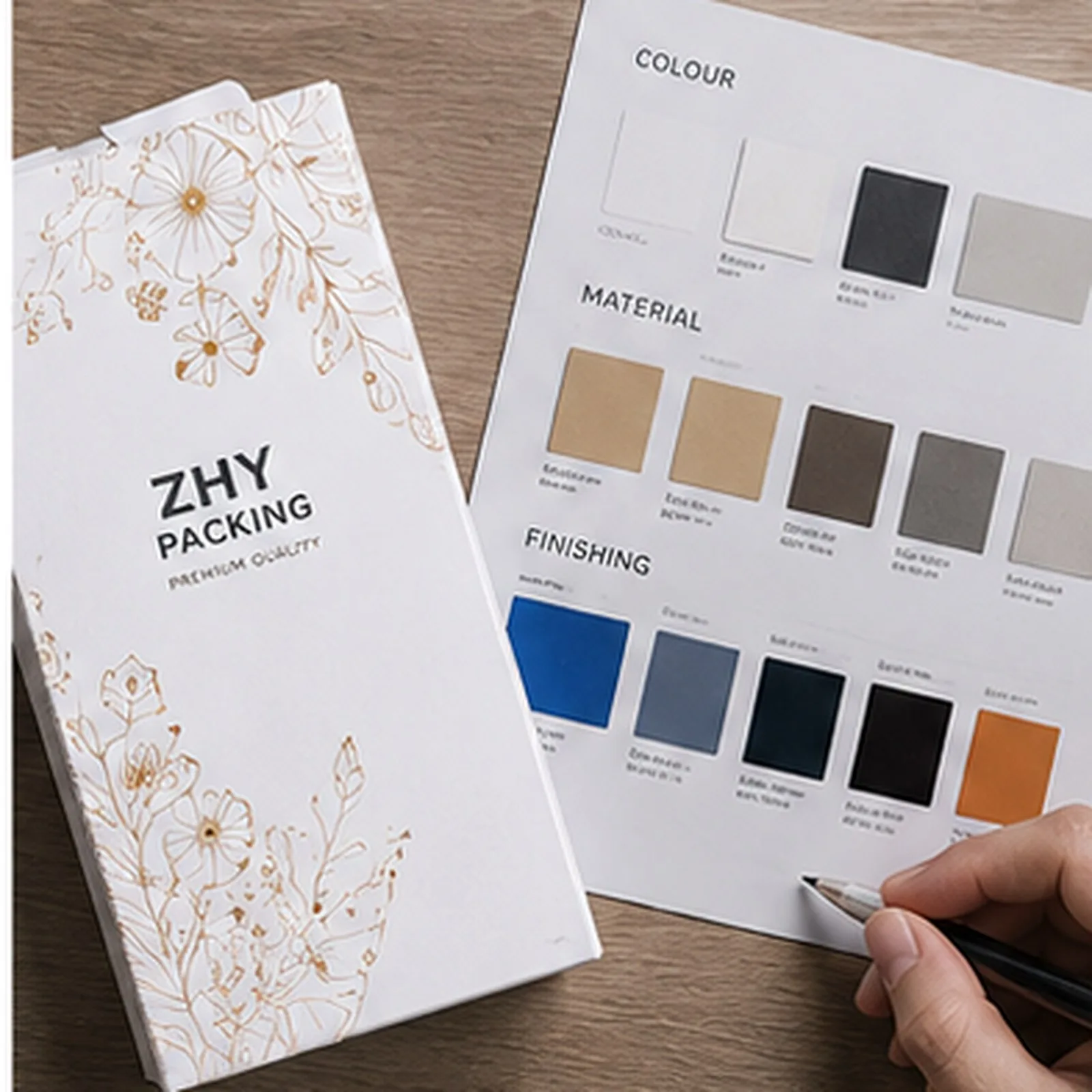
Check supplier proof before approval
A compliant-looking quote is not enough evidence that a supplier can reproduce the approved custom retail packaging. Before a quote reaches final approval, ask for proof tied to the exact structure, material, artwork, finishing, and pack-out in your quote request. The strongest response identifies who controls each step, how the result is checked, and what record the buyer receives.
Dieline and artwork confirmation
- Can the supplier return a production-ready dieline with cut, crease, glue, bleed, and safe areas identified? Compare its revision number with the drawing in the quotation and require written confirmation of finished dimensions.
- Who performs prepress review, and what proof is issued before plates or tooling are released? Request the approval file, color references, finish zones, barcode checks where relevant, and a change log for any supplier adjustment.
Sample approval and color tolerance
- Does the sample use the quoted material and production process? A white mock-up or digital proof can confirm structure or artwork placement, but it may not validate bulk color, surface finish, or converting behavior. Record what the sample proves and which features still need a production proof.
- How will production be compared with the approved reference? Define the signed sample or swatch, viewing conditions, measurement method, and buyer-approved acceptance range. Avoid an unqualified promise that output will “match” without a reference and review method.
QC, packing, and repeat-order control
- Which in-process and final checks apply to this job? Ask for the inspection points, sampling approach, defect categories, responsible role, and evidence included with the shipment.
- How is pack-out verified? Require confirmation of inner quantity, master-carton specification, labels, protection, palletization when used, and the photo or checklist that closes packing approval.
- What locks the repeat-order baseline? The supplier should retain the approved specification, artwork, color reference, sample ID, tooling record, and agreed change-control route.
Quality-system certification can support the supplier assessment, but it does not replace job-specific evidence. ISO’s official ISO 9001 overview explains the quality-management framework; ask the factory for the certificate number, issuer, scope, and covered site, then verify those details independently. Move a supplier forward only after its proof pack closes the material, process, approval, inspection, and reorder questions for the quoted job.
Confirm Quote Inputs and Supplier Assumptions
Quotes become comparable only when every supplier prices the same buyer-controlled specification and declares the assumptions used to fill any gaps. Before shortlisting a factory, freeze the inputs that define the job, then require each supplier to mark every deviation, exclusion, and provisional allowance in writing. This prevents a low headline price from becoming an expensive change order after artwork or sample approval.
Inputs the buyer must freeze
Create one revision-controlled quote request sheet and send the identical version to every bidder. It should identify the product and use case; finished and flat size; box or bag structure; material grade and thickness; print process, color references, and artwork status; surface finishes; inserts or accessories; packing method; order quantity and quantity-break options; ship-to destination; target delivery window; and the sample or proof required before production.
- Lock the specification baseline. Give the sheet a revision number and list the files included with it, such as the dieline, artwork, color reference, and pack-out drawing. The supplier should confirm each file name and version in its response.
- Separate confirmed facts from open decisions. Mark unresolved items as questions instead of allowing the factory to guess. For each open item, ask for the available options, the cost or lead-time effect, and the date by which procurement must decide.
- Use the same commercial request. Ask every bidder to separate tooling, sampling, setup, unit price, packing, freight, taxes or duties where applicable, and optional finishes. Specify the same Incoterm and destination so the totals represent the same purchasing boundary.
- Record verification evidence. Require a supplier response column showing confirmed, proposed alternative, or not included, plus the proof that will close the item before purchase approval.
Assumptions the supplier must disclose
The supplier response should state which material grade, production method, tolerances, overrun or underrun rule, color-control method, packing configuration, and quality checks are included. It should also define when lead time starts, how long the price remains valid, which customer approvals can reset the schedule, and whether freight, tooling ownership, plate or mold storage, testing, and third-party inspection are excluded.
Buyer check: reject an unexplained blank rather than treating it as agreement. Ask the supplier to return a marked-up quote request, a line-item quotation, and a deviation list signed off by the responsible salesperson or engineer. Procurement can then compare compliant totals, isolate genuine alternatives, and move only the qualified quotes into sample approval or final negotiation.
Reconcile Sample Evidence With the Final Quote
A physical sample or production proof is useful only when procurement can trace what it demonstrates back to the final quotation. Before approving the purchase, reconcile the approved sample, the latest specification, and every priced line. If the sample was made with a different material, print method, finish, insert, or packing method, the quoted production result is not yet verified.
Define the requirement and success criteria
Start with a sample approval record that names the sample ID, quote request revision, quotation revision, dieline and artwork versions, and the date reviewed. Then list the acceptance evidence for each critical feature: finished dimensions and fit, substrate identity and thickness, color reference, print registration, finish coverage, crease and glue performance, insert retention, closure behavior, and final pack-out. Use buyer-approved tolerances or pass/fail criteria; when no numeric tolerance has been agreed, turn it into a supplier confirmation question before approval.
- Match the sample to the priced construction. Ask the supplier to confirm that the sampled material, process, and tooling are the same ones included in the bulk quote. If a hand sample, digital proof, or substitute stock was used, record what still needs a production proof.
- Translate observations into specifications. Replace comments such as “color looks good” or “fit is acceptable” with the approved reference, measurement method, sample identifier, and responsible approver. This gives incoming inspection and repeat orders a usable baseline.
- Close every quotation dependency. Check whether artwork changes, extra print passes, special packing, testing, inspection, rush scheduling, or revised quantities alter unit price, setup charges, waste allowance, or lead time.
- Issue one approval package. Attach the signed sample record, final quotation, deviation list, and controlled artwork files to the purchase order so the factory and buyer work from the same release set.
Resolve quote exclusions before purchase approval
Review the quote notes for items described as estimated, optional, customer supplied, subject to artwork, or confirmed after sampling. Ask the supplier to convert each one into an included line, an excluded line with buyer ownership, or a priced option. The response should also clarify tooling ownership, remake responsibility when production misses the approved criteria, inspection timing, packing evidence, and how an approved change affects price and schedule.
Buyer check: do not release the order while the sample evidence and quote scope disagree. Request a final commercial confirmation that references the approved sample ID and lists all accepted deviations. Once the total, production basis, acceptance evidence, and next approval gate align, procurement can issue the purchase order or move the supplier to final negotiation with a defensible comparison record.
In conclusion
Comparing custom packaging quotes without missing specs comes down to enforcing a structured brief—exact dimensions, material grades, print methods, and finishing details—while cross-checking each supplier’s cost breakdown against minimum order thresholds and lead-time commitments. A quote that looks low on unit price often hides extra tooling charges or assumes a material downgrade, so validating every line item against your original spec sheet is the only way to see the true total. Quality risk diminishes when you demand documented QC steps—like in-process checks or a pre-shipment inspection report—and supplier proof is non-negotiable: ask for third-party certifications and a reference order from a similar buyer.
Once your spec sheet, cost validation, and supplier credentials align, the final handoff is a clear, written quote request that includes your approved artwork dimensions, sample approval timeline, and a confirmed lead-time window. This approach turns a pile of quotes into a single, comparable data set, so you can confidently request a quote from the shortlisted factory and move straight to sample approval without reopening negotiations.
To request a quote, visit packaging customization and dieline specs and confirm the final specification, quote assumptions, sample approval, QC evidence, approval risk, and supplier follow-up before bulk order.
Custom packaging quote comparison FAQ
What should buyers send to compare quotes fairly?
Send every supplier the same revision-controlled quote request package: product and use case, finished and flat dimensions, structure, material specification, print and finish requirements, artwork status, inserts, pack-out, quantity tiers, destination, delivery target, and required proof or sample. Ask bidders to return a marked-up specification, itemized pricing, and a separate deviation list. If an input is not yet fixed, label it as an open decision and request the price and schedule effect of each option.
Why can two custom packaging quotes differ so much?
The suppliers may be pricing different materials, production methods, tooling, quality controls, packing configurations, order quantities, freight boundaries, or approval assumptions. One quote may include sampling, setup, inspection, and delivery while another excludes them. Normalize the responses to the same specification and commercial boundary, then compare the compliant total rather than the unit-price headline. A lower figure is not a saving if it depends on an undisclosed downgrade or a later charge.
What proof should buyers request before approving a supplier?
Request a controlled dieline, artwork proof, material and finish confirmation, relevant sample, inspection plan, pack-out specification, and written record of deviations. For certifications, ask for the certificate number, issuer, scope, and manufacturing site instead of accepting a logo in a sales deck. The final quotation should reference the approved sample or proof and state how a production change will be reviewed. Approve the supplier only when the evidence closes the specification, quality, packing, and repeat-order risks identified in the quote request.
quote request handoff: Send Specs for Review.


Ask a Packaging Question