
Planning food packaging boxes starts with the product dimensions and distribution route, because both affect board, structure, print, insert clearance, packing, and the sample used to release production.
This packaging guide turns those choices into a dieline brief, sample sign-off record, and quote checklist for comparing suppliers on the same specification.
Direct answer: Use food packaging boxes only after its specification, application fit, sample route, quantity rule, and supplier exceptions have been confirmed in writing.
What buyers should confirm before choosing food packaging boxes
Choose the construction only after the buyer has defined the product, exposure conditions, destination market, filling and packing process, distribution route, and approval evidence. The supplier should confirm the exact materials and component map instead of relying on a broad suitability label.
| Specification | Acceptable range | approval risk | Verification check | buyer follow-up |
|---|---|---|---|---|
| Product and use conditions | Buyer-defined food type, exposure, temperature, duration, storage, handling, and destination market | The proposed material evidence may not cover the intended use | Compare the supplier response with the controlled use profile | Have the buyer’s qualified compliance owner confirm the evidence requirement |
| Structure and component map | Controlled dieline showing board, coatings, inks, adhesives, windows, inserts, trays, wraps, and closures | An overlooked component or exposure path remains unreviewed | Mark every component that can touch the product or transfer to it | Approve the component map before sampling |
| Material identity | Exact grades, supplier or converter identity, lot traceability, declarations, and relevant test documentation | A generic certificate may refer to a different grade or construction | Tie each document to the RFQ line and controlled drawing | Reject documents that cannot be traced to the proposed material |
| Sample scope | Sample ID, production-representative components, review method, acceptance criteria, and open characteristics | A visual mock-up is mistaken for validation of production materials | State what the sample proves before signing approval | Request a production proof for unresolved characteristics |
| Factory controls | Incoming-material checks, approved-supplier controls, change procedure, in-process checks, and lot records | An unapproved substitution enters production after sampling | Review the factory control plan and change route | Require written buyer approval before any affected change |
| Packing and shipment | Inner pack, master carton, labels, protection, inspection record, and shipment documentation | The approved box arrives damaged, mixed, or difficult to trace | Inspect the packed configuration and retained records | Approve the shipment evidence before release |
Score suppliers on how completely they close these checkpoints for the exact order. A strong response identifies the responsible factory, returns a signed specification and deviation list, and carries the approved evidence into sampling, production, and reorders.
Capability and commercial check
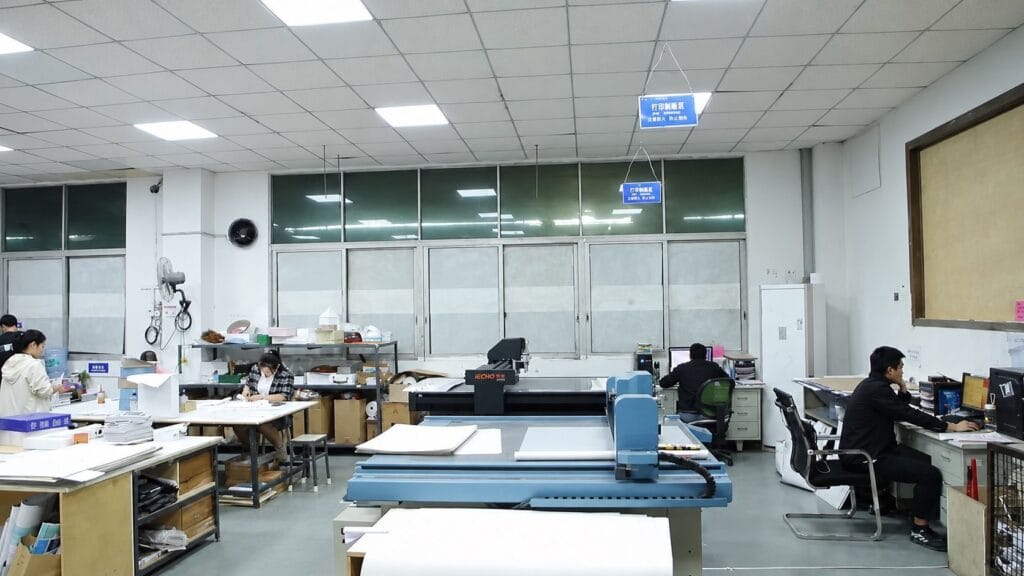
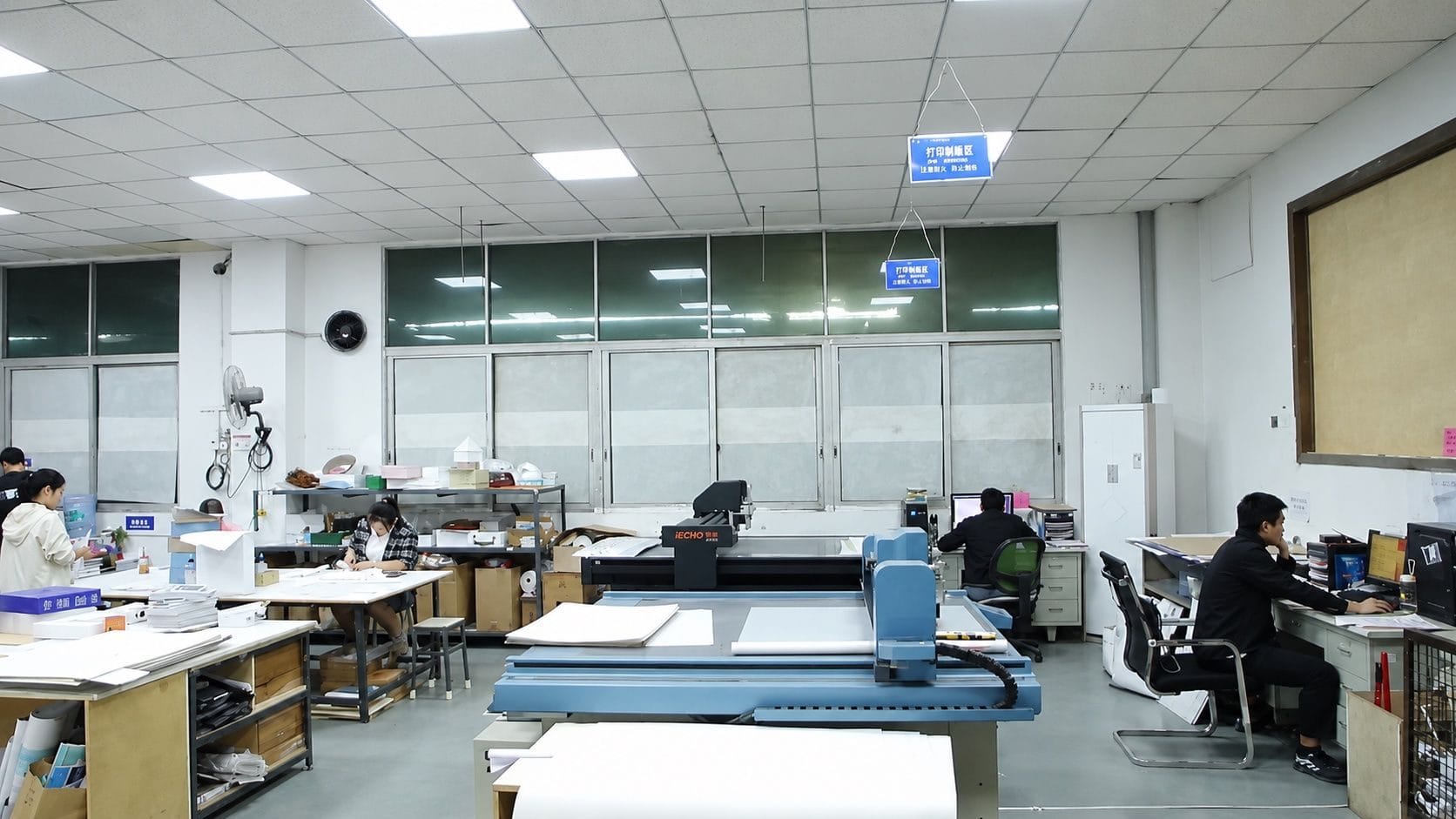
Confirm that the quoted facility regularly makes the proposed structure and can control the material, printing, converting, assembly, and packing steps shown in the RFQ. Ask for comparable work, a process description, and the responsible quality owner. Keep any unverified process as a shortlist condition rather than assuming the supplier will solve it after the order is placed.
MOQ should be confirmed against the exact size, artwork, material, structure, and quantity tier. Ask whether the minimum applies per design or to the combined purchase order, which setup or material commitments create it, and how a split shipment or repeat order changes the commercial terms. Put the confirmed minimum and exception route in the quotation before sampling.
For U.S.-market material-use review, start with FDA regulatory guidance, then have the buyer’s qualified compliance owner confirm the authorization and conditions that apply to the exact construction.
What proof is required before choosing Food Packaging Boxes
Food-packaging approval starts by mapping every component that may touch the product, then matching that use to the destination market and the food’s conditions of use. A broad suitability label is not enough on its own; the buyer needs material identity, intended-use evidence, and traceability tied to the exact construction being quoted.
Define the contact and use conditions
- Mark the potential product-contact path on the dieline or assembly drawing, including board, liners, windows, coatings, inks, adhesives, inserts, trays, wraps, and closures.
- Record the food type, direct or indirect contact, temperature and duration, grease or moisture exposure, and whether the packaging is used for heating, freezing, storage, or transport.
- Identify the destination market and responsible importer or compliance owner before asking the supplier which evidence applies.
Request evidence for the exact material
- Ask for the material specification, manufacturer or converter identity, lot or batch traceability, declaration or supporting documentation, and any test report relevant to the stated use.
- Check that the document names the same material, coating, adhesive, ink system, and construction proposed in the quotation. A generic certificate for another grade should remain an open item.
- For U.S.-market projects, have the buyer’s qualified compliance owner confirm the applicable authorization and conditions of use for the exact proposed material.
Verify factory and production controls
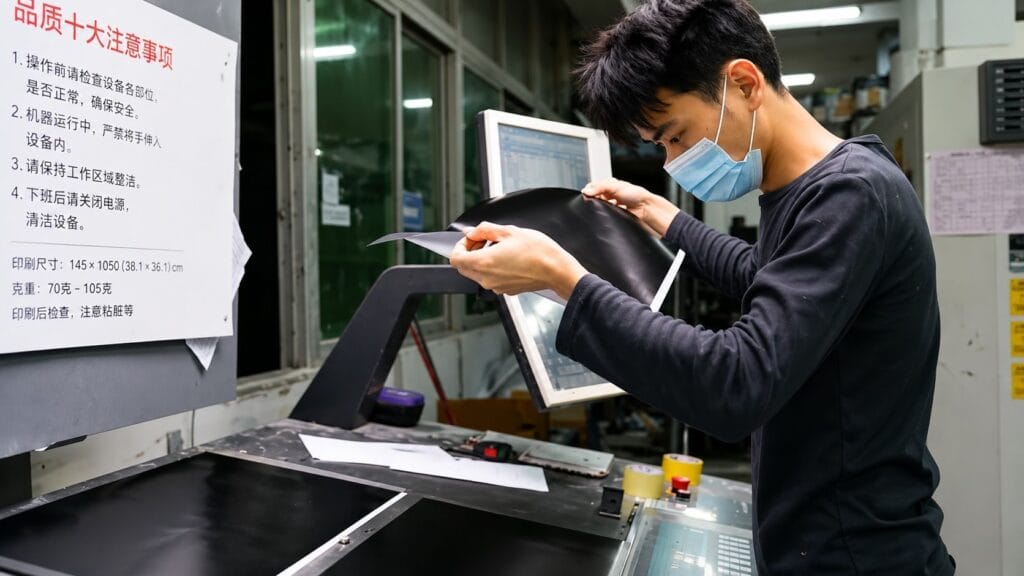
- Request incoming-material checks, approved-supplier controls, segregation and cleanliness practices, change-control rules, and the records retained for production lots.
- Confirm how the factory prevents an unapproved ink, adhesive, coating, or recycled-content change from entering the order after sample approval.
- Define the pre-production sample, inspection points, pack-out evidence, and shipment documents the buyer must approve.
The risk is that if material identity, use conditions, and destination-market requirements are not tied together, the buyer may approve documentation that does not cover the finished package. Keep the RFQ, evidence register, sample record, and supplier acknowledgement under the same revision before shortlisting.
For available structures after the evidence route is defined, review paper boxes products and send the supplier the controlled use profile.
Use the evidence for what proof is required before choosing food packaging boxes to compare the supplier record with Food packaging supplier Checklist for Folding Cartons | Netpak before accepting the requirement.
quote request checkpoint
How to separate direct and indirect contact in Food Packaging Boxes
Classify contact component by component rather than labeling the whole box with one broad claim. The same pack can include a direct-contact liner, an indirect outer carton, an adhesive at a seam, and a window or insert with a different exposure path. The buyer’s approval record should show what touches food, what is separated, and which evidence covers each material under the intended conditions of use.
| Option | Best fit | approval risk | Verification check | buyer follow-up |
|---|---|---|---|---|
| Board or liner that touches the product | The component is expected to touch food during filling, storage, transport, or use | Evidence may not cover the food, time, temperature, or destination market | Review exact grade, intended-use documentation, supplier identity, and lot traceability | Confirm market and use conditions before sample approval |
| Coating, barrier, or lamination | The layer forms the product-facing surface or prevents transfer from another layer | Unclear coverage, orientation, or process controls leave an exposure path open | Review coating identity, application side, process controls, and relevant use evidence | Mark coverage and orientation on the controlled drawing |
| Ink, varnish, and adhesive | The system sits near the product, seam, window, or another possible transfer path | Placement, set-off, or process variation may create unintended exposure | Check system identity, placement map, supplier documentation, and curing controls | Resolve the path before approving artwork or structure |
| Insert, tray, wrap, or bag | The inner component provides the intended separation while the outer carton remains indirect | Buyer approves only the outer carton and misses the actual contact component | Review material evidence for the inner component and proof of fit and separation | List both inner and outer materials in the RFQ |
| Window, vent, opening, or closure | The assembled and packed design can create contact not visible in the flat drawing | Movement or handling changes the exposure path after structure approval | Review an assembled sample with the packed product and final component map | Approve the packed configuration, not only the empty carton |
Direct-contact components
For any component expected to touch food, record the intended food type, contact time and temperature, processing or storage conditions, and destination market. Ask the responsible compliance owner to verify that the evidence covers that exact use.
Indirect-contact components
Document how the food is separated and whether transfer could occur through set-off, seams, windows, vents, or handling. “Outer box” does not automatically settle the question when the design creates another exposure path.
Buyer approval record
Attach the contact map, material specifications, supplier documents, controlled drawing, packed sample ID, and change-control rules to the purchase file. A later material or process change should reopen the affected compliance and sample checks.
A separate liner, coating, window, insert, additional document set, physical sample made from the intended production material, or required verification can change tooling, setup, unit price, and lead time. Ask the supplier to itemize the affected line and confirm the schedule impact before approval.
For dieline and specification support, review packaging customization and dieline specs after the component map is controlled.
What to request before sampling Food Packaging Boxes
Do not order a sample until the supplier has confirmed the construction, contact map, evidence register, and open compliance questions. The sample plan should state what will be production-representative and what remains a visual or structural approximation.
Supplier evidence to request
Request the manufacturing site, exact material and component specifications, intended-use documents, supplier or converter traceability, and the factory controls for incoming materials and approved substitutions. Tie every file to the quote request revision and destination market. If a document covers a different grade or use, keep the item open.
Sample approval evidence
Define whether the sample validates dimensions, assembly, product fit, contact surfaces, print and finish, closure, grease or moisture exposure, or pack-out. Record the sample ID, test or review method, acceptance criteria, approvers, and every characteristic that still needs a production proof.
Reorder control records
Lock material identities, suppliers, coatings, inks, adhesives, component map, artwork, sample reference, and packing instructions. Require written notification before a substitution or process change and identify which compliance, sample, or inspection check must be repeated.
The risk is that a visually correct sample can still be unsuitable if it uses a substitute stock or does not represent the production coating, adhesive, or pack-out. Release the sample stage only after the supplier acknowledges the evidence and change-control requirements.
For manufacturer context after the proof set is complete, review Zhypacking and send the controlled quote request revision.
How to move Food Packaging Boxes checks into an RFQ
Turn the selected supplier and construction into a controlled quote request and sample package. At quote request stage, the buyer should close the specification, evidence, contact map, and approval route before the buyer commits to tooling or bulk production.
Specification details to confirm
List the structure, finished dimensions, material grades, coatings, inks, adhesives, inserts, windows, closures, print and finish, pack-out, food type, contact conditions, destination market, and quantity tiers. Ask the supplier to return a signed confirmation plus every deviation.
Sample approval record
Identify the controlled drawing and artwork, sample ID, production-representative components, acceptance criteria, approvers, and unresolved characteristics. Keep supporting regulatory documents and test or review results with the same revision.
Production handoff notes
Issue the final specification, evidence register, approved sample, change log, inspection plan, packing instructions, and commercial confirmation with the purchase order. Require written buyer approval before the factory changes a material, supplier, formulation, process, or contact path.
When all three records agree, procurement can request the final quote, authorize a physical sample made from the intended production material, or release the order with clear hold points.
For food boxes, use custom packaging solutions to align the applicable specification, proof record, supplier responsibility, and quote request handoff before comparing quotes.
In conclusion
For food boxes in custom retail packaging, the next procurement action is a written quote request and sample approval record, not only a preferred style or unit price. Confirm the specification, MOQ assumption, artwork version, supplier capability, sample approval method, QC checkpoint, approval risk, and quote follow-up before bulk production.
For food packaging boxes, record each change to material, construction, branding, finish, packing, or supplier evidence in the quote request revision; then obtain a matching sample approval before production release.
Food packaging boxes FAQ
What should buyers confirm before ordering Food Packaging Boxes?
Confirm the product and use conditions, destination market, finished dimensions, structure, exact material grades, component map, coatings, inks, adhesives, print and finish, pack-out, quantity tiers, and required sample. Ask the supplier to return a signed specification, deviation list, and evidence register. The buyer’s qualified compliance owner should decide whether the documentation covers the intended use.
How should buyers compare MOQ, lead time, and quote terms?
Ask what the minimum applies to—size, artwork, structure, material, or total order—and price identical quantity tiers. Define the approval event that starts lead time and list the buyer decisions that can reset it. Compare tooling, setup, sampling, unit price, packing, inspection, freight boundary, document responsibilities, payment terms, price validity, and reorder rules on the same basis.
What sample, quality, or supplier checks reduce risk?
Use a sample that matches the decision: structural mock-up for geometry and product fit, printed proof for artwork, or physical sample made from the intended production material for materials and converting behavior. Request incoming-material controls, in-process and final checks, pack-out evidence, manufacturing-site confirmation, change-control rules, and traceable shipment records. Keep the approved sample ID and evidence register with the purchase order and reorder file.
For structure context after these checks are complete, review paper box size options and send the supplier the controlled quote request.
quote request handoff: Send Specs for Review.


Ask a Packaging Question