
A food-service bag that looks right on the counter can fail at the point of eating: grease soaks through, the bottom gives out, or the print rubs off on hands and wrappers.
This quote checklist walks one order from the food being packed to the shortlist — paper and coating, construction, sample evidence, cost terms, and the RFQ itself.
- Bottom line: the food decides the paper; the paper decides the construction.
- Greasy, hot, or wet products need barrier properties named in the spec.
- Samples must be production-intent, not marketing pieces.
- Cost, minimums, and timing only compare when scope is identical.
Direct answer: Start with the food: greasy items need a named grease resistance or barrier coating, and hot steaming food needs ventilation, not just strength. Choose between SOS with block bottom, pinch-bottom pouch, or gusseted construction by how the bag is filled and carried. Sample on production paper, run a fill test with the real product, and check soak-through after dwell time before quote.
Safety method and scope: The U.S. FDA food-contact packaging guidance and the EU’s Regulation (EC) No 1935/2004 make intended use and market relevant to food-contact review. Do not treat a paper or coating as universally suitable. Ask for evidence covering the intended food, contact type, temperature, dwell time, market, ink, adhesive, and barrier system, then verify it against the current regulatory route before approval.
Start With the Food Being Packed
Every specification downstream follows from the product. Material selection guides for bakery and takeaway bags, like this food paper bag material selection guide, begin with the same question: what actually goes inside.
- Dry goods bakery items, sandwiches, or retail snacks — usually fine on uncoated kraft.
- Greasy products fried or buttered items need grease resistance named and tested.
- Hot and steaming ventilation and heat behavior matter as much as strength.
- Service conditions counter handoff, delivery transit, or outdoor events each load the bag differently.
Write the heaviest, greasiest, and hottest realistic case into the RFQ. Suppliers quote to the case you describe — and the worst case is the one production will meet.
Match Paper and Coating to the Application
Paper grade and barrier treatment are cost drivers and failure points at the same time. Custom paper bag references such as this custom printed paper bag overview separate the two decisions for clarity.
- Basis weight chosen for the filled load, with an acceptable range stated in the spec.
- Barrier choice coating or grease-resistant stock matched to the food type — and compatible with the print.
- Direct contact where the bag touches food, ask which suitability evidence the supplier provides for the market you sell in.
- Print surface how the chosen paper takes ink or flexo print, verified on the actual stock.
A sample can pass a visual check and still fail in production, so these fields belong on the written spec sheet — not in a sales email. The risk is concrete: an unverified coating choice shows up later as soak-through claims, rejected deliveries, and reprints.
Use paper box size options for related checks.
RFQ checkpoint
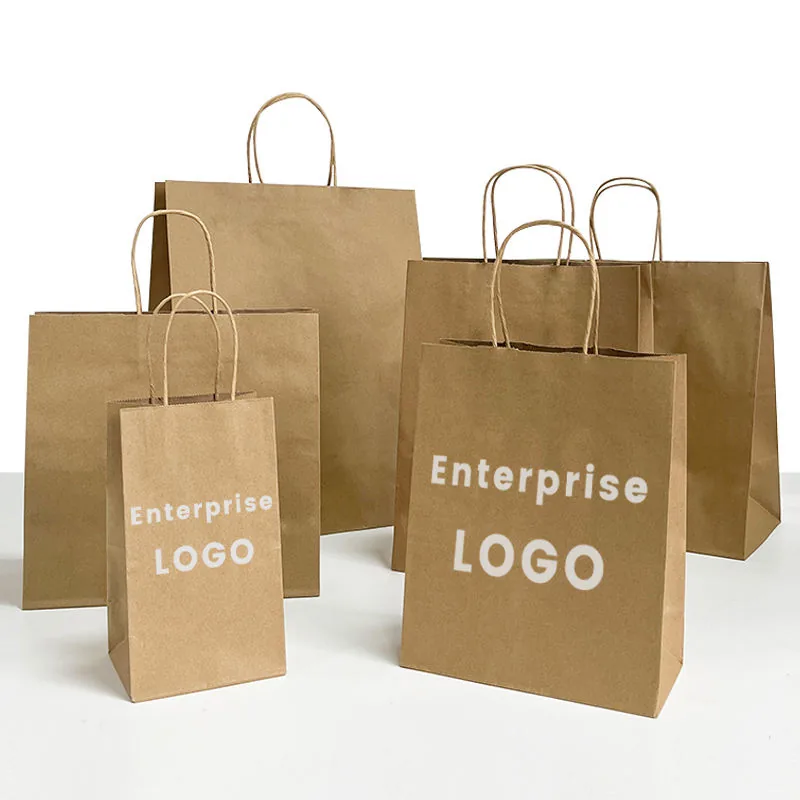
Check the product route for sizes, structures, materials, finishes, and RFQ details before sampling food service paper bags.
Compare the Construction Options
Construction follows the paper choice. Cost breakdowns for food packaging, such as this food packaging cost breakdown, show construction as one of the main quote drivers — so compare it explicitly.
| Construction option | Use case | Tradeoff | Verification check |
|---|---|---|---|
| SOS bag with block bottom | Counter service and heavier meals that must stand upright | More paper per bag; higher unit cost | Bottom failure under load — verify with a filled test |
| Flat or pinch-bottom pouch | Light dry goods, sandwiches, and high-volume dispensing | Limited standing stability; weaker for greasy loads | Load match per product family before ordering |
| Gusseted bag | Bakery volumes and variable fill levels | Gusset folds can crack print if grain is wrong | Fold and print check on the sample |
| Window or printed front | Display-led retail and branded takeaway | Window film adds cost and needs food-suitable sourcing | Film suitability evidence plus adhesion check |
Paper behavior differs by construction; material property references like paper bag properties explained describe why grain, weight, and barrier interact. Pick the narrowest construction that serves the menu, and ask the factory to show its grain and fold reasoning for gusseted options — construction mistakes are cheap to prevent at sampling and expensive to discover at the counter.
Before comparing suppliers, review custom packaging services for the related product or solution route.
Request Production-Intent Sample Evidence
- Production paper the sample uses the specified grade and coating, not a premium substitute.
- Fill test loaded with the real product, carried and held the way customers will.
- Grease and soak check after a realistic dwell time, not immediately after filling.
- Print rub surface print checked against handling, wrapping, and stacking.
Treat sampling as an inspection discipline, not a formality: lot-acceptance practice is formalized in standards such as ISO 2859-1 sampling inspection, and the same spirit applies at the sample gate. A supplier that cannot document paper grade, coating, and a production-intent sample should not reach the quote stage.
Use e-commerce packaging to align the sample and production handoff.
Read the Cost, Minimums, and Lead-Time Trade-Offs
- Scope separation material, print, construction, packing, and freight itemized so reorders stay comparable.
- Minimum order per design and per size; ask what changes it — colors, coatings, or construction.
- Lead-time triggers what starts the clock: artwork approval, deposit, or sample sign-off.
- Volume steps how the unit price moves across quantity tiers.
Procurement guides cover these mechanics in detail — for example restaurant packaging minimums at different volumes and this bulk bag cost and lead-time breakdown.
Use paper packaging quality control for related checks.
Build the RFQ and the Shortlist
- Spec sheet dimensions, basis weight, paper grade, barrier choice, print standard, and packing.
- Suitability evidence whatever direct contact documentation your market requires, requested by name.
- Quality system how the factory controls lots — a quality management reference such as ISO 9001 quality management gives a common vocabulary for the question.
- Scoring rank offers on evidence and scope first, unit price second.
Two shortlisted factories quoting different assumptions produce a false comparison. One identical RFQ turns the shortlist into a decision instead of a debate.
Conclusion: Quote on One Scope, Award on Evidence
The decision comes down to identical scope and verified samples: every offer answering the same spec, every shortlisted factory showing production-intent evidence, and cost drivers separated so reorders stay honest. Choosing paper bags for a food program is a structured exercise, as broader selection guides like this paper bag selection guide also argue.
Use the checklist as your RFQ skeleton, and bring the locked spec to the paper bags product page when you are ready to quote.
Food-Service Bag Quote FAQ
Which paper suits greasy food?
Grease-resistant stock or a suitable barrier coating, chosen for the specific food and dwell time. Kraft selection guides such as how to choose the right kraft paper bag make the same distinction between dry and greasy use.
What inputs should buyers confirm before quoting?
The food type, serving conditions, bag dimensions, paper weight, barrier choice, print spec, and quantity per design. Anything missing becomes an assumption priced differently by each supplier.
How do we check suitability for direct food contact?
Ask the supplier to name the evidence it provides for your destination market, and keep that evidence with the spec file. The request itself is a strong filter: capable factories answer with documents.
When is a printed bag worth the setup cost?
When the bag travels with the customer and works as branding — counter handoff and delivery. For back-of-house use, plain stock usually wins on cost.
RFQ handoff: For food service paper bags, share product scope, target quantity, sample expectations, QC questions, and delivery timing so each supplier is compared from the same evidence. Send Specs for Review.


Ask a Packaging Question