
Custom packaging solutions need a written specification before the buyer can plan custom artwork, dielines, samples, finishes, and production handoff; otherwise suppliers may quote different product and approval assumptions.
This guide connects custom packaging solutions to parameters, cost impact, supplier risk, factory process, and procurement advice.
Direct answer: For custom packaging solutions, align artwork files, dimensions, material and finish targets, a signed-off sample, packing instructions, and the bulk-production handoff in one controlled specification.
What buyers should confirm before choosing custom packaging solutions
Use this table to connect structure, finished dimensions, material, artwork revision, quantity, sample evidence, and packing method to its verification method, approval risk, and buyer follow-up before RFQ or sample sign-off.
| Specification | Quality control | Verification method | approval risk | buyer follow-up |
|---|---|---|---|---|
| Finish or surface effect | Supplier provides gloss/color meter readings against approved standard. | Request finish sample under buyer-approved viewing conditions; compare to approved standard. | Finish deviation causes brand inconsistency or customer returns. | Request RFQ with finish specification and sample. |
| Artwork or logo file | Artwork file must be vector format with PMS/CMYK references. | Check file resolution, bleed, and color codes in pre-press proof. | Low-res or incorrect color leads to costly reprints and delays. | Submit final artwork with signed proof approval. |
| Sample approval | Production sample matches approved strike-off and dimensions. | Measure sample against spec; inspect finish and assembly under QC checklist. | Unapproved sample can result in batch rejection and lost time. | Approve sample with written sign-off before production. |
Evaluation criteria for buyers
For buyer evaluation, attach the accepted structural proof to the quote comparison and name the person who signed off the finish, fit, and pack-out. The factory response should show which production control will preserve each point.
Best-fit use cases and trade-offs
For the shortlisted packaging structure, seat the product in the converted sample and record fit, closure movement, insert clearance, and dieline revision on the approval sheet. Release bulk tooling only after those four checks match the quoted configuration.
Procurement checks before ordering
Before issuing the purchase order, record the chosen board, artwork revision, finish sample, packing diagram, and responsible approver in the project file. Use that file to resolve inspection and reorder questions.
Ask whether material grade, print coverage, finish, insert complexity, packing method, MOQ, lead time, or freight weight changes the quote before approving the sample.
The risk is that unclear specifications can create wrong quotes, failed samples, quality disputes, delivery delays, or reorder variation.
Confirm whether the 200 pcs project-level MOQ applies per size, artwork version, structure, or finish before comparing unit prices.
Use the evidence for what buyers should confirm before choosing custom packaging solutions to compare the supplier record with ISO 9001:2015 — Quality management systems — Requirements before accepting the requirement.
How to match Custom Packaging Solutions to the right packaging format
Start with the product’s protection, presentation, distribution, and packing requirements, then select a structure that can be verified with the right sample. A format is not “premium” or “cost-effective” in isolation: its value depends on fit, damage exposure, shelf role, packing labor, freight profile, and the approval evidence available to the buyer.
- Define the use case. Record product dimensions and weight, fragility, orientation, closure needs, shelf or unboxing role, distribution channel, pack-out process, and ship-to conditions. Separate requirements from preferences so the supplier knows what cannot change.
- Shortlist structures by risk. A folding carton may suit lightweight retail presentation, a corrugated mailer can add distribution protection, a rigid box can support a presentation-led launch, and a paper bag serves a different carrying task. Ask the supplier to explain the trade-off in material, packing, freight, tooling, and assembly for the actual product.
- Choose the proof route. Use a dieline or white mock-up to confirm geometry and fit, a printed proof or swatch for artwork and finish, and a physical sample made from the intended production material when material, converting, closure, or pack-out performance must be approved.
- Normalize the quote. Require every option to use the same dimensions, quantity tiers, artwork status, finish, sample expectation, packing configuration, delivery boundary, and approval assumptions. Itemize tooling, setup, unit price, packing, inspection, and freight where applicable.
- Release one controlled option. Attach the approved structure, specification, artwork revision, sample record, deviation list, inspection plan, and packing notes to the purchase order. Any later change should show its price, schedule, and approval effect before the factory proceeds.
Choose by product protection
Test the packed product, not an empty display sample. The buyer should confirm clearance, restraint, closure, compression or handling exposure, and any weak point created by windows, cutouts, or inserts.
Match the distribution path
Retail handling, parcel delivery, wholesale cartons, and direct-to-consumer fulfillment create different risks. Ask which format the supplier recommends for the stated route and what evidence supports that recommendation.
Confirm the production route
Before sampling, verify that the chosen structure, material, print method, finish, and quantity are feasible at the proposed factory. Resolve substitutions and open artwork questions before tooling or plates are released.
For structure and supplier options, review custom packaging customization after the product requirements and approval route are controlled.
Use the evidence for how to match custom packaging solutions to the right packaging format to compare the supplier record with The Best Solutions for Branded Retail Packaging in 2025 before accepting the requirement.
RFQ checkpoint
Which specs change by application in Custom Packaging Solutions
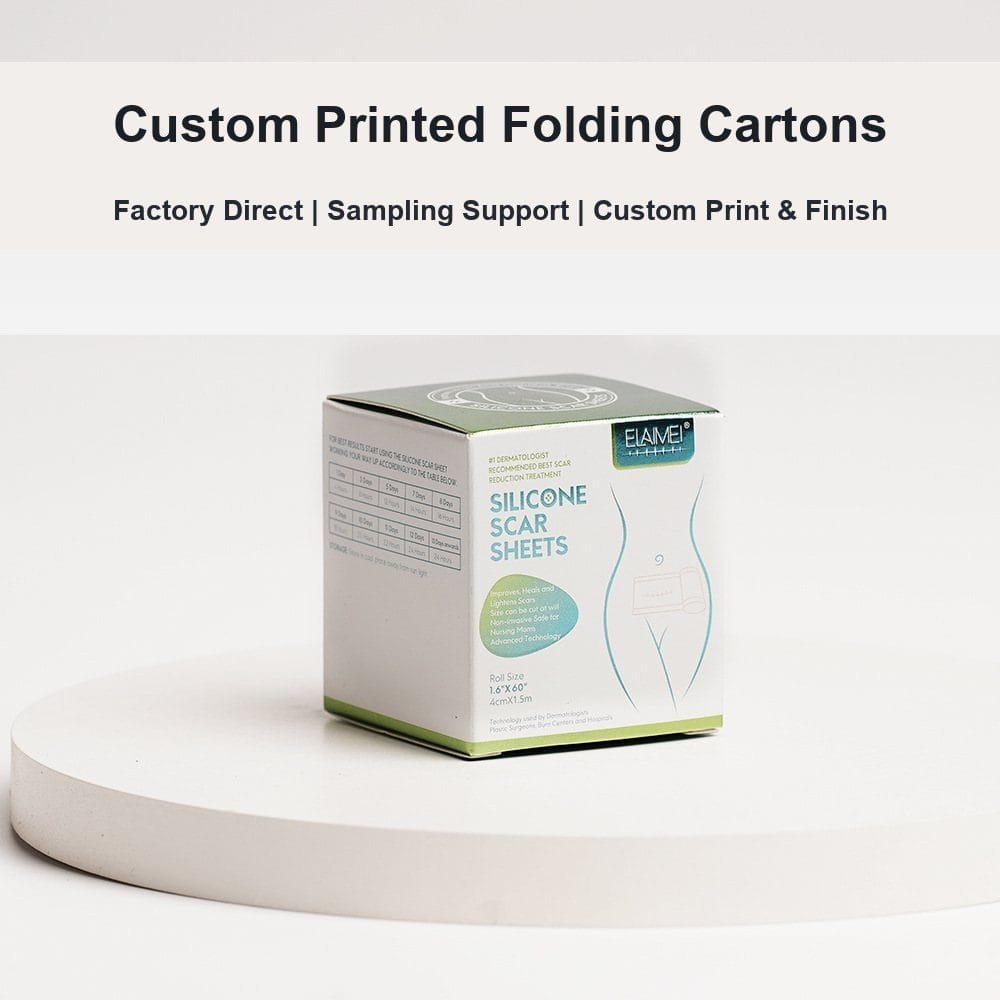
Different applications need different proof before the supplier can quote accurately. A bakery box, ecommerce mailer, retail folding carton, and rigid gift box may all use custom retail packaging printing, but the risk changes by product weight, display requirement, closure style, and packing workflow.
| Application | Spec that changes first | approval risk if missed | Proof to request |
|---|---|---|---|
| Ecommerce shipping kit | Outer size, corrugated flute, closure, insert fit | Freight cost, crush risk, or poor unboxing fit | Packed sample with product and insert |
| Retail folding carton | Board grade, print face, barcode area, fold tolerance | Shelf presentation or scanning problems | Dieline proof and folded sample |
| Rigid gift box | Greyboard thickness, wrap paper, insert, opening style | Loose lid, weak presentation, or high unit cost | Structure sample and finish swatch |
| Paper bag program | GSM, handle type, logo color, load expectation | Handle tear, color mismatch, or reorder variation | Handle pull check and color proof |
Match the application to the proof type before asking for a final price. This keeps the supplier from quoting a generic custom packaging solution that cannot be approved for the real use case.
Where buyers should go next after Custom Packaging Solutions
Once the format is selected, shift from exploration to change control. Procurement should create one approval register that identifies the controlled files, responsible approver, supplier acknowledgement, and commercial effect of every proposed change.
Change approvals before production release
- Artwork and prepress: record the final file name, dieline revision, color references, finish zones, barcode status where relevant, and brand approver. A changed logo, text, color, or finish map requires a new proof and a written assessment of setup and schedule impact.
- Structure and fit: lock finished dimensions, material construction, insert, opening direction, closure, and pack-out. If any of these changes, request a revised drawing and the sample type needed to revalidate fit or handling.
- Material and finish: identify the approved substrate, thickness or grade, print method, lamination, foil, embossing, coating, and reference sample. The supplier must disclose any substitution before production and confirm its effect on appearance, performance, price, and lead time.
- Commercial scope: reconcile tooling, setup, unit price, packing, inspection, freight boundary, and quantity tiers with the final approved construction. Convert every estimate or exclusion into an included line, a buyer-owned task, or a priced option.
- Production handoff: issue the signed specification, approved proof or sample ID, deviation log, inspection plan, packing instructions, and purchase order as one release set. Require the factory to acknowledge the revision before work starts.
The risk is that an unlogged change can invalidate the sample, move the quotation boundary, delay production, or leave the factory and buyer working from different revisions. Keep production on hold until the affected proof and commercial record are approved.
Do not approve a change from a chat message alone. Add it to the register, identify who owns the decision, and update the affected proof, quotation, or schedule. Buyers ready to map the approved format to a production route can continue through the custom paper packaging solutions page with the controlled quote request package.
How to move Custom Packaging Solutions checks into an RFQ
Convert the selected format into a supplier-ready release package. The buyer follow-up is to freeze what will be made, identify the proof that authorizes production, and state how the buyer will verify the result before shipment.
Supplier evidence to request
Request evidence for the quoted manufacturing site, relevant structures and finishes, production controls, and inspection process. Match each proof item to a buyer requirement; a general portfolio should not close a job-specific capability question.
Sample approval evidence
Record the sample or proof ID, controlled specification and artwork revisions, acceptance criteria, approvers, and any feature the sample does not validate. If the supplier cites a quality-management certificate, use ISO’s official ISO 9001 overview as the reference point, then verify the certificate number, issuer, scope, covered facility, and current status.
Reorder control records
Carry the approved material, artwork, color reference, finish, tooling record, sample ID, packing instructions, and inspection criteria into the reorder file. Require written buyer approval before a substitution or process change, and ask the supplier to show the price and schedule effect.
Send the final package with the quote request or purchase order and obtain supplier acknowledgement of the complete revision. That acknowledgement becomes the baseline for production release, inspection, and any later dispute.
When the shortlist is set, score each supplier with the custom packaging supplier checklist and compare the returned quotes against comparing packaging quotes without missing specs.
A workable shortlist keeps one format per job rather than one supplier per format: mailer boxes for parcel shipping, folding cartons for shelf-ready retail units, rigid boxes for gift presentation, and paper bags for carry-out. Once the use case is fixed, the quote inputs (size, board, print coverage, finish, insert, quantity, and packing method) stop drifting between suppliers, which is what makes the returned prices comparable.
In conclusion
The best format is the one that protects the actual product, fits the distribution and packing workflow, supports the intended presentation, and can be approved with clear evidence. Before requesting the final offer, freeze the structure, material, artwork, finish, quantity, pack-out, delivery boundary, and sample route.
The risk is that choosing from unit price or appearance alone can leave fit, distribution, packing labor, or production assumptions unresolved, creating failed samples, change charges, or repeat-order drift.
Send suppliers the same controlled quote request, compare compliant totals and deviations, and carry the approved proof, inspection plan, and change log into production. Buyers who have completed that package can use the custom packaging solutions page to request a quote or confirm the next sample step.
Custom packaging solutions FAQ
What should buyers confirm before ordering Custom Packaging Solutions?
Confirm the product and use case, finished and flat dimensions, structure, material grade, print and finish references, inserts or accessories, pack-out, quantity tiers, delivery boundary, and required proof or sample. The supplier should return a signed specification and a separate deviation list. Before purchase approval, reconcile those documents with the final quotation and the sample record so the factory is not pricing or producing from an earlier revision.
How should buyers compare MOQ, lead time, and quote terms?
Ask whether the minimum applies per size, design, color, structure, or purchase order, then price the same quantity tiers across suppliers. Define the event that starts lead time and list buyer approvals or material decisions that can reset it. Compare itemized tooling, setup, sampling, unit price, packing, inspection, freight, taxes or duties where applicable, payment terms, price validity, and reorder rules on the same commercial boundary.
What sample, quality, or supplier checks reduce risk?
Choose a sample that validates the actual risk: structural mock-up for geometry and fit, artwork proof for placement, finish swatch for appearance, or physical sample made from the intended production material for material and converting behavior. Ask for the inspection plan, defect handling, pack-out checks, manufacturing site, and relevant certification details. Keep the approved sample ID, specification, inspection criteria, and change-control route together for bulk production and reorders.
For product context after these checks are complete, review Zhypacking services and send the supplier the controlled quote request package.
quote request handoff: Send Specs for Review.

Ask a Packaging Question