
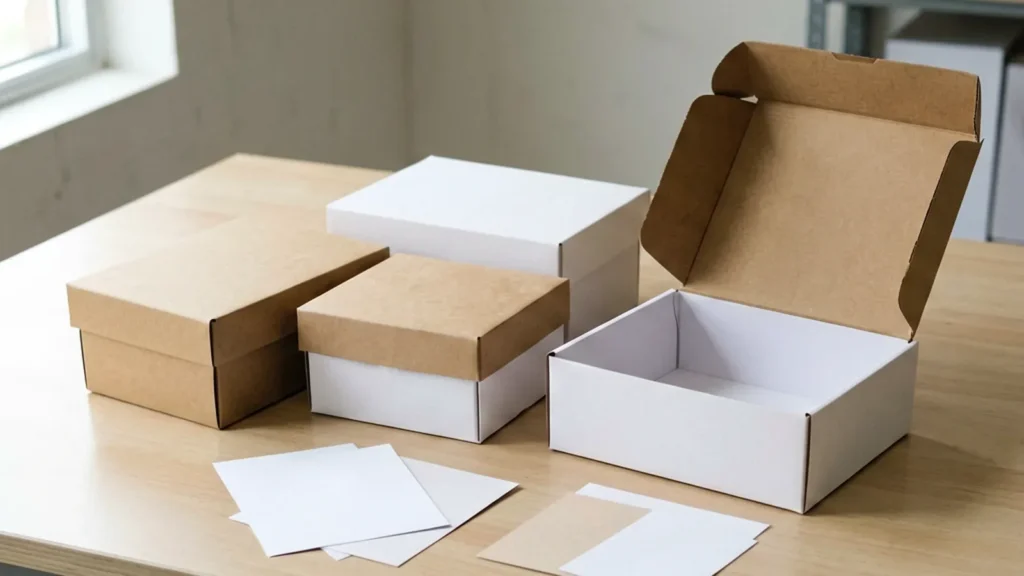
Planning custom magnetic boxes starts with the product dimensions and distribution route, because both affect board, structure, print, insert clearance, packing, and the sample used to release production.
This packaging guide turns those choices into a dieline brief, sample sign-off record, and quote checklist for comparing suppliers on the same specification.
Direct answer: For custom magnetic boxes, start with the use conditions and required performance, then convert them into measurable specifications, supplier evidence, sample checks, and RFQ exclusions.
Define the Buyer Requirement
| Application | Fit condition | Risk to avoid | Specification or proof | Follow-up |
|---|---|---|---|---|
| Luxury retail gift box for a 300-gram perfume set | Rigid board at the buyer-confirmed thickness, wrapped in 157gsm art paper with soft-touch lamination | Magnet pocket depth mismatch causes lid to bulge or fail closure after the buyer-approved cycle count | Submit a pre-production sample with magnet pull-force test report | Approve the sample against your product's weight and hinge tolerance |
| Subscription box for 6 fragile ceramic items | Double-wall corrugated insert with custom die-cut slots and neodymium magnets | Insert foam density too low leads to item shift and breakage during transit | Request the insert's ECT (edge crush test) value and a drop-test video | Verify the ECT meets your carrier's parcel standard before bulk order |
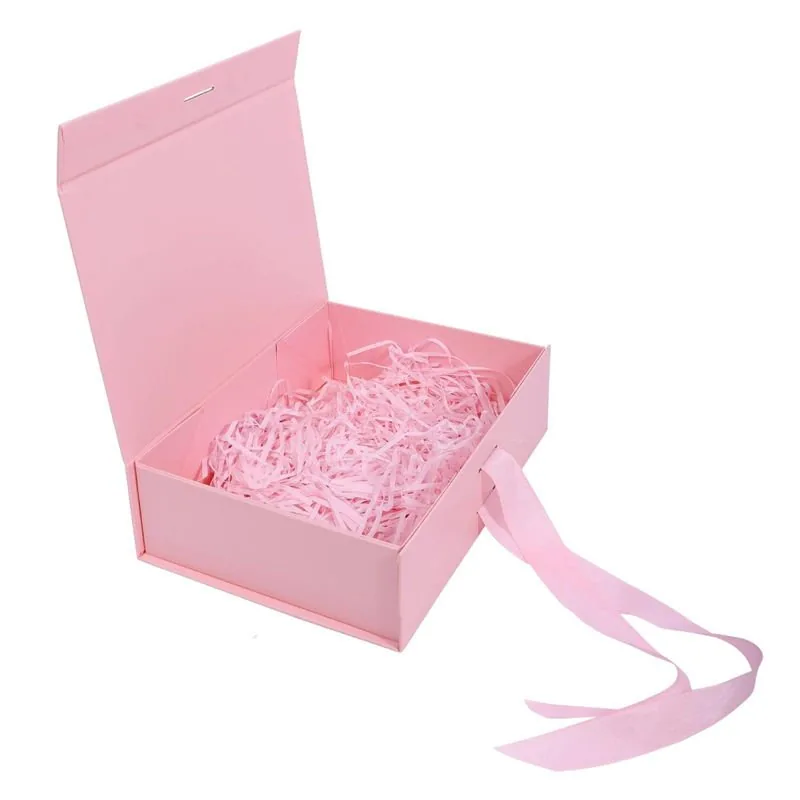
| E-commerce unboxing kit for a premium electronics accessory | Magnetic flap closure with greyboard at the buyer-confirmed thickness, matte lamination, and ribbon pull | Magnet misalignment beyond the agreed tolerance causes flap to stay open, reducing perceived value | Provide a magnet-position diagram with the buyer-approved tolerance callout | Inspect the first-article sample under a go/no-go gauge for magnet placement |
| Corporate gift box for 500 identical promotional items | Standard rigid box with the specified board, one-color foil stamp, and specified magnet | Foil stamp registration drifts across the run, creating brand inconsistency | Request a foil-stamp proof on the actual board stock before production | Sign off on the proof and set an agreed random inspection during packing |
Use this application fit table as one approval sequence. For luxury retail gift box for a 300-gram perfume set, a poor decision can mean magnet pocket depth mismatch causes lid to bulge or fail closure after the buyer-approved cycle count. Request written proof and compare it with the approved sample or specification. Use the result to decide whether this checkpoint can proceed or must stay on hold.
Preserve the luxury retail gift box for a 300-gram perfume set decision under one revision number: keep the supplier response, marked sample, approved specification, quotation, and approval owner together. If the evidence conflicts with the approved record, hold the quote, sample, or production release until the deviation is explained in writing. Once the buyer and designated technical authority have accepted the evidence, carry the signed approval record into the purchase order, production handoff, shipment release, and later reorder review so every team works from the same baseline.
- Board thickness and magnet pull force meet the product weight and unboxing sequence. Factory test report for board caliper and magnet gauss reading per box size. Supplier quality or production manager. Box fails to stay closed or hinge cracks during first use. Request the test report before sample approval.
- Magnet pocket depth and adhesive bond pass a 24-hour peel test. Video of the peel test on three production samples from the same run. Supplier QC team. Magnets detach after a few cycles, causing returns. Add the peel test video to the sample approval checklist.
- Finished box dimensions stay within the buyer-approved tolerance of the spec sheet. Inspection report from the first production samples off the production line. Supplier QC or third-party inspector. Boxes do not fit the product or retail shelf, causing rework. Require the first-piece inspection report before bulk production.
- Supplier has run similar magnetic box orders recently. Order history or client reference for comparable box sizes and magnet types. Supplier sales or account manager. Supplier lacks experience, leading to delays or quality issues. Ask for two client references and confirm by phone or email.
Compare the supplier record with the ISO 2859-1 sampling inspection standard before accepting the requirement.
Compare the Available Routes
Before ordering, verify that the factory can produce a box that matches your product’s weight and dimensions. Ask: What is the maximum grammage of paperboard you can wrap around the specified magnet? A confirmed sample with a magnet pull test report eliminates guesswork.
Use this checklist to compare supplier options:
- Specs: Confirm that the factory’s standard magnet size aligns with your box closure force requirement.
- Production risk: Ask: How do you prevent magnet misalignment during lamination? Look for a jig-based assembly process.
- Factory execution: Request a video of the box being opened and closed 50 times to verify hinge durability.
- quote request/sample handoff: Require a sample with a signed spec sheet before approving mass production.
For rigid magnetic boxes, the table below compares common routes:
| Route | Key Check | Buyer Question |
|---|---|---|
| Stock box + custom print | Magnet strength | Does the stock magnet hold my product weight? |
| Custom size + standard magnet | Paperboard thickness | What is the minimum board weight for my dimensions? |
| Fully custom (size, magnet, wrap) | Sample approval | What is the lead time for a pre-production sample? |
After comparing routes, move to the quote request stage only when you have a verified sample that passes your closure and hinge tests.
quote request checkpoint
Review the Required Proof
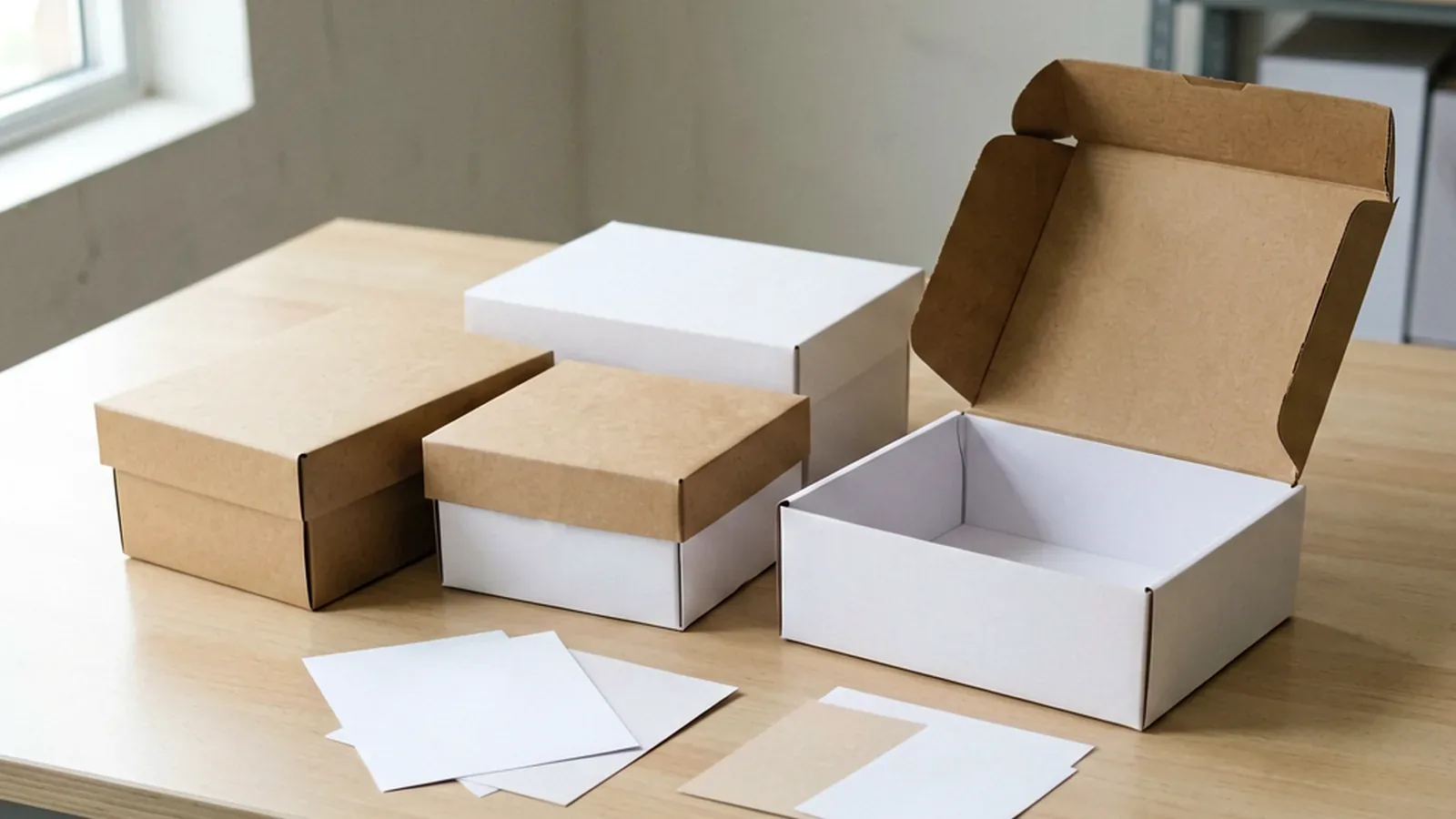
- Custom magnetic boxes for retail gift sets or subscription products require tighter dimensional and material specs than standard folding cartons. Verify greyboard thickness, magnet pull force, and wrap paper GSM against your product weight and lid drop test. Under-spec board causes lid sag; weak magnets can fail after repeated opens. Both defects can raise return rates and damage brand perception. Request a spec sheet with tolerance ranges and ask for a drop-test video from the factory sample room.
- Magnetic closure boxes need QC gates that standard carton lines skip, especially magnet alignment and glue bond strength. Check that the factory runs a magnet-pull test on every production batch and documents glue-cure time before packing. Misaligned magnets or cold glue joints cause field failures that are invisible until the box reaches the end user. Shortlist only suppliers who share a written QC checklist for magnet placement tolerance and bond shear test results.
- Custom packaging customization for magnetic boxes often requires a minimum order quantity that covers die setup and material cutting waste. Confirm whether the project-level MOQ applies, or verify if your chosen size/construction triggers a higher minimum. Ordering below the MOQ can delay production or force a price adder that erodes margin. A clear MOQ check prevents last-minute quote surprises. Compare your forecast volume against the MOQ threshold and request a written minimum order confirmation before sample approval.
- Buyers often approve a magnetic box sample without reviewing the production proof, then face color or fit deviations in bulk. Require a signed production proof that shows final artwork, dimensions, magnet position, and packing spec before the factory cuts material. A sample may use hand-cut board and single-sheet print; production runs use die-cut and offset. Without a proof, you approve a process that differs from the sample. Add a proof-approval gate to your timeline and do not release the production deposit until the proof matches the signed spec.
- Approval risk rises when the buyer and factory use different measurement units or ignore cumulative tolerance across multiple box components. Document the acceptable tolerance for lid-to-base gap, magnet recess depth, and wrap paper overlap in millimeters. A small gap per side adds up to a larger total mismatch that makes the lid wobble. Without written tolerances, the factory ships what passes their internal check, not yours. Write your tolerance table into the purchase order and ask the QC team to measure three random samples from the first production carton.
Build the Decision Asset
When a magnetic box fails at the hinge or magnet alignment, the buyer absorbs the cost of returns and lost shelf appeal. The concrete failure mode is inconsistent magnet placement causing lid sag or misalignment. The control is a three-step decision asset: supplier proof check, sample approval check, and reorder control check.
Supplier evidence to request
Request a process capability report that documents magnet insertion tolerance and board thickness consistency. Verify the factory uses a jig-based assembly line rather than manual placement. This eliminates the ambiguity of whether the supplier can hold tight specs at scale.
Sample approval evidence
Inspect pre-production samples for magnet pull force (at or above the buyer-approved force threshold) and hinge flex cycle (the agreed number of opens without deformation). Reject any sample with visible adhesive bleed or uneven closure. This check confirms the factory execution matches the quote request.
Reorder control records
Establish a first-article inspection protocol for each reorder. Compare the new run against the approved sample using a go/no-go gauge for magnet position. This prevents production drift and ensures the reorder cost or minimum order terms are honored without surprise spec changes.
Use this table to track the handoff from quote request to sample sign-off:
| Checkpoint | Specification | Pass Criteria |
|---|---|---|
| Supplier proof | Magnet tolerance within the buyer-approved tolerance | Jig-based assembly documented |
| Sample approval | Pull force ≥ the buyer-approved force threshold | Agreed hinge cycles without failure |
| Reorder control | First-article inspection | Matches approved sample go/no-go |
By building this decision asset, the buyer shifts from reactive troubleshooting to proactive spec enforcement, reducing production risk and ensuring each quote request/sample handoff is repeatable.
Prepare Comparable RFQ Inputs
At this process checkpoint, you must have a finalized product specification sheet and target unit price range before requesting quotes. Without these, factory responses will be inconsistent and hard to compare.
Use the checklist below to standardize your quote request inputs across suppliers:
- Specifications: List exact dimensions (mm), board thickness (e.g., gray board thickness in mm), magnet type (e.g., neodymium or ferrite), and closure style (e.g., hinged lid with ribbon pull).
- Cost or minimum order: State your target unit cost and preferred order quantity. Note that magnetic box tooling costs vary by magnet count and hinge complexity.
- Production Risk: Identify critical quality points—magnet alignment tolerance, hinge durability cycles, and warp resistance under high humidity.
- Factory Execution: Require a sample run for dimensional and closure testing before full production.
- quote request/Sample Handoff: Submit a single PDF with all specs, a 3D render or physical sample reference, and a clear timeline for sample approval.
For more on aligning with factory capabilities, see our paper packaging quality control.
In conclusion
The final approval for custom magnetic boxes products rests on verifying that the quoted unit price aligns with your chosen board thickness and magnet grade, as these two variables are the primary cost driver in rigid box production. Before you shortlist a supplier, document the specific magnet pull force and hinge tolerance required for your product, then compare those requirements against the factory’s standard specifications to identify any approval risk from misaligned performance expectations. Validate the spec by requesting a sample that matches your finalized dimensions and closure force, and use that sample to confirm the supplier can deliver consistent magnet alignment across the full production run.
Frequently Asked Questions
How should a b2b buyer match industry use case?
Start by mapping your product’s dimensions, weight, and unboxing sequence to the box style—rigid magnetic boxes suit heavier items, while folding cartons work for lighter goods. Check the supplier’s past orders for similar industries to confirm they understand your application’s structural demands, and request a specification sheet that lists board thickness, magnet size, and closure angle tolerance before comparing quotes.
Which supplier proof should buyers request for custom magnetic boxes?
Before approving custom magnetic boxes, request a sample or written proof that matches the final material, structure, print, finish, and packing requirement. Ask what QC evidence the supplier can return and who owns approval if the sample changes. The risk is moving to bulk production without a shared reference for defects, color, fit, or reorder consistency.
What should buyers lock before approving buyer use-case fit checklist?
Lock the final specification sheet that details board type, magnet size and placement, closure force requirement, and print finish, then confirm the production lead time of 15–30 working days after sample approval. Require a signed first-article inspection report for the initial order and each reorder, and verify the supplier’s risk mitigation steps for magnet sourcing or hinge failure to ensure consistent quality across volume.
quote request handoff: Send Specs for Review.
Ask a Packaging Question