
Cosmetic formats drive the carton, not the other way round. This maps fill type to board, insert, and finish, then to the compatibility proof a supplier should already hold.
Direct answer: Map the cosmetic format to the primary pack and carton, then approve board, insert, finish, and fit on a physical sample before bulk production.
Map the Cosmetic Format to the Primary Pack and Carton
| Requirement | Factory control | Evidence to verify | Order risk | RFQ follow-up |
|---|---|---|---|---|
| Sample approval | Pre-production sample must match approved artwork, dimensions, and finish. | Inspect sample against signed-off proof; measure critical dimensions. | Deviation in color or size leads to rework or rejection. | Request sample and approve in writing before production. |
| MOQ and order quantity | Factory confirms the 200 pcs project-level MOQ unless a product-specific exception is confirmed; production run adheres to confirmed quantity. | Check order confirmation and packing list for quantity accuracy. | Underproduction delays launch; overproduction increases inventory cost. | Confirm MOQ and lead time in RFQ before PO. |
| Material / substrate | Material grade and thickness per spec; supplier provides material data sheet. | Request material certificate and verify physical properties. | Substandard material affects durability and brand perception. | Request material spec and certificate in RFQ. |
| Finish or color control | Color match to Pantone; finish (gloss/matte) consistent across batch. | Compare sample to approved color standard under buyer-approved viewing conditions. | Color mismatch leads to brand inconsistency and returns. | Approve color sample and request color report. |
Keep the supplier response, marked sample, and approval owner under the same revision number. If any proof conflicts with the approved record, hold the quote, sample, or production release until the supplier explains the deviation in writing. Before closing the checkpoint, reconcile the latest drawing, sample, quotation, and approval comments, identify which record controls if they disagree, and document the resolution. Carry the signed table into the purchase order and production handoff so the same checks support quote comparison, sample approval, shipment release, and later reorders.
Compare the Available Routes
| Option | Best fit | Trade-off | Risk to avoid | Verification | Follow-up |
|---|---|---|---|---|---|
| Current specification | Approved artwork and materials already in production; fastest reorder path. | No room for cost or weight reduction without a change request. | Spec drift if supplier substitutes material without written approval. | Check that the latest approved sample matches the bulk run. | Document the approved spec and share it with the QC team. |
| Alternative specification | When you need a different finish, size, or material without full redesign. | May require new tooling or longer lead time; confirm by RFQ. | Incompatibility with filling line or shelf display if dimensions change. | Request a pre-production sample and test it on your line. | Compare the alternative spec against your current cost and lead time. |
| Safer fallback | When you need a proven, low-risk option for a tight deadline. | Limited differentiation; may not match premium brand image. | Underestimating the impact on perceived product quality. | Confirm the fallback meets your minimum durability and print standards. | Order a small pilot run to validate the fallback before full launch. |
For cosmetics beauty packaging dieline and custom packaging specs, preserve the current specification decision under one revision number: keep the supplier response, marked sample, approved specification, quotation, and approval owner together. If the evidence conflicts with the approved record, hold the quote, sample, or production release until the deviation is explained in writing. Once the buyer and designated technical authority have accepted the evidence, carry the signed record into the purchase order, production handoff, shipment release, and later reorder review so every team works from the same baseline.
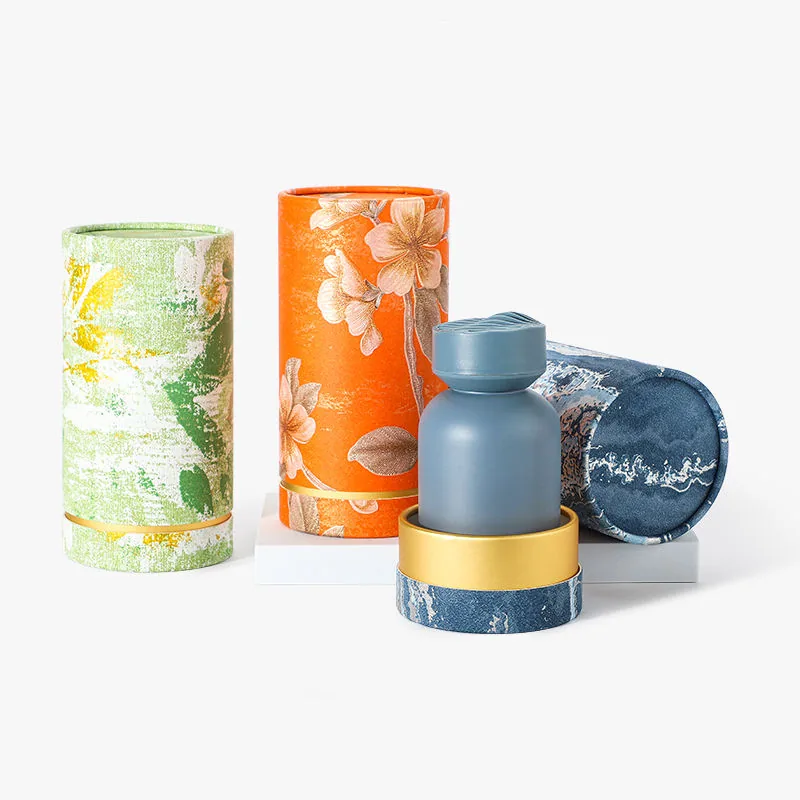
Verify Board, Insert, Finish, and Compatibility Proof
Before you approve any packaging component, demand measurable evidence—not promises. A physical sample, a third-party test report, or a signed specification sheet turns a subjective choice into a verifiable decision. Start by listing every requirement from your product brief: material grade, wall thickness, closure torque, decoration method, and drop-test standard. Then, for each item, define what proof you will accept.
Use this checklist as your approval sequence:
- Specs: Confirm dimensions, capacity, and material match your approved drawing; request a dimensional report.
- Cost or MOQ: Ask for a line-item quotation that separates tooling, unit price, and decoration; verify minimum order against your forecast.
- Production risk: Identify any custom mold, complex assembly, or specialty finish; request a risk assessment or pilot-run plan.
- Factory execution: Require a pre-production sample and a signed quality checklist before mass production.
- quote request/sample handoff: Send a formal quote request with your checklist attached; log every sample received and its test result.
For example, if your product uses a pump, request a leak test report and a cycle test. If you use hot-stamping, ask for a rub-test certificate. These records become your audit trail.
Keep this checklist in your quote request document so suppliers know you evaluate on evidence, not assurances. For more packaging options, see our custom paper packaging.
Project-specific decision lens: Approve cosmetics packaging with a physical fit and finish record. Verify board grade and thickness, grain direction, dieline dimensions, insert cavity and retention points, glue areas, print color target, foil or coating limits, rub resistance, barcode quiet zone, batch-code area, and the way the pack opens after transit. Check contact risks when the primary pack can leak or transfer oil, alcohol, or fragrance to paper components. Compare an unfilled structural sample, a printed pre-production sample, and a packed transit sample so appearance approval does not hide fit or distribution failure.
Build the Decision Asset
At the point where you have shortlisted packaging routes, the record needed before the next stage is a documented decision asset—a single file that consolidates supplier proof, sample approvals, and reorder controls. This asset becomes your reference for every future purchase order and quality audit.
Supplier evidence to request
Verify that each supplier can provide verifiable evidence of their process controls. This includes material certificates, in-house testing protocols, and traceability records. Do not accept verbal assurances; require documented proof that aligns with your specification sheet.
Sample approval evidence
Before mass production, approve physical samples against your functional and aesthetic criteria. Record the approval status, any deviations, and the date of sign-off. This step prevents costly rework and ensures the final product matches your brand standards.
Reorder control records
Establish reorder triggers based on your inventory turnover and lead time. Define minimum order quantities, safety stock levels, and approval workflows for repeat orders. This ensures consistent quality and avoids production delays.
Use the following table to structure your decision asset:
| Requirement | Approval Evidence | Status |
|---|---|---|
| Material spec compliance | Test report | Pending |
| Sample visual match | Signed sample card | Approved |
| Functionality test | Drop test result | Approved |
| Reorder trigger defined | Inventory policy | In progress |
This asset also serves as your quote request and sample handoff document. When you move to the next stage, you can share it with internal stakeholders or new suppliers to ensure alignment. For more guidance, explore our Zhypacking.
Send a Cosmetics Packaging RFQ with Fill and Pack-Out Data
- Can you provide a sample of a similar cosmetic box with your standard print and finish? Confirms the supplier's actual production capability for beauty-grade packaging, not just catalog claims. Sample shows crisp print, even coating, and no visible defects on curves or edges. A supplier without hands-on experience may deliver inconsistent color or finish across batches. Request a pre-production sample and compare it against your approved color and finish standards.
- What in-house quality checks do you run on cosmetic packaging before shipment? Verifies that the supplier has a systematic process to catch defects like scratches, misalignment, or weak glue joints. Supplier lists specific checks: visual inspection, dimension measurement, and drop or compression tests. Without documented QC, you may receive boxes that fail during filling or look unprofessional on shelf. Ask for a copy of their QC checklist and include a pre-shipment inspection in your purchase order.
- Can you share a reference from a cosmetics brand that uses your packaging? Confirms the supplier has relevant experience and a track record of meeting beauty industry expectations. Supplier provides a contact or case study showing a similar product type and order volume. A supplier new to cosmetics may not understand the importance of premium feel or regulatory compliance. Contact the reference and ask about on-time delivery, defect rate, and responsiveness.
- What is your process for handling artwork and color matching for cosmetic packaging? Ensures the supplier can reproduce your brand colors accurately and manage print variations. Supplier uses a formal proofing process (e.g., digital proof, Pantone matching) and offers a sample for approval. Color mismatch can ruin a premium brand image and lead to costly reprints or rejected batches. Provide your brand color codes and request a printed proof before mass production.
- How do you handle packaging that must meet cosmetic product safety or regulatory requirements? Confirms the supplier understands material safety, migration limits, and documentation for cosmetics. Supplier can provide material compliance documents or test reports upon request. Non-compliant packaging can cause product recalls or legal issues in your target markets. Request material safety data sheets and any relevant test reports for your specific product type.
Project-specific decision lens: A cosmetics packaging quote request should include primary-pack drawings or measured samples, filled weight, component count, orientation, insert preference, board and finish targets, artwork files, color references, regulatory copy zones, barcode and variable-data needs, packing method, master-carton limits, destination, sample stages, and launch date. Ask suppliers to separate structural development, tooling, print setup, inserts, hand assembly, and protective packing. Quotes become comparable only when every supplier prices the same pack-out condition and identifies assumptions about customer-supplied containers, color proofs, assembly labor, and transit testing.
Source check: ISO 2859-1 sampling inspection standard; Cosmetics and Your Health | National Institute of Environmental…; Cosmetics – Wikipedia.
For cosmetics beauty packaging, use custom packaging solutions to align the applicable specification, proof record, supplier responsibility, and quote request handoff before comparing quotes.
In conclusion
Final approval of your cosmetics packaging hinges on a disciplined review of the checklist you have built. Verify that each shortlisted option meets your product’s weight, fragility, and fill-volume parameters, then compare the documented specifications against your brand’s functional and aesthetic requirements. Confirm the minimum order and lead time align with your launch calendar, and request a quote from suppliers who can provide scanned certificates for process control and material traceability. Approve a sample only after it passes your drop test, closure torque, and print registration checks. Document every decision in your quote request and sample handoff sheet, so your chosen supplier has an unambiguous specification to produce against.
To request a quote for cosmetics beauty packaging, use cosmetics beauty packaging solutions to confirm the final specification, quote assumptions, sample approval, QC evidence, approval risk, and supplier follow-up before bulk order.
Frequently Asked Questions
How should a b2b buyer choose product type?
Start by shortlisting product types that match your product’s weight, fragility, and shelf display needs. For cosmetics, compare custom paper boxes, rigid boxes, or folding cartons against your filling line and shipping method. Confirm the minimum order for each type—Zhypacking’s project-level minimum order is 200 pcs unless a product-specific exception applies—and verify that the lead time of 15–30 working days after specifications, artwork, and sample requirements are confirmed fits your launch schedule.
Which supplier proof should buyers request for cosmetics beauty packaging?
Request documented evidence of process control, such as scanned certificates for certifications within their scope, and verify each certificate number and validity with the issuer. For CE and Sedex, ask for documents on request rather than assuming compliance. Also, demand physical samples that match your functional and aesthetic specs, and check that the supplier can provide verifiable QC records for material thickness, print registration, and drop tests before mass production.
What should buyers lock before approving cosmetics packaging?
Lock the full specification sheet, including dimensions, material grade, finish, and any regulatory requirements, before approving the checklist. Confirm the minimum order and lead time in writing—Zhypacking’s standard is 200 pcs at project level (unless a product-specific exception is confirmed) and 15–30 working days after specs, artwork, and sample requirements are confirmed. Also, document reorder triggers based on your inventory turnover and lead time, and ensure the sample approval includes a sign-off on color, fit, and function to avoid production surprises. Ask the supplier to confirm factory capability and who owns follow-up.
quote request handoff: Send Specs for Review.
Ask a Packaging Question