
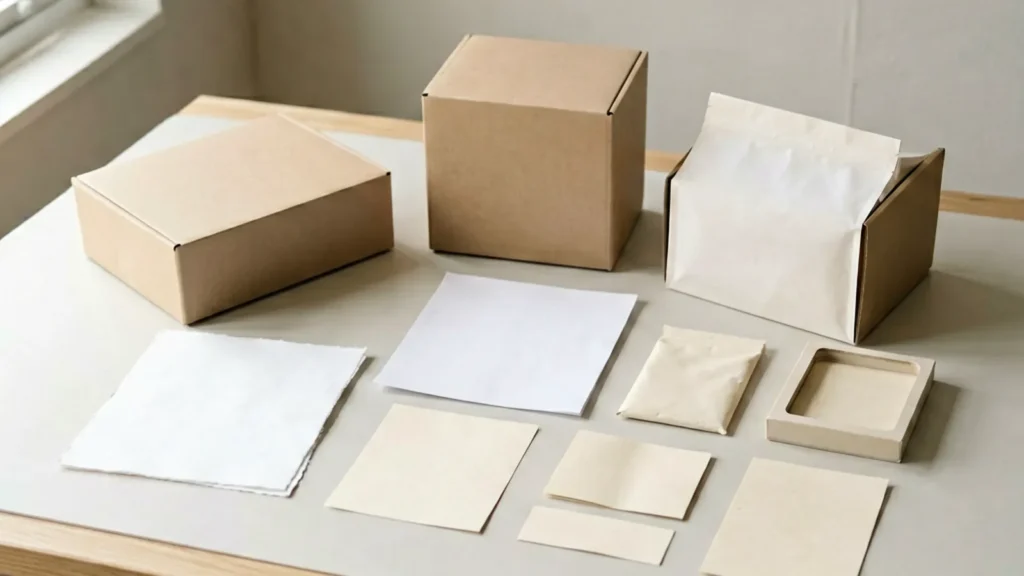
The sourcing record for cosmetics and beauty packaging is incomplete until suppliers are shortlisted using proof, capability, quality, MOQ, and delivery criteria.
A shortlist is only as good as the evidence behind it. Cosmetics packaging suppliers are scored here on structural, print, insert, and quality-control proof rather than on capability claims.
Direct answer: For cosmetics and beauty packaging, buyers should shortlist suppliers using proof, capability, quality, MOQ, and delivery criteria.
Define the Cosmetics packaging supplier Scope
Use this scope table as one RFQ checkpoint. Each row should identify the requirement, approval evidence, and buyer action before production.
| Requirement | Factory control | Evidence to verify | Order risk | RFQ follow-up |
|---|---|---|---|---|
| Sample approval | Pre-production sample must match approved artwork and dimensions. | Compare sample against signed-off mockup; measure critical dimensions. | Color or fit deviations cause rework or launch delay. | Request sample from shortlisted suppliers; approve in writing. |
| Material / substrate | Verify substrate grade, weight, and finish per spec sheet. | Check material certificate and physical caliper; confirm grammage. | Inferior material affects durability and perceived quality. | Request material data sheet and physical swatch in RFQ. |
| Finish or color control | Color consistency within buyer-approved color tolerance; finish uniform. | Use spectrophotometer; compare to Pantone standard. | Color mismatch hurts brand image; finish defects cause rejects. | Request color standard and finish sample; approve. |
| Packing format | Packing configuration matches agreed format (e.g., tray, bulk). | Inspect packing during pre-shipment; count per carton. | Improper packing leads to damage or inefficient handling. | Confirm packing format in RFQ; inspect at factory. |
Keep the supplier response, marked sample, and approval owner under the same revision number. If any proof conflicts with the approved record, hold the quote, sample, or production release until the supplier explains the deviation in writing. Before closing the checkpoint, reconcile the latest drawing, sample, quotation, and approval comments, identify which record controls if they disagree, and document the resolution. Carry the signed scope table into the purchase order and production handoff so the same checks support quote comparison, sample approval, shipment release, and later reorders.
Compare the Available Routes
| Option | Best fit | Trade-off | Risk to avoid | Verification | Follow-up |
|---|---|---|---|---|---|
| Current specification | Approved artwork, stable structure, and existing supplier tooling. | May carry legacy costs or outdated materials. | Unchecked specs can hide unnecessary upcharges. | Audit current dieline and custom packaging specs against actual usage. | Request itemized quote for current spec. |
| Alternative specification | Cost or sustainability targets without full redesign. | Material or finish change may affect shelf feel. | New material may fail drop or compression tests. | Require pre-production sample and test report. | Compare quotes for alternative vs current. |
| Custom option | Unique brand experience or structural differentiation. | Longer tooling and sampling lead time. | Design may not translate to production at scale. | Review 3D render and prototype before tooling. | Approve custom dieline and custom packaging specs. |
| Safer fallback | Proven stock or standard construction for quick reorder. | Less differentiation but reliable supply. | Stock may not meet premium brand expectations. | Check stock availability and lead time. | Hold fallback as approved backup. |
Use this decision matrix as one approval sequence. For current specification, a poor decision can mean unchecked specs can hide unnecessary upcharges. Ask the supplier to audit current packaging dieline and custom packaging specs against actual usage.
For cosmetics beauty packaging, preserve the current specification decision under one revision number: keep the supplier response, marked sample, approved specification, quotation, and approval owner together. If the evidence conflicts with the approved record, hold the quote, sample, or production release until the deviation is explained in writing. Once the buyer and designated technical authority have accepted the evidence, carry the signed route record into the purchase order, production handoff, shipment release, and later reorder review so every team works from the same baseline.
RFQ checkpoint
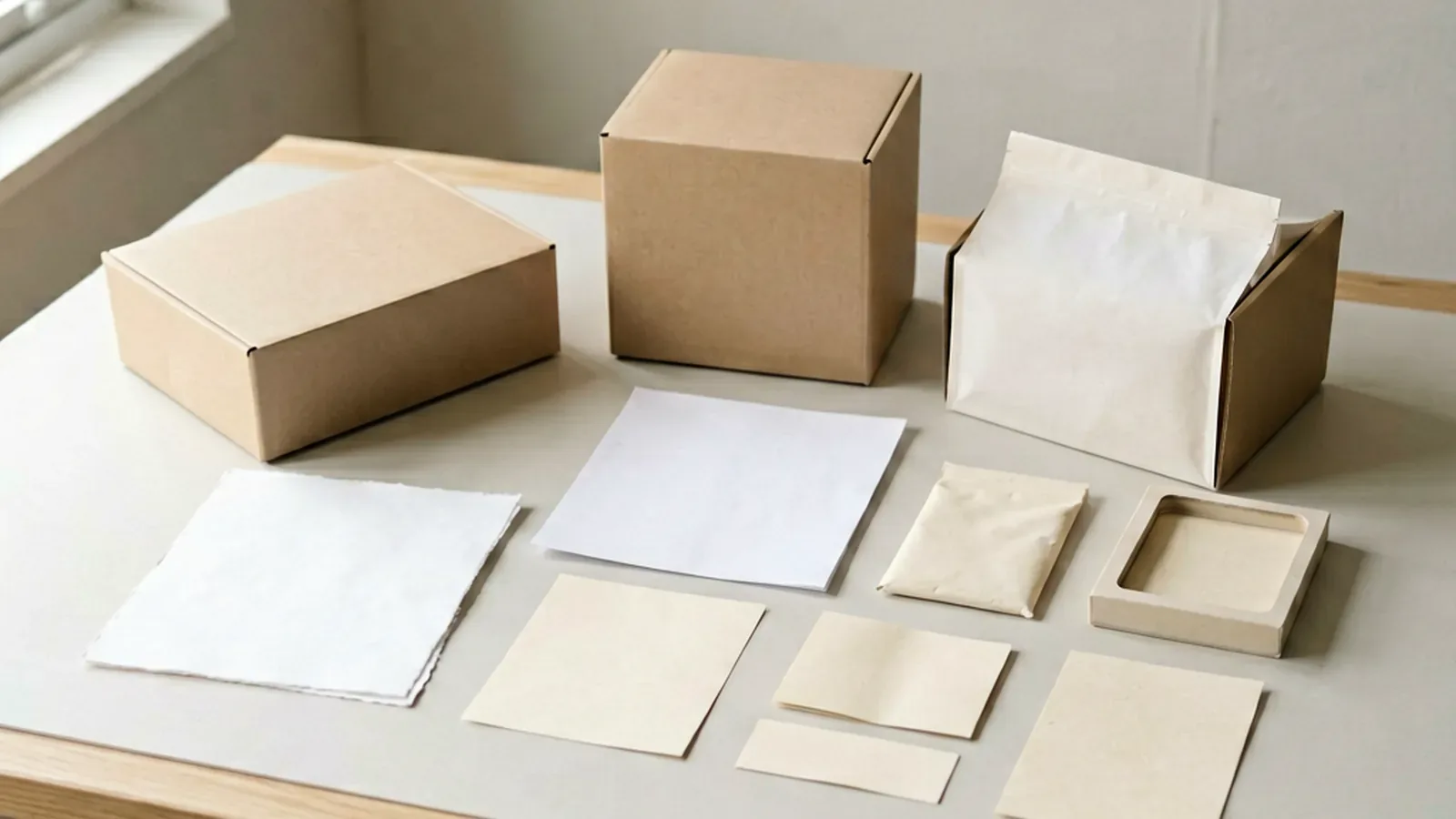
Audit Structural, Print, Insert, and Quality-Control Evidence
- Supplier capability: Review past cosmetics beauty packaging projects and factory process references. Portfolio shows similar rigid or folding carton work with finishing details. No relevant beauty packaging samples or vague process descriptions. Request three references and a factory capability sheet before shortlisting.
- MOQ or order quantity: Confirm minimum order fits your launch volume. Supplier states its project-level minimum order for custom paper boxes without extra charges. Minimum order jumps unexpectedly or per-product exceptions are unclear. Get written minimum order per item and compare against your forecast.
- Quality control: Inspect sample for print registration, color match, and structural strength. Sample passes drop test and color within the buyer-approved color tolerance. Visible defects, inconsistent coating, or weak crease lines. Request a pre-production sample and a QC checklist before bulk.
- Verification method: Ask for documented proof: certificates, test reports, or third-party inspection. Supplier provides scanned certificates and a clear inspection plan. Claims compliance but cannot produce documents on request. Verify certificates with issuing body and schedule a mid-production check.
- Lead time: Assess lead time and approval gates for delays or hidden costs. Standard production 15–30 working days after specifications, artwork, and sample requirements are confirmed, with clear approval milestones. Vague timeline or extra charges for artwork changes after approval. Map approval steps and cost impact in the contract before sign-off.
Project-specific decision lens: Audit traceable proof for board, print, converting, and pack-out. Request material specifications, dieline revision control, color-standard workflow, press and finishing records, sample sign-off procedure, inline inspection points, defect classification, insert-fit checks, assembly instructions, barcode verification, final packing standard, and corrective-action examples. For a multi-component skincare or fragrance set, review how the supplier prevents component mix-ups and controls cavity orientation. Confirm how approved samples, artwork versions, tooling references, and color targets are stored for repeat orders.
Build the Decision Asset
Hold the cosmetics packaging review while any item below is unresolved; record the discrepancy, supplier owner, and release condition before approval.
- Supplier lacks cosmetic-grade material documentation: Substrates may fail migration tests or taint product Request material data sheets, migration test reports, and compliance certificates for inks and coatings Verify certificates with issuing body before shortlisting
- No sample approval gate before bulk production: Color or finish drift leads to costly rework Require signed off pre-production sample with tolerance limits Marked sample with Pantone references and gloss level Approve sample in writing and archive for batch comparison
- Supplier cannot show QC checkpoints for each run: Defects slip through without inline inspection Ask for QC plan covering incoming material, print, and die-cut Inspection report with pass/fail criteria and photos Schedule mid-production inspection or request video proof
Supplier evidence to request
Before you shortlist, ask for material certifications and test reports. Cosmetic packaging must not leach into product. Verify that the supplier holds valid compliance documents for inks and coatings. If they cannot provide them, treat that as a red flag. You can also request a sample of the custom paper packaging to check for odor or transfer.
Sample approval evidence
A pre-production sample is your only visual proof that colors, finish, and dimensions match the spec. Insist on a marked sample with Pantone references and tolerance limits. Sign it off in writing and keep it for comparison. Without this gate, you risk approving a bulk run that drifts from your brand standard.
Reorder control records
Minimum order and lead time can shift between orders. Before you reorder, confirm the current minimum order and production lead time in writing. Ask for a fresh quotation with validity dates. If the supplier changes terms without notice, that signals poor planning. Lock reorder conditions in a frame agreement to avoid surprises.
Issue a Cosmetics packaging supplier RFQ Pack
- Can you provide a sample of the exact material and finish for this cosmetic box? Verifies the supplier can match the specified substrate and coating before bulk production. Supplier sends a pre-production sample with the exact material and finish for approval. Approving a sample that differs from the final bulk run causes costly rework. Compare the sample against your approved standard and document the match.
- What is your process for checking color and finish consistency across production runs? Confirms the supplier has a measurable QC method to keep shades and coatings uniform. Supplier describes a documented color check and finish inspection at defined stages. Inconsistent color or finish across batches leads to rejected stock and brand damage. Ask for the QC checklist and a sample from a recent production run.
- How do you handle a sample or production batch that fails your quality checks? Reveals the supplier's corrective action process and accountability for defects. Supplier explains a clear rework or replacement procedure with a documented root-cause step. A supplier without a defined failure process may ship defective packaging to meet deadlines. Request a written copy of their non-conformance and corrective action policy.
Project-specific decision lens: Use a supplier quote request pack that includes the primary-pack dimensions, filled weight, box structure, insert requirements, board target, print and finish map, artwork version, assembly sequence, barcode and variable copy, sample stages, order quantity, destination, master-carton constraints, and launch window. Require each supplier to identify outsourced operations, tooling ownership, buyer-supplied components, testing exclusions, and the point at which design changes affect cost or timing. Compare engineering response quality and change control alongside price, because cosmetics launches often fail through version mismatch rather than printing alone.
Source check: ISO 2859-1 sampling inspection standard; Cosmetic Packaging Guide for Beauty Brands: Format Selection an…; How to Find a Good Quality Supplier for Cosmetic Packaging? (Gl….
In conclusion
The final approval for your cosmetics beauty packaging supplier comes down to documented proof, not promises. Before you shortlist a supplier, verify that every candidate can match your specification sheet, minimum order, lead time, and sample approval criteria. Compare options by checking material certifications, test reports, and pre-production samples that confirm color, finish, and dimensional accuracy. Validate the spec against your product’s filling, sealing, and shipping requirements, and confirm that minimum order and lead time are locked in writing before you approve a sample. A supplier who can document compliance and deliver a sample that matches your exact spec is the one to move forward with.
To request a quote for cosmetics beauty packaging, use cosmetics beauty packaging solutions to confirm the final specification, quote assumptions, sample approval, QC evidence, approval risk, and supplier follow-up before bulk order.
Frequently Asked Questions
How should a b2b buyer compare supplier options?
Compare suppliers by turning each candidate into a scorecard row that weighs specification fit, cost and minimum order impact, production lead time, and supplier risk. For cosmetics beauty packaging, verify that the supplier can meet your exact material, finish, and dimensional specs, and confirm the minimum order and lead time in the quote request, since these can shift between orders. Shortlist only suppliers who provide material certifications and test reports, and use a pre-production sample to visually confirm colors, finish, and dimensions before committing.
Which supplier proof should buyers request for cosmetics beauty packaging?
Request documented material certifications and test reports that match your cosmetic packaging requirements, and verify their scope and validity. For supplier risk, ask for proof of repeatability, such as QC specifications and batch records, and confirm the standard production lead time of 15–30 working days after specifications and artwork are approved. A pre-production sample is your only visual proof that colors, finish, and dimensions are correct, so approve it before mass production.
What should buyers lock before approving supplier shortlist scorecard?
Lock the specification sheet, minimum order, lead time, and sample approval criteria before approving the shortlist scorecard. Confirm the minimum order of 200 pcs per project unless a product-specific exception applies, and document the lead time in the quote request. Verify supplier risk by checking material certifications and test reports, and ensure the sample matches your approved colors, finish, and dimensions. After sample approval, confirm the final cost and production schedule in writing.
quote request handoff: Send Specs for Review.


Ask a Packaging Question