
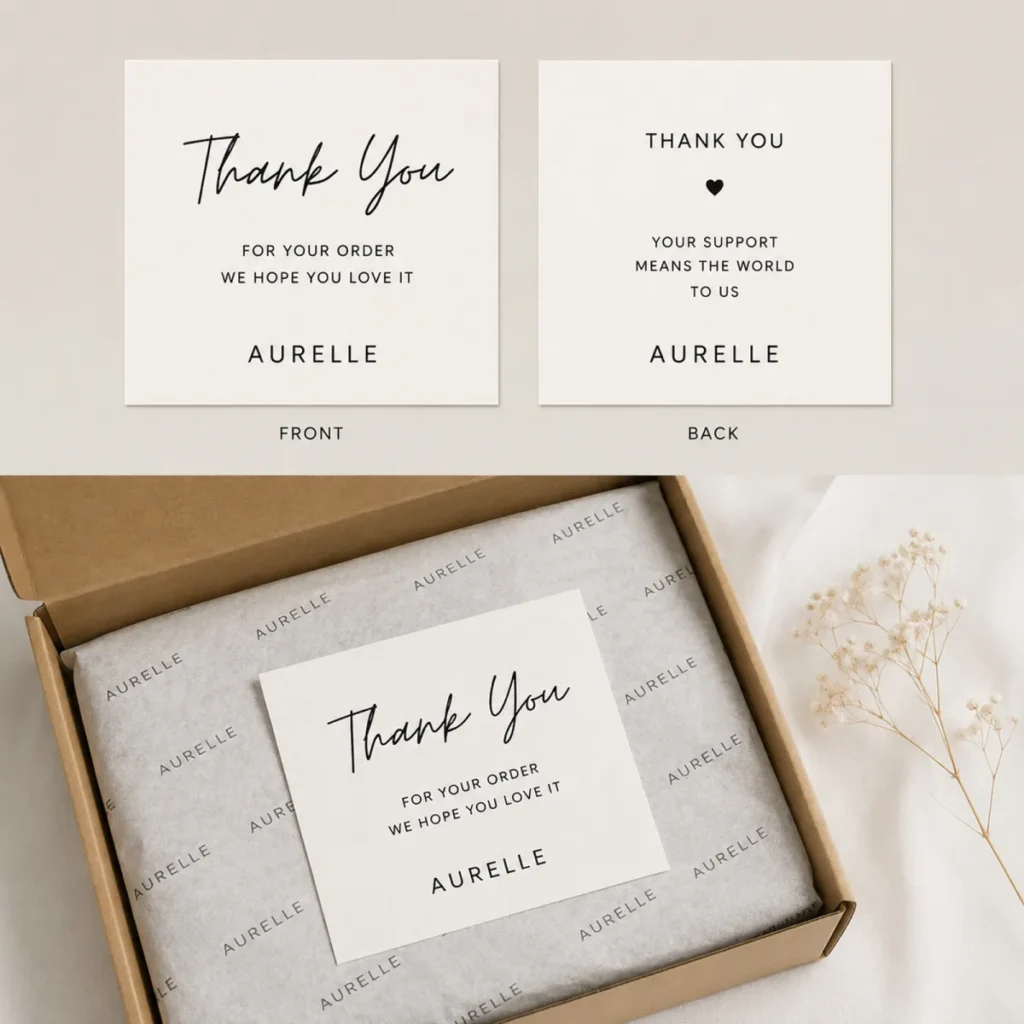
The sourcing record for cards tags: product selection is incomplete until it shows whether the card or tag format fits the use case, specs, MOQ, sample approval path, and supplier quote process.
Card and tag orders fail on the details a spec sheet leaves out: hole position, string type, and whether variable data prints in register. Each of those is settled here before artwork goes out.
Direct answer: Decide whether the card or tag format fits the use case, specs, MOQ, sample approval path, and supplier quote process.
Match the Card or Tag Format to the Customer Touchpoint
Use Match the Card or Tag Format to the Customer Touchpoint as one RFQ checkpoint. Each row should identify the requirement, approval evidence, and buyer action before production.
| Requirement | Factory control | Evidence to verify | Order risk | RFQ follow-up |
|---|---|---|---|---|
| Sample approval | Factory holds pre-production sample against approved artwork and spec sheet. | Request physical sample; compare to approved Pantone, material, and dimensions. | Approved sample may differ from bulk if not locked. | Approve sample in writing; request counter-sample if deviations. |
| MOQ and order quantity | Factory confirms MOQ per product; for cards and tags, MOQ is confirmed per RFQ. | Check quote for MOQ line; confirm quantity breaks and lead time. | Under-ordering may trigger re-run costs; over-ordering ties capital. | Request RFQ with exact quantities; confirm MOQ in writing. |
| Finish or color control | Factory matches Pantone within buyer-approved color tolerance; finish (gloss/matte) per spec. | Use spectrophotometer on sample; visually compare under buyer-approved viewing conditions. | Color shift or finish mismatch harms brand consistency. | Request color proof; approve finish sample; document tolerance. |
Keep the supplier response, marked sample, and approval owner under the same revision number. If any proof conflicts with the approved record, hold the quote, sample, or production release until the supplier explains the deviation in writing. Before closing the checkpoint, reconcile the latest drawing, sample, quotation, and approval comments, identify which record controls if they disagree, and document the resolution. Carry the signed Match the Card or Tag Format to the Customer Touchpoint table into the purchase order and production handoff so the same checks support quote comparison, sample approval, shipment release, and later reorders.
Compare the Available Routes
| Option | Best fit | Trade-off | Risk to avoid | Verification | Follow-up |
|---|---|---|---|---|---|
| Current specification | Matches approved artwork, substrate, and finish already in production. | Locks in existing tooling and print settings, limiting cost-down ideas. | Stale spec may carry hidden waste or outdated material grades. | Recheck the latest approved sample and spec sheet against the PO. | Confirm the current spec is still the baseline before quoting. |
| Alternative specification | Suitable when a lighter GSM or different coating can cut cost. | Requires new press setup and may shift color or stiffness. | Unexpected variance in shade or fold quality if not trialed. | Request a press proof or pre-production sample on the new stock. | Compare the alternative sample side-by-side with the current one. |
| Custom option | Best for unique size, shape, or branding that stock lines can't cover. | Longer lead time and higher tooling cost per piece. | Design changes after sampling can delay the bulk run. | Confirm all dimensions, finish, and artwork are locked before sampling. | Get a custom sample approved and sign off the final proof. |
| Safer fallback | Use when the primary spec has supply or quality uncertainty. | May be less distinctive or slightly higher cost per unit. | Fallback could become the default if the main route fails late. | Check that the fallback meets minimum strength and print standards. | Keep one fallback sample on file and note its reorder lead time. |
For current specification, a poor decision can mean stale spec may carry hidden waste or outdated material grades. Ask the supplier to recheck the latest approved sample and spec sheet against the po.
For cards and tags, preserve the current specification decision under one revision number: keep the supplier response, marked sample, approved specification, quotation, and approval owner together. If the evidence conflicts with the approved record, hold the quote, sample, or production release until the deviation is explained in writing. Once the buyer and designated technical authority have accepted the evidence, carry the signed Compare the Available Routes record into the purchase order, production handoff, shipment release, and later reorder review so every team works from the same baseline.
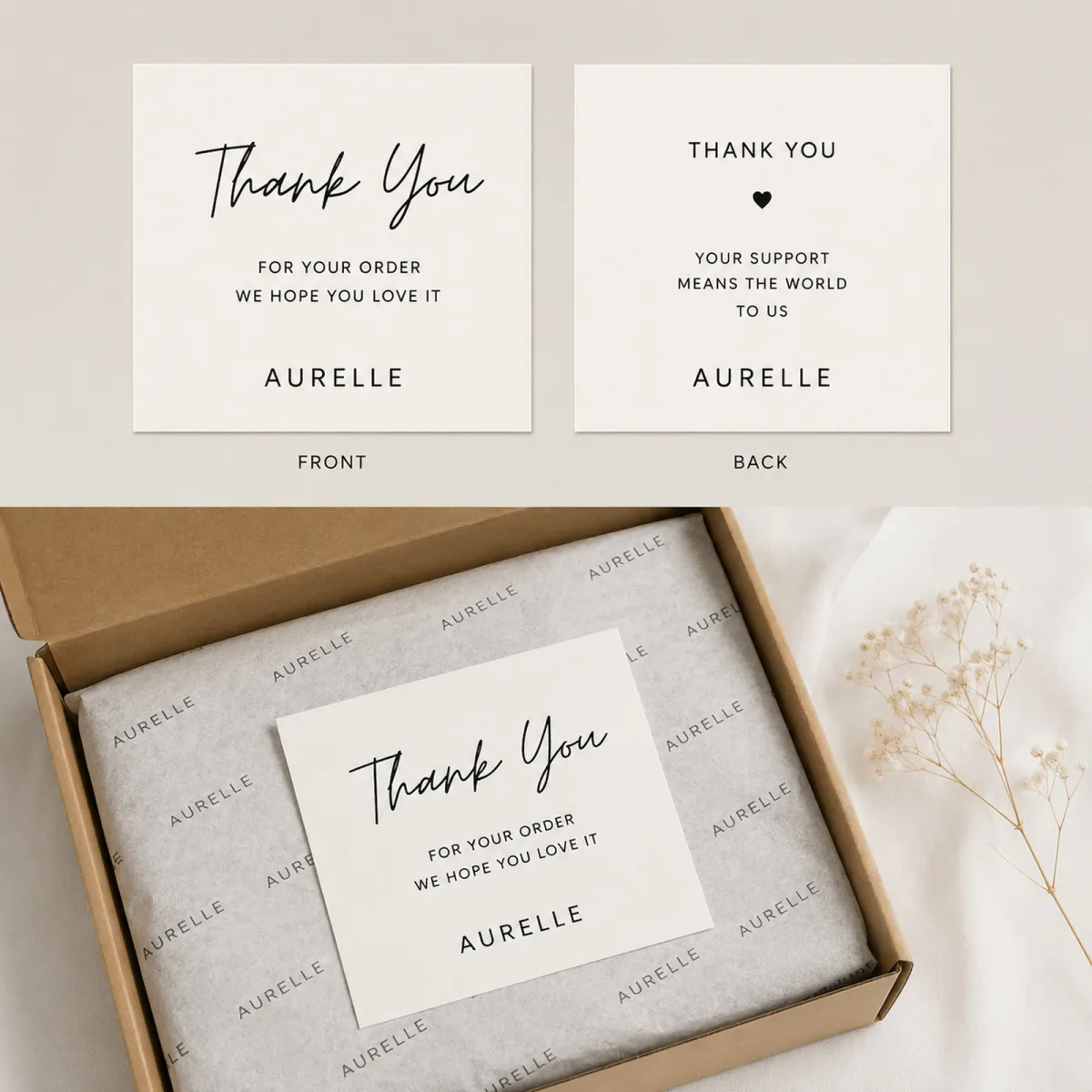
Verify Stock, Print, Hole, String, and Variable-Data Proof
Before you approve any card or tag order, the proof is the first verifiable record of what the factory will actually produce. A physical or digital proof lets you check dimensions, material thickness, ink colors, and die-cut shape against your original requirement. Ask for a proof that includes a ruler or scale reference, and if possible, request a physical sample on the exact substrate you specified.
Use this practical checklist to keep the proof review objective:
- Specs: Confirm size, thickness, finish (matte/gloss/soft-touch), and color match (Pantone or CMYK).
- Cost or MOQ: Verify that the proof matches the quoted price and that any changes are reflected in a revised quote.
- Production risk: Check for alignment issues, font rendering, or color bleed that could become defects at scale.
- Factory execution: Ensure the proof is produced on the same equipment and material as the final run.
- quote request/sample handoff: Attach the approved proof to your purchase order and keep a signed copy for your records.
For a quick reference, here is a simple approval matrix you can adapt:
| Checkpoint | What to Verify | Approval Evidence |
|---|---|---|
| Dimensions | Exact size in mm or inches | Ruler in photo or CAD file |
| Material | Paper weight or plastic type | Material data sheet or sample |
| Color | Pantone or CMYK match | Color swatch or spectrophotometer reading |
| Finish | Coating, lamination, or embossing | Physical sample or finish description |
Once the proof is approved, the sample becomes your baseline for production. Keep the approved proof and sample together, and reference them in your final quote request to avoid any drift during manufacturing. For more guidance on integrating proofs into your sourcing workflow, see our custom packaging solutions.
Project-specific decision lens: Request a proof set that matches the production route: paper stock and grammage sample, cut-size tolerance, print-color proof, foil or emboss registration check, hole and eyelet sample, string or ribbon pull check, barcode scan test, variable-data sequence check, and packed presentation sample. For cards that touch a product surface, confirm coating, ink transfer, and abrasion behavior. Review corners and die-cut edges for fraying or fiber exposure. Keep one signed sample with the artwork version and packing count so repeat orders do not drift in stock, finish, attachment, or bundling.
Build the Decision Asset
At the point where you must approve a card or tag order, the record needed before the next stage is a verified decision asset: a documented record that the factory can meet your specifications, cost, and reorder needs. This asset is built from three checks.
Supplier evidence to request
Before any purchase order, request physical or digital proof of the factory’s capability for custom hang tags and cards. This includes material swatches, print color matching, and a clear statement of the production process. The proof must align with your specification—do not rely on verbal assurances.
Sample approval evidence
Evaluate the sample against your specification sheet, not just visual appeal. Measure dimensions, verify material weight, and test durability (e.g., folding, tearing). Use a checklist for testing product samples before bulk ordering, as recommended by the Zhypacking editorial team. Approval evidence should be a signed-off sample with a dated record.
Reorder control records
Define how reorders will be triggered and controlled. Specify the reorder point, the approval authority, and the data needed (e.g., inventory levels, sales velocity). This prevents stockouts or overruns and ensures consistent quality across batches.
Use the table below to structure your decision asset. Each row identifies the requirement, the approval evidence, and the checkpoint action.
| Requirement | Approval Evidence | Checkpoint Action |
|---|---|---|
| Material and print spec | Factory proof sheet with swatches | Match to your spec sheet |
| Sample performance | Signed-off sample test report | Verify against checklist |
| Reorder parameters | Approved reorder policy | Set trigger and authority |
With this asset, you can move to quote request and sample handoff with confidence. For more on custom packaging options, see our packaging dieline and custom packaging specs resources.
Send a Cards-and-Tags RFQ with Artwork and Pack-Out Details
- Can you provide a sample of your card or tag with the specified finish and material? Verifies the factory can meet your paper packaging quality control standards before bulk production. Sample matches your spec sheet and shows consistent die-cut edges. Approving a sample that doesn't match production quality leads to rework. Request a pre-production sample and compare against your spec sheet.
- What is your standard quality control process for cards and tags? Confirms the supplier has a documented QC plan for print, cutting, and finishing. They describe inline inspection and a final random sampling check. Missing QC steps can result in off-spec colors or misaligned cuts. Ask for a copy of their QC checklist and inspection report template.
- How do you handle defects found during production or at final inspection? Reveals the supplier's process for sorting, rework, and replacement. They have a clear policy for quarantining defects and offering replacements. Without a defect-handling plan, you may receive mixed quality or delays. Document the defect policy in your purchase order or contract.
- Can you provide a reference from a similar card or tag project? Validates the supplier's experience with your product type and quality expectations. They share a client reference with similar specs and positive feedback. Choosing an inexperienced supplier increases risk of production issues. Contact the reference and ask about quality consistency and lead times.
Project-specific decision lens: Send suppliers the final dimensions, stock target, print sides, color references, finish areas, dieline, hole or slit geometry, eyelet and string details, variable-data file structure, barcode standard, language versions, bundling count, insertion method, packaging destination, and delivery date. State whether strings arrive attached, loose, or pre-knotted and whether cards require sequential collation. Ask for separate prices for stock upgrades, special finishes, attachment labor, and variable printing. This exposes the real drivers behind cards-and-tags cost and production timing.
Source check: ISO 2859-1 sampling inspection standard.
In conclusion
Final approval for your card or tag order comes down to a few verifiable checks: confirm the specification sheet matches your approved artwork and physical requirements, compare total cost against the minimum order and lead time, and verify the supplier’s process capability through references or past proofs. Shortlist only those suppliers who can document their quality controls and provide a sample that aligns with your spec, not just visual appeal. This disciplined approach turns your decision matrix into a concrete quote request and sample handoff, ensuring the chosen partner meets your project’s standards from first proof to final delivery.
To request a quote, use packaging accessories products to confirm the final specification, quote assumptions, sample approval, QC evidence, approval risk, and supplier follow-up before bulk order.
Frequently Asked Questions
How should a b2b buyer choose product type?
Only if you first map the card or tag to its physical use and print method. Shortlist by substrate, thickness, finish, and attachment (string, adhesive, or staple), then confirm cost and minimum order for cards and tags in the quote request. Confirm the exact unit price and volume breakpoints in the quote request, and verify the factory can hold tolerances for your size and hole placement.
Check supplier risk by asking for process references for similar card and tag runs, not just product photos. Document the specification sheet before sampling, and use the sample to verify color, coating, and durability against that sheet. If the tag needs variable data or barcodes, confirm the print resolution and readability in the proof stage.
Which supplier proof should buyers request for cards tags?
Request a physical or digital proof that matches your artwork and specification sheet, then move to a pre-production sample. The sample is the baseline for production, so measure its dimensions, check the finish, and test the attachment method under real handling. Ask for the factory’s QC checklist and any in-house test results for adhesion, scratch resistance, or colorfastness.
Verify the sample against your approved specification, not just visual appeal, and document any deviations. Confirm the standard production lead time of 15–30 working days after specifications, artwork, and sample requirements are confirmed, and state the required quantity and delivery date in the quote request. Keep the approved sample as the reference for bulk inspection.
What should buyers lock before approving product selection checklist?
Lock the specification sheet, including material, size, thickness, finish, and any print or coating requirements, before approving the checklist. Confirm the minimum order and the unit cost in the quote request, and clarify any volume-based price breaks. Also lock the lead time of 15–30 working days after specifications, artwork, and sample requirements are confirmed, and define the reorder point and quantity to control future supply.
Verify supplier risk by requesting proof of process capability, such as past production records or QC documentation, and ensure the sample passes your specification checks. Document the approval criteria and the sample reference, then proceed to quote request and sample handoff with confidence. Confirm any certificate claims only within their documented scope.
quote request handoff: Send Specs for Review.


Ask a Packaging Question