
Before you can decide whether a paper bag format fits the use case, specs, MOQ, sample approval path, and supplier quote process, the specification has to say enough for a supplier to price the same job you have in mind.
Paper bag selection starts with what goes inside and how it is carried. Those constraints come before format, print, and MOQ.
Direct answer: Decide whether a paper bag format fits the use case, specs, MOQ, sample approval path, and supplier quote process.
Define the Buyer Requirement
Start the shortlist by locking the bag’s end use, packed load, dimensions, paper grade, handle construction, print finish, order quantity, and approval evidence. A supplier belongs on the shortlist only when its quotation, material sample, structural sample, and control records address those same requirements.
| Requirement | Factory control | Evidence to verify | Order risk | RFQ follow-up |
|---|---|---|---|---|
| Sample approval | Factory submits pre-production sample for dimensional, print, and structural sign-off before bulk run. | Inspect sample against approved artwork, measure dimensions with caliper, test bag seal strength and handle attachment. | Proceeding without approved sample may result in dimensional mismatch, color shift, or handle failure in final order. | Request pre-production sample from supplier; approve in writing before production release. |
| MOQ and order quantity | Factory confirms minimum 200 pcs per SKU; production run scheduled only after quantity and lead time are agreed. | Verify MOQ in quotation; confirm order quantity in purchase order; check production schedule for batch alignment. | Under-ordering may trigger MOQ penalty or delayed production; over-ordering increases inventory holding cost. | Document MOQ in RFQ; confirm final quantity and lead time with supplier before order placement. |
| Material / substrate | Factory specifies paper grade (e.g., kraft, coated, recycled content) and basis weight (gsm) per your requirement. | Request material data sheet; test gsm with scale; verify tear strength and surface finish against specification. | Substituting lower-grade paper may cause bag tearing, poor print adhesion, or failure under load. | Request material specification sheet; approve substrate grade and weight in sample stage. |
| Width or size tolerance | Factory holds width and length tolerance within the buyer-approved tolerance; gusset and bottom fold dimensions are checked per batch. | Measure bag dimensions with calibrated ruler on sample and first production pieces; compare to approved drawing. | Oversized or undersized bags may not fit filling equipment or packaging cartons, causing line stoppage. | Request dimensional drawing with tolerances; measure first article and approve before bulk run. |
| Finish or color control | Factory uses Pantone reference for print color; conducts inline color density checks and final visual inspection. | Compare printed sample to Pantone chip under buyer-approved viewing conditions; request color density report from production run. | Color drift between sample and bulk can cause brand inconsistency and customer rejection at retail. | Submit Pantone reference with RFQ; request color approval on pre-production sample; approve before bulk. |
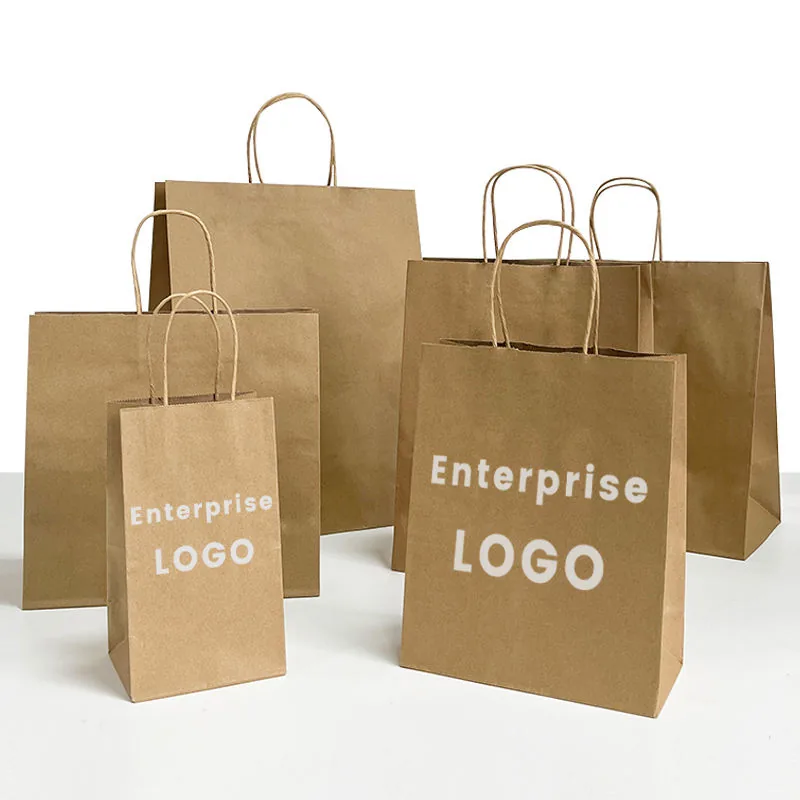
Use the table to freeze the shopping paper bag construction before comparing quotes. Record paper grade and weight, bag dimensions and gusset, handle type and attachment, load expectation, print colors, ink and finish, reinforcement, packing quantity, and the intended retail use. Ask the supplier for a material swatch, dieline, handle pull-test method, printed sample, and packed-carton sample. Hold approval until the specification, acceptable tolerances, sample evidence, MOQ by variant, and reorder reference are all written into the RFQ.
Compare the Available Routes
| Option | Best fit | Trade-off | Risk to avoid | Verification | Follow-up |
|---|---|---|---|---|---|
| Standard kraft paper bag, single-ply, no window | Retail or takeaway orders where bag strength and lowest unit cost are the priority | No print or window limits branding; plain appearance may not suit premium goods | Bag fails under heavy load if GSM is too low; supplier may substitute lighter paper | Request a signed spec sheet stating GSM, ply count, and handle attachment method | Send your target load weight and dimensions for a GSM recommendation |
| Recycled-content kraft bag with eco-friendly water-based ink | Brands targeting sustainability claims or plastic-to-paper transitions with verified recycled content | Recycled fibers are shorter, reducing tear strength; color consistency varies between batches | Claiming recycled content without third-party certification exposes the buyer to greenwashing liability | Request a mill certificate showing post-consumer recycled percentage and a tear-strength test report | Confirm the recycled-content percentage and ask for a tear-strength comparison against virgin kraft |
| Laminated paper bag with matte finish and reinforced gusset | Heavy or damp items such as bottles, books, or food takeaway where moisture resistance is needed | Lamination adds cost and complicates recyclability; disposal instructions must be printed on the bag | Lamination delaminates at the gusset fold if the adhesive is not heat-resistant; bag may split in transit | Run a 24-hour humidity test on a sealed sample; check gusset adhesion by hand-folding ten cycles | Request a lamination sample and a recyclability statement from the film supplier |
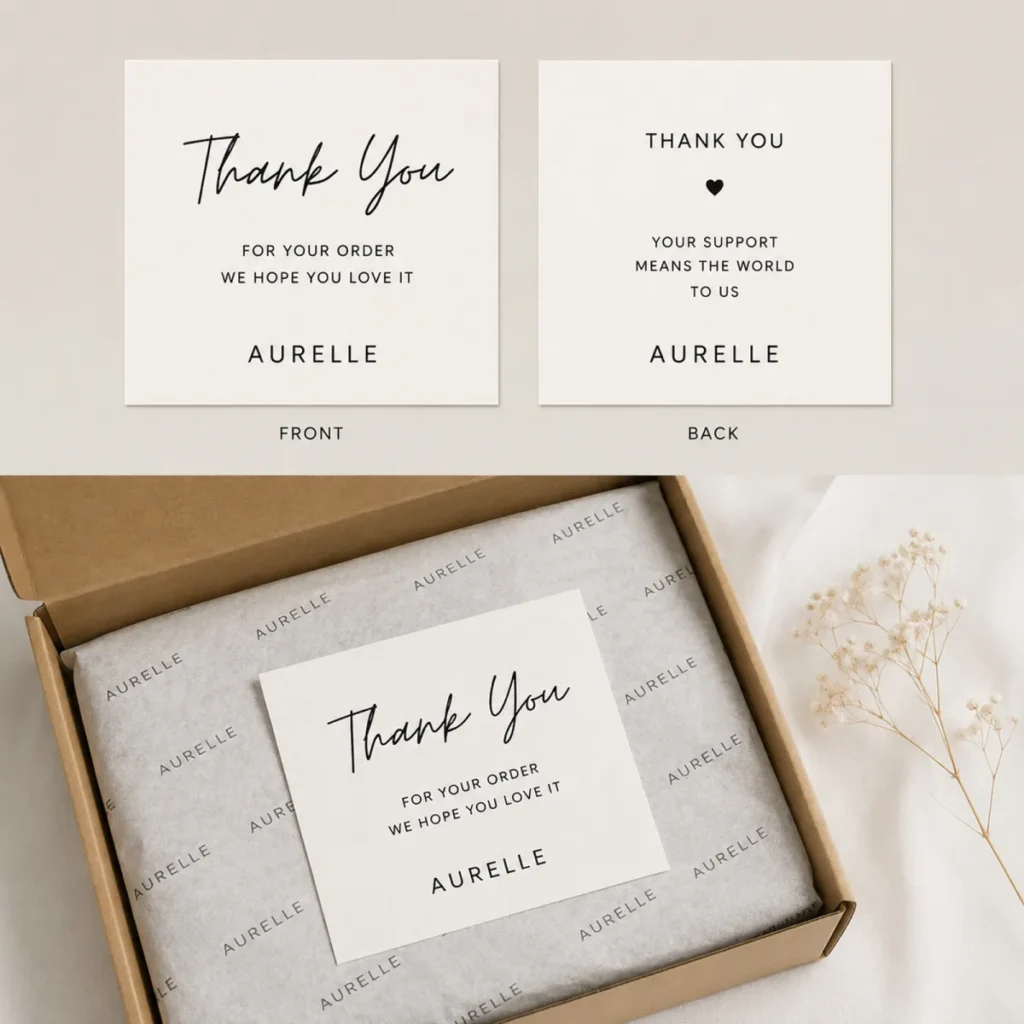
| Custom printed tissue paper products as a complementary packaging layer | Luxury retail or subscription boxes where the inner wrap reinforces brand identity and protects surfaces | Tissue adds a separate SKU and handling step; it does not replace the outer bag's structural role | Tissue color may bleed onto light-colored products if the dye is not fixed; low GSM tears during packing | Request a rub-test report for colorfastness and a GSM spec for tear resistance | Order a tissue sample set in your brand colors and test it against your product surface |
For standard kraft paper bag, single-ply, no window, a poor decision can mean bag fails under heavy load if gsm is too low; supplier may substitute lighter paper. Request a signed spec sheet stating GSM, ply count, and handle attachment method.
For paper bags product, preserve the standard kraft paper bag, single-ply, no window decision under one revision number: keep the supplier response, marked sample, approved specification, quotation, and approval owner together. If the evidence conflicts with the approved record, hold the quote, sample, or production release until the deviation is explained in writing. Once the buyer and designated technical authority have accepted the evidence, carry the signed Compare the Available Routes record into the purchase order, production handoff, shipment release, and later reorder review so every team works from the same baseline.
Review the Required Proof
Before shortlisting any factory, verify the physical proof that confirms your paper bag specifications. Request a sealed sample with the exact substrate, print, and coating. Measure the grammage with a calibrated scale—deviations beyond the agreed tolerance indicate production risk. Compare the sample against your approved artwork for color accuracy using a Pantone reference. This evidence-first step ensures the factory can execute your specs before you commit to cost or minimum order discussions.
- Specs: Confirm substrate weight (gsm), dimensions, and coating type (e.g., matte or gloss).
- Cost or minimum order: Request a line-item quote based on the verified sample; minimum order should align with your order volume.
- Production risk: Check for print registration errors, coating uniformity, and bag strength (e.g., burst test).
- Factory execution: Ask for a video of the production line running your spec to assess consistency.
- quote request/sample handoff: Use the approved sample as the baseline for your quote request; include a signed off checklist to avoid miscommunication.
For more on factory evaluation, see our paper packaging quality control.
Build the Decision Asset
At this process checkpoint, the record needed before the next stage is a verified supplier shortlist with physical proof of specification compliance. Connect the supplier proof check, sample approval check, and reorder control check into one decision asset that eliminates guesswork.
Supplier Proof Check
Verify that each candidate factory can produce your paper bags to the stated grammage, size, and print registration. Request process documentation and a signed specification sheet.
Sample Approval Check
Before shortlisting any factory, verify the physical proof that confirms your paper bag specifications. Request a sealed production sample and compare it against your spec sheet. Measure dimensions, check ink adhesion, and test handle pull strength. Only approve samples that match every tolerance.
Reorder Control Check
Establish a repeatable approval sequence for future orders. Use a simple table to track key checkpoints:
| Checkpoint | What to Verify |
|---|---|
| Supplier proof | Factory capability, spec sheet, process documentation |
| Sample approval | Physical sample matches spec, no defects |
| Reorder control | Consistent quality, agreed tolerances, clear handoff |
This decision asset becomes your internal reference for quote request and sample handoff, reducing production risk and ensuring factory execution aligns with your cost and quality targets.
Prepare Comparable RFQ Inputs
- Which specific paper grammage and ply construction does the factory recommend for your bag dimensions? Ensures the bag's strength and print surface match your product weight and branding needs. Supplier cites a standard GSM range (e.g., 70–100 GSM) and explains why a single or double ply fits your use. Wrong grammage or ply leads to bag tearing during filling or poor ink adhesion during printing. Ask for a physical swatch of the recommended paper stock before quote request finalization.
- Does the factory have a documented in-process inspection step for bag handle attachment strength? Handle failure is a common field complaint; a QC checkpoint reduces that risk before shipment. Factory describes a pull-test or visual check at the assembly station with a pass/fail record. Without this check, you may receive bags with handles that detach under normal retail use. Request a copy of their handle-attachment inspection form from the last three production lots.
- What is the factory's standard lead time for a first-time custom paper bag order after sample approval? Establishes a baseline for production scheduling and reorder planning. Factory states 15–30 working days as standard and explains how they handle rush orders. Unclear lead time can delay your product launch or force costly air freight. Confirm the lead time in writing and ask for a production timeline template.
For orders that share fulfillment, protection, and unboxing requirements across several SKUs, compare the quote request against the e-commerce packaging workflow before approving samples.
Source check: ISO/TC 122 packaging standards; Paper Bag Warranty & After-Sales Support: What B2B Buyers Need…; Inquiry about Paper Bags | Global Buying Requests – GoldSupplier.
In conclusion
The final approval of your paper bag product selection checklist comes down to a systematic cross-check of specification, cost, and supplier proof. Compare the exact paper weight, dimensions, and handle type against your intended use case, then verify that the quoted minimum order and lead time align with your project timeline. Before you approve a sample, document the agreed parameters and confirm the factory can deliver consistent quality at scale. This disciplined approach turns your checklist into a reliable quote request and sample handoff tool, ensuring every shortlisted supplier meets your standards.
To request a quote, use paper bags format and sample approval to confirm the final specification, quote assumptions, sample approval, QC evidence, approval risk, and supplier follow-up before bulk order.
Frequently Asked Questions
How should a b2b buyer choose product type?
Shortlist paper bag types by verifying the exact paper weight (gsm), dimensions, handle style, and ply count against your product weight and branding needs. Compare the cost impact and confirm the minimum order for the chosen bag type. Confirm the supplier can produce your chosen type within the standard 15–30 working day lead time after specifications, artwork, and sample requirements are confirmed. Request a pre-production sample to check print alignment, handle strength, and glue adhesion before approving the final specification.
Which supplier proof should buyers request for paper bags?
Request a physical sample of the exact paper bag specification you intend to order, along with a factory audit report or third-party inspection certificate for quality control processes. Verify the supplier’s capability to meet your required lead time and minimum order—confirm the minimum order quantity for your chosen bag type, as it may differ from the project-level minimum order. Check that the sample matches the agreed paper weight, dimensions, and handle attachment, and document any deviations in writing. After sample approval, send a formal quote request that locks the specification, cost, and delivery timeline.
What should buyers lock before approving product selection checklist?
Before approving the product selection checklist, lock the paper bag specification (including gsm, size, handle type, and printing method), the confirmed unit cost, and the minimum order for that specific bag type. Verify the supplier’s production lead time—standard is 15–30 working days after specifications, artwork, and sample requirements are confirmed—and confirm any additional time for custom artwork or finishing. Document the sample approval sign-off and the QC checkpoints (e.g., glue strength, color accuracy, handle pull test). Finally, ensure the quote request includes all agreed terms and a clear timeline for sample follow-up and mass production.
quote request handoff: Send Specs for Review.
Ask a Packaging Question