
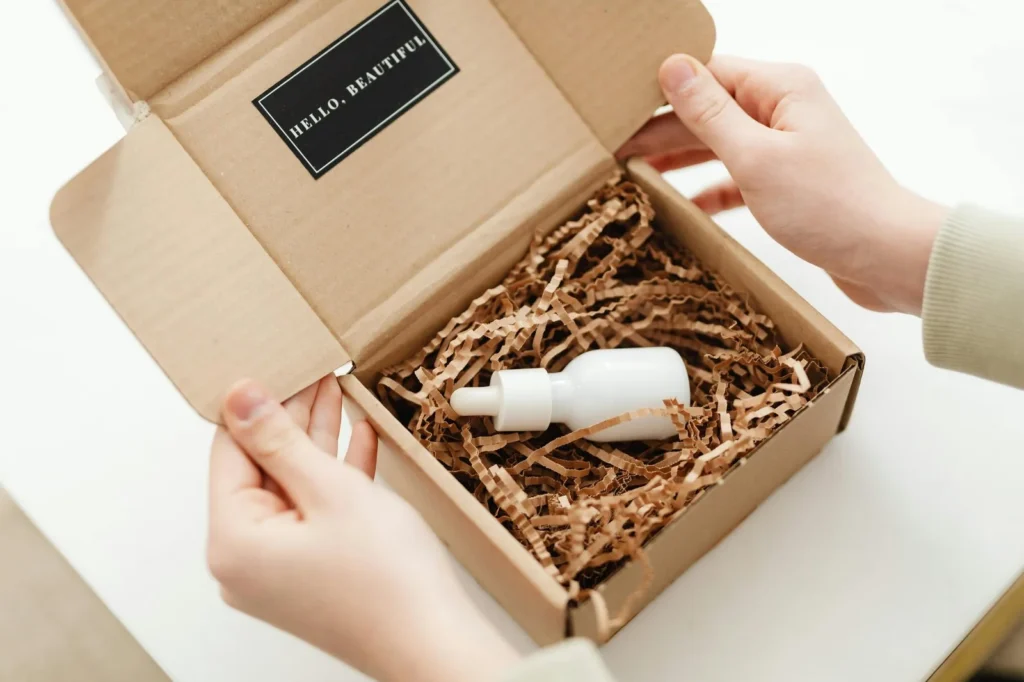
The sourcing record for rigid gift box insert finish is incomplete until it covers artwork, dielines, samples, finishes, and production handoff.
Rigid box inserts and finishes get approved separately and fail together. Keeping both on one approval matrix, with a change freeze before bulk, is what prevents that.
Direct answer: For rigid gift box inserts and finishes, buyers should plan custom artwork, dielines, samples, finishes, and production handoff.
Set the procurement decision and approval boundary
Compare these rigid box requirements against one RFQ revision. Each row should identify the requirement, approval evidence, and buyer action before production.
| Requirement | Factory control | Evidence to verify | Order risk | RFQ follow-up |
|---|---|---|---|---|
| Finish or surface effect | Factory must match approved finish sample exactly. | Compare production piece against sealed finish sample under standard lighting. | Off-spec finish causes brand inconsistency and rework. | Request RFQ specifying finish type and tolerance. |
| Artwork or logo file | Factory checks file resolution, color mode, and die-cut alignment. | Request pre-production proof with color bar and registration marks. | Low-res or wrong color leads to blurry print and rejects. | Approve artwork proof before sample production. |
| Sample approval | Factory holds production until written approval received. | Sign off on sample with dated approval record and photos. | Unapproved samples cause mass production errors. | Approve sample and document sign-off. |
| Lead time after approval | Factory schedules production within 15-20 working days after specifications, artwork, and sample requirements are confirmed. | Confirm lead time in writing and track milestone dates. | Delays disrupt launch and inventory plans. | Ask for RFQ with lead time and penalty clause. |
For rigid boxes, use this table as the decision scope. Read the rows as one approval sequence. Start with finish or surface effect; use the risk and buyer-action columns to decide whether its evidence is sufficient. Verify it with the inspection method and approval evidence recorded in the table.
For this rigid box sourcing record, keep the supplier response, marked sample, and approval owner under the same revision number. If any proof conflicts with the approved record, hold the quote, sample, or production release until the supplier explains the deviation in writing. Before closing the checkpoint, reconcile the latest drawing, sample, quotation, and approval comments, identify which record controls if they disagree, and document the resolution. Carry the signed requirements table into the purchase order and production handoff so the same checks support quote comparison, sample approval, shipment release, and later reorders.
Questions to confirm before ordering:
- Finish type (e.g., soft-touch lamination, foil stamping) on insert sample: Switching finish after approval can shift color and texture, causing rework. Procurement lead and brand owner jointly Compare sample against approved finish reference under standard lighting. Document finish code and date on approval record.
- Insert dimensions and fit within rigid box: Tolerance drift can make insert too tight or loose, affecting product protection. Quality engineer and production supervisor Measure insert against box interior dimensions with calipers. Request updated CAD or dieline if measurement deviates.
- Material and board thickness for insert: Substituting lower GSM board may reduce rigidity and perceived quality. Procurement lead with supplier confirmation Verify GSM and board type against specification sheet. Confirm material spec in RFQ before bulk order.
- Finish sample approval sign-off: Missing sign-off can lead to bulk production with unapproved finish. Procurement lead and brand owner jointly Check approval record includes date, name, and finish details. File signed approval and share with supplier.
- Lead time impact of finish changes: Changing finish after sample approval may extend production lead time. Procurement lead and supplier planner Confirm revised lead time in writing before approving change. Update production schedule and inform logistics.
Confirm buyer-owned specifications before supplier review
At this checkpoint, keep each insert and finish requirement beside its supplier proof and approval owner.
- Compare insert finish specification against buyer's approved artwork and material memo. Finish type (foil stamp, emboss, matte lamination, spot UV), color code, and position on insert. Finish sample card with substrate, gloss level, and registration tolerance documented. Unmatched finish causes rework; verify against approved proof before production. Sign off finish sample card and attach to purchase order.
- Verify lead time for finish sample and bulk production. Required delivery date for sample approval and bulk order. Lead time quote: 15-20 working days standard after spec confirmation. Late sample delays bulk; confirm lead time in writing before ordering. Document lead time in quote request and set milestone reminders.
- Document buyer follow-up actions after sample approval. Approval date, any conditional notes, and next review point. Updated production schedule reflecting sample approval and any changes. Missing follow-up leads to production drift; assign a single point of contact. Send confirmation email with approval details and schedule update.
- Confirm verification method for finish during bulk production. Inspection point (first article, in-process, final) and sampling plan. Inspection report with photos and measurements at agreed checkpoints. Undetected defects increase scrap; require third-party or in-house inspection. Schedule inspection date and share checklist with supplier.
Required product, project, artwork, packing, and quantity inputs
Before sending a rigid gift box insert finish sample request, gather the exact finish type, substrate, color code, and position from your approved artwork. Also confirm the project MOQ of 200 pcs, packing requirements, and any special handling notes. These inputs prevent mismatched samples and rework delays.
Items that must remain quote- or approval-dependent
Keep the finish sample cost, bulk production lead time, and any additional tooling charges as quote-dependent items until the sample is approved. Do not commit to exact pricing or delivery dates before the finish specification is signed off. This protects both buyer and supplier from scope changes.
Use gift pr packaging solutions to align the related specifications and quote request inputs.
quote request checkpoint
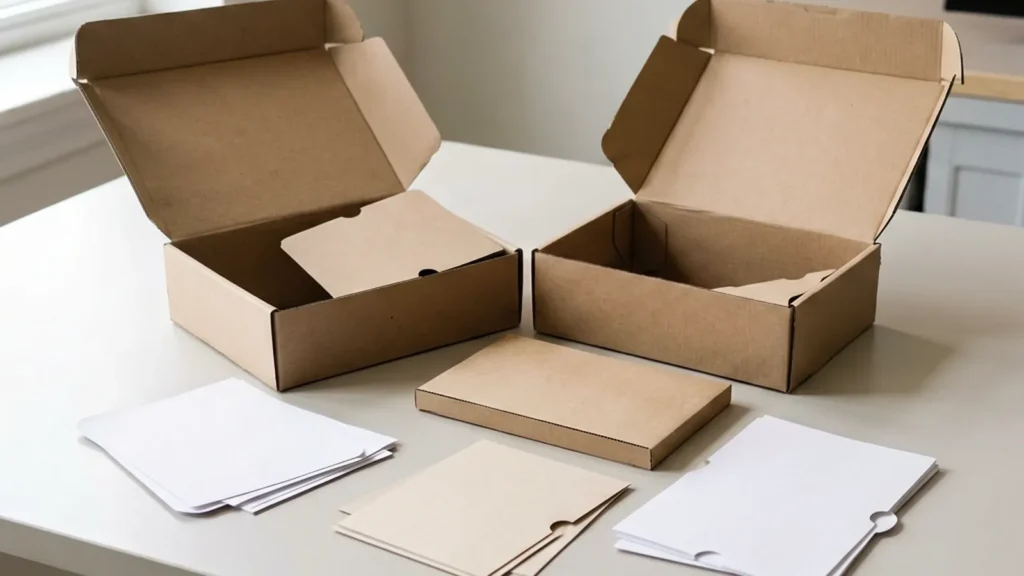
Visible product styles, inserts, window cartons, foil stamping, and dieline samples can be shown for buyer option evaluation.
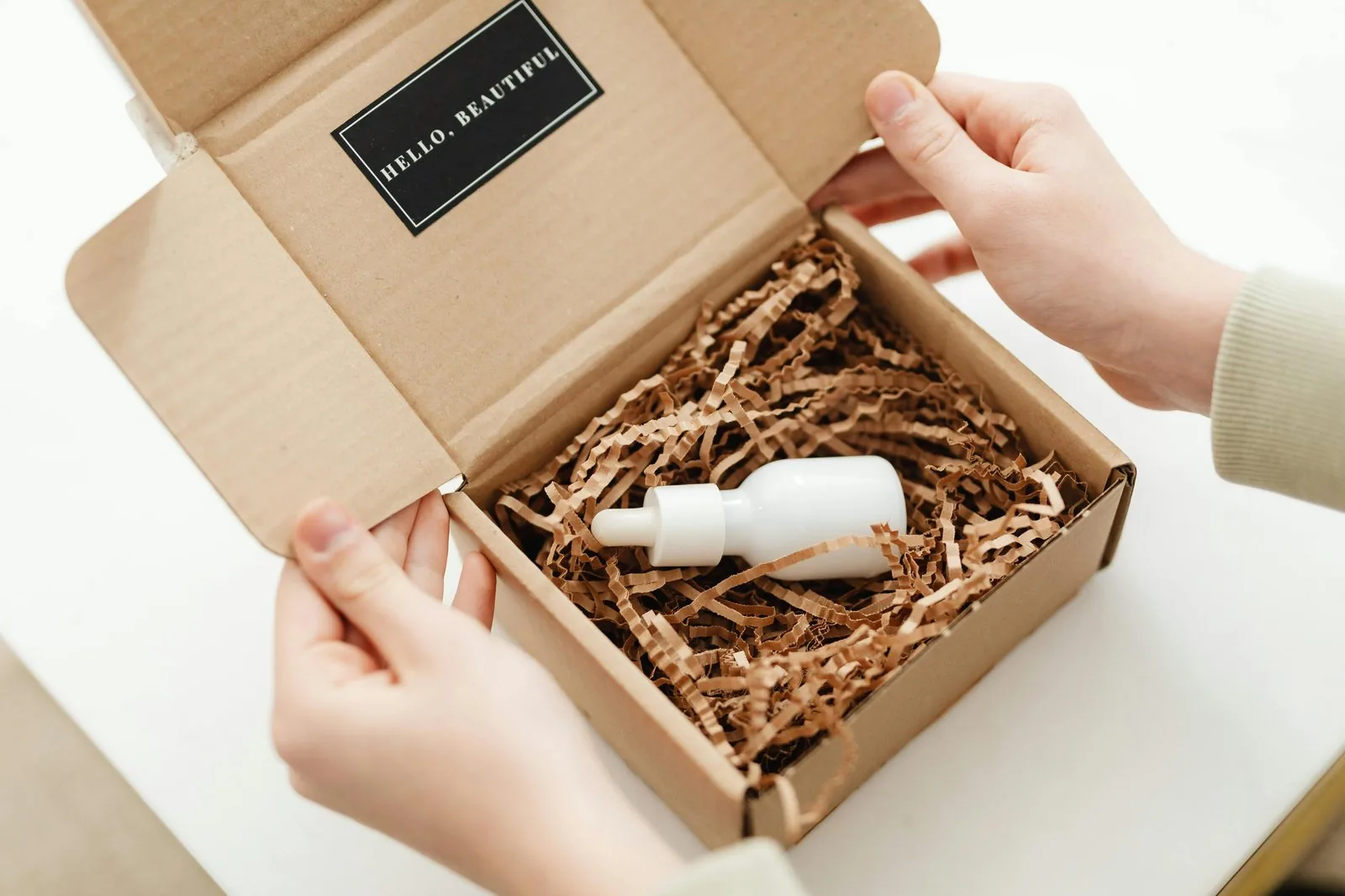
Build the insert and finish approval matrix
Choose an option only when it meets the documented specification and the factory can execute it at the agreed cost and MOQ. If any parameter is unconfirmed, record it as an open assumption before proceeding.
Compare options and record open assumptions
List each finish option—such as soft-touch lamination, spot UV, or hot foil stamping—against the approved rigid box insert specification. For every option, note the exact color, gloss level, and texture. If the factory proposes a substitute material or finish, flag it as an open assumption until the buyer confirms it in writing.
Name the owner and status of every exception
Assign a named owner to each exception, such as a deviation in finish thickness or a color match tolerance. Track the status—open, in review, or approved—and link it to the quote request handoff. This matrix becomes the reference for production and prevents disputes.
Use the table below to structure your review:
| Finish Option | Specification | Cost/MOQ Impact | Production Risk | Owner & Status |
|---|---|---|---|---|
| Soft-touch lamination | Gloss level 5, matte | Added cost and MOQ impact quoted per RFQ | Low | Buyer – Approved |
| Spot UV | Logo area only | Added cost and MOQ impact quoted per RFQ | Medium – alignment | Factory – In review |
| Hot foil stamping | Gold, within the approved tolerance | Added cost and MOQ impact quoted per RFQ | High – color shift | Buyer – Open |
After completing the matrix, confirm that every open item has an owner and a due date. Only then can the sample move to the quote request handoff stage.
Request supplier evidence without assuming capability
Before you approve a sample made to your packaging dieline and custom packaging specs, ask for the proof behind it. A sample alone does not verify that the supplier can repeat the result at scale. Request the production record for the sample lot, including the machine settings for the finish application (e.g., foil temperature, pressure, or lamination speed). Also ask for the in-process QC check sheet that shows measurements taken during production, not just the final inspection. This evidence turns a visual approval into a verifiable decision.
Sample, document, and production-record requests
When you request evidence, be specific. Do not accept a generic statement of capability. Ask for the following documents and records tied to the exact sample you are reviewing:
- Sample lot production record with date, operator, and machine ID.
- Finish specification sheet listing material, color code, gloss level, and application method.
- In-process QC measurements for thickness, adhesion, or color consistency.
- Approval sample sign-off from the supplier’s QC manager.
Review these records against your quote request requirements. If the supplier cannot provide them, that is a production risk signal. Use the evidence to confirm cost and MOQ assumptions: a finish that requires manual touch-up or multiple passes will increase unit cost and may raise the minimum order quantity. Document the evidence in your quote request sample handoff so the production team knows exactly what was approved and what was verified.
Review quote or sample evidence before approval
At the process checkpoint, confirm that the rigid gift box insert finish sample matches the quote request-confirmed requirement before proceeding to production. The output must be a signed-off evidence record that resolves all acceptance points and documents any unresolved risks.
Acceptance points and unresolved risks
Use this ordered list to verify sample evidence against the buyer’s specification:
- Insert finish type (e.g., matte lamination, soft-touch coating) must match the quote request-confirmed requirement; request a verification question from the buyer if the sample shows a different finish.
- Color accuracy (Pantone or brand reference) must be within tolerance; ask the supplier to provide a spectrophotometer reading or side-by-side comparison with the approved standard.
- Insert dimensions and fit inside the rigid box must be confirmed by a physical test fit; document any gap or tightness as an unresolved risk.
- Production cost and MOQ must align with the quote request revision; if the sample uses a different material or process, request a revised quote before approval.
- Factory execution evidence (e.g., production line photo, batch record) must be provided to confirm that the sample represents the intended production run.
Before the next stage, ensure that each acceptance point is either verified or recorded as an unresolved risk with a buyer-approved mitigation plan. The table below summarizes the key evidence checks:
- Finish type: quote request-confirmed requirement vs. sample; Verified / Unresolved
- Color accuracy: Spectrophotometer reading or visual match; Verified / Unresolved
- Insert fit: Physical test fit in rigid box; Verified / Unresolved
- Cost and minimum order: Revised quote if different from quote request; Verified / Unresolved
- Factory execution: Production evidence (photo or batch record); Verified / Unresolved
For further guidance on rigid box specifications, refer to our paper packaging quality control for editorial context.
Freeze changes for bulk production or repeat orders
An unclear specification or approval record for rigid gift box insert finish can lead to costly rework, delayed shipments, and repeated sampling cycles. Without a frozen version, each bulk order or repeat run risks deviations in material, color, or fit, eroding margin and trust.
Version, sample, SKU, and packing change control
To eliminate ambiguity, tie every quote request revision to a single approved sample and SKU. Use a change control table to track version, sample status, SKU, and packing method. This ensures that factory execution matches the exact spec approved, reducing production risk.
- V1.0: Approved; RB-001; Individual poly bag
- V1.1: Pending; RB-002; Bulk shrink wrap
- V2.0: Rejected; RB-003; Gift box set
During quote request and sample handoff, confirm that the approved sample is physically tagged and digitally archived. This prevents misinterpretation of finish or insert dimensions. For repeat orders, reference the frozen version to avoid re-approval delays and maintain cost consistency.
Prepare a comparable RFQ and handoff record
At the process checkpoint where the rigid gift box insert finish sample is approved, the output must be a completed quote request and handoff record that aligns buyer specifications with supplier execution. This record ensures that every requirement—from material specs to cost boundaries—is documented before moving to production.
Buyer inputs to send to the supplier
- Confirm the exact insert dimensions (e.g., length, width, depth) as verified against the approved sample, within the buyer-approved tolerance.
- Specify the finish type (e.g., matte lamination, gloss UV, or soft-touch coating) and provide a physical or digital reference for color and texture.
- State the required quantity for the initial order, ensuring it meets the supplier’s minimum order quantity.
- Include the target unit price and confirm that the supplier can achieve this cost without compromising quality.
- Request a production timeline that accounts for sample approval, material sourcing, and final delivery, with an agreed maximum variance on lead time.
After compiling these inputs, review the quote request against the approved sample to catch any discrepancies. For example, if the insert finish differs from the sample, flag it before sending the handoff record. This step reduces rework and ensures factory execution aligns with buyer expectations.
- Insert dimensions: Does the quote request match the approved sample measurements within the buyer-approved tolerance?
- Finish type: Is the finish specification identical to the sample reference?
- Quantity: Does the order quantity meet the minimum order confirmed in the quote request?
- Unit price: Can the supplier deliver at the target unit price without quality trade-offs?
- Production timeline: Is the lead time variance within the agreed limit?
Use this table as a quick checklist during the handoff. For more on rigid box specifications, see our paper box size options.
Buyer questions about rigid gift box insert finish sample
When a rigid gift box insert finish sample arrives without a confirmed quote request requirement, the buyer cannot determine whether the gloss level, coating uniformity, or edge seal meets the intended specification. This ambiguity forces rework and delays production. To prevent this, the buyer must verify that the supplier has received and acknowledged the quote request-confirmed finish requirement before any sample is produced.
What must be confirmed before quotation?
Before requesting a quotation, the buyer must confirm the exact finish type (e.g., matte lamination, gloss UV coating, or soft-touch finish) and the acceptable tolerance for color and gloss variation. This confirmation should be documented in the quote request and acknowledged by the supplier. Without this, the supplier may quote based on assumptions, leading to cost discrepancies or non-compliant samples.
What evidence belongs in sample approval?
During sample approval, the buyer should request evidence that the finish matches the quote request-confirmed requirement. This includes a signed-off sample card with the finish specification, a measurement report for gloss level (if applicable), and a photograph of the sample under standard lighting. The supplier must also provide a written confirmation that the production run will replicate the approved sample finish.
Below is a summary of key verification points:
- Finish specification: Confirm finish type and tolerance in quote request; Acknowledged quote request with finish details
- Sample compliance: Verify sample matches quote request requirement; Signed sample card and measurement report
- Production consistency: Request replication guarantee; Written confirmation of production match
By following this checklist, the buyer ensures that the rigid gift box insert finish sample is approved based on verified data, reducing the risk of costly rework and production delays.
Conclusion and next procurement action
Before moving to production, verify that the rigid gift box insert finish sample matches the approved specification for material, dimensions, and finish type. Document the approval with a signed record and retain a reference sample for comparison during mass production. This step minimizes the risk of costly rework and ensures the final packaging aligns with your brand’s quality expectations.
To proceed, shortlist suppliers who can provide a finish sample that meets your criteria, and compare their quotes based on the confirmed specification. Validate the sample against your quality checklist and approve it formally before placing an order. This approach streamlines the procurement process and helps maintain consistency from sample to bulk delivery.
To request a quote for rigid boxes, use paper box size options to confirm the final specification, quote assumptions, sample approval, QC evidence, approval risk, and supplier follow-up before bulk order.
Rigid gift box insert finish sample FAQ
What should a buyer confirm for rigid gift box insert finish sample?
Confirm that the finish type (e.g., hot foil stamping, embossing, soft-touch lamination) and exact color/gloss level are documented in the quote request. The buyer should shortlist suppliers that provide a finish sample with a specification sheet listing substrate, coating, and tolerance. Confirm the minimum order (project-level 200 pcs) and lead time (15-20 working days after specifications, artwork, and sample requirements are confirmed) in the quote request, then request a physical sample for color and adhesion verification before approving.
What evidence should a supplier provide for rigid gift box insert finish sample?
The supplier should provide a finish sample with a signed approval record that includes the finish specification, color reference (e.g., Pantone), and a QC checklist showing adhesion, scratch resistance, and uniformity tests. The buyer must compare this against the quote request requirements and document any deviations. For supplier risk, request evidence that the finish matches the approved sample under production lighting, and follow up with a sample approval form before bulk production.
How should changes be recorded before production or reorder?
Changes to the finish (e.g., switching from matte to gloss lamination or altering foil stamp placement) must be recorded in a revised specification sheet and approved via a new sample. The buyer should document the change in the quote request amendment, confirm cost and minimum order impact (if any), and request a revised finish sample with a QC verification report. This ensures the bulk production or reorder matches the updated design without supplier risk.
Which Rigid Box Structure Should You Choose?
For rigid gift box inserts, choose a structure that fits the product dimensions and protects it during shipping. The buyer should specify the insert material (e.g., foam, cardboard, or velvet) and cutout shape in the quote request, then verify the sample for snug fit and finish consistency. Confirm the minimum order (200 pcs) and lead time, and request a sample to check that the insert does not damage the product or shift inside the box.
What Makes a Good Rigid Box Design?
A good rigid box design includes a durable outer shell, a precise insert that secures the product, and a finish that aligns with brand aesthetics. The buyer should specify the box dimensions, insert type, and finish (e.g., foil stamping, embossing) in the quote request, then approve a sample that passes QC checks for structural integrity and visual appeal. Verify the supplier’s capability to produce at the project minimum order (200 pcs) and within the standard lead time.
quote request handoff: Send Specs for Review.
Source check: quote request Template; How to Source Custom Rigid Boxes for Beauty Brands: minimum order, Sample…; Rigid Box minimum order, Material and Structure Guide for Packaging Buyers.
Ask a Packaging Question