
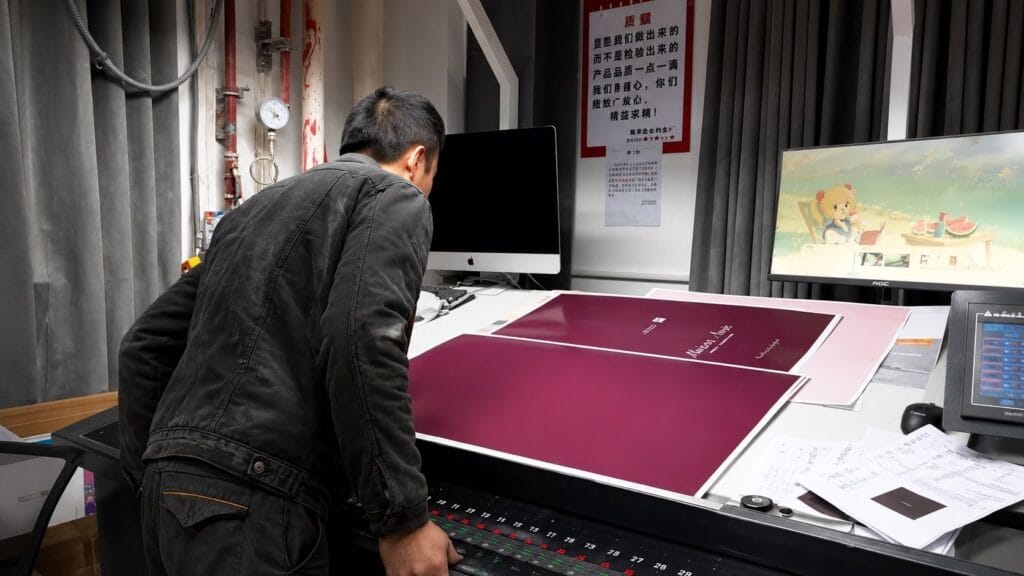
Pantone and CMYK are not just print terms for the artwork team. In packaging procurement, the choice affects color approval, proofing cost, sample expectations, material compatibility, and whether the same color can be repeated on later orders.
A buyer should decide the color control method before approving the dieline and sample. If brand color is critical, the supplier needs a clear reference and proof path; if artwork has many images or gradients, the buyer needs to know how CMYK will be checked on the final material.
This guide helps buyers choose a practical color proof route before sending files to ZHY for quote, sampling, or production review.
Quick buyer answer: Choose a Pantone spot color when a small number of brand colors need a named physical reference; choose CMYK for photographs, gradients and multi-color artwork; use both when the job needs controlled brand colors plus process imagery. In every case, approve the result on the intended paper, ink, coating and finishing route rather than from a screen preview alone.
How this guide was prepared: The comparison covers color intent, proof type, substrate, finishing and repeat-order control. Pantone’s print and packaging guide overview explains the distinction between spot-color and process-color references; ISO 12647-2:2013 covers process control for offset lithographic printing. Neither source guarantees a match on an unspecified packaging material, so the supplier’s actual print route and production sample still control approval. Reviewed 24 August 2026.
The RFQ should make the color route, reference, proof and approval owner explicit. A supplier cannot price or repeat an undefined instruction such as “match the screen” or “make the gold premium.”
When Pantone or CMYK is the safer packaging print choice
The better print choice depends on the job the packaging must do. Pantone is usually safer when one or more brand colors must be controlled closely. CMYK is often more practical when the artwork contains photos, gradients, or many mixed colors.
| Option | Use case | Tradeoff | approval risk | Verification check |
|---|---|---|---|---|
| Pantone spot color | Brand logo, premium retail panel, or repeat-order color control. | More controlled color target, but proofing still depends on material and finish. | Brand color can shift if the proof is not made on the intended surface. | Request printed proof or sample on the selected paper or board. |
| CMYK process print | Photos, gradients, seasonal artwork, or complex illustrations. | Flexible artwork reproduction, but screen color is not enough for approval. | Printed output can differ from the buyer screen preview. | Approve the printed sample, not only the digital proof. |
| Mixed approach | Spot brand colors plus process artwork or background graphics. | Better control but more approval points. | One design area may pass while another creates color or registration risk. | Check spot color, image areas, finish, and print position separately. |
Use Pantone when brand color matching controls the approval
If the buyer has a brand color standard, send the reference with the artwork file and ask how the supplier will match it on the actual paper surface. A Pantone reference still needs a print proof because paper color and finish can shift the final appearance.
Use CMYK when artwork complexity and cost flexibility matter more
CMYK can be a practical choice for photographic or gradient artwork, but the buyer should approve the printed result rather than relying on the screen preview. Ask for proof on the same board or paper family planned for production.
Confirm how the supplier will handle color drift across materials
The same color can look different on kraft paper, white paperboard, corrugated board, or laminated surfaces. Buyers should ask whether a new proof is needed when the material, finish, or factory print method changes.
What color proof buyers should approve before sampling
Color approval works best when the buyer separates file review, print proof, and physical sample approval. Each step answers a different question: is the file correct, does the color print acceptably, and does the finished package match the buyer expectation?
| Spec | Acceptable range or buyer target | approval risk | Verification check | buyer follow-up |
|---|---|---|---|---|
| Artwork file and color reference | Final dieline, editable artwork, Pantone or CMYK target, and print surface. | A proof made from the wrong file or surface can approve the wrong color. | Confirm file version, material, finish, and proof type in writing. | Request a revised proof if any input changes. |
| Printed proof or sample | Proof should represent the intended material and finish. | Color can drift after lamination, coating, or paper change. | Compare the proof against the approved reference under agreed review conditions. | Approve the sample or ask for corrected print before production. |
| Repeat-order color record | Keep proof, sample, material, finish, and approval date together. | Future orders may not match if the first approval record is incomplete. | Check repeat samples against the retained proof and sample. | Send the color record with the reorder RFQ. |
- Send editable artwork, dieline, color references, print position notes, and finish requirements together.
- Confirm whether the proof is digital, printed on similar material, or printed on the final production substrate.
- Approve a physical sample when color, finish, board surface, and structure must be judged together.
- Keep the approved proof with the order record so repeat production has a reference.
Lock artwork files, color references, and print surface assumptions
A proof is only useful when the supplier knows which file, paper surface, and finish it represents. If the artwork, board, lamination, or foil changes later, the buyer should ask whether the proof is still valid.
Compare digital proof, printed proof, and physical sample roles
A digital proof checks layout and basic color direction. A printed proof checks color behavior. A physical sample checks the full package: board, print, finish, folding, and presentation. Buyers should not treat those as interchangeable approvals.
Record approval boundaries for repeat orders
When a repeat order is needed, the approved color record should show the file version, print method, material, finish, and sample approval date. This helps avoid color disputes caused by missing historical context.
For the commercial handoff, connect this check with ZHY’s packaging quality control so the quote, sample approval, and production notes use the same assumptions.
For related options, review custom retail packaging before sending the RFQ.
RFQ checkpoint
Align artwork, dieline, sampling, production, and quote handoff details before sending your color proof requirements for review.
RFQ inputs that change print cost, MOQ, and reorder consistency
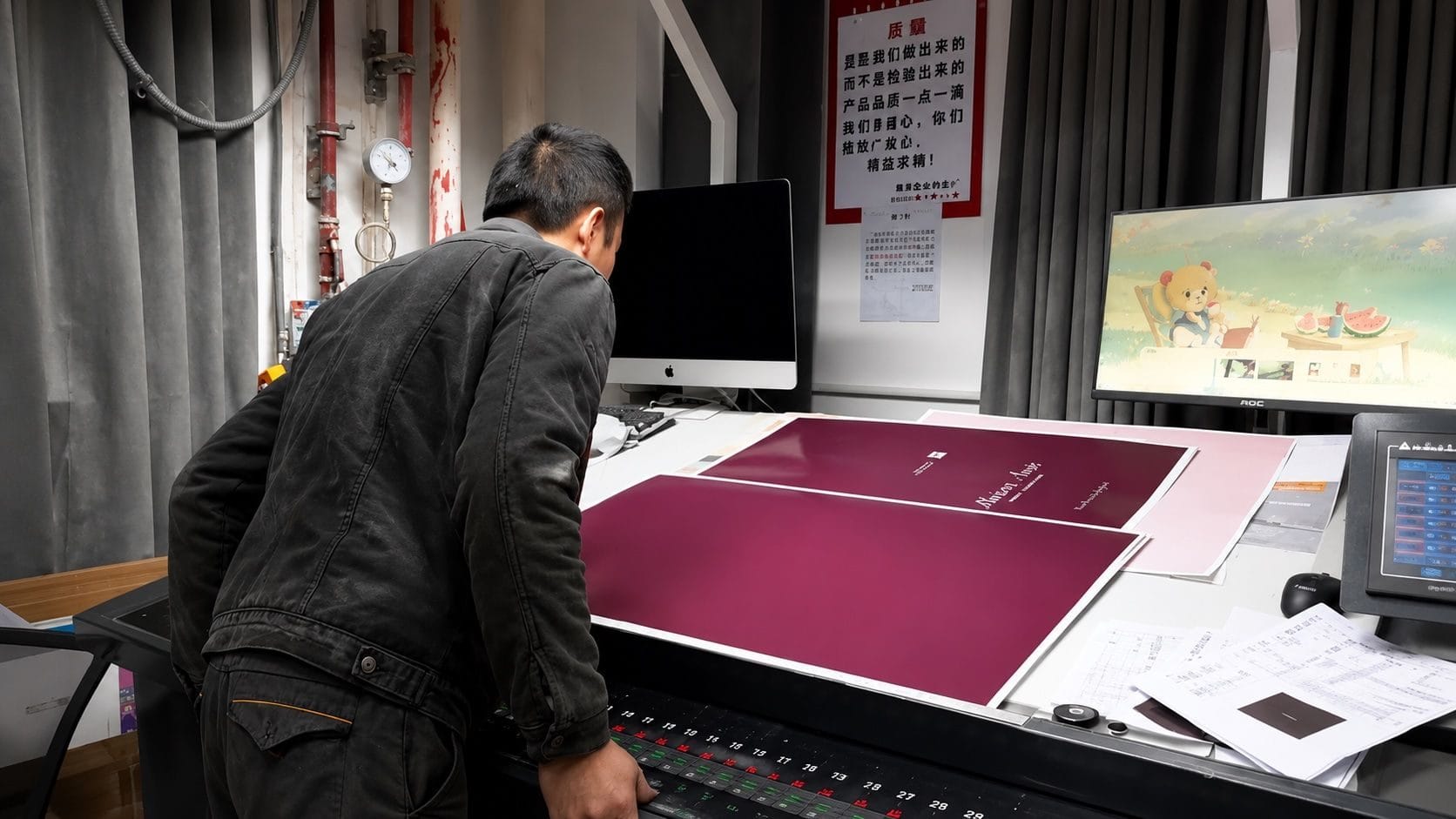
Print cost is not only about the color system. It also depends on print coverage, setup, board type, finishing, proof requirements, and how much color control the buyer expects across orders.
| RFQ input | Why it matters | approval risk | Supplier question | buyer follow-up |
|---|---|---|---|---|
| Color system and reference | Defines print setup and proof route. | The supplier may quote without enough color-control cost. | Is this quoted as Pantone, CMYK, or mixed print? | Ask for the proof method before sampling. |
| Material and finish | Color changes across kraft, white board, coating, and lamination. | A proof on the wrong surface can mislead approval. | Will the proof use the same material and finish as production? | Request a production-like proof when color matters. |
| Repeat-order requirement | Shows whether color records must be tightly controlled. | Reorders can drift if no proof record is kept. | What reference will be used for repeat color approval? | Store the approved proof with the production file. |
Print coverage, spot colors, finishing, and material surface
Heavy ink coverage and special finishes can change both cost and color perception. Buyers should ask the supplier to separate artwork setup, proofing, material, finish, and production assumptions in the quote.
Color tolerance and viewing condition questions
If the brand has strict color expectations, ask how the sample will be judged and what kind of variation is acceptable. Without an agreed reference, both sides may evaluate color under different light or against different files.
When to request a production sample before bulk approval
Request a production sample when color accuracy, finish, shelf presentation, or repeat-order consistency is commercially important. A simple digital proof is not enough when the color must carry the brand.
For the commercial handoff, connect this check with ZHY’s custom paper packaging products so the quote, sample approval, and production notes use the same assumptions.
When to request a production sample before approval
Keep the production sample decision with the printed sample record so these RFQ inputs can be repeated in production.
For related options, review custom cosmetic packaging before sending the RFQ.
Ask the supplier to confirm production lead time after specifications and sample approval are fixed, plus the date when packing and delivery handoff can start.
Where this fits: Beyond the product specs above, see custom packaging solutions to match the right packaging program, confirm supplier capability, and line up the RFQ inputs before requesting samples or comparing quotes.
In conclusion — Pantone vs CMYK color proof for custom packaging
Pantone vs CMYK should be decided by the color risk of the packaging order, not by print vocabulary alone. Send ZHY the artwork file, color reference, material choice, finish plan, and proof requirement before sampling so the quote and approval path reflect the same color target.
When the RFQ is ready, connect the article notes with ZHY’s custom packaging page so product scope, sample proof, and supplier questions are reviewed in one place.
Before sending artwork to ZHY, decide whether the buyer needs brand-color control, complex image reproduction, or a mixed proof route. That decision reduces approval risk because color proof, sample approval, and repeat-order records are aligned before production.
Pantone vs CMYK packaging print FAQ
Is Pantone always more accurate than CMYK for packaging?
Pantone can be safer for controlled brand colors, but it still needs proofing on the chosen packaging material. CMYK can work well for complex artwork when the buyer approves the printed result, not only the screen preview.
Can one color match across kraft paper, white paper, and coated stock?
It may shift across surfaces. Buyers should ask the supplier to confirm whether separate proofing is needed for each material or finish.
What should buyers send before asking for a color quote?
Send the dieline, editable artwork, Pantone or CMYK references, material choice, finish requirements, target quantity, and sample approval expectation.
When should buyers request another color proof?
Request another proof when the material, finish, artwork file, color reference, or print method changes. The previous proof may not represent the new production condition.


Ask a Packaging Question