
Direct answer: Approve a proof only after confirming the file revision, intended print process and substrate, color reference, viewing condition, text and barcode content, registration, finish layers, cut and fold relationship, and what the proof cannot predict. Record accepted differences before release.
A print proof is the last point at which a colour problem costs nothing. After sign-off it costs a reprint, and a common reason a proof gets approved and the run still disappoints is that the wrong thing was being looked at.
This covers the difference between CMYK build and spot colour, what a proof can and cannot predict, the physical checks worth doing on the proof, and what the approval record has to capture.
CMYK and Pantone are not two ways of getting the same result
Xiamen ZHY Packing prints CMYK offset and Pantone spot colour. The choice between them is not a quality tier; it is a decision about what you need to stay constant.
| CMYK offset | Pantone spot | |
|---|---|---|
| How colour is made | Four inks overprinted in halftone | One pre-mixed ink laid solid |
| Best for | Photography, gradients, many colours | Brand colours that must repeat exactly across runs and substrates |
| Repeatability across runs | Good, within press tolerance | Highest; the ink itself is the reference |
| Behaviour on kraft or uncoated | Shifts noticeably; the substrate is part of the colour | More predictable, but still shifts against the brown ground |
| Cost implication | Included in the standard printing basis | An additional ink station, quoted per RFQ |
The practical rule: a corporate colour that appears on every SKU is a spot colour decision, and everything photographic is CMYK. Mixing them on the same box is normal and is a print planning question, not a problem.
Where the substrate enters the decision
The materials in normal use behave differently enough to change the answer. Coated art paper up to about 375 gsm gives the most predictable colour because the ink sits on a sealed surface. White card at 200-450 gsm is close behind. Kraft board in the 250-450 gsm range is a brown, absorbent ground: every colour laid on it shifts warm and darker, and light colours can disappear into it entirely without a white underprint.
This is why the substrate has to be settled before the colour conversation rather than after. A brand palette approved on coated stock and then applied to a kraft mailer is not a printing failure when it arrives looking different; it is a specification that changed material without revisiting colour.
What a proof can and cannot tell you
A proof made on the production substrate with the production process is the strongest evidence available before a run. Anything less than that is an approximation, and knowing which approximation you are holding is the whole skill.
The three questions to ask about any proof
- Was it printed on the actual board? Kraft, white card, and coated art all shift the same ink. A proof on coated stock approving a job that will run on kraft board is not evidence.
- Was it printed by the production process? A digital proof predicts layout and content well and colour approximately.
- Does it carry the finish? Matte lamination flattens and slightly darkens; gloss deepens; soft-touch mutes. Spot UV changes contrast locally. Approving colour on an unlaminated proof for a laminated job is a common avoidable miss.
Physical checks worth doing
Look at the proof under the light the product will actually sell in, not under office fluorescents, and look at it next to the physical brand reference rather than a screen. Check the small reversed type and any fine rules, since those break first. Check registration where two colours meet along a fold, because folding amplifies any misregistration that is already there.
Recording the approval so the reorder matches
The factory-side check that makes a reorder possible is a signed proof retained on both sides, together with an approval record naming board and grammage, print method, the spot colour references used, the finish, and the artwork version. Without the finish on that record, a reorder can legitimately arrive matching the approved proof and looking different in the hand.
Sample turnaround is typically 7 days after structure and specification are confirmed, and standard production is 15–30 working days after specifications, artwork, and sample requirements are confirmed. Proof rounds sit inside the first window, so a proof queried on day six moves the production start, not the delivery buffer.
Finishing options that change colour perception include matte, gloss and soft-touch lamination, spot UV, and gold or silver foil stamping. See custom packaging services for the print and finish routes, and custom paper boxes or rigid boxes for the structures they are applied to.
Before you sign off
Tell us the board, the spot colour references, and the finish when you request a proof.
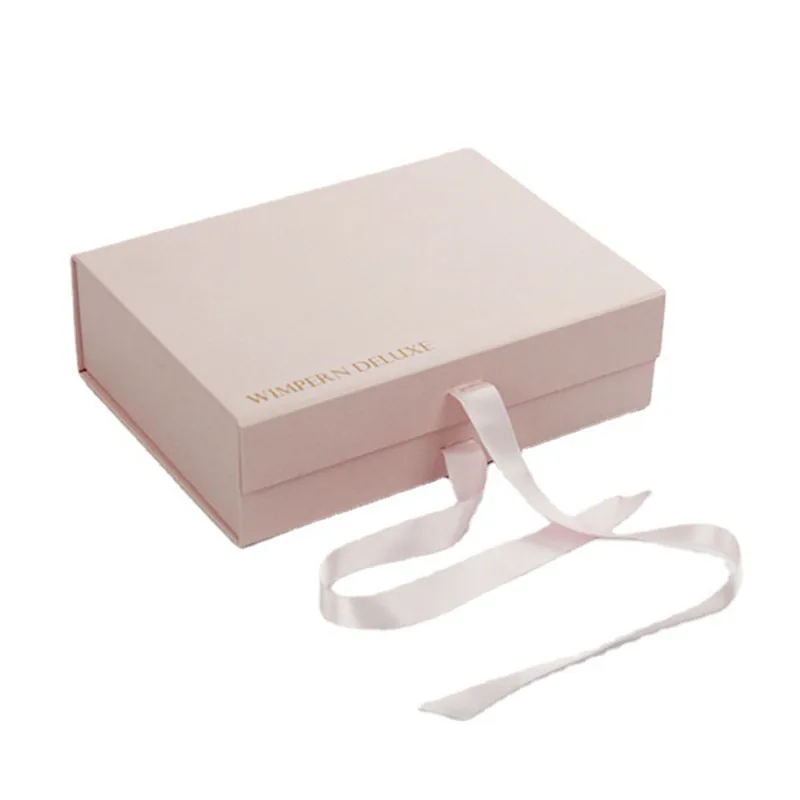
Two further details belong on that record because they are invisible later. The first is the light the proof was approved under, since a colour signed off under warm office light and rejected under retail daylight is a lighting disagreement rather than a print fault. The second is who signed it. On a brand side with several stakeholders, an approval without a name attached tends to be reopened by whoever was not in the room, and reopening a proof after the plates are made is a tooling cost rather than a conversation.
Conclusion
Source check: ISO/TC 130’s guidelines for print production standards distinguish validation prints, contract proofs, and standardized soft-proofing conditions. Pantone’s packaging color-guide overview helps select the relevant physical reference. Agree the simulated print condition and remaining production differences before sign-off.
Approve colour on the production substrate carrying the production finish, under the light the product sells in, against a physical reference. Then record board, print method, spot references, finish, and artwork version together. A proof approved without the finish is an approval of something that will never ship.
Frequently asked questions
Can I approve colour from a PDF?
A PDF confirms content, layout, and placement, and it is the right tool for those. It cannot confirm colour, because the substrate and finish are not in it.
Why does my brand colour look different on kraft?
Kraft is brown and absorbent, so it changes both the hue and the density of the ink laid on it. A spot colour gets closer than a CMYK build, and a white underprint gets closer still, at a cost worth deciding deliberately.
How many proof rounds should I plan for?
Plan for two: one to catch content and layout, one to confirm colour on the production substrate with the finish. Rounds beyond that usually mean the specification was still moving when proofing started.


Ask a Packaging Question