
A custom packaging sample needs a written specification before the buyer contacts suppliers; otherwise suppliers may quote different product and approval assumptions.
Sample fees vary because sample scope varies. Knowing what a fee actually covers is what makes two of them comparable.
Direct answer: For custom packaging samples, prepare the RFQ by locking measurable specifications, sample evidence, packing details, quantity terms, and approval checkpoints before requesting a supplier quote.
What sample cost should include
| Requirement | Factory control | Evidence to verify | Order risk | RFQ follow-up |
|---|---|---|---|---|
| Sample approval | Factory records sample dimensions, material, and print against the quote spec. | Measure and compare sample to the approved spec sheet; sign off on color and finish. | Approving without a written record may lead to bulk order deviations. | Request a signed sample approval form from the supplier before production. |
| MOQ and order quantity | Factory confirms MOQ per product type and checks order quantity against project-level minimum. | Verify MOQ in the quote and confirm quantity breaks for cost efficiency. | Ordering below MOQ may incur additional setup fees or delay production. | Request written MOQ confirmation and price breaks in the RFQ. |
| Lead time after approval | Factory schedules production after receiving approved sample and final artwork. | Check lead time in the quote and confirm start date upon sample sign-off. | Unconfirmed lead time may cause supply chain delays or missed launch dates. | Request a production timeline in the RFQ and confirm after sample approval. |
Sample cost approval hinges on verifying that the paid sample matches every quoted parameter before bulk production begins. The buyer must compare the sample's dimensions, material grade, print registration, and finish against the written specification record. Any deviation discovered after approval shifts the cost burden to the buyer, making pre-approval measurement a critical procurement step.
Approving a sample without a documented spec record exposes the order to dimensional or material mismatches that the factory may not correct. The next buyer action is to request a written sample approval form that lists all verified attributes and attach it to the purchase order. Confirm commercial numbers such as MOQ and lead time directly in the RFQ rather than relying on sample-stage estimates.
Questions to confirm before ordering:
Build the quote request around packaging type, dimensions, board grade, print method, and finish. Match every listed buyer input to written supplier confirmation, approval evidence, and the risk that would hold the quote.
- Packaging type, dimensions, board grade, print method, and finish: Each specification drives a different tooling, material, and run cost; mismatched specs cause re-quotes A 300gsm coated board with offset print and matte lamination versus 250gsm kraft with flexo print Supplier quotes a generic structure that cannot hold your product or match your brand finish Attach a dimensioned dieline or spec sheet to the quote request and request a written confirmation of each parameter
- Sample quantity, lead time, and cost breakdown: Sample cost often includes mold, setup, and shipping; without a breakdown you cannot compare apples to apples A sample fee that includes one structural mock-up plus two color proofs, excluding courier Hidden tooling or rush charges inflate the sample budget and delay approval Request a line-item sample invoice showing mold, material, labor, and shipping separately
- MOQ and price breaks for the production order: MOQ determines whether the sample structure can scale; price breaks affect per-unit cost at your target volume Zhypacking quotes each project separately, and unit price falls as quantity rises You approve a sample that cannot be produced at your required order quantity or budget Confirm the minimum order in writing and ask for a price matrix at 200, 500, and your target quantity
- Quality control checkpoints and measurement tolerances: Without agreed tolerances, the bulk run may deviate from the sample in size, color, or finish Die-cut dimensions within the buyer-approved tolerance, color match to a signed-off Pantone target under D50 light You receive boxes that do not fit your product or match the approved color standard Document the acceptable tolerance for each critical dimension and request a pre-production sample inspection report
- Approval evidence and sign-off record: A signed-off sample record prevents disputes over who approved what and when Signed sample tag with date, spec checklist, and buyer initials attached to the purchase order The factory runs bulk based on verbal approval, and later claims the sample was not final Create a sample approval form that includes all spec fields, attach it to the PO, and request a countersigned copy
When sample cost changes before production
- Does the supplier have in-house tooling and die-making for custom packaging? In-house capability reduces sample revision cycles and cost changes. Supplier confirms own tooling shop and a typical sample turnaround. Outsourced tooling delays sample cost confirmation and may introduce hidden revision fees. Request a list of in-house equipment and sample lead time before approving the sample fee.
- How does the supplier verify sample dimensions and material grade before production? Verification method prevents sample cost changes from specification drift. Supplier uses a documented measurement record with signed-off material swatch and digital caliper check. Without a verification record, the sample may deviate from quote, triggering cost adjustments. Ask for a sample inspection checklist or measurement report attached to the sample invoice.
- What triggers a sample cost change after initial quote? Knowing triggers helps you control approval risk and avoid surprise charges. Supplier states cost changes only for material grade, print method, or size change beyond an agreed tolerance. Unclear triggers allow the supplier to add fees for minor artwork adjustments or color proofs. Document the cost-change policy in the sample agreement and confirm it covers packaging accessories products.
- Does the supplier offer a cost-hold period for the quoted sample fee? A hold period protects you from price increases during the approval cycle. Supplier states a written hold period for the quoted sample cost. Without a hold, the sample fee may rise before you complete internal sign-off. Confirm the hold period in writing and set your approval deadline accordingly.
- How does the supplier handle sample revisions that affect cost? Revision cost control prevents budget overruns during sample development. Supplier provides a written revision cost table showing which revisions are included and how later revisions are charged. Uncapped revision costs can exceed the sample fee and delay the bulk order. Request the revision cost policy and include it in the sample purchase order.
Physical sample comparison
Place the approved quote beside the physical sample before signing off. Compare dimensions, board grade, and print alignment. A documented measurement record from the supplier helps you verify the sample matches the spec. Without this check, a sample cost change may surface only during bulk production, when correction is expensive.
Artwork and color sign-off
Use a signed-off color target or Pantone reference to approve the sample. The supplier should record the color values and finish type on the sample tag. If the sample cost changes due to a color match issue, the sign-off record clarifies responsibility. This step reduces disputes and keeps the sample fee predictable.
Bulk lot inspection triggers
Define the inspection point where sample cost changes affect the bulk order. For example, if the sample passes but the bulk lot shows a material grade shift, the cost difference must be documented. A clear trigger clause in the sample agreement prevents unexpected charges when the production run begins.
quote request checkpoint
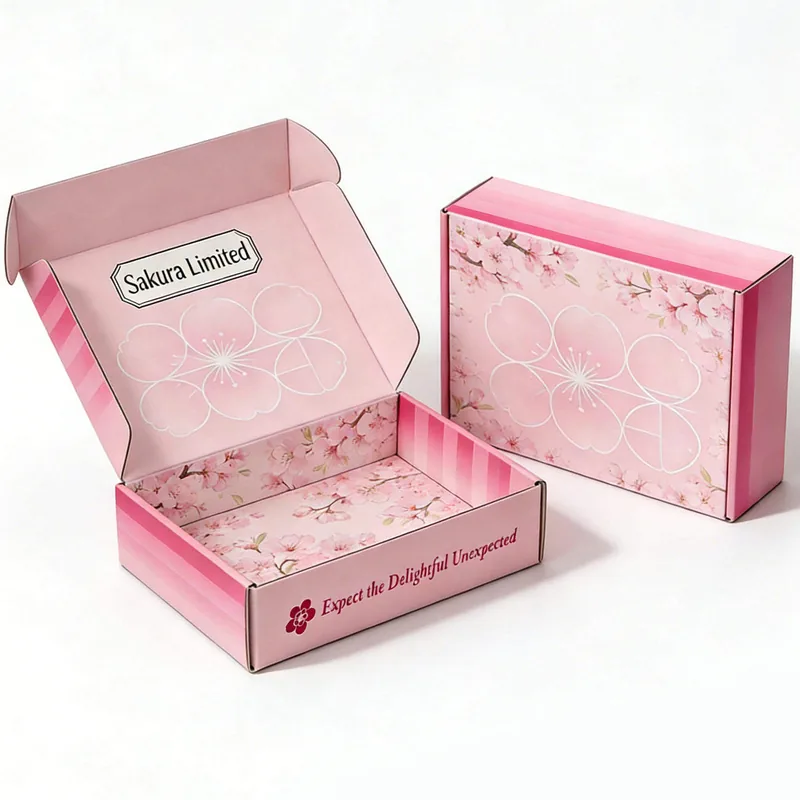
Questions to ask before paying a sample fee
Before approving a sample fee, confirm that the supplier’s quote and sample scope match your production intent. If the sample is not tied to a clear quote request requirement, the risk of hidden costs or rework increases.
What is included in the sample charge
Ask the supplier to break down the sample fee into: material cost, tooling or die charge, setup time, and shipping. Verify whether the fee covers one round of revisions or only the first physical sample. A buyer should request a written statement that the sample fee will be credited toward the production order if the order exceeds a specified quantity.
What triggers a second sample charge
Clarify in writing what changes will incur an additional fee. Common triggers include: artwork revision after the first proof, change in substrate or thickness, structural modification to the die line, or a new print method. Without this clarity, a supplier may charge for every iteration, even if the initial sample was not to spec.
What proof should be saved for production
Retain the approved sample, the signed-off artwork proof, the quote request specification sheet, and any email or document that confirms the sample matches the production criteria. These records serve as the baseline for quality checks and dispute resolution.
| Buyer check | Risk if skipped | Verification proof | Follow-up value |
|---|---|---|---|
| Confirm sample fee covers first physical sample and one revision | Unexpected charges for minor fixes | Quote line item or email confirmation | Budget predictability |
| Define what change triggers a second fee | Unlimited chargeable iterations | Written policy or contract clause | Control over sample process |
| Verify sample fee credit toward production order | Lost cost recovery on large orders | Credit term in quote or PO | Lower net sample cost |
| Save approved sample, artwork proof, and RFQ spec | No baseline for production quality | Signed-off documents and physical sample | Consistent output and dispute evidence |
Use this checklist during the quote request stage to avoid sample fee surprises. Each check ties directly to a production risk that can be mitigated with written proof. For related options, see custom packaging solutions.
Compare sample routes before approving the fee
Place the paid sample beside the quote record before approval. The buyer should check whether the piece was made by hand or on production tooling—this determines if the sample reflects true manufacturing risk. A digital proof shows color and layout on screen or paper, but a production-intent sample is run on the actual machine with the specified board grade and print method. If the supplier offers only a digital proof, ask: “Will the production-intent sample use the same tooling and finish as my order?”
Digital proof versus production-intent sample
A digital proof costs less and turns around faster, but it cannot validate structural integrity or exact material feel. Production-intent samples require setup time and material, so the fee is higher. Confirm in the quote request that the sample route matches your approval gate—structural fit needs a production-intent piece, while artwork alignment can use a proof.
White sample versus printed sample
A white sample (unprinted) confirms dimensions, insert fit, and assembly. A printed sample adds ink coverage and finish. If your packaging relies on a specific coating or foil, request a printed sample to verify adhesion and color. Ask the factory: “Is the white sample made from the same board as the printed sample?” to avoid material substitution later.
When tooling or finish trials are separate
Some suppliers charge tooling or finish trials as line items outside the sample fee. Before approving, request a breakdown: sample cost, tooling cost, and finish trial cost. This prevents surprise charges at handoff. Verify that the tooling quoted for the sample will be used on the production order without additional setup fees.
Keep sample evidence ready for bulk handoff
When a sample for custom packaging customization is approved without a clear specification record, the bulk order can drift from the agreed cost and construction. A factory that receives only a verbal or email confirmation may interpret the design differently, leading to rework or a price adjustment at the production stage. To avoid this commercial risk, the buyer should require that every approved sample is accompanied by a documented specification that matches the quote request.
Record approved dimensions and construction
Before the sample leaves the sample room, have the factory measure and record the dieline dimensions and structural details on a shared form. Ask: “Does this dieline match the quote request drawing, and can you confirm the board grade and flute direction on the record?” This step turns the physical sample into a verifiable reference for bulk production.
Retain color and finish references
Color and finish are common sources of dispute. Keep a signed-off color target or a finish swatch with the sample. During the handoff, the factory should confirm that the same inks, coatings, and substrates will be used for the production run. A simple table can capture these checkpoints:
| Checkpoint | Buyer verification question |
|---|---|
| Dimensions | Are the recorded dieline dimensions within the RFQ tolerance? |
| Color | Is the approved PMS or CMYK target attached to the sample? |
| Finish | Does the finish swatch match the production specification? |
| Construction | Is the board grade and flute direction noted on the record? |
Link the approved sample to the purchase order
Finally, attach the sample record to the purchase order or include a line item that references the sample ID. This closes the loop between the sample approval and the bulk handoff, ensuring that the factory’s production team works from the same evidence that the buyer approved. Without this link, the sample becomes a separate artifact rather than a binding specification.
References: ISO 2859-1 sampling inspection standard; How Much Do Custom Boxes Cost? Pricing, MOQs & Lead .; Packaging Pricing Guide: What Goes Into a Custom Packaging Quot….
For custom packaging cost, use custom retail packaging to align the applicable specification, proof record, supplier responsibility, and quote request handoff before comparing quotes.
In conclusion
Final approval should rest on evidence that the quoted sample can become the production order without hidden changes. Check the specification sheet, artwork version, material callouts, finishing details, insert needs, and packing method against the supplier’s written quote request response; then compare the sample fee, tooling or setup charges, unit cost basis, minimum order, and any refund or credit terms before you approve a supplier.
For Zhypacking projects, use 200 pcs as the project-level minimum order unless a confirmed product exception applies, and plan around a standard production lead time of 15–30 working days after specifications, artwork, and sample requirements are confirmed. Keep the approved sample, QC notes, color or finish references, and final quote in one handoff file so the factory has a clear production reference and the buyer can shortlist the supplier with lower cost uncertainty and lower production risk.
Custom packaging sample cost FAQ
What should buyers confirm before ordering a custom packaging sample?
Confirm the packaging type, dimensions, board or paper grade, print method, finish, insert structure, artwork version, and required sample route before payment. Zhypacking’s project-level minimum order is 200 pcs unless a product-specific exception is confirmed, and standard production is 15–30 working days after specifications, artwork, and sample requirements are confirmed. The main risk is approving a sample that does not match production intent, so verify the written spec sheet and ask the supplier to restate sample cost items in the quote request.
How should buyers compare sample cost and quote terms?
Compare sample cost only when every supplier is quoting the same structure, material callout, print coverage, finish, tooling need, packing method, freight basis, and approval standard. Do not treat a lower sample fee as cheaper if it excludes setup, remake conditions, courier cost, or production minimum order impact; confirm any unlisted number in the quote request. Verify whether the approved sample controls bulk production, then request a revised quotation after sample approval if any specification changes.
What sample, quality, or supplier checks reduce risk?
Reduce risk by checking whether the sample proves the buyer-critical points: size fit, opening feel, color target, lamination or foil effect, barcode readability, carton strength expectation, and packing method. Ask for photos, measurement records, material descriptions, and a retained reference sample rather than relying on a visual promise. If a compliance claim, special substrate, or tight launch date matters, require documents and confirm the sample schedule and the 15–30 working day production lead time, counted after specifications, artwork, and sample requirements are confirmed, in writing.
quote request handoff: Send Specs for Review.


Ask a Packaging Question