

A belly band fails in small, expensive ways: it slips off on the shelf, opens during transit, or scuffs the very print that was supposed to sell the product.
This guide covers the four controls that prevent those failures — application context, wrap dimensions, glue and grain, and sample approval — in the order they should be locked.
- Bottom line: hand-applied and machine-applied bands need different glue and paper.
- Wrap length, width, and overlap are measured values, not guesses.
- Approve a band on the actual product, not flat on a desk.
- Keep glue, grain, and width on one signed revision for reorders.
Direct answer: Say whether the band is hand-wrapped or machine-applied first, because the glue tack and paper stiffness change with the line. Measure wrap length, width, and overlap on the actual packed product, and name the glue method, hot melt or cold seal, plus grain direction in the spec. Approve the band on the real product and pack-test it inside the shipping carton before bulk.
Method and scope: TAPPI/ANSI T 409 sp-23 covers machine direction in paper and paperboard, while ISO 536:2019 covers grammage. Neither standard selects an adhesive, open time, overlap, or line speed for a belly band. Confirm those variables on the actual product, application equipment, production-intent paper, and signed sample.
Match the Band to the Application Line
Everything downstream — glue, paper, tolerance — follows from how the band is applied and what it survives afterward. Belly band overviews such as this belly band packaging guide start from the same distinction.
| Application case | Best for | Trade-off | approval risk if ignored | Verification check |
|---|---|---|---|---|
| Hand-wrapped retail display | Boutique and gift retail, slower packing lines | Higher labor per unit; consistency depends on operator skill | Uneven tension causing gaps or crushed edges | Define overlap and tension standard with a signed sample |
| Machine-applied at speed | High-volume lines with automatic banding | Glue tack and paper stiffness must match machine settings | Bands opening or jamming after minor material drift | Run machine trials with the production paper and glue |
| Transit-exposed packs | E-commerce or distribution where packs rub in cartons | Needs stronger lock and scuff-resistant surface | Band detached on arrival despite passing shelf checks | Pack-test inside the shipping carton before approval |
State the application method in the first line of the RFQ; it changes what the factory should recommend, and what your sample test must prove.
For the application line, confirm the cost driver assumption before the buyer signs the approval record.
Measure Wrap Length, Width, and Overlap
A band that fits one unit may not fit the production spread. Sleeve and belly band print guides like this packaging sleeve and belly band printing overview treat dimensions as print-critical, because wrap length also moves the artwork around the product.
- Wrap length measured on the actual packed product, with an acceptable range across units.
- Band width chosen for both coverage and the surface available for print.
- Overlap enough for the glue lock, without stacking paper where print or scanners matter.
- Position where the band sits on the pack, and whether it crosses a seam or a label.
Record the values with the dieline. Dimensions agreed verbally return as surprises when the artwork wraps half a centimeter off-center.
See e-commerce packaging for how wrap measurements fits into the order.
RFQ checkpoint
Align the specification, sampling, production, quality, and quote handoff before sending this order for review.
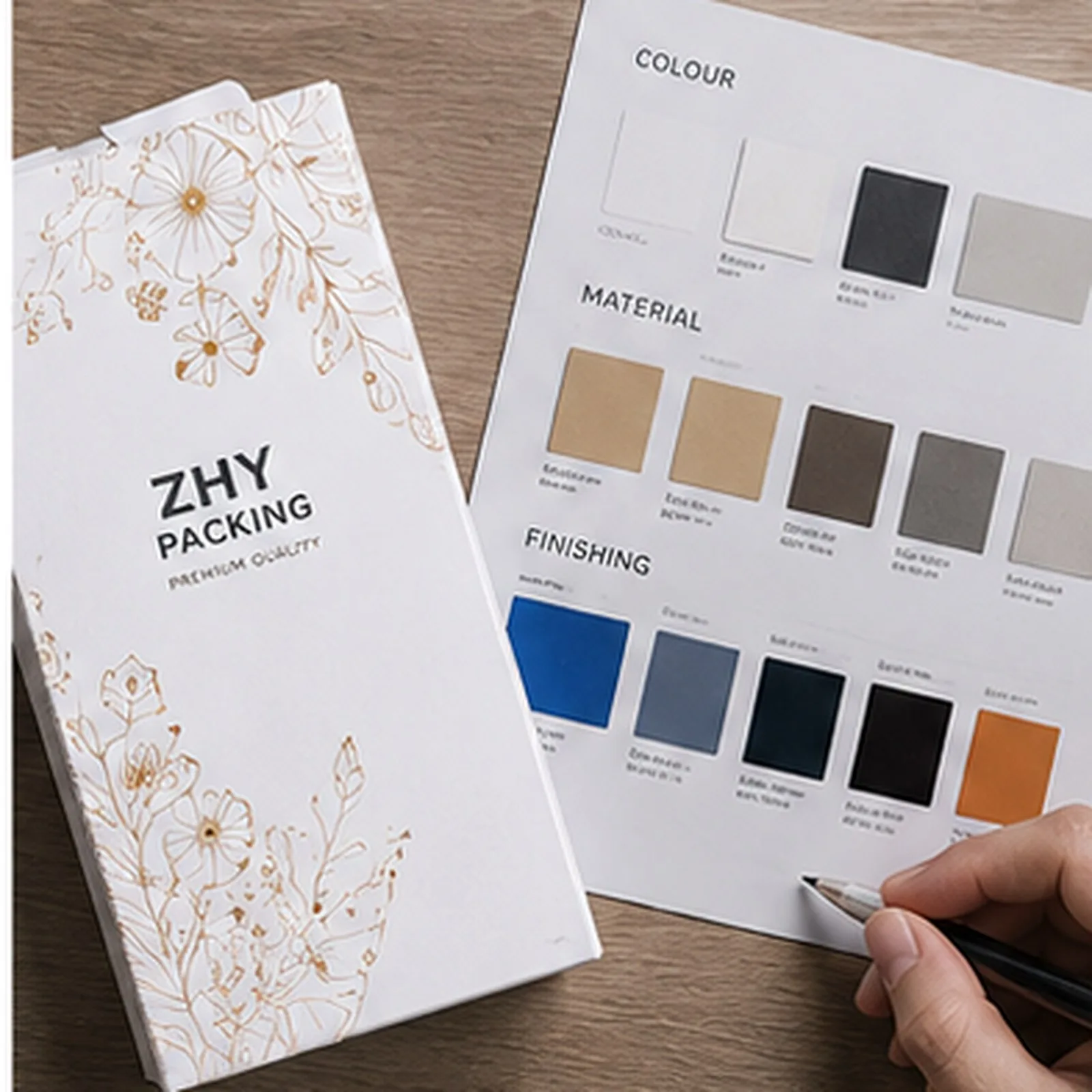
Choose the Glue Lock and Paper Direction
- Glue method hot melt or cold seal, matched to application speed and the paper surface.
- Grain direction aligned so the band wraps without cracking or springing open.
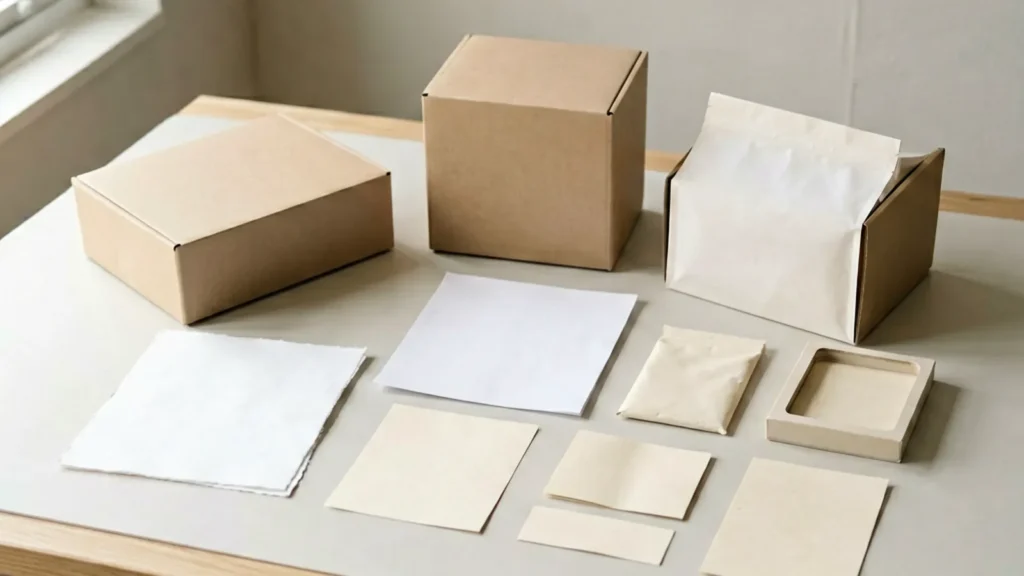
- Surface pairing coated, kraft, or textured stock each bonds differently — name the exact paper.
- Failure evidence ask how the factory checks glue hold during the run; quality control checklists like this packaging QC checklist include adhesive checks for the same reason.
A mismatch between glue method and grain shows up after packing — when the cost of finding it is a full rework. Put the glue type, grain direction, and paper GSM into the spec as named parameters, with the acceptable tolerance beside each one.
See custom retail packaging for how glue and grain choices fits into the order.
Approve Print, Fit, and Assembly on Real Samples
- Print proof color and registration checked on the production paper, including the overlap zone.
- Fit test the band applied to the actual product across several units, not one perfect piece.
- Assembly behavior how the band behaves when wrapped at line speed or by hand, repeatedly.
- Signed scope approval states what the sample proves: glue hold, print, dimensions, or all three.
Sampling mistakes at this stage are well documented — guides such as common packaging sampling mistakes list approving on visuals alone as a top cause of bulk surprises.
Use packaging accessories to align the sample and production handoff.
Lock Packing and Reorder Specifications
- Baseline file glue method, grain direction, band width, overlap, and revision ID kept with the approved sample.
- Reorder rule any paper or glue substitution requires re-approval before the next run.
- Packing method how bands are packed and shipped so they arrive flat and clean.
- Change record deviations logged with the buyer’s decision beside them.
Reorders drift when the baseline lives in someone’s memory. Moving it into the spec file is what keeps the tenth run identical to the first — and keeps every quote comparable. Ask the factory to hold the baseline file on its side too, so production starts from the same revision. Route the locked spec through your packaging accessories program when the band ships with other components.
Use Zhypacking to align the related specifications and RFQ inputs.
Conclusion: Release When the Evidence Matches the Sample
Approval comes down to one rule: release the order only when the written specification for glue, grain, width, and overlap matches the approved sample on the actual product. That discipline keeps shelf appearance, transit survival, and reorders on the same baseline — and it keeps the cost of a mistake at the sample stage, where it is cheap.
Use the checklist as your approval frame, and let your own pack tests confirm the risk points before volume.
Belly Band Approval FAQ
What inputs should we send with the RFQ?
Product or box dimensions, paper type, glue method, print colors, band width, and overlap tolerance. Custom-fit bands also need the approved dieline so the quote matches the artwork wrap.
What is the difference between a belly band and a sleeve?
A band wraps and locks with glue or tuck; a sleeve slides over the pack. Sleeve format guides like belly band and sleeve comparison explain the format choice, which changes tolerances: sleeves need slide fit, bands need lock strength.
How do we keep bands from opening in transit?
Match glue tack to the paper, align grain with the wrap, and pack-test inside the shipping carton. The fix belongs in the specification, not in a QC note after packing.
Which questions separate manufacturers from traders?
Ask who controls glue application and grain selection, and for run-level test records. Supplier question lists such as this belly band buying guide use the same test: producers answer with process detail.
RFQ handoff: For packaging belly band fit glue print, send artwork files, logo placement, material, finish target, quantity, and sample timing so print and structure can be reviewed together. Send Specs for Review.
Ask a Packaging Question