

“Paper bag” hides two different products: an uncoated kraft bag that shows its material, and a coated shopping bag built for print quality and finish. Ordering one when the brief needs the other is a quiet way to burn a season’s packaging budget.
This guide separates the two by surface, artwork, handle, and use conditions — then turns the choice into RFQ inputs a factory can quote against.
- Bottom line: kraft wins when the material look is the brand; shopping bags win when print and finish carry it.
- Weight and wet-handling conditions can override either visual choice.
- Approve paper, handle attachment, and a filled sample before bulk.
- Quote both options against one identical specification.
Direct answer: Choose a kraft paper bag when the natural, uncoated paper look is part of the retail brief and the artwork works with the kraft base color. Choose a shopping paper bag when controlled color, lamination, foil, or a presentation-led handle matters more. In both cases, let the filled-sample and handle evidence override the visual preference if the intended product creates a handling risk.
Method and limits: ISO 536:2019 covers grammage, and Pantone’s packaging guidance supports selecting color references by substrate and process. Neither makes “kraft” a performance grade or defines a universal retail-bag safe load, handle test, color tolerance, or finish route. Confirm the complete paper, print, handle, and loaded sample specification. Reviewed 24 August 2026.
Kraft or Shopping Bag: The Choice in One Table
The four options below cover most retail briefs. Choose by use case and trade-off first; the verification column tells you what to approve before the order.
| Option | Best for | Trade-off | approval risk if ignored | Verification check |
|---|---|---|---|---|
| Natural kraft bag | Eco-led or artisan retail where the paper itself is the message | Print colors shift on the kraft base; white usually needs an underprint | Artwork approved for white paper looks wrong on kraft | Request a print proof on the actual kraft stock |
| White or colored kraft | Natural texture with cleaner color reproduction | Extra bleaching or base layer changes cost and stiffness | Assuming the same GSM behaves like natural kraft | Compare hand-feel and rigidity on samples |
| Coated shopping bag | Brand-heavy retail, dense graphics, gloss or matte presentation | Lamination and finishing add cost and process steps | Premium look approved on screen, not on the finished bag | Approve a laminated sample with the real handle |
| Shopping bag with foil or spot effects | Luxury positioning, gift retail, flagship stores | Foil areas crack if folded or scored badly | Foil placement not tested at fold lines | Check fold behavior on a finished sample |
When the brief sits between two rows, sample both. A side-by-side filled test settles more arguments than any spec sheet.
When the Natural Kraft Look Fits
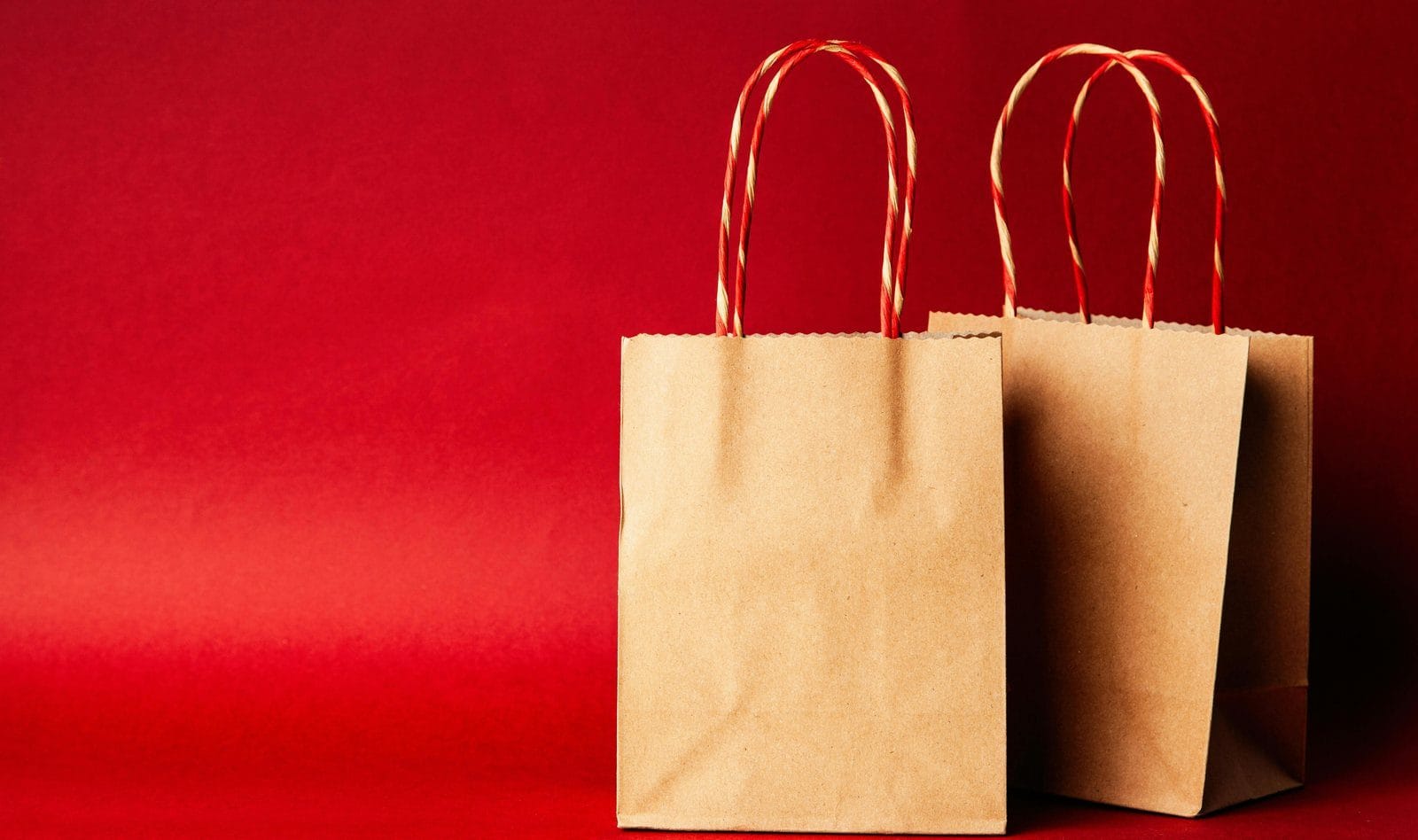
- Brand direction the uncoated, fiber-visible surface is part of the identity, not a compromise.
- Artwork acceptance the design works with the kraft base color showing through.
- Handle match twisted paper or flat kraft handles that pass a filled-use pull check.
- Reality check kraft is not automatically stronger for heavy loads or damp conditions — prove it on the actual sample.
Kraft rewards simple, confident print: one or two colors, generous margins, and an acceptance that the paper texture stays visible. If the brand needs photographic reproduction, that honesty becomes a limitation.
See custom printed tissue paper products for this choice.
RFQ checkpoint
Check the product route for sizes, structures, materials, finishes, and RFQ details before sampling kraft paper bag vs shopping paper bag.
When Presentation and Finish Matter More
- Color fidelity dense graphics, brand-critical shades, or photography need a coated, controlled surface.
- Finish options gloss or matte lamination, foil, spot effects — each with its own sample approval.
- Handle presentation ribbon, cotton cord, or die-cut; each attaches differently and carries differently.
- Approval pack laminated finish sample, handle pull-test result, and color registration proof before bulk.
A shopping bag that looks premium on screen but ships with dull print or failing handles damages the brand twice: once at unboxing, once at the return counter.
See custom retail packaging for this choice.
Compare the Two on the Criteria Retail Actually Uses
- Surface and print kraft shows material; coated board shows artwork. Decide which one the customer should notice first.
- Perceived value finishes and handles lift perceived price; kraft lifts authenticity. Match the store’s positioning.
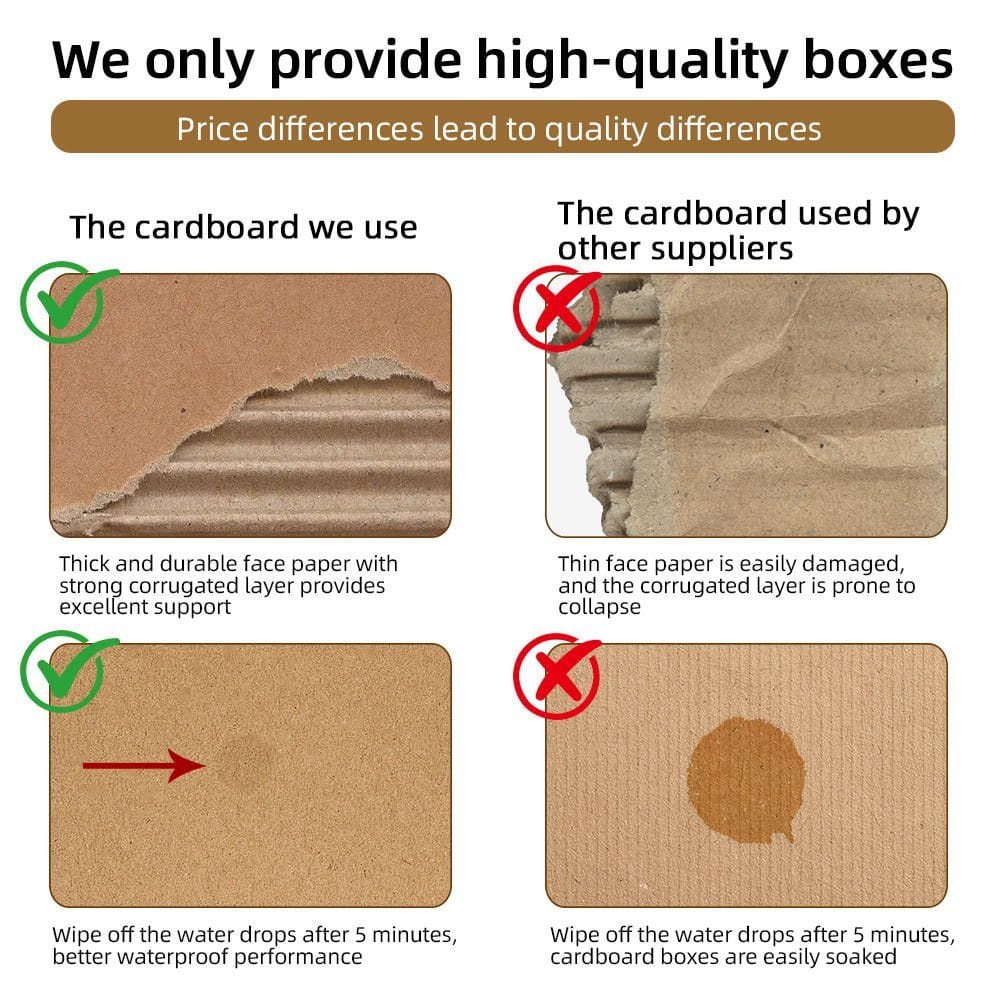
- Durability compare GSM, handle attachment, and bottom construction for the real product weight — not the catalog weight.
- Cost shape kraft usually costs less before finishing; shopping bags concentrate cost in coating, lamination, and handles.
Run the comparison once, in writing, before requesting quotes — otherwise each supplier will position the bag they prefer to make.
Before comparing suppliers, review packaging dieline and custom packaging specs for the related product or solution route.
RFQ Inputs for Both Bag Types
- Dimensions width, height, gusset, and bottom construction.
- Paper grade and GSM, recycled content if required.
- Handle material, length, and attachment method.
- Artwork and finish print standard, colors, coating or lamination.
- Order split quantity per design, packing method, and deadline.
Issue one written specification and quote both bag families against it. That single discipline turns opinion into a like-for-like comparison. A factory quotes fastest and most accurately against a complete spec, so this list also shortens the quote round. Format and sample expectations are on the paper bags product page.
Use paper packaging quality control to align the related specifications and RFQ inputs.
Avoid the Look-Versus-Use Mismatch
The classic failure is a kraft bag chosen for its natural look on an order that actually needs glossy presentation — or a laminated shopping bag specified where the brand story is raw material. Run a short pre-RFQ control:
- Surface finish does the store lighting flatter uncoated paper or coated gloss?
- Handle type does the handle match the product weight and the brand register?
- Paper weight is the GSM chosen for the real product, not the catalog photo?
- Use conditions damp hands, outdoor queues, or heavy items override aesthetics.
When the checklist and the brand direction disagree, resolve it at design stage: it costs a meeting now, a rewrite after sampling, and the customer’s first impression at the shelf.
Conclusion: Choose for the Customer, Then Prove on the Sample
Kraft serves brands that show material; shopping bags serve brands that show print. Pick by the customer’s first impression, then verify with a filled sample, the right proofs, and one identical RFQ for both options.
This is the same sequence we use when advising retail buyers on bag selection: use case first, surface second, sample evidence before any bulk commitment.
Let your own store conditions and samples confirm the fit — and bring the specification to the paper bags range when you are ready to quote.
Kraft vs Shopping Bag FAQ
Which bag fits a natural, eco-led brand?
Usually kraft, provided the artwork accepts the base color and the handle passes a filled-use check. Choose recycled-content kraft when the sustainability story needs it, and verify the claim paperwork against the kraft paper bag sustainability proof checklist.
When is a coated shopping bag worth the extra cost?
When print quality, brand color accuracy, or a premium finish drive the purchase decision — flagship retail, gift categories, and photography-heavy brands typically land here.
Can the same artwork run on both?
Technically yes, visually no: colors shift on uncoated kraft, and white usually needs an underprint. Approve separate proofs per bag type instead of assuming one file fits both.
How do we compare MOQ and lead time fairly?
Quote both options with identical dimensions, quantities, and packing. Finishing steps on shopping bags add days and often higher minimums — ask for each driver separately so the difference is visible.
RFQ handoff: For kraft paper bag vs shopping paper bag, share product size, material, artwork, quantity, sample need, packing method, and deadline so the RFQ can be reviewed before sample approval. Send Specs for Review.
Source check: ISO/TC 122 packaging standards.

Ask a Packaging Question