
Planning custom magnetic boxes: product selection starts with the product dimensions and distribution route, because both affect board, structure, print, insert clearance, packing, and the sample used to release production.
This packaging guide turns those choices into a dieline brief, sample sign-off record, and quote checklist for comparing suppliers on the same specification.
Direct answer: Use custom magnetic boxes: product selection only after its specification, application fit, sample route, quantity rule, and supplier exceptions have been confirmed in writing.
Define the Buyer Requirement
| Requirement | Factory control | Evidence to verify | Order risk | RFQ follow-up |
|---|---|---|---|---|
| Sample approval | Factory holds pre-production sample against approved artwork and dimensions. | Compare physical sample to signed-off specification sheet and color target. | Unapproved sample may lead to batch rejection or dimensional mismatch. | Request pre-production sample and sign off before production release. |
| MOQ and order quantity | Factory confirms minimum batch quantity per product line and material setup. | Check supplier quote for stated MOQ and ask for volume break pricing. | Under-ordering may trigger setup fees or delay; over-ordering increases inventory cost. | Confirm MOQ in written RFQ and negotiate volume tiers for repeat orders. |
| Material / substrate | Factory sources board grade, thickness, and magnet type per approved spec. | Request material data sheet and compare to agreed substrate in sample. | Substitute material may alter box rigidity, closure strength, or print surface. | Approve material specification on sample and attach to purchase order. |
| Width or size tolerance | Factory holds the agreed dimensional tolerance on production batches. | Measure sample with calipers; request inspection report for first production run. | Out-of-tolerance boxes may not fit product or close properly, causing returns. | Set acceptable tolerance range in RFQ and verify on pre-production sample. |
| Finish or color control | Factory matches finish (matte/gloss/soft-touch) and color to approved proof under standard lighting. | Use a spectrophotometer or visual check under buyer-approved viewing conditions against signed color target. | Color drift or finish inconsistency can damage brand perception and require rework. | Approve color proof and finish swatch before production; request first-article inspection. |
Approval of the pre-production sample is the buyer's primary gate before committing to full production. Without a signed-off sample, the factory has no binding reference for dimensions, material, finish, or color. Any deviation discovered later becomes a dispute over who approved which standard. The buyer must document every check on the sample and attach that record to the purchase order, ensuring the factory's quality control team works from the same benchmark. This step eliminates ambiguity and protects both parties from costly rework or shipment rejection.
After sample approval, the buyer's buyer follow-up is to confirm all commercial terms in the written RFQ before releasing the order. The quote request must capture the agreed MOQ, material grade, dimensional tolerance, and finish specification exactly as verified on the sample. Do not rely on verbal agreements or email summaries alone; a structured quote request with line-item approvals creates an auditable trail. Once the factory receives this document, production lead time begins. The buyer should also schedule a first-article inspection to catch any process drift early in the run.
For custom magnetic boxes: product selection checklist, use the define the buyer requirement evidence check to compare the supplier record with ISO 2859-1 sampling inspection standard before accepting the requirement.
Compare the Available Routes
| Option | Best fit | Trade-off | Risk to avoid | Verification | Follow-up |
|---|---|---|---|---|---|
| Current specification (approved greyboard, wrap paper, and neodymium magnet) | Repeat orders where the box structure, magnet strength, and wrap material are already approved and production-tested. | No flexibility to adjust board thickness or magnet type without a new sample approval cycle and potential tooling change. | Assuming the same spec works for a new product weight or size without re-verifying magnet pull force and box rigidity. | Check the approved product specification sheet against the new product's weight and dimensions; request a pull-force test if weight exceeds the buyer-provided product weight. | Document the verified spec in the RFQ and attach the previous sample approval report. |
| Alternative specification (thicker greyboard, heavier wrap paper, and ferrite magnet) | Heavier products (e.g., glass bottles, metal components) where the current board may warp or the magnet may not hold the lid closed. | Higher material cost per unit and longer production lead time (adds time for board sourcing and die adjustment). | Selecting a thicker board without confirming that the existing box dimensions (e.g., lid depth) still align with the product fit. | Request a pre-production sample with the exact product inside; measure lid closure gap and magnet alignment under load. | Approve the alternative sample only after a signed-off fit-and-closure report from the QC bench. |
| paper boxes products option (specify board grade, wrap material, magnet type, and finish) | New product launches where the buyer needs a unique box size, custom print, or special finish (e.g., soft-touch lamination, foil stamping). | Requires a full sample approval cycle and may incur a one-time tooling charge for die-cut or embossing plates. | Approving a custom spec without verifying the magnet pocket depth and wrap material shrinkage during lamination. | Run a production trial of 50 boxes with the exact artwork and finish; check for magnet pocket bulge and wrap alignment after 24-hour drying. | Lock the approved product specification, including box dimensions, board grade, magnet type, and finish, before bulk production. |
| Safer fallback (standard greyboard, wrap paper, and neodymium magnet, no custom finish) | First-time buyers or low-volume test runs where the buyer wants to validate the market before committing to a custom design. | Limited differentiation on shelf; the box will look similar to many standard magnetic box products available from multiple suppliers. | Ordering a standard spec without confirming the magnet polarity and lid alignment for the specific product dimensions. | Request a physical sample with your product inside; check that the lid closes flush and the magnet holds securely during handling. | Use the approved sample as the benchmark for the bulk order; document any deviations in the RFQ. |
Use this decision matrix as an approval sequence. For current specification (approved greyboard, wrap paper, and neodymium magnet), a poor decision can mean assuming the same spec works for a new product weight or size without re-verifying magnet pull force and box rigidity. Ask the supplier to check the approved product specification sheet against the new product's weight and dimensions; request a pull-force test if weight exceeds the buyer-provided product weight. Use the result to decide whether this checkpoint can proceed or must stay on hold.
Preserve the current specification (approved greyboard, wrap paper, and neodymium magnet) decision under one revision number: keep the supplier response, marked sample, approved specification, quotation, and approval owner together. If the evidence conflicts with the approved record, hold the quote, sample, or production release until the deviation is explained in writing. Once the buyer and designated technical authority have accepted the evidence, carry the signed approval record into the purchase order, production handoff, shipment release, and later reorder review so every team works from the same baseline.
quote request checkpoint
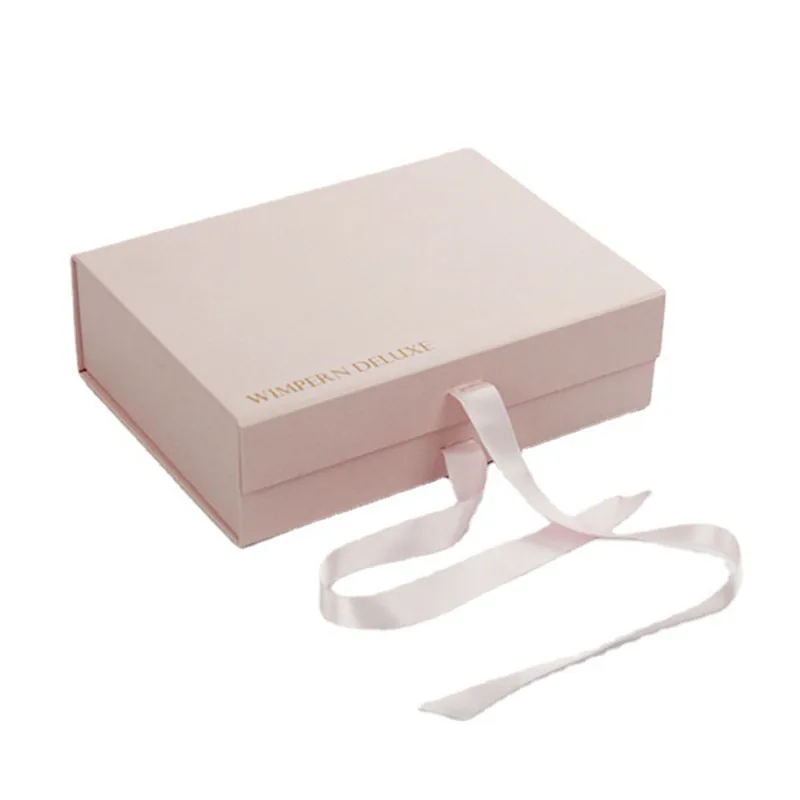
Review the Required Proof
Before approving a custom packaging customization box design, verify the physical proof against your spec sheet. Measure dimensions, magnet pull force, and board thickness with a caliper and gauge. A deviation in flap tolerance can cause lid misalignment and increase rejection risk.
Use this checklist during proof review:
- Confirm magnet pocket depth matches your insert thickness.
- Check crease lines for cracking on 180° fold test.
- Verify CMYK color values against a Pantone bridge.
- Test closure snap with a 3-cycle open/close test.
Document any deviation and request a corrected sample before signing off. This step prevents costly rework and aligns factory execution with your quote request handoff requirements.
Build the Decision Asset
At this process checkpoint, the buyer must have a verified supplier scorecard before moving to production. The output is a documented decision asset that flags supplier proof, sample approval, and reorder control.
Supplier evidence to request
Request factory process references—not certifications—that confirm consistent magnet pocket depth and board alignment. Cross-check with your spec sheet for thickness tolerance and closure force. A mismatch here raises production risk and rework cost.
Sample approval evidence
Measure the physical sample against your quote request: dimensions, magnet pull strength, and wrap alignment. Approve only when all metrics pass. This step gates the sample handoff to bulk production.
Reorder control records
Define reorder triggers: minimum batch consistency, magnet sourcing stability, and lead time buffers. Without this, repeat orders may drift from the approved spec, increasing cost and execution risk.
Use this table to track each check:
| Check | Key Spec | Cost/MOQ Impact |
|---|---|---|
| Supplier proof | Magnet pocket depth tolerance | Rework cost if off |
| Sample approval | Closure force & wrap alignment | Bulk reject risk |
| Reorder control | Batch consistency & magnet source | Repeat order drift |
Document each decision and attach to the quote request. For more on factory execution, see custom packaging solutions.
Prepare Comparable RFQ Inputs
- Does the supplier have documented experience with neodymium magnet embedding and closure alignment for rigid boxes? Magnet placement tolerance directly affects lid closure and product protection; inconsistent embedding causes returns. Supplier provides a process sheet showing magnet pocket depth tolerance within the buyer-approved tolerance and a sample-room alignment check. Approving a box with misaligned magnets leads to field failures, brand damage, and chargebacks. Request a magnet-placement process sheet and a closure-alignment photo from the last three production runs.
- What paper packaging quality control steps does the factory run on the board before lamination? Board moisture and thickness variation cause warping after lamination, which breaks the magnetic seal. Factory logs show GSM check, moisture meter reading, and a 24-hour acclimation step before lamination. Warped lids fail the closure test in the field, triggering a full batch rejection. Ask for the last three board-inspection records and a photo of the moisture meter used.
- Can the supplier provide a sample with the exact magnet type and adhesive specified in your quote request before bulk production? Magnet pull strength and adhesive bond vary by supplier batch; the sample confirms your spec is achievable. Sample arrives with a magnet pull-strength test report and adhesive cure time matching your quote request. Bulk boxes may use weaker magnets or different adhesive, causing lid failure and customer complaints. Hold sample approval until you receive the magnet test report and adhesive data sheet.
- Does the factory have a documented reorder protocol for magnetic boxes that includes magnet sourcing lot traceability? Magnet sourcing changes between orders can shift pull strength and closure feel without warning. Supplier shares a reorder checklist that includes magnet lot number verification and a closure test on the first production samples. Inconsistent magnet performance across reorders erodes brand perception and increases return rates. Add magnet lot traceability and a first-article closure test to your purchase order terms.
In conclusion
The final approval for your custom magnetic boxes comes down to verifying that the supplier’s spec, cost, and lead time match your quote request. Check the physical sample against your dimensions, board grade, and magnet pull strength, then compare the quoted MOQ of 200 pcs and the 15–30 working days (after specifications, artwork, and sample requirements are confirmed) against your project timeline. Document each decision—spec validation, sample approval, and supplier scorecard—and attach them to your quote request before handing off to production. This checklist ensures you shortlist a factory that delivers consistent quality without surprises.
To request a quote for custom boxes, use custom magnetic boxes products to confirm the final specification, quote assumptions, sample approval, QC evidence, approval risk, and supplier follow-up before bulk order.
Frequently Asked Questions
How should a b2b buyer choose product type?
Start by shortlisting the box structure that matches your product dimensions, weight, and unboxing sequence. Compare the cost impact of each structure in your quote request, noting that the project-level MOQ is 200 pcs and standard lead time is 15–30 working days after specifications, artwork, and sample requirements are confirmed. Verify that the supplier has produced a similar magnetic closure type before, and request a physical sample to confirm magnet pull strength and hinge durability. Document any deviation and approve only after the sample passes your QC checklist.
Which supplier proof should buyers request for custom magnetic boxes?
Request a pre-production physical sample that matches your exact specification—dimensions, board thickness, magnet type, and closure alignment. Check the sample against your quote request for magnet retention, edge finishing, and structural rigidity. Ask the supplier for factory process references that confirm consistent magnet sourcing and assembly. If the sample deviates, document the issue and request a corrected version before signing off. Confirm the minimum order of 200 pcs and lead time of 15–30 working days after specifications, artwork, and sample requirements are confirmed in the final quote.
What should buyers lock before approving product selection checklist?
Lock the approved product specification, including box dimensions, board grade, magnet type and quantity, and closure design. Verify that the supplier’s minimum order of 200 pcs and standard lead time of 15–30 working days after specifications, artwork, and sample requirements are confirmed are reflected in the quote. Check that the physical sample matches the approved spec and that any deviations are corrected. Define reorder triggers such as minimum batch consistency and magnet sourcing stability. Attach the approved sample report to the quote request and confirm the supplier’s capacity to repeat the same quality.
quote request handoff: Send Specs for Review.



Ask a Packaging Question