

Direct answer: Approve foil, embossing, debossing, spot UV, lamination, and specialty coatings on the final substrate and structure, not on a screen mockup. Define the artwork layer, position reference, color or foil reference, surface preparation, viewing conditions, handling test, and acceptable variance; then keep the signed proof and production sample under one revision.
- Separate every finish into a named artwork layer and approval point.
- Proof on the intended paper, board, wrap, ink, and coating stack.
- Check position, edges, adhesion, rubbing, folding, and pack-out handling.
- Record acceptable visual variance and reapproval triggers before bulk.
Method and limits: Pantone’s print and packaging guidance supports choosing a color-reference route appropriate to substrate and process. It does not set a universal foil position, emboss depth, gloss, rub resistance, or acceptable color difference. These limits must be agreed with the converter and verified on production-intent proofs and samples. Reviewed 24 August 2026.
Premium packaging finish proof checklist decisions should connect the logo or finish idea to a production sample, not only a visual mockup.
For premium packaging finish proof checklist, supplier proof should cover print position, color target, surface finish, structure, and packing before bulk production is released.
The checks below help buyers keep artwork, material, finish, and packing decisions in one approval path.
For brand owners and importers, keep premium packaging finish proof checklist quote-ready: specs to send, proof to request, sample checks to approve, and reorder notes to retain.
Define the finish decision and acceptable visual variance
A premium finish proof should answer one practical question: can the supplier repeat the approved look on the final material, structure, and packing route? Buyers should not approve foil, embossing, lamination, or spot UV from a visual mockup alone.
| Finish check | Proof to request | Risk if skipped | RFQ note |
|---|---|---|---|
| Foil stamping | A physical sample or finish swatch on the intended paper surface. | Logo edges, shine level, or placement may differ from the approved artwork. | Send artwork position, foil area, color target, and quantity. |
| Embossing or debossing | A sample showing depth, registration, and nearby print alignment. | The raised or recessed area can look weak, too deep, or misaligned. | Confirm logo size, board thickness, and whether embossing overlaps print. |
| Lamination or coating | A finish sample under the expected lighting and handling condition. | Gloss, matte, scuff resistance, or color appearance may not match launch expectations. | State the target finish, packing method, and any handling concern. |
The RFQ should also cover launch sample approval: name the approver and the sample version in the RFQ.
If a finish cannot be proven before bulk production, write the uncertainty into the RFQ and ask the supplier what sample, swatch, or QC record can close the gap.
Use the table above to compare supplier answers against the same approval criteria. The buyer should turn the selected rows into written RFQ lines: final structure, material, artwork, finish, packing, sample owner, and supplier evidence. If a row cannot be confirmed before sampling, keep it out of the bulk order decision until cost, lead time, and QC impact are clarified.
Supplier proof to verify
Make finish proof comparable across suppliers by asking each for proof, owner, timing, and production handoff evidence.
Use cases that fit
Connect the intended use case to artwork files, print target, finish sample, packing method, and buyer approval evidence.
RFQ and sample checks
Keep RFQ and sample checks with the printed sample record so the approved finish can be repeated in production.
Review paper packaging use case checklist for ecommerce retail cosmetic and PR projects before sending the RFQ.
Turn each warning sign into a proof request and record the correction required before approval.
Submit vector artwork, spot layers, and reference color evidence
Finish proof problems usually start before sampling. The RFQ should identify the final dieline, artwork version, material surface, finish layer, quantity, and packing expectation so the supplier can quote and sample the same requirement.
| Defect or risk | Verification method | Approval standard | Question to ask | Why to ask | Risk reduced |
|---|---|---|---|---|---|
| Wrong finish layer or position | Check separated artwork layers, dieline marks, and a finished sample photo. | Approved sample matches the final file version and visible finish area. | Which file layer controls foil, embossing, spot UV, or lamination? | The supplier should not guess from a flat visual mockup. | Reduces sample rejection, artwork rework, and launch delay. |
| Color or surface mismatch | Confirm Pantone or CMYK target, material surface, and finish effect on the same substrate. | Buyer signs off the color target and finish appearance before bulk production. | Will the sample use the same paper, coating, and finish process as production? | Premium effects can change appearance across paper and coating choices. | Reduces color drift, surface scuffing, and finish disputes. |
| Unclear cost or lead-time assumption | Ask the supplier to identify tooling, setup, sample, packing, and production timing assumptions. | Quote notes show which finish details affect MOQ, sample time, or bulk schedule. | Which finish decisions change setup cost, MOQ, or sample lead time? | A premium finish can look simple but require extra setup or approval time. | Reduces quote mismatch and timeline surprises. |
Material and specification fit
Confirm the structure, paper surface, finish area, and artwork version before sample production. Ask whether the sample will use the same material and finish route as the intended bulk order.
MOQ, cost structure, and lead time
Keep MOQ, setup cost, sample cost, and production lead time tied to the approved finish specification. If a finish changes after sampling, ask for a revised quote note instead of assuming the first price still applies.
Supplier reliability and quality checks
Request sample photos, finish close-ups, material notes, and a written approval record. The buyer action is to approve only the version that the supplier can repeat in bulk production.
RFQ checkpoint
Match the solution route to the buyer scenario, proof requirement, and RFQ step before sampling.
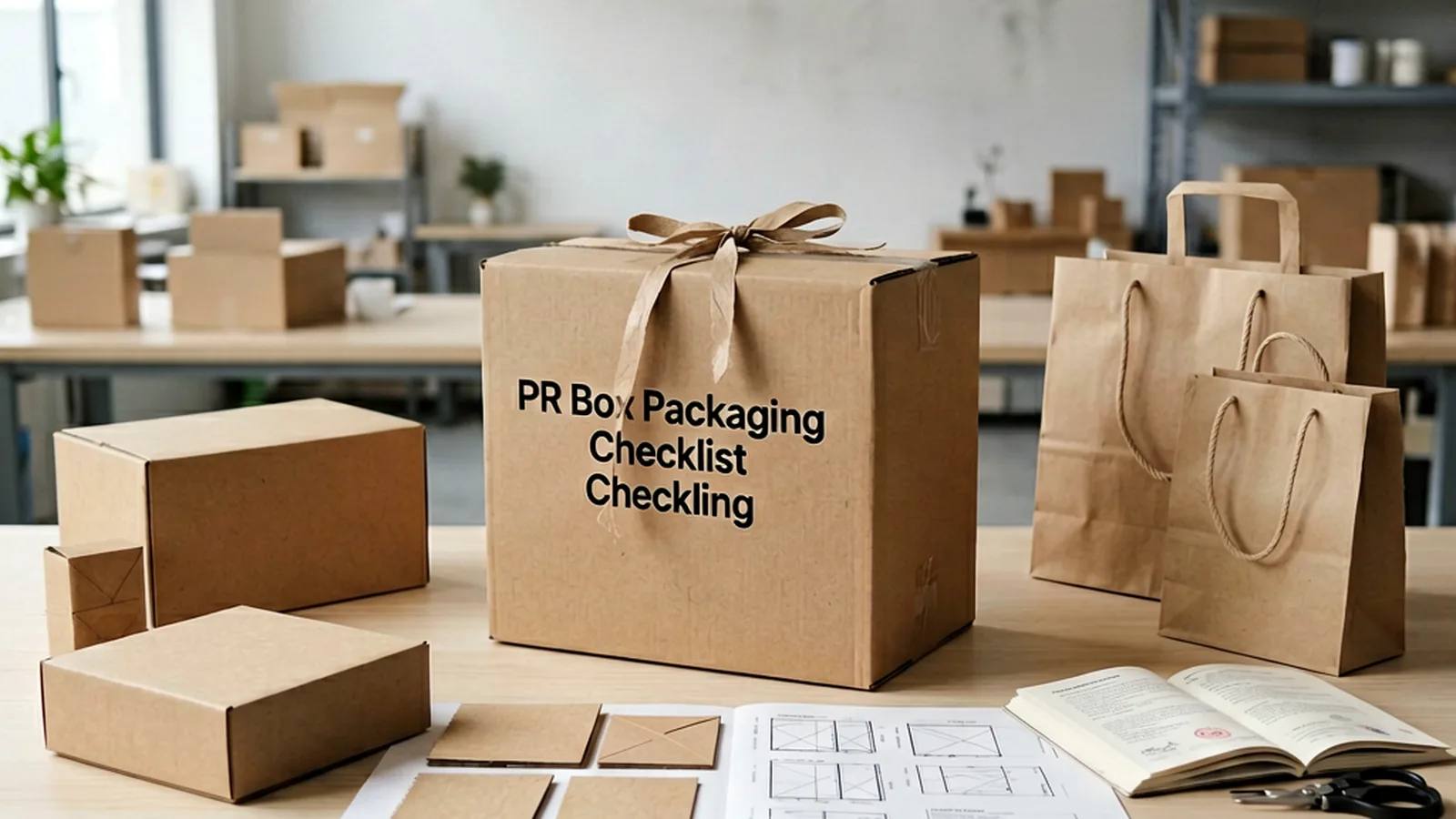
How buyers should approve premium packaging finish proof before production
The safest approval path is to compare the physical sample with the written spec, not with memory. Buyers should keep the approved file, finish notes, and sample reference together so the same standard can be used for production and reorders.
Physical sample comparison
Compare the sample against the final paper, structure, finish area, logo position, insert fit, and packing expectation. If the sample uses a substitute material or temporary process, record that limitation before approval.
Artwork and color sign-off
Check that the file version, color target, foil or coating layer, and dieline match the approved artwork. If a detail is critical for launch, ask the supplier how it will be controlled during bulk production.
Lot inspection triggers
Name the defects that should stop shipment review: finish misalignment, visible scuffing, weak embossing depth, color drift, insert looseness, packing damage, or wrong artwork version.
- Keep the approved sample and final artwork version in the order record.
- Ask who checks finish position, surface condition, structure fit, and packing before shipment.
- If the proof is not acceptable, request a corrected sample or written confirmation before bulk release.
Review packaging dieline and custom packaging specs before sending the RFQ.
In conclusion — Premium packaging finish proof checklist
Premium packaging finishes need proof before commitment. Buyers should confirm the file version, finish layer, physical sample, approval owner, and reorder reference before treating a launch sample as production-ready.
For gift, PR, jewelry, cosmetic, or premium retail projects, use the gift and PR packaging solution path to turn finish notes, sample requirements, and RFQ inputs into a quote-ready request.
Review custom paper packaging as the next RFQ or sample approval route after this premium packaging finish proof checklist decision.
Confirm the material, size, artwork, finish, packing, and approval record before the supplier quotes or samples.
The buyer should ask whether the quoted quantity, sample quantity, and reorder quantity use the same minimum order basis, and record any price tier or bulk-order condition.
Confirm the factory can produce the selected structure, sample it, inspect it, pack it, and repeat it at reorder without changing the approved specification.
If this requirement stays vague, record whether it could delay sampling, create a defect dispute, change cost, or affect a reorder.
Premium packaging finish proof FAQ
What should buyers approve for foil, embossing, or lamination?
Approve the exact artwork position, material surface, color target, finish area, and sample standard. Ask the supplier to confirm which effects need tooling, setup, or extra sample time.
How should premium packaging finish quotes be compared?
Compare quotes with the same material, print, finish, tooling, quantity, packing, and sample assumptions. A quote that omits finish proof or abrasion protection is not equivalent to one that includes them.
What proof should suppliers provide before production?
Request a finished sample, close-up photos, written finish notes, and approval records for color, position, texture, and packing protection. Keep the approved reference for QC and reorder control.
Which finish details commonly delay launch samples?
Unclear foil position, embossing depth, lamination type, surface compatibility, artwork version, and packing protection can delay sample approval. Put these details into the RFQ before sample production starts.


Ask a Packaging Question