
A folding carton can look correct while flat and still fail during erection, filling, closure, display, or shipment. Sample approval must connect the structural blank, printed and finished carton, loaded product, inspection method, and bulk release.
This workflow defines what to approve at each handoff and which changes require a new proof, sample, or line trial.
Direct answer: Freeze product fit, inside dimensions, board, caliper, grain direction, dieline, artwork, colors, finishes, glue, closure, packing, and acceptance checks under one revision. Approve the blank, decorated carton, loaded assembly, and production-intent evidence required by the project; release bulk only when the quote, sample, inspection plan, and purchase order match.
- Approve structure before final decoration.
- Check the erected and loaded carton, not only the flat blank.
- Record dimensions, material, print, finish, closure, and packing evidence.
- Define reproof, resampling, and line-trial triggers before release.
Method and limits: TAPPI/ANSI T 409 sp-23 covers machine direction, and ISO 534:2011 covers thickness measurement. Neither defines the project’s carton tolerances, closure force, glue performance, sample count, or bulk inspection plan. Agree these with the converter and verify them on production-intent samples. Reviewed 24 August 2026.
| Approval stage | Decision | Evidence |
|---|---|---|
| Structural blank | Fit, fold, closure, and assembly route | Measured blank and loaded mock-up |
| Decorated sample | Artwork, color, finish, and score interaction | Signed production-intent sample |
| Bulk release | Production controls and deviation rules | Matching quote, PO, sample, and inspection plan |
Define the Buyer Decision for Folding Carton Sample Approval Workflow
- Confirm sample matches approved dieline and material spec: Prevents bulk production from deviating from the approved sample. Compare sample dimensions, board type, and print colors against the spec sheet. Bulk cartons may have wrong size or material, causing rework or rejection. Document any deviations and request a revised sample before approval.
- Verify print color accuracy against Pantone references: Color mismatch is a common reason for carton rejection at final inspection. Use a spectrophotometer or visual check under buyer-approved viewing conditions against the approved Pantone chip. Bulk print may show off-shade colors, leading to customer complaints. Request a signed color proof and retain a physical standard for production.
- Check folding, gluing, and crease alignment on the sample: Poor folding or gluing affects carton structure and machine runnability. Fold and glue the sample, then inspect crease depth and glue bond strength. Bulk cartons may crack, pop open, or jam filling lines. Ask for a glue peel test and confirm crease scoring matches the dieline.
- Confirm sample quantities and MOQ align with your order plan: Sample approval may commit you to a minimum order quantity that affects budget. Review the supplier's MOQ (e.g., 200 pcs for folding cartons) and compare with your forecast. You may be locked into a higher quantity than needed, increasing inventory cost. Clarify MOQ and sample costs in writing before approving the sample.
- Document approval with a signed sample report and photos: A written record prevents disputes over what was approved. Create a checklist with sample photos, measurements, and sign-off from both parties. Without documentation, the supplier may claim a different sample was approved. Store the signed report and photos in your order file for reference.
Confirm Product and Order Scope
For folding carton workflow, use a release rule: approve only when the supplier evidence matches the written requirement.
- Supplier can produce folding cartons to your exact material and finish specifications. Request a pre-production sample with a signed specification sheet listing board type, GSM, dimensions, and finish. Supplier's sample room or quality department. Bulk cartons may differ from the approved sample, causing rework or rejection. Verify the sample against your spec sheet before approving.
- Supplier has a documented quality control process for folding carton production. Ask for a QC checklist or inspection report from a recent production run. Supplier's quality control team. Undetected defects can lead to packaging failures and product damage. Review the QC report and confirm the checklist covers print, die-cut, and glue checks.
- Supplier has the production capability to meet your order volume and lead time. Request a production capacity statement or recent order references. Supplier's sales or production manager. Supplier may not handle your volume, causing delays or quality issues. Confirm the supplier's capacity for your order size and lead time.
- Supplier can manage approval risks by providing a clear sample approval workflow. Request a sample approval process document or a sample sign-off form. Supplier's customer service or project manager. Miscommunication during approval can lead to incorrect bulk production. Use the approval form to document sign-off and include the approval step.
Material and specification fit
Before bulk production, the sample must match your exact board type, GSM, dimensions, and finish. A signed specification sheet prevents misinterpretation. Compare the sample against your spec, not just the visual. This ensures the carton performs as intended on your filling line and in transit.
Supplier reliability and quality checks
Evaluate the supplier's quality control process and production capability. Request a QC checklist or recent inspection report. Confirm they can handle your order volume within the required lead time. A reliable supplier will document checks for print, die-cut, and glue, reducing the risk of defects in bulk.
RFQ checkpoint
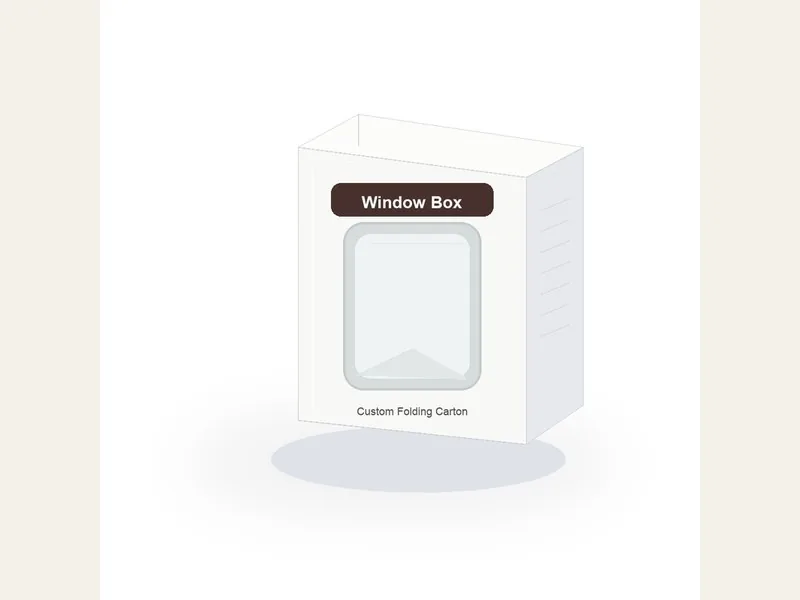
These samples can support paper box and custom packaging route cards.
Build the Verification Checklist
- Supplier cannot show a signed sample approval sheet with measurements and color values. Without a written record, bulk production may drift from the approved sample, causing costly rework. Require a sample approval form that lists board type, GSM, dimensions, and Pantone references. Signed approval sheet with measured specs and color codes. Confirm the sheet before releasing the bulk order.
- Supplier lacks a documented in-process QC check for folding and gluing during production. Defects like misaligned folds or weak glue joints may pass unnoticed until final packing. Ask for their QC checklist and how they verify fold accuracy and glue strength on the line. QC checklist or inspection records from recent runs. Request a pre-production sample from the actual line.
- Supplier has no formal approval gate before production starts. Production may begin before you approve the final sample, leading to unwanted inventory. Insist on a written go-ahead after sample approval; no verbal approvals. Email or document confirming your approval before production. Set a clear approval deadline and hold production until you sign off.
- Supplier cannot show how they handle color variation between sample and bulk. Color shifts can ruin brand consistency and trigger returns. Ask for their color management process and how they match Pantone on press. Color proof or spectrophotometer readings from sample and first bulk run. Request a press proof before the full run.
Compare Quote and Production Assumptions
Hold the folding carton workflow review when evidence for a production-proof check beyond visual match is unresolved; record the discrepancy, supplier owner, and release condition before approval.
- Does the supplier's sample approval process include a production-proof check beyond visual match? Visual approval misses board caliper, crease depth, and glue bond that affect bulk runs. Supplier documents a production-trial sample from the actual line, not a hand-made mock. Approving a hand-made sample can lead to bulk cartons that fail on the filling line. Ask for a production-trial sample and a signed approval gate before bulk.
- How does the supplier verify that bulk production matches the approved sample? Without a defined verification method, the supplier may drift from the approved standard. Supplier uses a first-article inspection and in-line checks for dimensions, color, and crease. Bulk cartons may deviate from the approved sample, causing rework or delays. Request the supplier's QC checklist and a first-article report before bulk.
- What is the approval risk if the sample is approved without a signed specification sheet? An unsigned spec sheet leaves room for disputes over tolerances and materials. Supplier provides a spec sheet listing board type, GSM, dimensions, and finish for sign-off. Without sign-off, the supplier may use cheaper materials or different tolerances. Require a signed specification sheet before approving any sample.
- What follow-up should the buyer do after sample approval but before bulk production? Post-approval follow-up catches issues like material substitution or process changes. Supplier confirms the production schedule and provides a pre-production sample or pilot run. Skipping follow-up can lead to bulk cartons that don't match the approved sample. Schedule a pre-production check and confirm the supplier's production timeline.
- Which cost driver should the buyer compare between quote and production assumptions? Cost drivers like board grade, finishing, and quantity affect the final price and quality. Supplier itemizes cost drivers and explains how they impact the quote and sample. Hidden cost drivers can inflate the final invoice or force quality compromises. Ask for a cost breakdown and compare it with the production assumptions.
Run the Review Before Approval
At this checkpoint in the folding carton sample approval workflow, the required output is a documented review decision that either releases the sample for bulk production or sends it back with specific corrections. Without this written sign-off, the next stage—bulk production—starts without a verified baseline.
Questions to send back to the supplier
Before you approve, send the supplier a short list of questions that force them to confirm the sample matches your written requirements. Use these as a starting point:
- Does the sample match the approved artwork and color standard (e.g., Pantone reference) exactly?
- What substrate and caliper were used, and do they match the specification in the RFQ?
- Are the die-cut dimensions within the tolerance stated in your original inquiry?
- What finishing processes were applied (e.g., coating, foil stamping), and are they consistent with the approved proof?
- Can you provide a signed sample approval sheet that lists the agreed specifications and any deviations?
When to revise, escalate, or reject
If the supplier’s answers reveal minor deviations that do not affect function or brand appearance, you can revise the approval with written conditions. Escalate when the deviation affects structural integrity, print quality, or compliance with your stated requirements. Reject the sample if the supplier cannot provide evidence that the sample matches the written specification—this is a clear production risk that must be resolved before bulk production.
Keep the review focused on facts: the sample’s physical properties, the supplier’s documented process, and the handoff from sample approval to production. For more on why clarity matters before supplier review starts, see our guide on sample approval workflows for custom bags and rigid boxes. For further reference, visit Zhypacking.
Move from Review to RFQ or Sample
If you cannot state the exact specification, cost tolerance, and production risk in one sentence, the review is not finished—and moving to RFQ or sample will simply transfer that ambiguity to the supplier. The control is a release rule: the sample approval workflow advances only when the buyer can articulate the required finish, substrate, and dimensional tolerances in measurable terms.
Inputs to include in the next message
- Specification summary: list the carton dimensions, substrate, finish (e.g., soft-touch lamination, spot UV), and any critical tolerances, such as crease position.
- Production risk notes: flag any known risk areas, such as complex die-cutting, foil stamping registration, or buyer-approved coating requirements, and ask the supplier to confirm their process capability.
- Factory execution expectations: specify the required sampling stage (e.g., structural mock-up, pre-production proof, or pilot run) and the timeline for each step.
- quote request or sample handoff: clearly state whether you are requesting a formal quote request or a physical sample, and include the deadline for the supplier’s response.
Ownership and sign-off for the next gate
Assign a single owner for the next gate—typically the packaging engineer or procurement lead—who is responsible for consolidating feedback and issuing the final approval. That owner must sign off on the specification summary before the quote request or sample request is sent. Without this sign-off, the supplier receives mixed instructions and the workflow stalls.
By structuring your next message with these inputs, you convert the review into a decision-ready handoff. The supplier can then price accurately, flag feasibility issues early, and produce a sample that matches your written requirements—not their interpretation.
Source check: ISO/TC 122 packaging standards; How to Control Folding Carton Quality: A Checklist for Brands; Promotional Product Sample Approval Checklist Before Bulk Produ….
When the carton ships inside a multi-item accessories set, the packaging accessories sample approval workflow ties the assembled-pack approval to the production release.
In conclusion
The folding carton sample approval workflow is your final gate before bulk production, and the decision to move forward should rest on verified facts, not visual appeal alone. Before you sign off, compare the sample against your exact specification sheet—board grade, caliper, dimensions, print registration, and crease integrity—and document any deviations with a clear pass/fail note. Confirm the cost and MOQ impact of your chosen specifications, and verify that the 15–30 working day lead time, counted after specifications, artwork, and sample requirements are confirmed, aligns with your launch schedule. If the sample shows cracked creases, poor print alignment, or any defect that could cause line jams or customer complaints, stop the order and request a revised sample.
Keep a signed sample and the approved spec sheet as your reference for bulk production, and assign a single owner to manage the handoff to your supplier. When you send the quote request or purchase order, include the approved sample details, your quality checkpoints, and the agreed lead time to avoid ambiguity. By structuring your approval around measurable criteria and documented evidence, you reduce supplier risk and ensure the bulk run matches your expectations. This workflow is your safeguard—use it to shortlist suppliers who can consistently meet your standards, and you’ll protect your brand and your bottom line.
Folding Carton Sample Approval Workflow FAQ
What should buyers confirm first?
It depends on the carton’s end use. Confirm the exact board grade, caliper, dimensions, crease positions, and print finish against your approved artwork and spec sheet. Check that the sample’s cost and minimum order align with your target; Zhypacking’s project-level minimum order is 200 pcs, and standard production lead time is 15–30 working days after specifications, artwork, and sample requirements are confirmed. Verify the supplier’s ability to hold these tolerances in bulk by asking for their QC plan and a signed specification sheet. Approving the wrong structure or supplier proof can create quality, cost, or delivery problems.
Which proof should be retained for approval and reorders?
Retain the signed sample, the approved spec sheet with dimensions and materials, and the supplier’s written confirmation of any deviations. Document the sample’s physical properties—board thickness, crease depth, and print color—and keep a photo or video for reorder reference. For reorders, request the same sample or a fresh pre-production sample if the original is lost; confirm the minimum order and lead time again in the quote request to avoid surprises.
Which warning signs should stop the order?
Stop the order if the sample shows cracked creases, poor print registration, or board thickness that deviates from spec. Also halt if the supplier cannot provide a clear QC checklist or if their lead time exceeds your confirmed 15–30 working days without a valid reason. Verify that the sample passes your drop or transit test; if it fails, request a revised sample and re-approve before bulk production. Approving the wrong structure or supplier proof can create quality, cost, or delivery problems.
quote request handoff: Send Specs for Review.
If this stage leads into that check, compare it against our comparing Folding Carton Suppliers: Selection and RFQ Checklist. If this stage leads into that check, compare it against our mailer Box vs Shipping Box vs Folding Carton: Buyer Fit Guide.


Ask a Packaging Question