

Direct answer: Build the sample kit specification around every filled component, its orientation and removal path, the insert cavity map, opening sequence, artwork revision, label-copy owner, pack-out instructions, and intended retail or distribution route. Approve the complete packed kit—not separate empty components.
A cosmetic kit can look correct when empty and still fail when components collide, rotate, scuff, leak, or become difficult to remove.
Compare supplier proposals by the packed-system evidence behind the quote, not by unit price or a generic capability statement.
The checks below help convert a broad packaging request into a cleaner sample approval and supplier response.
The approval baseline should identify every product unit, the insert and box revisions, the artwork file, the pack-out sequence, the checks performed, accepted deviations, and the named release owner.
What buyers should confirm before choosing cosmetic sample kit packaging
Start with the packed kit rather than the empty box. List every bottle, jar, tube, sachet, card, and accessory in its final orientation. A quotation route is useful only when component fit, insert retention, removal, print proof, and pack-out can be checked against one approved sample.
| Decision | RFQ input | Sample check | Risk if open |
|---|---|---|---|
| Component fit | Dimensions, filled weight, cap clearance, orientation, and quantity per kit | No collision, movement, crushed edge, or difficult removal | Products scuff, leak, rotate, or arrive in the wrong presentation |
| Insert route | Material preference, cavity map, finger-notches, visible areas, and disposal requirement | Retention during handling plus a clean, repeatable removal action | The kit becomes slow to pack or frustrating to open |
| Print and finish | Artwork version, color reference, finish locations, barcode zones, and accepted variation | Registration, color, adhesion, rub resistance, and code readability | A visually approved mock-up cannot be repeated in bulk |
The RFQ should also cover pack-out, so an insert that works on a desk does not fail after shipping.
Supplier proof to verify
Ask for structure, insert, print, finish, and pack-out evidence that matches the proposed route. Request only documents your market or retailer needs and confirm their scope; a paper-packaging certificate does not prove compliance of the filled cosmetic product.
Use cases that fit
State whether the kit is for launch sampling, retail trial, gift-with-purchase, travel, influencer seeding, or e-commerce. Each route changes component count, opening order, display priority, handling, and outer-carton needs.
RFQ and sample checks
Confirm the component list, cavity map, artwork revision, sample milestone, approval owner, quantity, and packing basis. Ask the supplier to confirm the project-specific MOQ and production timing after specifications, artwork, and sample requirements are locked; the kit quotation must state the route-specific terms.
Validate cavity layout, component retention, and pack-out order
Build the kit specification around the fully packed system, not separate empty components. Every approval record should point to one component map, one loaded sample, and one production handoff.
| Specification block | Buyer input | Approval check | Failure to prevent |
|---|---|---|---|
| Component map | Every bottle, jar, tube, sachet, card, and accessory with filled dimensions, weight, orientation, and quantity per kit | All components load in the intended sequence without collision or hidden substitution | A cavity is built around an incomplete or empty component set |
| Insert and removal | Cavity map, retention points, cap clearance, finger access, visible areas, and opening sequence | No rotation, vertical movement, crushed edge, blocked removal, or closure interference | The kit looks correct when empty but fails after loading or handling |
| Artwork and finish | Current artwork revision, color reference, finish location, code zones, and accepted variation | Registration, color, adhesion, rub condition, code readability, and visible seams match the approved reference | A presentation mock-up cannot be repeated in the packed production unit |
The RFQ should also cover pack-out, so components do not move, scuff, or arrive in a different presentation from the approved sample.
Name the sample version, decision date, approver, accepted deviation, and inspection method on the same sheet. Use custom packaging specification support after the component and pack-out map is complete.
Use the table above to lock one measurable construction and finish basis. The sample record should show the accepted material, width, color or artwork, and packing reference so production is judged against the same physical target.
RFQ checkpoint
Send every component dimension and orientation, kit count, insert preference, opening sequence, artwork status, packing method, quantity, and trial deadline.
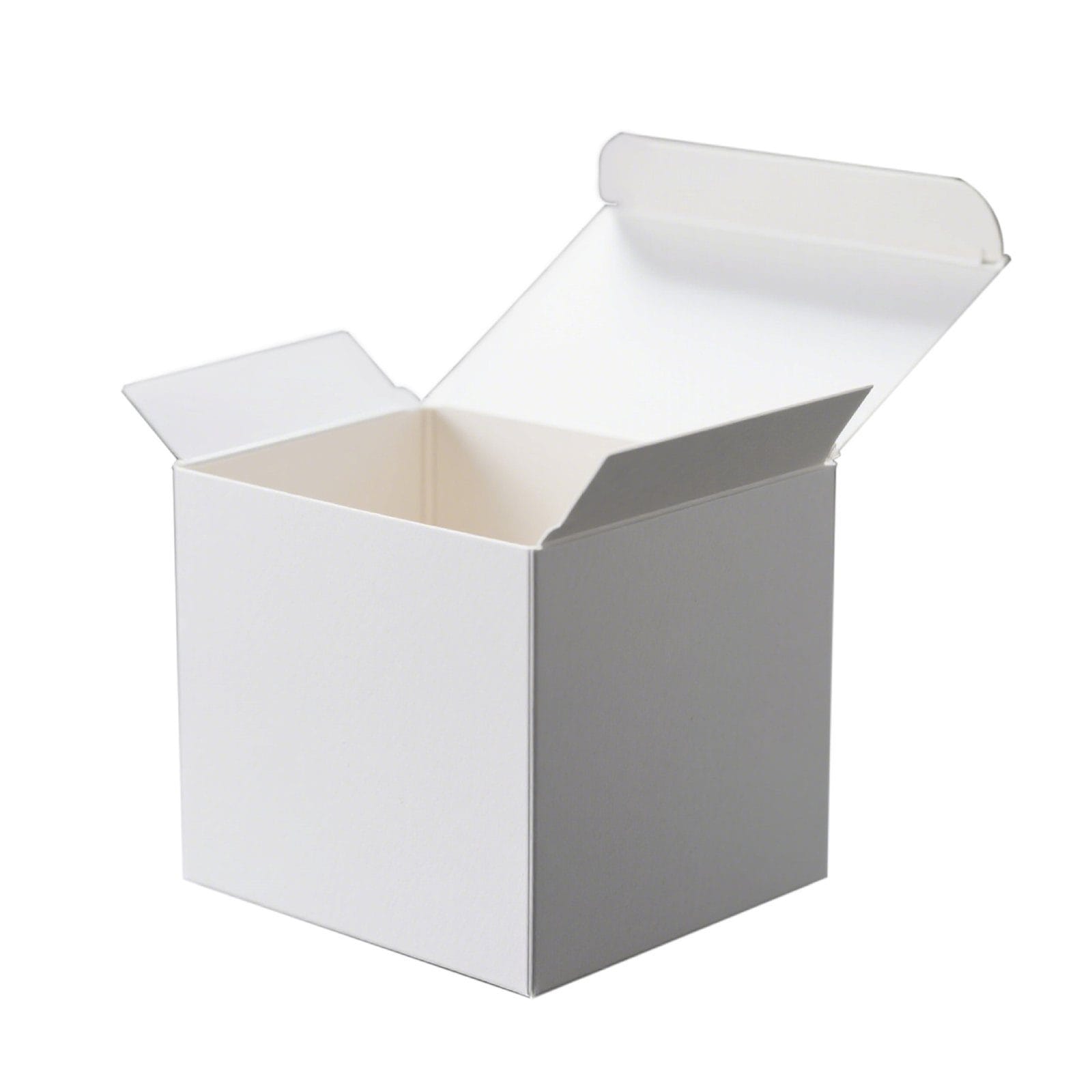
How cosmetic sample kit packaging choices affect launch timing and approval
- Define success: list every component, material, dimension, orientation, removal action, closure, appearance reference, and intended route.
- Confirm execution: ask who owns insert production, printing, assembly, QC, packing, change approval, and the production schedule after the specification is frozen.
- Approve the packed system: inspect component fit, movement, contact, removal, opening sequence, and closure on the complete identified sample.
- Control the reorder: retain the accepted specification, sample evidence, deviations, and released revisions so the next order uses the same baseline.
For every measurable attribute, record the method, tool or reference, agreed tolerance, sample size where applicable, pass/fail owner, and response to a deviation. Verify certification and material claims against documents that cover the actual supplier, site, material, and order scope.
Define the requirement and success criteria
Use the controlled artwork, structure, finish, component map, and packing record as the baseline the supplier must repeat in production.
Confirm execution details with the factory
Obtain written confirmation of process ownership, sample timing, QC handoff, and who signs off changes before production; a catalog capability claim is not enough.
Approve samples and control reorder risk
Before approval, record the print reference, structural dieline, packing method, open deviations, and owner of any artwork or component change so the production handoff does not depend on email memory.
If the kit will ship directly to customers, align the packed-sample checks with the intended ecommerce packaging route.
In conclusion
Release bulk only after one complete packed kit matches the controlled component list, cavity map, artwork and finish references, assembly sequence, outer packing, and approved deviations.
- Pack-out: every component, orientation, and instruction matches the approved record.
- Fit and removal: components do not collide, rotate into damage, bind, or become difficult to lift.
- Appearance: print, color, finish, labels, and visible edges match the agreed references.
- Control: measurements, photos, deviations, sample revision, approver, and production handoff are retained.
Source check: ISTA explains that test procedures serve different purposes, from screening to general simulation. If distribution performance is part of approval, select the appropriate level from the ISTA test-procedure overview; do not describe an informal handling check as predictive transit testing.
Cosmetic sample kit packaging FAQ
What information should a buyer send for a cosmetic sample kit quote?
Send the component list, dimensions, filled weights, orientation, cavity map, print revision, finish, pack-out sequence, quantity, destination, and sample deadline. Identify the physical sample and specification revision that will control bulk approval.
What records should be kept after approving a sample kit?
Keep the component map, approved dieline and artwork, measurement record, color and finish references, packed photos, open deviations, sample version, decision date, and named approval owner.
What sample approval proof should buyers request before production?
Request the identified packed sample, measurements at critical fit points, photos of the loaded kit and pack-out, print and finish references, recorded handling observations, deviations, and written release owner.
Which retention, presentation, and pack-out tests should the physical sample pass?
Check component fit, removal, closure, edge condition, print registration, finish adhesion, pack-out sequence, carton orientation, and movement after handling. Use the custom paper packaging page to align the kit with its commercial RFQ.
Procurement note: Send every component dimension and orientation, kit count, insert preference, opening sequence, artwork status, packing method, quantity, and trial deadline. Contact the team.


Ask a Packaging Question