
A box chosen from a product photograph or an empty-box price can leave the packed SKU unsupported, slow fulfillment or add unwanted parcel volume.
Compare a corrugated mailer, a shipping carton and a retail pack inside a separate shipper against the actual SKU, packing workflow and parcel route.
Réponse directe : Choose the complete packaging system that fits and restrains the loaded SKU on its intended route, then compare the full packed cost of the viable options.
Define the SKU and the Parcel Journey
The product as shipped and the parcel journey determine which ecommerce pack to evaluate. Start with the loaded dimensions, weight, fragile features and fulfillment method; selecting a box from the product photograph alone leaves the protection and packing assumptions undefined.
Separate the pack a customer sees from the outer pack a carrier handles. One corrugated mailer may do both jobs for a suitable product. A fragile item or a presentation box may need a separate shipper. The choice is a system decision: the product, retail pack, inserts, void fill, closure and outer carton have to work together.
| Exigence | Contrôle d'usine | Preuves à vérifier | Risque de commande | Suivi de la RFQ |
|---|---|---|---|---|
| Loaded size and weight | Dimensions and weight covering the actual packed SKU, including accessories | Measure a complete production-intent unit and note projections | An apparently correct box becomes too tight or too bulky | Use these figures when requesting internal box dimensions |
| Fragile or exposed features | Acceptable contact, movement and orientation for this product | Mark vulnerable surfaces and parts on a drawing or sample | The insert presses on a weak point or the product moves into a wall | Define retention and separation needs before choosing the structure |
| Order combinations | The single-SKU and multi-item combinations the pack must cover | List representative and difficult combinations | A pack works for one unit but fails on bundles or mixed orders | Split pack sizes where one system cannot safely cover the range |
| Fulfillment and parcel route | Storage format, packing method, closure and handling conditions | Walk through a loaded sample at the actual packing station | The chosen pack slows the line or needs unplanned components | Select a format compatible with the agreed operation |
| Presentation and return requirements | The visible condition and opening or return method the buyer will accept | Review the full delivery and opening sequence | Transit markings spoil a retail presentation or return closure is missing | Specify the required customer experience before artwork starts |
Record uncertainties alongside the measurements. If the shipping lane or bundle range is undecided, compare options conditionally. Do not freeze a universal pack size around a scenario the operations team has not confirmed.
ISO 2859-1 concerns acceptance sampling for inspection by attributes. A production sampling plan does not establish that the selected pack protects this loaded SKU on its parcel route. Keep lot-inspection approval separate from the loaded-pack evaluation used to choose the structure.
Choose Between a Mailer, Shipping Carton and Two-Pack System
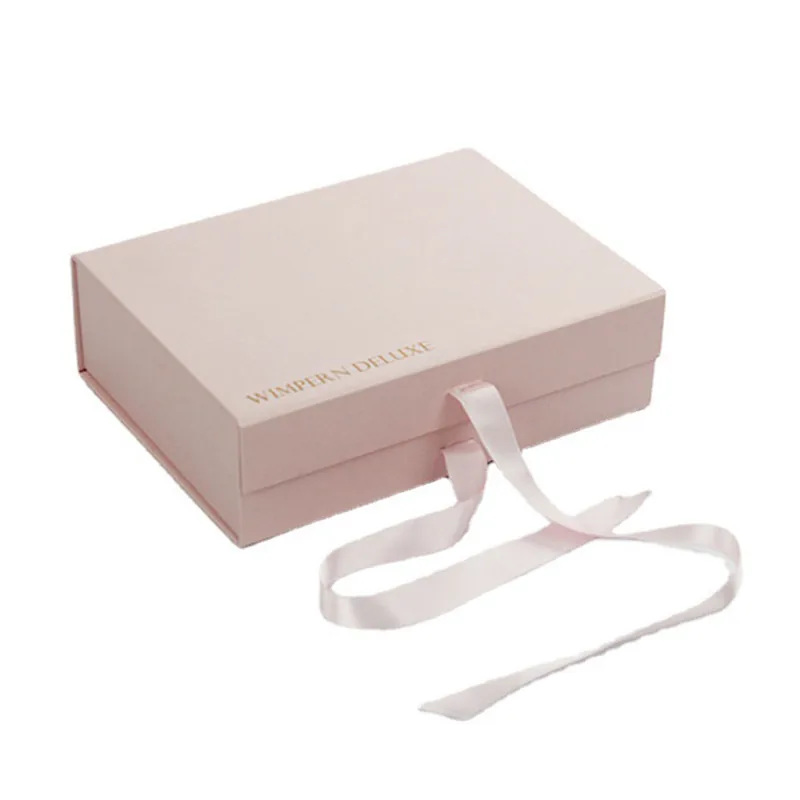
Use a corrugated mailer when the intended product and route can be served by a close-fitting, self-contained pack. Consider a shipping carton when the load, cushioning or order combinations need a different outer structure. Keep a retail pack inside a separate shipper when preserving that presentation requires another handling layer.
The documented product scope includes corrugated cartons and shipping mailers.
Its confirmed corrugated flute options include E, B and EB. Request the proposed construction for the actual load and compare the complete packed sample.
| Option | Best-fit situation to evaluate | Trade-off or exposure | Evidence before choosing | Decision to carry forward |
|---|---|---|---|---|
| Corrugated mailer | A defined SKU or narrow group that can be retained in one pack, with branded opening important | A poor fit may permit movement; a decorative exterior may show carrier labels and handling marks | Load the actual product, check closure and retention, then evaluate the intended distribution route | Shortlist when the one-pack approach meets both protection and presentation needs |
| Shipping carton with packing components | Heavier loads, mixed orders, or products requiring space for separation and cushioning | Extra void fill or assembly can add labor, storage and packed volume | Pack the difficult combinations and record component count, outer size and workflow | Choose only with a defined pack-out, rather than an empty carton specification |
| Retail pack plus separate shipper | The customer-facing box or carton needs protection from parcel handling | A second box adds material, storage and packing operations | Test the complete nested system, including movement between the two packs | Retain the second layer when its protective or presentation role is justified |
| Several size variants | The SKU range has materially different dimensions or order combinations | More inventory positions and possible packer selection errors | Map each SKU or bundle to a pack size and review the station instructions | Use a controlled size map if a single pack creates excessive space or inadequate protection |
Price these as complete alternatives. Compare the box, insert or cushioning, tape or seals, packing time, flat-pack storage and final outer dimensions. A cheaper blank box can create a more expensive packed order if it needs extra components or occupies a larger parcel size.
The ecommerce packaging solutions page is the commercial starting point once the preferred system is clear. Ask for a proposed construction for your load and route; the word “corrugated” by itself does not specify a protective performance level.
A wrong structure creates a risk of breakage, product damage, rework or customer returns. During sample making, have the supplier load the most vulnerable SKU and show where the die-cut insert supports it. A bulging closure or a product striking a weak feature is a reason to revise the construction before comparing that option as ready to order.
Once a construction is shortlisted, use personnalisation de l'emballage et spécifications de la ligne de découpe to define its drawing and print inputs. Keep those files tied to the loaded sample rather than changing the structure during artwork preparation.
Point de contrôle RFQ

Check the Complete Loaded Sample
Advance a packaging option only after checking it with its actual contents, packing components and closure. An empty sample can establish shape and print layout; it cannot demonstrate how the loaded system restrains the product or behaves on the chosen route.
First reproduce the intended packing method. Use the real product or an agreed representative item with the relevant geometry and weight. Include the retail carton, leaflet, accessory and insert if they are part of the shipped order. Record what any substitute item fails to represent so the sample result is not treated as broader proof.
- Where can the load move? Examine clearances in each direction and the contact points that stop movement. If a weak feature is taking the restraint load, change the support arrangement before choosing a stronger outer board as the sole remedy.
- Does the closure stay usable after packing? Check flap engagement, adhesive or tape access, and the amount of force needed to close the pack. Photograph the loaded closure and any bulging. Agree an acceptable condition instead of forcing a distorted sample closed for approval.
- Can the fulfillment team repeat the pack-out? Have the packer assemble the sample from the supplied components. Note orientation errors, missing parts and extra hand movements. Identify the material, quantity and position of any proposed produits d'accessoires d'emballage in the packing instruction.
- Can the supplier reproduce the loaded pack? Ask the supplier’s sample room to demonstrate the die-cut insert placement, fold sequence and closure using the intended construction. Record the drawing, components and packing sequence shown. A wrong component or improvised assembly creates a risk of breakage, product damage and customer returns; revise the packing instruction and repeat the demonstration if the operator cannot reproduce it.
- What distribution evidence applies? Agree a test or evaluation approach for the actual product, packed weight and route with the responsible logistics or testing specialist. Keep the report tied to the sample construction and pack-out. A photograph, generic test claim or different product’s report does not settle this order’s protection question.
- What happens after opening? Check removal, visible product condition and the intended return method where relevant. If a return depends on another closure component, include it in the quote and sample rather than discovering it after launch.
Retain the accepted loaded-pack photographs and the component list with the sample revision. Any later change to dimensions, board, retention, closure or contents should identify which checks need repeating before it is adopted.
A general ecommerce packaging checklist can help organize the packing components. Treat that as preparation for the loaded-sample review: it does not replace evidence showing how your chosen construction, contents and closure perform together.
Make the SKU-by-SKU Selection Decision
Select the structure that clears the physical and operational requirements for each SKU, then compare cost among the viable options. Do not average away a protection failure because a candidate has better print, a lower unit price or a faster packing demonstration.
| Candidate or scope | Use case it must satisfy | Risk that would exclude it | Check still needed | Selection record |
|---|---|---|---|---|
| Mailer for one SKU | The actual item fits, remains supported and can be packed consistently | Uncontrolled movement, stressed closure or unacceptable delivered appearance | Resolve the loaded-sample observation and evaluate the route | Choose the identified size and construction only for the checked SKU |
| Shared pack for several SKUs | Every mapped SKU or bundle has a defined pack-out | One small SKU floats freely or one large combination forces the pack open | Check the size extremes and vulnerable combinations | Accept a written SKU-to-insert or SKU-to-pack map, or split the size range |
| Carton plus cushioning | The complete component set protects and can be repeated by packers | The quoted carton omits the cushioning required for the observed result | Verify the actual component quantities and packing instruction | Select and price the complete system together |
| Retail pack inside shipper | The inner presentation survives its intended handling and stays correctly supported | Movement between the two boxes damages the inner pack or adds an unplanned packing step | Review the full nested pack and delivered appearance criteria | Record the inner and outer specifications as a paired system |
For each shortlisted option, mark the outcome as accepted, conditional or rejected, with the reason beside it. Conditional means a named issue still requires evidence; it should not be read as permission to place an unconditional production order. Keep photographs and the sample revision linked to the outcome.
This approach can produce more than one valid pack across a product range. That is useful if the differences are intentional and the warehouse can identify the right pack. Before selection is closed, give operations the proposed mapping and have it check storage, picking and packing instructions.
Request Like-for-Like Ecommerce Packaging Quotes
Ask suppliers to quote the same selected system, quantities and evidence requirements. A mailer-only price and a carton-plus-insert price are different scopes; comparing their unit prices alone gives the purchasing team an unreliable result.
ZHY’s confirmed printing options include CMYK offset and Pantone/PMS spot colour. State which process and artwork version are included when comparing print prices.
Utilisation personnalisation de l'emballage et spécifications de la ligne de découpe to identify the required artwork and construction details, then attach a defined pack-out. If the supplier proposes an alternative, have it listed separately with the changed assumptions and the sample checks needed to accept it.
- What exactly is included? Require separate identification of the outer pack, inner components, print, finish and closure items. Match the list to the accepted sample photographs; omissions can shift labor or component costs to fulfillment.
- What dimensions and construction are quoted? State whether dimensions are internal or external, identify the drawing revision and request the proposed board and construction description. Ask the supplier to explain any difference from the sampled option before comparing the quotation.
- Which quantities apply to each version? Give quantity by size and artwork, not merely a combined order total. Ask for the applicable minimums, setup or tooling charges and any price conditions. This avoids assuming a shared total satisfies every variant.
- What does the sample represent? Identify whether the proposed sample covers fit, printing, finish and final components. Get a written list of any substitutions and the later approval required; an early structural sample should not become accidental approval of the finished appearance.
- What packing and delivery assumptions affect the comparison? Request flat or assembled supply format, quantities per outer carton, the quoted delivery basis and schedule dependencies. Use the final loaded outer size and weight with your carrier or fulfillment provider when comparing transport cost.
- What happens if the selected system changes? Agree how the supplier will flag a change in board, dimensions, component sourcing or closure. Require the affected drawing, price and sample approval to be updated before the substitute is used.
Send the complete comparison packet through the written quote inputs. The useful answer is a quote bound to the chosen SKU, pack system and revision, plus a clear list of unresolved decisions—not an attractive price with unnamed components.
Woola’s ecommerce packaging guide separates shipping protection from the branded opening experience. Keep both requirements visible in the quote comparison so an attractive finish does not stand in for the protective pack-out, and added protection is not omitted from the price.
A missing component or changed drawing creates a risk of quote mismatch, rework and packing delays. The buyer owns the component list; the supplier should acknowledge it with the quote and flag each deviation before price approval. Take the chosen SKU-to-structure record to Solutions d'emballage e-commerce for a proposed construction and sample scope tied to those same inputs.
For ecommerce packaging selection, use les solutions d'emballage personnalisées pour aligner la spécification applicable, le dossier de preuve, la responsabilité du fournisseur et le transfert de demande de devis avant de comparer les devis.
En conclusion
Choose the paper-packaging system that fits the loaded SKU, restrains it appropriately and can be repeated in fulfillment for the intended parcel route. Then compare the complete packed cost of the viable options. A mailer, a shipping carton and a retail-pack-plus-shipper system each need their own defined contents and acceptance evidence.
Keep the final selection with its drawing revision, loaded-sample record, SKU map and packing instruction. If the route, product, bundle or construction changes, identify the affected checks before reusing the approval. This prevents a successful sample for one configuration from becoming an unsupported approval for an entire range.
To review an option with ZHY, send packed-product dimensions and weight, vulnerable features, order combinations, target quantities and fulfillment conditions through the Solutions d'emballage e-commerce page. Include the unresolved structure or sample question so the proposed pack and quote address the same use case.
Keep approval on hold while the loaded sample has an unresolved fit or protection issue. Before releasing the chosen format, have the supplier confirm that its production drawing reproduces the accepted die-cut insert layout, folding sequence and closure. Approve the identified configuration, then carry that packing instruction into fulfillment.
Foire aux questions
When does an ecommerce product need a separate shipping carton?
Evaluate a separate shipper when the retail or presentation pack does not meet the intended parcel-handling and appearance requirements by itself. Check the complete nested arrangement, including restraint between the two boxes. A second box is justified by its defined role and verified pack-out, rather than by the retail pack’s appearance alone.
Can the same box cover several ecommerce SKUs?
It can be a candidate when every included SKU or bundle has a workable retention and closure arrangement. Check the smallest item, the largest combination and the most vulnerable features. Record any SKU-specific insert or packing instruction. Split the range if sharing a box creates excessive empty space, stressed panels or inconsistent protection.
Is the lowest packaging unit price the cheapest ecommerce option?
Only after the scopes and operating assumptions are comparable. Add required inserts or cushioning, closure materials, packing work, storage and the carrier’s charge for the finished parcel. Compare those costs for options that already satisfy the product and route checks. Do not use an assumed damage rate or unverified freight saving to make one option appear cheaper.
Transfert de RFQ : Envoyer les spécifications pour examen..

Poser une question sur l'emballage