
La planificación del pack mixto de SKU con marcas de caja maestra comienza con las dimensiones del producto y la ruta de distribución, ya que ambos factores afectan el espesor del cartón, la estructura, la impresión, la holgura para inserts, el embalaje y la muestra utilizada para liberar la producción.
Esta guía de marcas en caja maestra para packs mixtos de SKU convierte esas decisiones en un brief de dieline, un registro de aprobación de muestra y una lista de verificación de cotización para comparar proveedores sobre las mismas especificaciones.
Respuesta directa: Para el pack mixto de SKU con marcas en caja maestra, alinee los archivos de arte, las dimensiones, los objetivos de material y acabado, una muestra firmemente aprobada, las instrucciones de embalaje y la transferencia a producción en masa en una única especificación controlada.
Construir un cronograma de marcado de caja maestra
Cada caja del pedido lleva las mismas marcas, por lo que estas deben provenir de un único cronograma, no de una colección de correos electrónicos. El cronograma nombra cada marca, su posición, la fuente de datos, el rango aceptable y la persona que lo confirma, y se convierte en la referencia para la prueba y el lote.
| Especificación | Rango aceptable | riesgo de aprobación | Verificación de control | Próxima acción |
|---|---|---|---|---|
| Código y descripción del producto | Rango aceptable: coincide con el arte aprobado y el sistema de pedidos, carácter por carácter | Un código con dígitos erróneos hace rechazar la caja en recepción e impide el embarque | Verifique la prueba campo por campo contra el cronograma de marcado | Apruebe la versión de la prueba antes de la producción; retenga cualquier caja que lleve el código antiguo |
| Código de barras o código de palé | Rango aceptable: se decodifica a tamaño de impresión con una zona de silencio clara en el panel de la caja | Un código de barras ilegible se convierte en recepción manual, relejelado y retraso | Escanee la muestra de caja impresa y registre el resultado | Solicite el resultado del escaneo junto con el archivo de aprobación de muestra |
| Símbolos de manipulación | Rango aceptable: coincide con el producto, el límite de apilamiento y el modo de envío | Los símbolos faltantes o incorrectos dejan el lote al azar y aumentan los reclamos por daños | Confirmar el juego de símbolos según el plan de embalaje | Añadir el juego de símbolos a la RFQ y confirmarlos en la muestra |
| Cantidad de cajas y lote | Rango aceptable: mismo panel que el código del producto y la cantidad coincide con la lista de embalaje | Un error de cantidad o de lote divide el envío y retrasa el despacho de aduanas | Comparar las marcas de caja con la lista de embalaje antes del despacho | Solicitar una foto de la caja embalada antes del despacho de la mercancía |
Qué marcas van en la caja
Confirmar el código del producto, la descripción, el código de barras, los símbolos de manipulación, la cantidad de cajas y cualquier marca de destino o país. Cada marca tiene una fuente de datos y una marca sin fuente es una marca que estará equivocada.
Quién es el responsable del calendario
Indique un responsable comprador que confirme el calendario y un contacto de proveedor que lo reciba. El calendario viaja con la prueba, la muestra y el lote, por lo que el responsable es la persona que responde cuando se cuestiona una marca. Un cambio tardío en un código puede generar una reimprisión de cajas, por lo que el responsable también aprueba el coste de la reimprisión y la nueva fecha de aprobación.
Cuándo cambia el calendario
Cualquier cambio en códigos, símbolos o fuentes de datos debe pasar por la misma ruta de confirmación que el cronograma original. Un código modificado en la lista de empaque que no llega a la impresora produce un cartón que no puede superar el sistema, y reimprimir una tirada completa cuesta más que detectar el cambio en la prueba. El MOQ por proyecto de 200 unidades y los 15-30 días laborales de plazo de producción comienzan desde el cronograma aprobado, no desde el primer borrador.
Utilice la evidencia para construir un cronograma de marcado de caja maestra para comparar con el registro del proveedor. Lista de verificación de aprobación de producción del proveedor | Guías de SKUWorks antes de aceptar el requisito.
Verificar el arte, los códigos y los símbolos de manejo
La prueba muestra los marcas, pero la verificación debe revisar los datos subyacentes. Compare la prueba contra el cronograma campo por campo, porque un código que parece correcto puede tener dígitos erróneos.
Revisiones de arte final en los códigos
Verifique el código del producto, la descripción y el texto de destino contra el archivo aprobado, y escanee el código de barras desde la prueba. Un código de barras que no decodifica es un fallo de almacén, no un comentario de impresión.
Revisiones de símbolos de manipulación
Confirme que los símbolos de manipulación coincidan con el producto y el modo de envío: frágil, este lado arriba, límites de apilamiento y símbolos de temperatura o humedad. Un símbolo faltante significa que el lote se maneja por conjetura.
Revisiones de datos variables
Confirme los campos variables, como número de lote, cantidad de cajas y código de palet, con el sistema de pedidos antes de imprimir. Los errores de datos variables se repiten en todo el lote, por lo que la verificación debe realizarse en la primera prueba. Las cajas construidas para pedidos directos al consumidor siguen la misma disciplina de marcado, y el Soluciones de empaque para comercio electrónico ruta muestra cómo se controla esa vía de embalaje.
Cualquier cambio después de que la prueba llegue a la impresora conlleva un costo y un retraso, a menos que siga la misma ruta de aprobación que el archivo original. La lista de verificación a continuación es lo que el comprador mantiene en el registro de aprobación, para que la impresora, la línea de control de calidad y el almacén lean la misma revisión. Registra quién firma cada cambio, el riesgo que conlleva, la prueba para verificar y la acción que sigue.
- Elemento de aprobación: revisión de arte final y código.Riesgo del cambio: un código revisado impreso desde el archivo antiguo rechaza toda la tirada en la recepción.Aprobación: el propietario de la obra gráfica del comprador la libera con el contacto de la cuenta del proveedor.Verificación: comparar el campo revisado contra el cronograma aprobado y escanear la prueba.Seguimiento del comprador: reprobar la prueba antes de que se mueva la fecha de imprenta.
- Elemento de aprobación: símbolos de manejo.Riesgo del cambio: a symbol that no longer matches the shipping mode causes damage and rework.Aprobación: the buyer logistics owner releases it with the supplier planning contact.Verificación: confirm each symbol and its position on the printed sample.Seguimiento del comprador: update the symbol set in the schedule before the next run.
- Elemento de aprobación: variable data fields such as lot, carton count, and pallet code.Riesgo del cambio: a variable field with the wrong value corrupts the entire batch quietly.Aprobación: the buyer operations owner releases it with the supplier data contact.Verificación: confirm the first proof against the order system before printing.Seguimiento del comprador: request written confirmation of the field source.
- Elemento de aprobación: label stock or print carrier.Riesgo del cambio: a substitute stock changes contrast and scan behaviour without notice.Aprobación: the buyer packaging owner releases it with the supplier production contact.Verificación: inspect the printed carton on the substitute stock.Seguimiento del comprador: approve the substitute only after a scan test.
punto de control de RFQ
Revise la personalización del empaque y las especificaciones de troquel
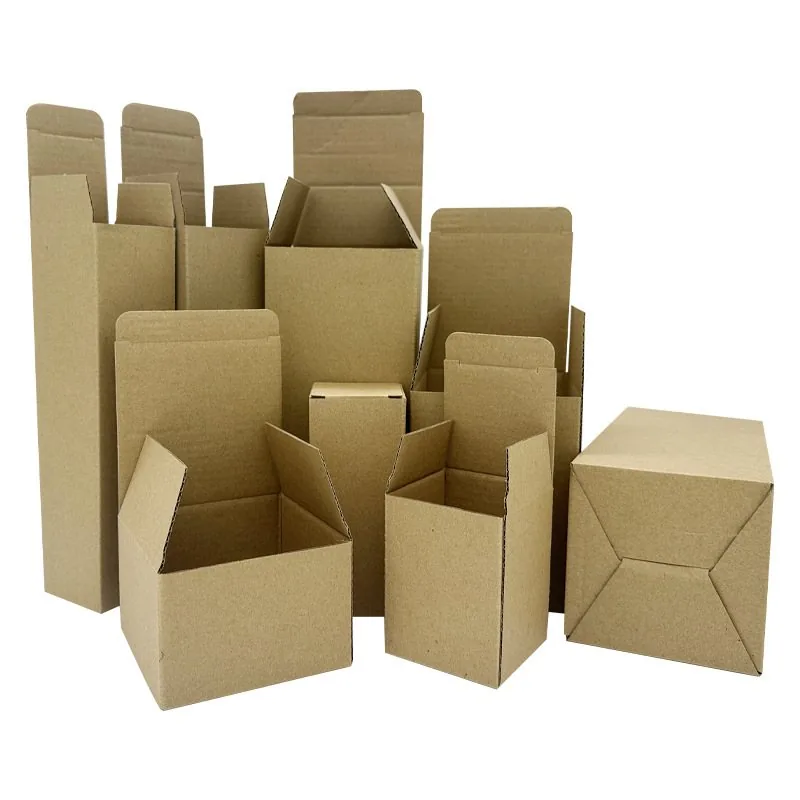
Controlar el empaque de SKU mixto
A mixed-SKU carton carries several product codes, and the marks have to match what is actually inside. The pack-out rule is what keeps the carton label honest. Decide the carton type before the first print, because the label format, the count per code, and the arrival check all follow from that one choice.
Pack-out rules for mixed cartons
Define which products can share a carton, the count per product, and the label format for a mixed carton. If the label lists one code but the carton holds two, the retail system rejects the carton at arrival and the shipment needs sorting. Write the rule in the packing plan and link it to the carton mark schedule, so the printer and the packing line work from one version.
How to catch a mixed-SKU error
Request a first-article check of the mixed carton, its label, and its content against the packing list. A photographed carton with its labeled content is the evidence the arrival inspection compares against. When the check fails, correct the label data source before the run continues, not after the cartons are sealed. For category context, the soluciones de empaque minorista route shows how these pack-out rules carry into the shelf.
| Opción | Mejor ajuste | riesgo de aprobación | Verificación de control | Próxima acción |
|---|---|---|---|---|
| Single-code carton | Best fit: one product per carton, the simplest receiving and counting | Adding a second code by hand creates a label that no longer matches the content | Confirm the carton holds one code against the packing list | Approve only when the label matches the single-code rule |
| Fixed mixed-carton assortment | Best fit: a stable assortment packed the same way on every reorder | A changed assortment under an unchanged label rejects the carton at arrival | Compare the label to the first-article carton and its content | Request a first-article check before production |
| Kit or set carton | Best fit: a bundled kit that has to stay together for the buyer | A missing component turns a sellable kit into a rework claim | Verify the component count per set against the approved bill of materials | Approve the kit build sheet with the sample |
| Pick-and-pack carton | Best fit: variable content per order for e-commerce fulfilment | Wrong label content on a variable carton forces a destination sort | Check that the label is generated from the same data as the pick list | Request the label data source in writing before release |
Record the cost drivers behind a marking change before approving a late revision: label or plate remake, carton reprint, warehouse relabeling, product sorting labor, and shipment delay. Comparing those change costs is what turns a late artwork request into a budget decision rather than a surprise on the invoice.
Aprobar evidencia de caja impresa
Approve the carton marks on printed evidence, not on a digital layout. The printed evidence shows the marks at the real size on the real board, so it is the only version that proves the barcode scans and the symbols sit where the packing line expects them.
What the printed evidence must show
The evidence must show every mark from the schedule at print size, the barcode with a successful scan result, and the handling symbols in position. A partial proof leaves the unchecked marks to the batch, and a mark that fails on the carton is far more expensive than a mark that fails on paper. Ask the supplier whether the evidence comes from the actual production board or from a substitute sheet.
How to approve the proof
Compare the evidence against the schedule field by field, record the approval date, and attach the scan result. The approved evidence is the reference the printer runs from and the arrival inspection checks against. Where a destination market publishes its own packaging-marking rule, compare the evidence against that rule before approval; the US marking rule for packagings is one documented example (49 CFR § 178.3, marking of packagings).
Bring the following questions to the sample review with the supplier. Each question notes why to ask it and the proof that answers it, so the buyer leaves the review with a signed revision rather than an open discussion.
- Which artwork revision and barcode data source does this printed evidence represent? Ask it so the approved carton and the order system cannot drift apart on the next run. Reduced risk: a reprint from an outdated revision. Proof to request: the revision number and the scan result. Buyer action: hold approval until the revision is named on the evidence.
- Does the barcode decode at print size on the actual board? Ask it because a screen image cannot prove scan behaviour on the carton. Reduced risk: manual receiving and relabeling at the destination. Proof to request: a scan result from the printed sample. Buyer action: attach the scan to the approval record.
- Which handling symbols apply, and where is each one positioned? Ask it so the shipping mode, stack limit, and moisture protection match what the carton will face. Reduced risk: damage and rejected claims in transit. Proof to request: a printed photo with the symbol set in position. Buyer action: confirm the symbols on the sample before bulk production.
- Who signs off this evidence, and which date is recorded with it? Ask it because an unsigned proof is not a release instruction. Reduced risk: production running on an unapproved mark. Proof to request: the approval record with its revision and date. Buyer action: store the signed evidence with the marking schedule and share it with the supplier.
For related product context, review Productos accesorios de empaque before the carton order is confirmed.
Congelar marcas para producción y envío
The marks freeze at approval, and any change after that goes through the change path. A frozen schedule keeps the batch, the packing list, and the customs documents on the same data, so the buyer is not reconciling three versions at the port.
Freezing the marks
Confirm the approved evidence version, the artwork file, the material and color reference, and the pack-out rule with the supplier in writing. Production prints from the frozen version, and the warehouse checks against the same version. Record the freeze date next to the approval date, because the two dates explain which revision was live when the run started.
What changes after freeze
A change to a code, a symbol, or a data source after freeze resets the approval, and the run may stop until the new proof is signed. The reprint or relabel is the visible cost, and the schedule slip is the hidden one, so the freeze has to happen before production rather than after the first cartons are packed. Once the schedule is frozen, the standard production lead time of 15-30 working days runs from sample approval, not from the artwork email.
- Confirm the frozen revision number appears on the proof, the packing list, and the customs documents.
- Check that the data source behind the carton count and lot number did not change with the last order update.
- Verify that the packaging line receives the same frozen file the buyer approved, not a re-exported copy.
- Keep the approved sample and its scan result in the approval file for the next reorder comparison.
- Revisa la Blog for related pack-out context before the reorder is placed.
The project-level MOQ of 200 pcs applies to a stock-mark run, and a reorder that reuses the frozen schedule avoids a second artwork setup. When a change is unavoidable, ask the supplier for the reprint cost, the added days, and the new approval date in one written answer, so the buyer can approve the whole consequence rather than only the print change.
En conclusión
Master carton marks are controlled by one schedule, verified on printed evidence, and frozen before production. Build the schedule with a data source for every mark, check the codes and symbols field by field, and control the mixed-SKU pack-out.
When the approved evidence and the frozen schedule travel with the order, the batch, the packing list, and the arrival inspection all read the same data.
Before release, confirm the supplier can return a marked first carton, SKU mapping, inspection record, and corrected packing list under the approved revision. Keep reprint, relabeling, sorting, and delay costs visible so the final handoff reflects both supplier capability and the cost of an unresolved marking error.
For the full buyer-side version of these checks, see barcode Placement Checklist Before personalización del empaque y especificaciones de troquel Dieline Approval.
Preguntas frecuentes
¿Cómo deben los compradores confirmar las dimensiones de la caja empaquetada?
Buyers should state whether the dimensions are internal, external, or packed shipping size, then ask the supplier to confirm the dieline, the product-fit allowance, the board thickness, and the measurement method on the same drawing. The quality risk is a box that fits on paper but fails packing or freight. Request the packed-carton measurement with the sample approval.
¿Qué muestra o prueba de control de calidad deben solicitar los compradores?
Request a physical sample made from the intended production material, the printed carton proof with its scan result, and the QC record for the first carton. Confirm that the sample uses the frozen revision and the stated material, because a sample approved on a different board or finish does not release the bulk run. Match the proof against the marking schedule before the sample is signed.
What should buyers verify before approving packaging master carton marks mixed sku?
Verify four things before approval: the product code and description against the order system, the barcode scan at print size, the handling symbols and their position, and the count and lot data against the packing list. Confirm the mixed-SKU label lists every code inside with its count. When any one of these fails, hold approval and request a corrected proof; the next action is a re-approved revision, not a verbal note to the printer.
What should the printed carton evidence show?
Every mark at print size, the barcode scan result, and the handling symbols in position. Approve the evidence against the schedule and keep the approval date with it, so the warehouse can check the same revision.
How should a mixed-SKU carton be labeled?
The label must list every SKU inside with its count. Define the pack-out rule in the schedule and request a first-article check of the labeled carton with its content before production, so the arrival inspection reads the same data as the packing line.
Traspaso de solicitud de cotización (RFQ): Envíe las especificaciones para revisión.

Hacer una pregunta sobre empaques