
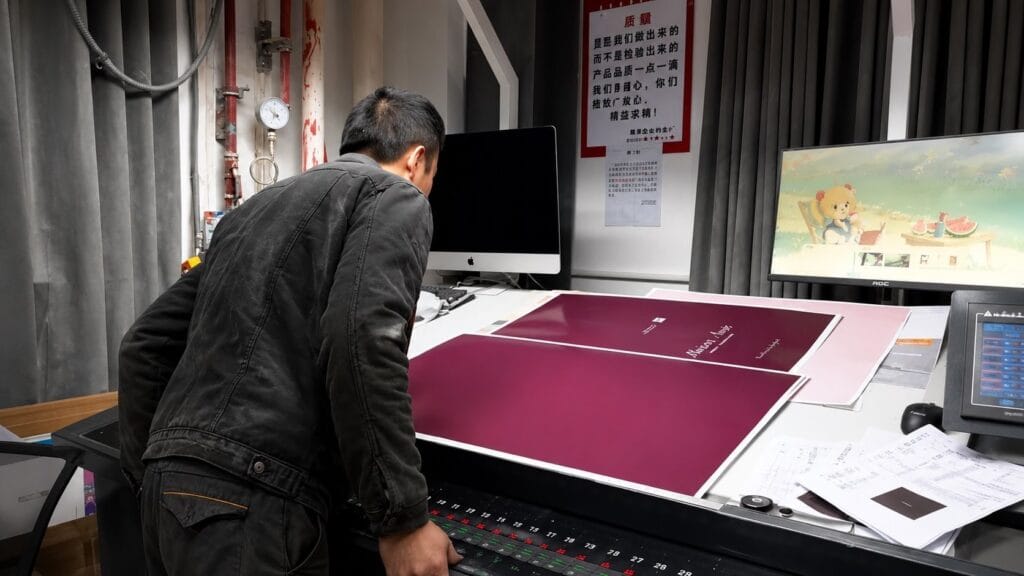
Approve spot UV, foil and other packaging finishes on the offered process and actual material combination. Keep appearance, physical test results and the quotation basis separate.
Start with the effect and artwork areas you need, then review the supplier’s proposed process, combined sample and inspection plan. This guide explains where a reference sample helps and where a method, acceptance criterion or result still needs agreement.
Respuesta directa: For custom packaging finishes spot UV foil, align artwork files, dimensions, material and finish targets, a signed-off sample, packing instructions, and the bulk-production handoff in one controlled specification.
Cómo elegir acabados de empaque personalizado
The comparison starts with the effect, its location and the material carrying it. Metallic reflection, a gloss highlight, tactile relief and an overall film surface are different design jobs. Describe the result you want before selecting a process name; the supplier’s proposed route and reference sample then make that request concrete.
| Especificación | Acceptable range or reference | riesgo de aprobación | Verificación de control | Próxima acción |
|---|---|---|---|---|
| Artwork area and register | Identified artwork layer, positions and order-agreed limits. | Finish falls outside the intended design. | Compare the decorated sample with the approved layout and stated reference. | Record deviations before artwork release. |
| Foil appearance | Selected foil-stock reference and the intended viewed area. | A colour name describes a different appearance or stock. | Review the offered foil on the actual material under agreed viewing conditions. | Keep its identity with the accepted sample. |
| Gloss or tactile effect | Physical reference and any method-defined acceptance criterion. | An attractive appearance is treated as an unmeasured property. | Separate visual review from a defined measurement where one is required. | Resolve missing method or criterion with its owner. |
| Relief or surface coverage | Marked area, direction and identified substrate or film. | Unreviewed coverage or back-side effect changes the design. | Inspect the finished construction and the relevant folds or contact areas. | Approve the reviewed configuration, not another variant. |
FSEA’s public foil-process overview distinguishes hot, cold and digital routes. Its announcement does not establish which route, paper or finishing sequence ZHY offers for this order.
A physical sample made from the intended production material should identify the material, process and artwork revision being reviewed. Keep an appearance decision separate from adhesion, gloss or handling results that still require a suitable method. This reduces the risk of a polished sample becoming an ambiguous production instruction.
Comparar spot UV, foil stamping, gofrado, grabado en relieve y laminado
Compare what the supplier will actually produce for the same design, rather than ranking these finishes as universally low, moderate or high cost. Process variants and combined constructions change the proposal. Supplier experience can inform a shortlist, but does not demonstrate compatibility or a completed result for your substrate. These questions address the risk of quote mismatch or sample delay when different processes are treated as the same finish.
- Which UV effect is proposed? Ask the supplier to identify the coating route and artwork area. Review a representative decorated sample and the register check; varnish alignment is not automatically a die-cutting requirement. An unclear layer reference can create artwork rework.
- Which foil route and stock are quoted? Identify the actual process, foil reference and any associated tooling. A label such as “foil” alone does not establish the operation or performance. Request the sample basis before comparing alternatives.
- What does the relief affect? Review the intended raised or recessed area, back-side appearance and the construction presented. Have the supplier identify how it will evaluate relevant damage or deviation. Do not substitute a generic depth value for the accepted design.
- Which film or surface treatment is supplied? Inspect the offered sample, including the selected sheen and coverage. Record observed colour or surface differences against the agreed reference. Supplier marketing does not settle the order’s acceptance decision.
FSEA’s overview of foil routes shows why one fixed die or process sequence cannot describe every foil proposal. Review the actual manufacturing route for the cajas de papel personalizadas being ordered, and keep unsupported suitability claims out of the comparison.
Product route
Match the selected finish, material and sample requirements to the customization brief before comparing quotations.
Combinaciones de impresión y acabado que necesitan confirmación
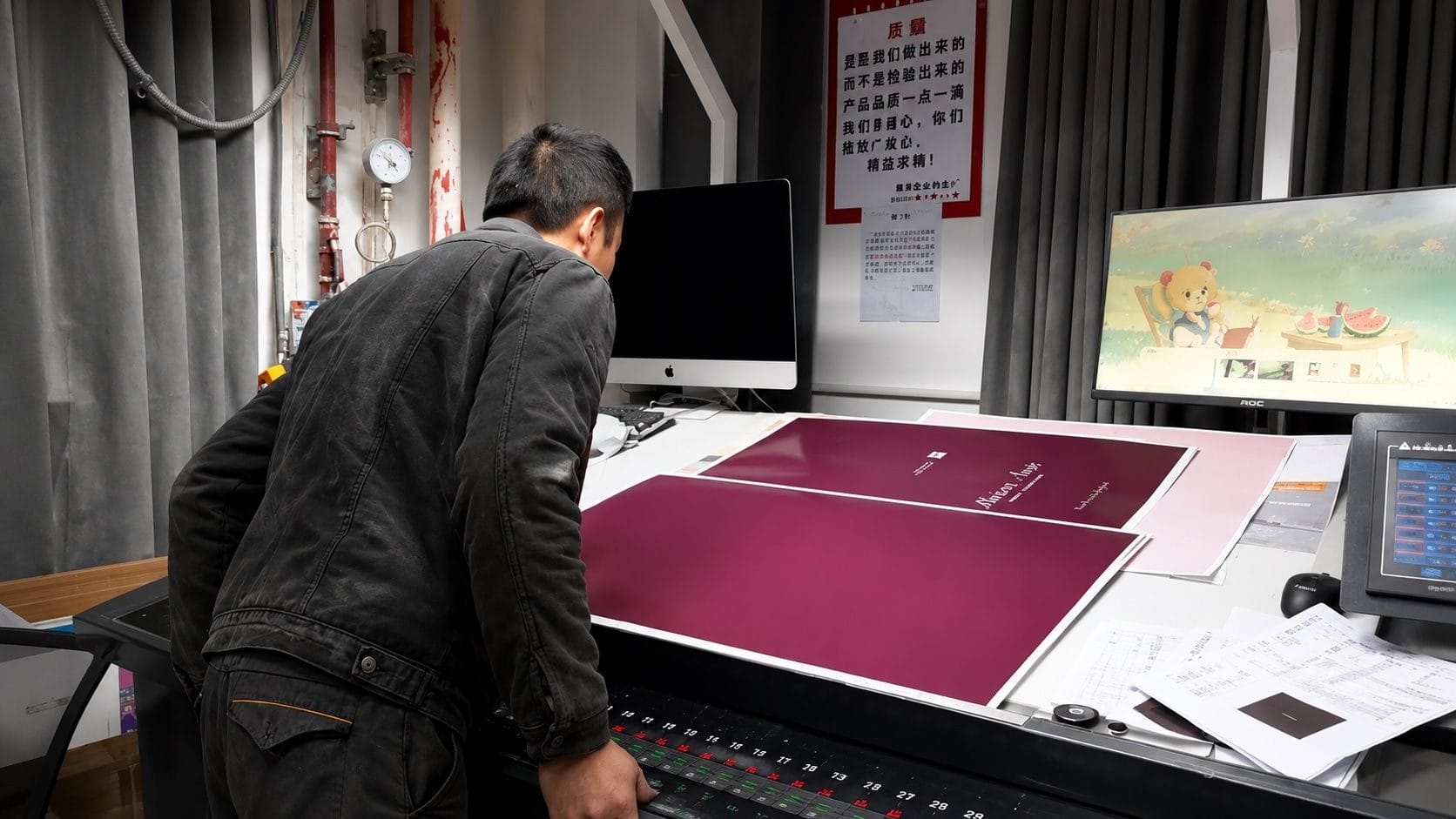
A combined sample needs to represent the full stack being approved: material, printed layer, surface treatment and decoration. A separate foil swatch and a UV sample on another board do not demonstrate their combination. Define the proposed production sequence with the supplier instead of assuming foil must always be the last operation.
- Artwork and area record: The designer identifies the print and finish layers, overlaps, masking and reference positions. The supplier returns its proposed layer interpretation. Reconcile a mismatch before preparing the combined sample.
- Material and process record: The manufacturing team identifies the substrate and finishing route it proposes. Review changes to coating, film or decoration against that build; a process name alone is not compatibility evidence.
- Sample and observation record: Inspect the identified finished construction for the agreed appearance and relevant folding or contact checks. Log the actual units and conditions. An observation is not a result for a different construction or an unspecified durability test.
- Issue disposition: Assign the design, supplier or test reviewer responsible for each requirement. Keep observed defects, pending method selection and accepted details distinguishable so the packing team is not given contradictory instructions.
Public trade material discusses UV and foil compatibility for particular systems and production conditions. It does not establish a universal order of operations. Similarly, the verified offset-printing process-control scope in the research record is not an adhesion method for all finishing layers.
Para Empaque cosmético personalizado, retain the decorated construction used for the presentation review and identify any additional handling evidence required. Unresolved compatibility can delay sample sign-off; a documented observation does not diagnose its cause by itself.
Riesgos de costo, cantidad mínima de pedido y plazo de entrega debido a las elecciones de acabado
An itemised proposal makes the finishing comparison usable. Match the artwork areas, offered process and supplied packing scope before comparing totals. A price change should have an identifiable quotation basis, not a universal claim that UV is cheap, foil is expensive or every additional step raises the minimum order.
- Operation scope: Have the supplier identify the finishing operations included for the selected material and artwork. A missing layer or coverage assumption can turn an apparently comparable quote into a different job.
- Setup and tooling: Separate any proposed setup, tooling or sample charges from production pricing. Confirm what is included and whether a revision affects it; do not assume every process uses the same equipment or die.
- Quantity split: Record the packaging quantities by actual size and style. Identify which finish and artwork version belongs to each line. A combined order total alone cannot describe those variants.
- Schedule basis: List outstanding artwork, sample and method decisions with their owners. Ask for the order’s proposed schedule rather than treating an estimate as a transport or arrival-date promise.
For ZHY paper boxes, MOQ is 200 pcs per size for each style. This does not establish a standalone finishing-service minimum or the minimum for another packaging family. ZHY’s standard production reference is 15–30 working days after specifications, artwork and sample requirements are confirmed.
Confirm the offered construction and quote inclusions with Zhypacking. An unresolved sample revision or changed operation can create a price or timing dispute; record the supplier’s response against the same job rather than inferring a fixed uplift from the finish name.
Lista de verificación de aprobación de acabado antes de la producción
A measurement without its method and acceptance basis leaves approval ambiguous. Review the visual reference, physical check and sampling decision as separate records. Attribute sampling does not supply the adhesion or gloss method, and a recorded rating does not by itself establish this order’s accepted criterion.
| Punto de control | Defecto o riesgo | Método de verificación | Estándar de aprobación | Próxima acción |
|---|---|---|---|---|
| Appearance and register | Observed finish area or surface differs from the design. | Identified sample and agreed viewing/layout comparison. | Approved artwork and physical reference; stated limits where required. | Record deviations and design-owner disposition. |
| Adhesion-related requirement | An unsuitable method or substrate is treated as proof. | Method selected for the actual coating/foil/material system and failure mode. | Order-specific accepted criterion and applicability basis. | Hold a missing method or result for its reviewer. |
| Gloss-related requirement | Readings from different zones or conditions are compared indiscriminately. | Defined specimen, geometry, instrument and reference where measurement is required. | Agreed comparison and acceptance basis. | Keep measured results separate from visual sign-off. |
| Inspection sampling | A sampling plan is mistaken for a physical test result. | Identified lot, inspected characteristics and agreed sampling plan. | Defined acceptance/disposition rules for those characteristics. | Record which units and decisions the inspection represents. |
ASTM D3359’s public scope concerns tape ratings of coating films on metallic substrates and records limitations for nonmetallic use. It does not justify applying a universal paperboard, film or foil acceptance rating. Specular-gloss methods likewise need the applicable specimen and instrument conditions; no generic gloss band is supplied here.
ISO 2859-1’s public sampling scope addresses attribute acceptance sampling. It does not establish an unspecified rub, peel or cross-hatch result. Agree the relevant inspection record and missing technical decisions before claiming the finish has passed.
- Identify the evidence. Keep the sample, revision and selected method together.
- Review the result. Compare the observation with the agreed criterion, not an illustrative threshold.
- Record the disposition. Name who accepts, revises or holds each unresolved requirement.
Traslade las decisiones de acabado a la solicitud de cotización de empaque personalizado
The RFQ can begin with a defined effect and honest open assumptions; it does not require inventing completed tests. By production release, the team needs a clear record of the offered route, accepted configuration and remaining holds. Separating these checkpoints lets the buyer request a useful quotation without implying the job is already approved.
- Prepare the design request. The buyer supplies the intended packaging, artwork areas, references and quantities. Mark uncertain process or measurement details for discussion so the supplier can identify its proposed route.
- Reconcile the offered job. Compare the supplier’s material, operations and quotation inclusions with that request. Return unexplained differences before choosing the sample scope; a vague acceptance can hide a cost or construction mismatch.
- Review the decorated sample. Link the agreed configuration and observations to the artwork revision. The named design and technical reviewers handle their respective decisions, with an approval record for unresolved issues.
- Issue the release instructions. Attach the accepted references, applicable inspection plan and change-control responsibilities. Record the approved schedule basis and any outstanding hold so the factory does not have to infer sign-off from a quotation email.
- Maintain the reorder reference. Retain the released record and require review of affected decisions when artwork, material or process changes. A signed sample identifies a reference; it cannot guarantee zero deviation across a later production run.
Use the same job identity in the quotation, sample record and purchase instruction. This addresses the practical risk of one finish being quoted while another material or process is reviewed. The customization link in this guide brings those inputs to the existing artwork and finishing handoff route.
Para acabados de embalaje personalizados, utilice soluciones de empaque personalizado para alinear la revisión del arte, la muestra física, la prueba de producción y el propietario responsable de la RFQ antes de comparar cotizaciones.
En conclusión
A finish is ready for release when its offered construction and required decisions are documented for the order. Start with the effect and artwork areas, review the supplier’s actual route and keep the decorated sample tied to its material and revision. Quotation assumptions then have a clear identity instead of relying on a finish name or a generic price ranking.
Physical checks and sampling have different roles. Keep their methods, applicability and accepted criteria visible, with unresolved results assigned to a reviewer. The approval record supports a production handoff; it does not eliminate the risk of variation or guarantee field performance.
Bring the recorded artwork, finish references, packaging quantities and sample requirements through the customization route linked in this guide. Give the production team the configuration it is asked to repeat and the changes it must refer for review. That is a more useful release decision than an unsupported gloss value, adhesion rating or blanket supplier guarantee.
Preguntas frecuentes sobre acabados de empaque: barniz UV localizado y estampado con lámina
How should buyers approve a combined spot UV and foil design?
Review the full proposed material and finishing stack on an identified, physical sample made from the intended production material. Match its artwork areas, foil reference and selected UV route to the supplier’s proposed sequence. Keep visual observations and any required physical results separate. A finish swatch or the availability of two options does not establish that their combination is approved for the order.
What changes the quote for packaging finishes?
The quoted process, artwork area, material, setup, tooling, quantity split and supplied packing work can change the proposal. Compare those inclusions for the same job and request the supplier’s stated assumptions. There is no universal cost tier for each finish in this guide, and another supplier’s pricing rule is not a ZHY fee or service promise.
Does a sampled inspection establish finish adhesion or gloss?
No. Attribute sampling concerns the units and characteristics inspected; it does not supply a physical method, acceptance criterion or measurement result. An adhesion or gloss requirement needs an applicable method for the actual system and a recorded outcome. Keep the decision pending when that essential evidence is missing, rather than importing an example threshold or treating missing proof as a failed test.
Traspaso de solicitud de cotización (RFQ): Envíe las especificaciones para revisión.

Hacer una pregunta sobre empaques