
마스터 상자 내 Mixed SKU 팩은 제품 치수와 유통 경로에서 시작하여, 보드, 구조, 인쇄, 삽입물 여백, 포장 및 양산 샘플에 영향을 줍니다.
이 마스터 상자 Mixed SKU 팩 가이드는 이러한 선택 사항을 다이라인 브리프, 샘플 승인 기록, 동일 사양으로 공급업체를 비교하기 위한 견적 체크리스트로 변환합니다.
직접 답변: 마스터 상자 Mixed SKU 팩의 경우, 아트웍 파일, 치수, 재료 및 마감 목표, 승인된 샘플, 포장 지침, 대량 생산 인수인계를 하나의 통제된 사양에 정렬합니다.
하나의 마스터 카튼 마킹 일정 구축
주문의 모든 상자는 동일한 표시를 담고 있으므로, 표시는 이메일 모음이 아닌 하나의 일정을 따라야 합니다. 이 일정은 각 표시의 이름, 위치, 데이터 소스, 허용 오차, 확인 담당자를 명시하며, 인쇄물과 배치를 위한 참조 문서가 됩니다.
| 사양 | 허용 가능한 범위 | 승인 위험 | 검증 확인 | 다음 조치 |
|---|---|---|---|---|
| 제품 코드 및 설명 | 허용 범위: 승인된 아트웍 및 주문 시스템과 문자 그대로 일치 | 잘못된 숫자가 포함된 코드는 입고 시 상자를 반품시키고 출하를 막습니다. | 표시 일정과 대조하여 인쇄물을 항목별로 검증 | 양산 전에 인쇄물 버전을 승인하고, 이전 코드가 적용된 상자는 보관하세요. |
| 바코드 또는 팔레트 코드 | 허용 범위: 박스 패널에서 정적 영역이 명확한 인쇄 크기로 인식됩니다. | 인식 불가 바코드는 수동 입고, 재라벨링 및 지연을 초래합니다. | 인쇄된 상자 샘플을 스캔하고 결과를 기록하세요. | 샘플 승인 파일과 함께 스캔 결과를 요청하세요. |
| 취급 기호 | 허용 범위: 제품, 적재 한도 및 운송 수단에 일치 | 기호 누락 또는 잘못 기재 시 추측에 맡겨 처리하게 되어 손상 사고 발생 가능 | 적재 계획과 기호 세트를 확인합니다 | RFQ에 기호 세트를 추가하고 샘플에서 확인합니다 |
| 상자 수 및 로트 | 허용 범위: 제품 코드와 동일한 패널이며, 수는 포장 명세서와 일치 | 수량 또는 로트 불일치는 선적을 분리하고 통관 지연을 유발합니다 | 반출 전 포장 명세서와 상자 표시를 대조하십시오 | 납품 전에 포장 완료 상자 사진을 요청하십시오 |
어떤 표시를 상자에 부착하나요
제품 코드, 설명, 바코드, 취급 기호, 상자 수, 그리고 목적지 또는 국가 표시를 확인합니다. 모든 표시는 데이터 소스가 있으며, 출처 없는 표시는 반드시 잘못됩니다.
일정의 소유자는 누구인가
일정을 확인할 구매자 측 책임자 한 명과 일정을 수신할 공급업체 담당자 한 명을 지정합니다. 일정은 증명서, 샘플 및 배치와 함께 이동하므로, 표시에 대해 질문이 있을 때 응답하는 사람은 소유자입니다. 코드 변경 지연은 상자 재인쇄를 유발할 수 있으므로, 소유자는 재인쇄 비용과 새로운 승인 날짜에 대한 결재 권한도 가집니다.
일정이 변경될 때
코드, 심볼 또는 데이터 소스를 변경하는 모든 과정은 원본 일정과 동일한 확인 경로를 거쳐야 합니다. 포장 목록의 코드가 변경되어도 인쇄소에 전달되지 않으면 시스템 검수를 통과하지 못한 카رتون이 생산되며, 전체 분량을 재인쇄하는 비용은 시승 과정에서 변경사항을 발견하는 비용보다 훨씬 높습니다. 프로젝트 단위 최소 주문량(MOQ) 200개와 생산リード타임 15~30영업일은 초안 시점이 아닌 승인된 일정보부터 시작됩니다.
공급업체 기록과 대조할 수 있는(master-carton) 마킹 일정 구축을 위한 증거를 활용하십시오. 공급업체 생산 승인 체크리스트 | SKUWorks 가이드 요구사항을 수락하기 전에.
아트워크, 코드 및 취급 기호 확인
증명은 마크를 보여줄 뿐, 실제 데이터 검증은 별도로 확인해야 합니다. 코드가 올바르게 보이더라도 잘못된 숫자가 포함될 수 있으니, 항목별 일괄 비교표와 대조하여 각 필드별로 검증하십시오.
코드에 대한 아트웍 검토
승인된 파일 대비 제품 코드, 설명, 목적지 텍스트를 확인하고 시승본의 바코드를 스캔하십시오. 바코드가 디코드되지 않는 경우 인쇄물 자체의 문제가 아니라 창고 운영 실패로 이어집니다.
취급 심볼 검증
취부 심볼이 제품 및 운송 모드에 부합하는지 확인하십시오: fragile(취급 주의), this side up(이쪽 상단), 적재 한도, 온도 또는 습도 심볼 등이 해당됩니다. 누락된 심볼이 있으면 해당 배치 전체가 임의대로 취급됩니다.
변동 데이터 검증
로트 번호, 카رتون 개수, 팔레트 코드와 같은 변동 필드는 인쇄 전 주문 시스템과 반드시 확인하십시오. 변동 데이터 오류는 전체 배치에 반복되므로 첫 번째 시승본 단계에서 반드시 점검해야 합니다. DTC(직접 소비재) 주문용 카رتون도 동일한 마킹 규율을 따르며, 전자상거래 포장 솔루션 라우트는 해당 패킹 아웃 경로가 어떻게 관리되는지 보여줍니다.
시승본이 인쇄소에 전달된 이후에 발생하는 모든 변경은 원본 파일과 동일한 승인 경로를 거치지 않는 한 비용과 지연을 수반합니다. 아래 체크리스트는 구매자가 승인 기록으로 보관하는 문서이므로, 인쇄소, QC 라인, 창고 모두 동일한개정판을 기준으로 작업합니다. 여기에는 각 변경사항에 최종 서명한 사람, 해당 변경의 리스크, 확인용 시승본, 그리고 이후 조치사항이 기록됩니다.
- 승인 항목: 아트웍 및 코드 개정.변경 리스크: 구버전 파일에서 인쇄된 수정 코드는 입고 단계에서 전체 라인 반품을 초래합니다.서명 승인: 구매자 작품 소유주가 협력업체 계정 연락처로 이를 공개합니다.검증 확인: 수정된 필드를 승인된 일정과 비교한 후 시판을 스캔합니다.구매자 후속 조치: 인쇄 날짜가 변경되기 전에 시판을 재승인합니다.
- 승인 항목: 취급 기호.변경 리스크: a symbol that no longer matches the shipping mode causes damage and rework.서명 승인: the buyer logistics owner releases it with the supplier planning contact.검증 확인: confirm each symbol and its position on the printed sample.구매자 후속 조치: update the symbol set in the schedule before the next run.
- 승인 항목: variable data fields such as lot, carton count, and pallet code.변경 리스크: a variable field with the wrong value corrupts the entire batch quietly.서명 승인: the buyer operations owner releases it with the supplier data contact.검증 확인: confirm the first proof against the order system before printing.구매자 후속 조치: request written confirmation of the field source.
- 승인 항목: label stock or print carrier.변경 리스크: a substitute stock changes contrast and scan behaviour without notice.서명 승인: the buyer packaging owner releases it with the supplier production contact.검증 확인: inspect the printed carton on the substitute stock.구매자 후속 조치: approve the substitute only after a scan test.
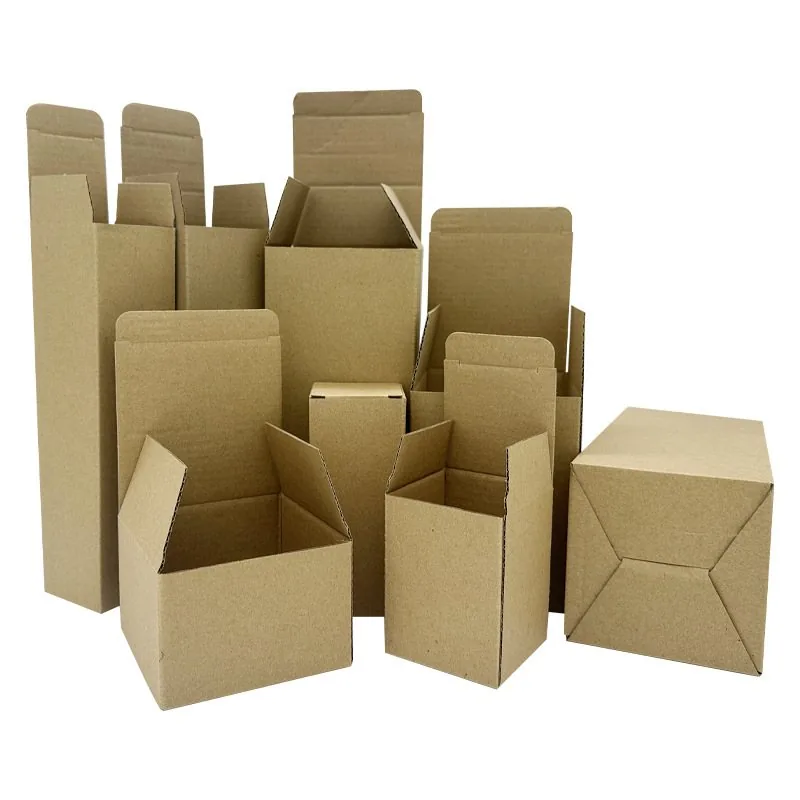
혼합 SKU 포장 해체 통제
A mixed-SKU carton carries several product codes, and the marks have to match what is actually inside. The pack-out rule is what keeps the carton label honest. Decide the carton type before the first print, because the label format, the count per code, and the arrival check all follow from that one choice.
Pack-out rules for mixed cartons
Define which products can share a carton, the count per product, and the label format for a mixed carton. If the label lists one code but the carton holds two, the retail system rejects the carton at arrival and the shipment needs sorting. Write the rule in the packing plan and link it to the carton mark schedule, so the printer and the packing line work from one version.
How to catch a mixed-SKU error
Request a first-article check of the mixed carton, its label, and its content against the packing list. A photographed carton with its labeled content is the evidence the arrival inspection compares against. When the check fails, correct the label data source before the run continues, not after the cartons are sealed. For category context, the 소매 포장 솔루션 route shows how these pack-out rules carry into the shelf.
| 옵션 | 최적 적합 | 승인 위험 | 검증 확인 | 다음 조치 |
|---|---|---|---|---|
| Single-code carton | Best fit: one product per carton, the simplest receiving and counting | Adding a second code by hand creates a label that no longer matches the content | Confirm the carton holds one code against the packing list | Approve only when the label matches the single-code rule |
| Fixed mixed-carton assortment | Best fit: a stable assortment packed the same way on every reorder | A changed assortment under an unchanged label rejects the carton at arrival | Compare the label to the first-article carton and its content | Request a first-article check before production |
| Kit or set carton | Best fit: a bundled kit that has to stay together for the buyer | A missing component turns a sellable kit into a rework claim | Verify the component count per set against the approved bill of materials | Approve the kit build sheet with the sample |
| Pick-and-pack carton | Best fit: variable content per order for e-commerce fulfilment | Wrong label content on a variable carton forces a destination sort | Check that the label is generated from the same data as the pick list | Request the label data source in writing before release |
Record the cost drivers behind a marking change before approving a late revision: label or plate remake, carton reprint, warehouse relabeling, product sorting labor, and shipment delay. Comparing those change costs is what turns a late artwork request into a budget decision rather than a surprise on the invoice.
인쇄된 카튼 증빙 승인
Approve the carton marks on printed evidence, not on a digital layout. The printed evidence shows the marks at the real size on the real board, so it is the only version that proves the barcode scans and the symbols sit where the packing line expects them.
What the printed evidence must show
The evidence must show every mark from the schedule at print size, the barcode with a successful scan result, and the handling symbols in position. A partial proof leaves the unchecked marks to the batch, and a mark that fails on the carton is far more expensive than a mark that fails on paper. Ask the supplier whether the evidence comes from the actual production board or from a substitute sheet.
How to approve the proof
Compare the evidence against the schedule field by field, record the approval date, and attach the scan result. The approved evidence is the reference the printer runs from and the arrival inspection checks against. Where a destination market publishes its own packaging-marking rule, compare the evidence against that rule before approval; the US marking rule for packagings is one documented example (49 CFR § 178.3, marking of packagings).
Bring the following questions to the sample review with the supplier. Each question notes why to ask it and the proof that answers it, so the buyer leaves the review with a signed revision rather than an open discussion.
- Which artwork revision and barcode data source does this printed evidence represent? Ask it so the approved carton and the order system cannot drift apart on the next run. Reduced risk: a reprint from an outdated revision. Proof to request: the revision number and the scan result. Buyer action: hold approval until the revision is named on the evidence.
- Does the barcode decode at print size on the actual board? Ask it because a screen image cannot prove scan behaviour on the carton. Reduced risk: manual receiving and relabeling at the destination. Proof to request: a scan result from the printed sample. Buyer action: attach the scan to the approval record.
- Which handling symbols apply, and where is each one positioned? Ask it so the shipping mode, stack limit, and moisture protection match what the carton will face. Reduced risk: damage and rejected claims in transit. Proof to request: a printed photo with the symbol set in position. Buyer action: confirm the symbols on the sample before bulk production.
- Who signs off this evidence, and which date is recorded with it? Ask it because an unsigned proof is not a release instruction. Reduced risk: production running on an unapproved mark. Proof to request: the approval record with its revision and date. Buyer action: store the signed evidence with the marking schedule and share it with the supplier.
For related product context, review 포장 액세서리 제품 before the carton order is confirmed.
생산 및 선적을 위한 마크 고정
The marks freeze at approval, and any change after that goes through the change path. A frozen schedule keeps the batch, the packing list, and the customs documents on the same data, so the buyer is not reconciling three versions at the port.
Freezing the marks
Confirm the approved evidence version, the artwork file, the material and color reference, and the pack-out rule with the supplier in writing. Production prints from the frozen version, and the warehouse checks against the same version. Record the freeze date next to the approval date, because the two dates explain which revision was live when the run started.
What changes after freeze
A change to a code, a symbol, or a data source after freeze resets the approval, and the run may stop until the new proof is signed. The reprint or relabel is the visible cost, and the schedule slip is the hidden one, so the freeze has to happen before production rather than after the first cartons are packed. Once the schedule is frozen, the standard production lead time of 15-30 working days runs from sample approval, not from the artwork email.
- Confirm the frozen revision number appears on the proof, the packing list, and the customs documents.
- Check that the data source behind the carton count and lot number did not change with the last order update.
- Verify that the packaging line receives the same frozen file the buyer approved, not a re-exported copy.
- Keep the approved sample and its scan result in the approval file for the next reorder comparison.
- 검토하십시오 블로그 for related pack-out context before the reorder is placed.
The project-level MOQ of 200 pcs applies to a stock-mark run, and a reorder that reuses the frozen schedule avoids a second artwork setup. When a change is unavoidable, ask the supplier for the reprint cost, the added days, and the new approval date in one written answer, so the buyer can approve the whole consequence rather than only the print change.
결론적으로
Master carton marks are controlled by one schedule, verified on printed evidence, and frozen before production. Build the schedule with a data source for every mark, check the codes and symbols field by field, and control the mixed-SKU pack-out.
When the approved evidence and the frozen schedule travel with the order, the batch, the packing list, and the arrival inspection all read the same data.
Before release, confirm the supplier can return a marked first carton, SKU mapping, inspection record, and corrected packing list under the approved revision. Keep reprint, relabeling, sorting, and delay costs visible so the final handoff reflects both supplier capability and the cost of an unresolved marking error.
For the full buyer-side version of these checks, see barcode Placement Checklist Before 포장 맞춤화 및 다이라인 사양 Dieline Approval.
자주 묻는 질문
구매자는 포장된 상자 치수를 어떻게 확인해야 합니까?
Buyers should state whether the dimensions are internal, external, or packed shipping size, then ask the supplier to confirm the dieline, the product-fit allowance, the board thickness, and the measurement method on the same drawing. The quality risk is a box that fits on paper but fails packing or freight. Request the packed-carton measurement with the sample approval.
구매자는 어떤 샘플이나 QC 증명을 요청해야 하나요?
Request a physical sample made from the intended production material, the printed carton proof with its scan result, and the QC record for the first carton. Confirm that the sample uses the frozen revision and the stated material, because a sample approved on a different board or finish does not release the bulk run. Match the proof against the marking schedule before the sample is signed.
What should buyers verify before approving packaging master carton marks mixed sku?
Verify four things before approval: the product code and description against the order system, the barcode scan at print size, the handling symbols and their position, and the count and lot data against the packing list. Confirm the mixed-SKU label lists every code inside with its count. When any one of these fails, hold approval and request a corrected proof; the next action is a re-approved revision, not a verbal note to the printer.
What should the printed carton evidence show?
Every mark at print size, the barcode scan result, and the handling symbols in position. Approve the evidence against the schedule and keep the approval date with it, so the warehouse can check the same revision.
How should a mixed-SKU carton be labeled?
The label must list every SKU inside with its count. Define the pack-out rule in the schedule and request a first-article check of the labeled carton with its content before production, so the arrival inspection reads the same data as the packing line.
RFQ 인계: 검토를 위해 사양을 보내주세요..

포장 질문하기