
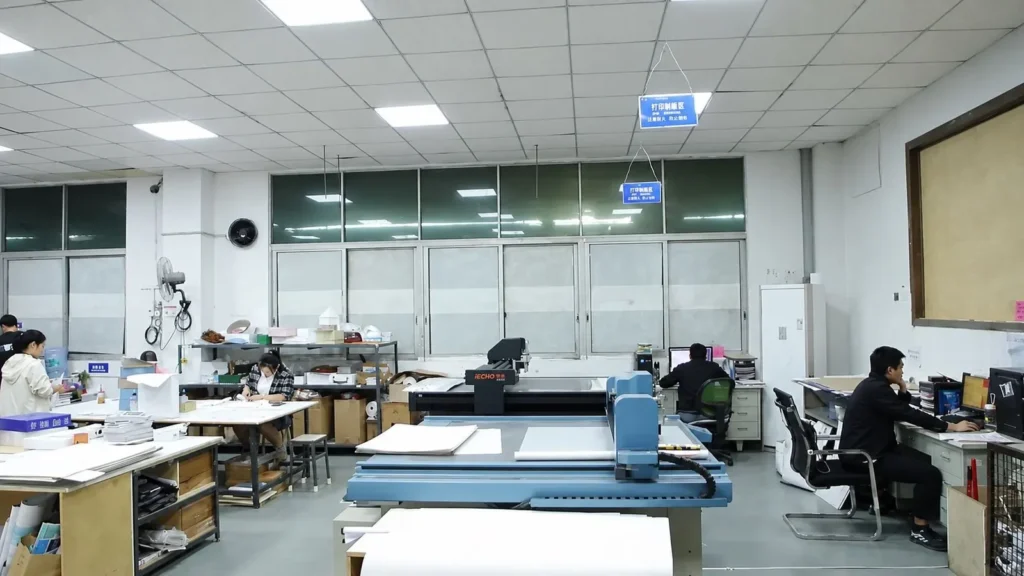
Paperboard vs corrugated vs kraft paper packaging needs a written specification before the buyer can decide whether Paperboard vs Corrugated vs Kraft Paper Packaging fits the use case, specs, MOQ, sample approval path, and supplier quote process; otherwise suppliers may quote different product and approval assumptions. For scale: at Zhypacking the project MOQ starts at 200 pcs per size for each style — folding cartons, corrugated boxes and paper bags all follow it — and standard production runs 15–30 working days.
このガイドでは、ペーボード・段ボール・クラフト紙包装の仕様および根拠を、比較可能なサンプルリクエストおよびRFQ項目にマッピングします。.
直接回答: 仕様、用途適合性、サンプル経路、数量ルール、およびメーカーの例外事項が書面によって確認された後にのみ、ペーボード・段ボール・クラフト紙包装を使用してください。.
各包装形式に適した紙板 vs 段ボール vs クラフト紙の使用事例
梱包の役割から材料ルートを選びます:小売陳列、流通保護、または柔軟な天然紙形式。価格を要求する前に、同じ製品重量、寸法、印刷要件、取り扱い経路、注文数量、承認方法で3つすべてを比較してください。.
| 材料ルート | 最適フィット | トレードオフまたはリスク | 確認すべき事項 | RFQ入力 |
|---|---|---|---|---|
| 紙板 | 折り畳みカートンやコンパクトな小売包装で、印刷面と効率的な保管が重要な場合。. | 不十分な板紙構成は反り、折り目での亀裂、または重量のある製品での性能低下を引き起こす可能性があります。. | 適合性、折り目、閉鎖、充填重量の取り扱い、印刷位置合わせ、仕上げ。. | 完成サイズ、製品重量、板紙ルート、構造、印刷、仕上げ、数量。. |
| 段ボール | 積み重ねや衝撃保護が必要な配送用箱、メーラー、パック。. | より強固な構造は厚みと貨物容積を増やす可能性があるが、誤ったフルートやライナーはパックを弱める可能性がある。. | 板紙の構造、梱包荷重、積み重ね、閉鎖、落下または取り扱い計画、印刷工程。. | 内部寸法、梱包重量、カートンあたりのユニット数、取り扱いルート、板紙要件、印刷。. |
| クラフト紙 | 自然な色と紙の特性がデザインを支える袋、ラップ、スリーブ、またはカートン。. | 茶色のベースは印刷色を変え、フレキシブルなクラフトフォーマットは製品に構造的保護が必要な場合にそれを代替しない。. | 紙の厚さ、引き裂きポイント、取っ手または閉鎖、インクの外観、耐摩擦性、梱包使用。. | フォーマット、寸法、荷重、紙の厚さ、色の期待値、印刷範囲、仕上げ、数量。. |
性能と使用事例への適合
板紙は通常小売カートン用途、段ボールは保護用途、クラフト紙は袋、ラップ、ライナー、クラフト表面構造に使用できる素材ファミリーである。名前だけで比較せず、提案された構造と実際の充填製品を比較すること。.
コスト、最小発注数量、カスタマイズのトレードオフ
材料は見積もりの唯一の要因ではない。構造、金型、寸法、印刷範囲、仕上げ、インサート、数量、組み立て、親カートン梱包が結果を変える可能性がある。各見積もりにその板紙の前提を明記するよう求め、価格が比較可能であるようにすること。.
品質とサプライヤーリスクの比較
量産用サンプルを承認し、フィット感、強度、折り目、色、仕上げ、梱包状態を確認します。日付入りのサンプルと文書仕様書を保管し、製造チームに同一素材とテストポイントを量産時に確認するよう依頼します。RFQを確定する前に、より広範なカスタム紙パッケージの経路を確認します。.
購入者と工場が同じダンボールに対して異なる言葉を使用する場合、中立な参照資料、例えば ISO/TC 122 包装規格 を使用することで、仕様書署名前に輸送包装用語を両面で一致させることができます。.
紙板 vs 段ボール vs クラフト紙の使用事例を仕様に変換する方法
使用ケースを測定可能な項目として記述して初めて、比較可能な見積もりになります。パッキングの役割を材質ファミリー、グレードまたはフレート、カリパー、プリントおよび仕上げ、寸法、個数、梱包方法といった項目に翻訳し、すべてのサプライヤーが同じ要件に対し同じ価格を算出できるようにします。.
サンプル作成前に確定させる項目
まず材質ファミリーを確認し、強度や外観を変える構造詳細を確認します。段ボールの場合、フレートプロファイルとライナーの組み合わせが積み重ね性能を決定し、紙箱(カートン)の場合はカリパーとコーティングが折り曲げ品質と印刷面を決めます。双方が使用する正確な表現を書き留めてください。あるメーカーはクラフト grade を軽量袋紙と読む一方、別のメーカーは硬質紙板と読むことがあるからです。.
| 仕様項目 | 許容範囲または確定値 | 未確定の場合の承認リスク | 検証チェック | 次のアクション |
|---|---|---|---|---|
| 材質ファミリー | 項目ごとに包装ファミリーを1つ明記:紙箱(カートン)、段ボール箱、または他 包装アクセサリー製品 発注時の表記通り正確に記載する。. | suppliersによって構造解釈が異なり、サンプルが誤った材質で届き手直しが生じる可能性がある。. | suppliersに対しファミリー、グレード、構造を文書で再確認させ、受け取ったサンプルが確定した仕様通りかを検品する。. | 見積もり依頼(RFQ)を送付する前に、素材行を承認する。. |
| グレード、フルート、または厚み(カイパー) | 合意済みのボードグレード、フルート形状(E、B、またはEB)、または厚み範囲。測定方法も明記する。. | 軽量のボードや誤ったフルートだと輸送中に潰れたり反ったりし、初次注文がクレーム化するリスクがある。. | 圧縮または厚みテストレポートを依頼し、サンプルが確定した範囲内かを測定する。. | 大口注文を承認する前に、見積書上のグレードを確認する。. |
| 印刷と仕上げ | 印刷方法、色見本の参照、仕上げ(ラミネート、箔押し、または無加工)を、面ごとに明記する。. | 仕上げや色の参照先が不明だと、承認されたサンプルの大量生産での再現性が保てなくなる。. | 同じ光環境で印刷サンプルと提供された色見本を比較し、シート上の仕上げを確認する。. | 発注前にサンプルを使用して印刷と仕上げ行を承認する。. |
| 寸法と個数 | 内寸・外寸、許容差、およびパックあたりの個数については、測定方法合意済みの条件で確認する. | 寸法や個数が不明瞭だと、製品が緩んでしまったりパッキングラインで詰まったり、数量不足による未出荷が発生する恐れがあります。. | 充填済みのサンプル箱を実測し、メーカーの許容差がお客様の測定結果と一致しているか確認してください。. | サンプル承認前に、寸法と個数の項目を確定させてください。. |
| パッキングとmaster carton(段ボール中箱) | パッキング方法、master cartonあたりの単位数、カートンサイズ、および積載制限について. | 見積もりと異なる梱包条件は、注文確定後に輸送容積や着地コストに影響を与える可能性があります。. | master cartonのサンプルに対し、宣言された単位あたりの個数と積載制限に合わせて確認してください。. | パッキング仕様を承認し、購入注文書(PO)上で確定させてください。. |
製本版及び承認フロー
大量生産の前には、確定した仕様通りの生産意図あるサンプルを依頼し、承認済みサンプルを日付入り記録と共に保管してください。同じ板材、フラウト、仕上げ、印刷参照品を提出するサプライヤーは、異なる前提で構築された安価な単価よりも、候補候補に入れるだけの強い根拠となります。.
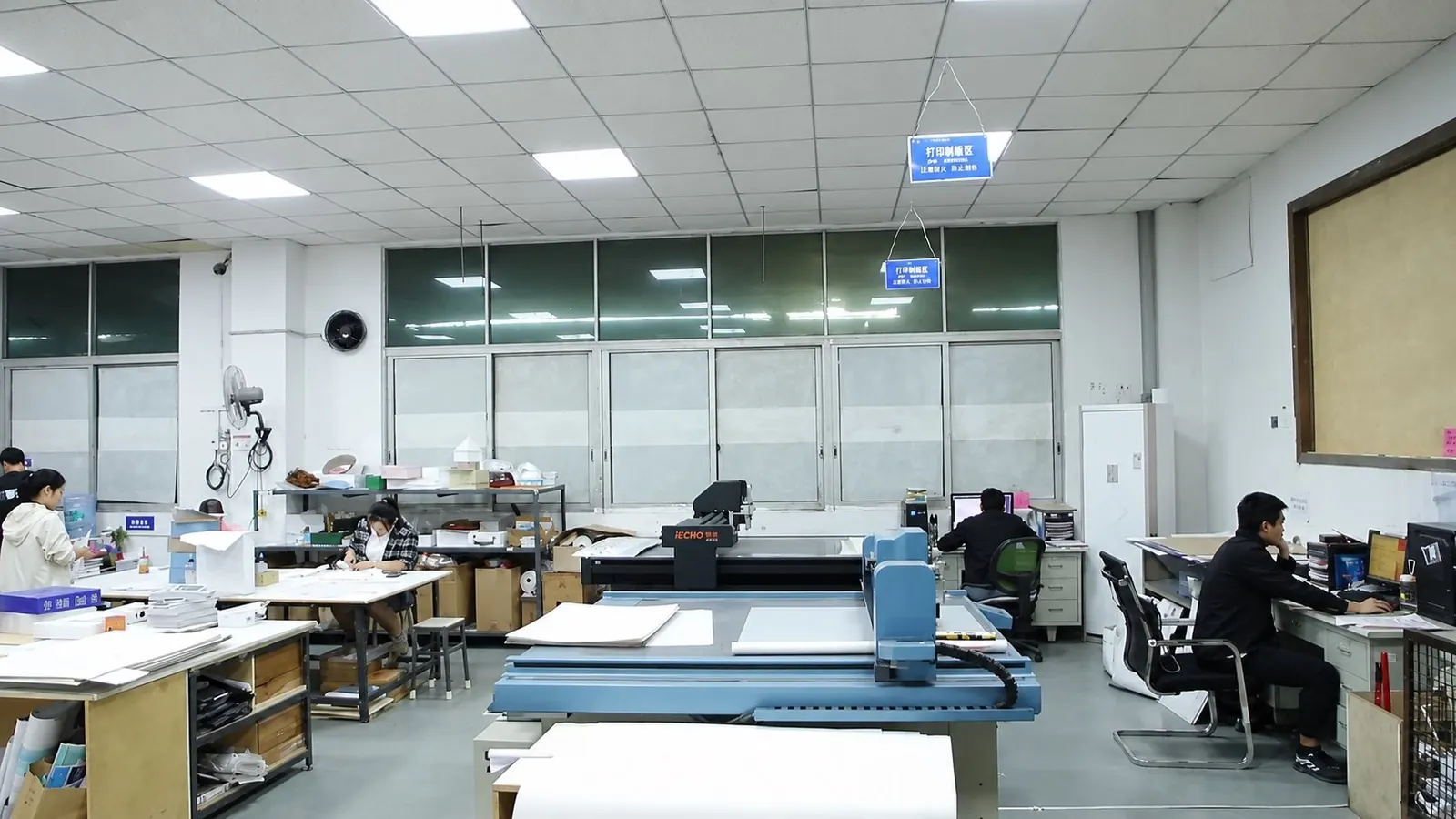
各ユースケースに必要なペーボード・段ボール・クラフト紙の構造
構造は最初に確定すべき事項です。軽量な単層壁箱と硬質折り紙箱は、異なる方法で失敗する可能性があるため、以下のチェックポイントを用いてeコマース、小売棚、ギフト用途などのユースケースをフラウト、カレンダー、そしてサンプル前の承認可能な判断へと変換します。 電子商取引用の包装ソリューション チェックポイントを使って、eコマース、小売店棚、ギフトなどの使用用途を、サンプル前の承認が可能なフラウト、カレンダー、プレイングの判断に変換します。.
構成
材料選択で最もよくある失敗は、すべての紙製構造が等しく保護してくれると想定することです。重いeコマース配送用に単層波型ダンボール箱を使用すると輸送中に崩壊し、一方、ペーパーボードは圧力下でたわむことがあります。これを防ぐためには、RFQで構造を確定させ、フラウトプロファイル(例:クッション性のB型、小売り用のE型)や最小板厚を指定してください。クラフトペーパーについては、耐引張性を確保するために面積重量とプレイング数を確認してください。.
| 素材 | 一般的な使用事例 | 重要な構造的要件 | コストへの影響 | 生産リスク |
|---|---|---|---|---|
| 紙板 | 小売箱、紙箱(カートン) | 単層、貼り箱、許可公差厚 | 低~中程度;上質印刷仕上げの場合は高くなる | 折り目ヒビ割れ;折り筋テストサンプルを依頼 |
| 段ボール | Shipping boxes, protective packaging | Flute type (B, C, E, BC), basis weight | Moderate; flute size affects material cost | Flute crush; request a compression test report |
| クラフト紙 | Wrapping, void fill, mailers | Basis weight (70–120 gsm), number of plies | Low; lightweight reduces freight | Tearing; require a tensile strength certificate |
During quote request handoff, require the supplier to confirm the structure specs in writing and provide a signed sample. This verification step eliminates ambiguity and ensures the material meets your load and handling requirements. A buyer verification question: “Can you supply a certified sample that matches the flute, thickness, and ply count specified in the quote request?”
誤りやすいペーボード・段ボール・クラフト紙仕様の翻訳
Material names travel badly between buyer and factory. Two teams can agree on ‘board’ in a meeting and still picture a folding carton on one side and a shipping box on the other.
Finish and structure on the RFQ
A buyer once sent an quote request for ‘kraft paper’ but the attached sample was a corrugated sheet. The factory quoted kraft rolls, causing a 14-day delay and rework cost. To avoid this, attach a physical sample or a detailed spec sheet with the exact material code, flute type (if corrugated), and finish (e.g., coated, uncoated, or kraft). Ask the supplier: ‘Can you confirm the material code and finish match the attached sample before production?’
Specs often go wrong when the buyer describes the material by its common name (e.g., ‘cardboard’) instead of the technical term. For example, ‘paperboard’ is a single-ply sheet used for folding cartons, while ‘corrugated’ has a fluted medium between liners. A buyer requesting ‘corrugated paperboard’ may receive a hybrid that fails under stacking load. Verify by asking: ‘What is the exact flute profile and board grade (e.g., 32 ECT C-flute) for this application?’
Cost and MOQ differences arise from material structure. Paperboard is typically more expensive per square foot than kraft paper but offers better print 品質管理プロセス. Corrugated costs more than kraft but less than paperboard for large volumes. To avoid cost surprises, request a quote that breaks down material cost per unit and ask: ‘What is the MOQ for this specific material and finish?’ Production risk increases when the factory uses a substitute material without approval. Mitigate by requiring a pre-production sample (PPS) and a signed spec sheet before mass production. During quote request handoff, include a checklist: material type, grade, flute, finish, and a photo of the approved sample.
| 仕様要素 | 紙板 | 段ボール | Kraft Paper |
|---|---|---|---|
| Typical Use | Retail cartons, cosmetics | Shipping boxes, e-commerce | Wrapping, void fill, liner |
| Key Spec to Verify | Basis weight (gsm) & coating | Flute type & ECT rating | Grammage & ply count |
| Common RFQ Mistake | Calling it ‘cardboard’ | Omitting flute direction | Assuming all kraft is same |
Factory execution depends on the supplier’s ability to run the specified material on their machines. For corrugated, confirm the maximum sheet size and flute availability. For paperboard, verify the printing method (offset, flexo, digital) and coating compatibility. For kraft paper, check the roll width and splicing tolerance. During sample handoff, ask the supplier to sign off on the spec sheet and return a sealed sample with a unique ID. This creates a traceable record that prevents future disputes.
各ユースケースが強制するペーボード・段ボール・クラフト紙のトレードオフ
An unclear specification on material grade or flute type can lock you into a package that fails drop tests or bleeds ink, forcing costly requalification and delayed shipments. Define the measurable standard—print density for retail, edge crush test (ECT) for shipping, or tensile strength for wrapping—and confirm the supplier’s test method matches your QC protocol.
Protection and presentation
Paperboard offers a smooth surface for high-resolution graphics but limited cushioning; corrugated provides structural rigidity but a less refined print face; blog excels in void fill and wrapping but offers no print fidelity. Ask: What is the acceptable print registration tolerance? What is the minimum ECT for stacked pallets? What is the required burst strength for the outermost wrap?
Cost trade-off
Corrugated typically carries higher material cost per square foot than kraft paper but lower than paperboard when factoring in printing and finishing. However, MOQ variances can flip the unit cost. Verify: What is the supplier’s minimum run for each material? Does the quoted price include die-cutting, printing plates, or custom sizing? Request a sample of the exact construction (board grade, flute, liner weight) before approving the quote.
| 要件 | 紙板 | 段ボール | Kraft Paper |
|---|---|---|---|
| 印刷品質 | 高 | 中 | 低 |
| Stacking strength | 低 | 高 | 低 |
| Material cost per unit | 中 | 高 | 低 |
| Typical MOQ | 中 | 中 | 低 |
During quote request handoff, attach a one-page spec sheet listing the critical parameters and the test method. Require the supplier to sign off on that sheet and return a sample for approval before production. This closes the gap between what you assumed and what the factory can deliver.
結論として
After comparing paperboard, corrugated, and kraft paper for your packaging project, the final step is to validate the material specification with your supplier, confirm the minimum order (200 pcs) and standard lead time, and request a sample to mitigate quality risk. Once the sample is approved and the spec sheet is documented, you can proceed to request a quote and initiate the production order. This disciplined handoff ensures your packaging choice performs reliably from factory to end customer.
使用する カスタム紙包装 大量注文の前に、最終仕様、見積もりの前提条件、サンプル承認、QC証拠、承認リスク、サプライヤーのフォローアップを確認するため.
If this stage leads into that check, compare it against our kraft Paper Boxes Wholesale: Order Checks Before the Quote.
紙板 vs 段ボール vs クラフト紙のFAQ
Which packaging or event use cases fit paperboard vs corrugated vs kraft paper best?
Paperboard best fits retail packaging requiring high-quality print; corrugated is ideal for shipping and protection; kraft paper suits lightweight bags and wraps. Before selecting, specify the material grade and thickness, confirm minimum order (200 pcs) and lead time (15–30 working days), request a sample for print and strength verification, and check supplier certifications.
What should buyers verify before approving paperboard vs corrugated vs kraft paper?
Before approving, verify the material specification (e.g., board grade, flute type, grammage), confirm the minimum order and production lead time, assess supplier risk by reviewing certifications and factory audits, and request a sample for QC testing. Document the approval criteria and retain a sealed sample for reference.
購入者は梱包箱の寸法をどのように確認すべきですか?
To confirm packed box dimensions, specify internal and external dimensions in the quote request, request a sample box to measure, and compare against your product dimensions. Verify that the supplier’s dimension tolerance matches your requirement, and document the approved dimensions in the spec sheet.
見積依頼の引き継ぎ: 仕様をレビュー用に送信.
パッケージングに関する質問をする